RAMALLAH / PNN/
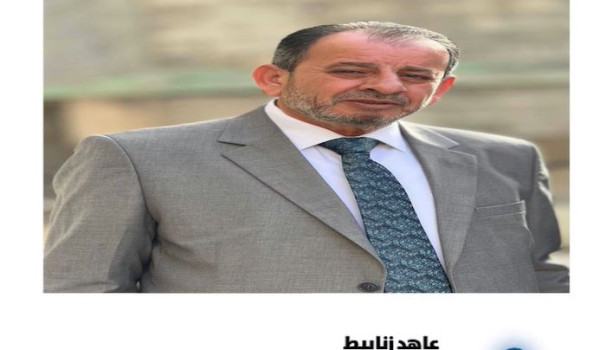
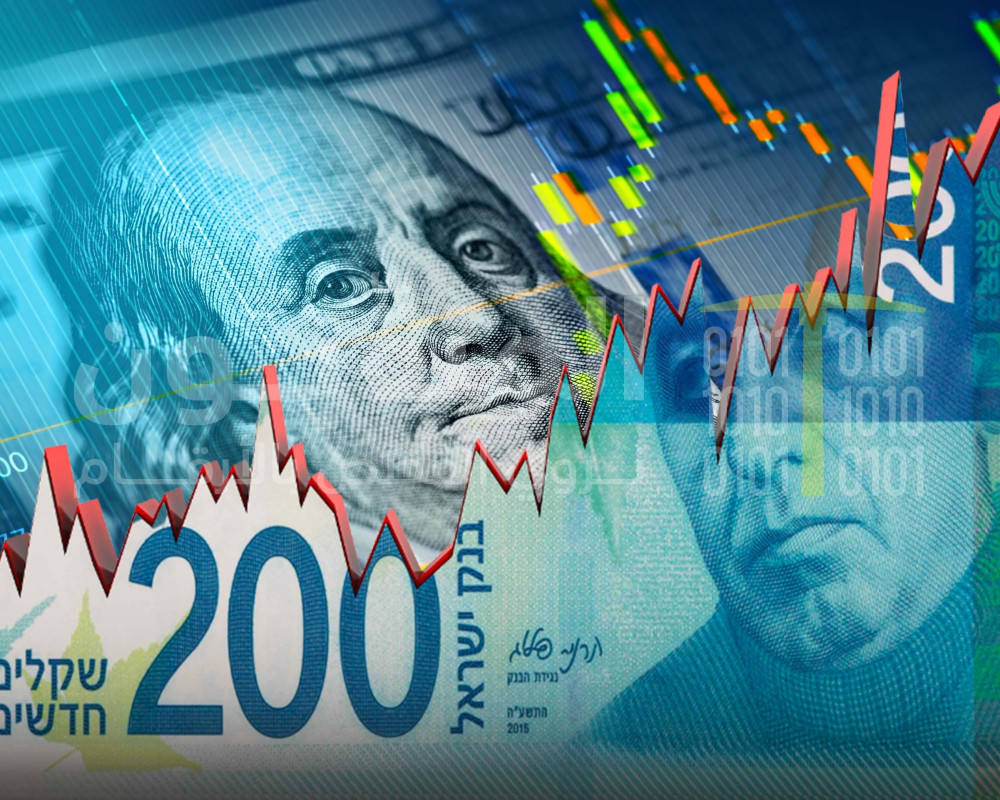
Economist Nabil Koukali said the Bank of Israel’s decision to cut interest rates to 3.75% reflects growing concern over an economic slowdown amid the impact of war and regional tensions, warning of direct repercussions for Palestinians closely tied to the Israeli economy.
Koukali, head of the Palestinian Center for Public Opinion (PCPO), said the May 25, 2026 decision follows months of hesitation, despite being a conventional tool to stimulate growth and ease borrowing costs, particularly as economic activity slows and inflation shows signs of easing.
He added that Israel’s economy is increasingly shaped not only by financial indicators but also by political and security factors, making the impact of such decisions more complex.
Although interest rate cuts typically weaken a country’s currency, Koukali noted that the shekel has remained relatively strong throughout 2026, supported by foreign investment in Israel’s technology sector, a weaker U.S. dollar globally, and continued investor confidence.
He said this reflects the nature of Israel’s economy, which is closely linked to geopolitical developments, where monetary policy decisions intersect with political and security dynamics in shaping market trends.
Regarding the impact on Israelis, Koukali said lower interest rates could ease pressure on households by reducing borrowing costs, but could also drive up prices of imported goods if the currency weakens, potentially affecting inflation and living standards.
He stressed that the effects extend to Palestinians due to the structural ties between the two economies. Public opinion surveys conducted by PCPO over the past two years show a noticeable rise in economic and social anxiety among Palestinians.
According to the surveys, Palestinians face mounting pressure from rising living costs, currency fluctuations and declining purchasing power, alongside growing concerns about prolonged economic instability.
Koukali said fluctuations in the shekel directly affect daily life, influencing the cost of imported goods, travel, education and healthcare, as well as loan repayments linked to foreign currencies.
At the same time, he noted that a strong shekel may help contain inflation but could harm Palestinian productive and export sectors, deepening existing economic imbalances.
Koukali said the regional economy is increasingly inseparable from political and security developments, citing the war in Gaza and broader regional tensions as key factors shaping monetary policy and market behavior.
He warned that these dynamics are heightening economic uncertainty for Palestinians and called for a reassessment of the economic relationship with Israel, alongside efforts to develop policies that reduce vulnerability to external shocks.