Bethlehem / Battir /PNN/ Monjed jadou
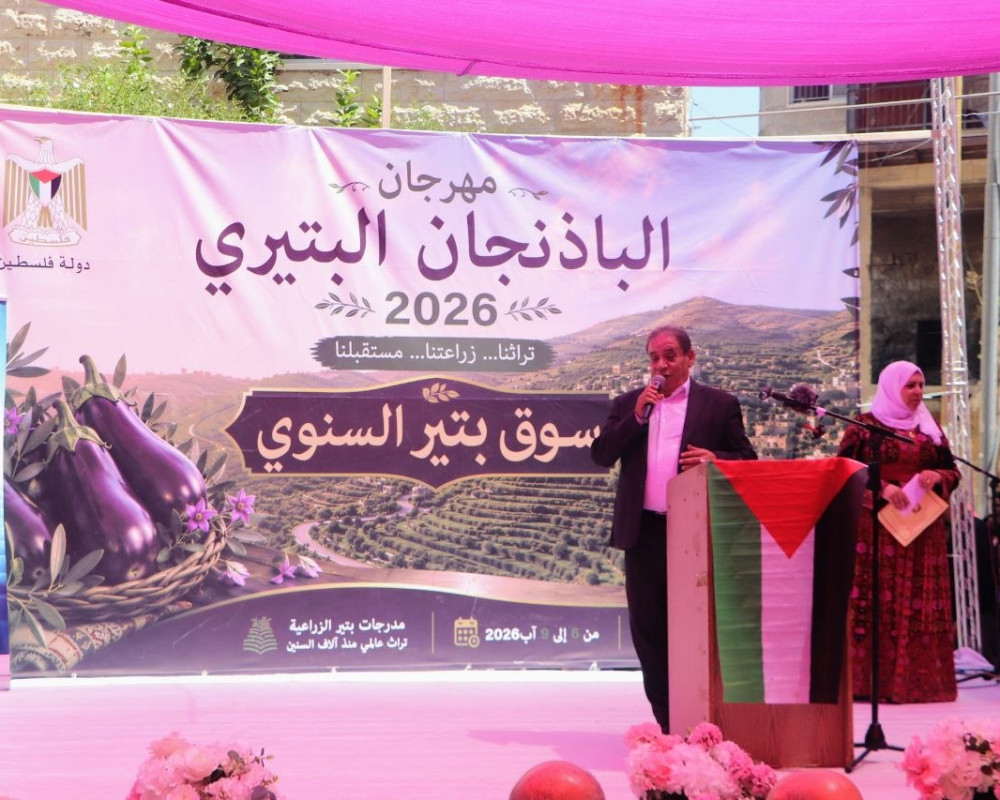
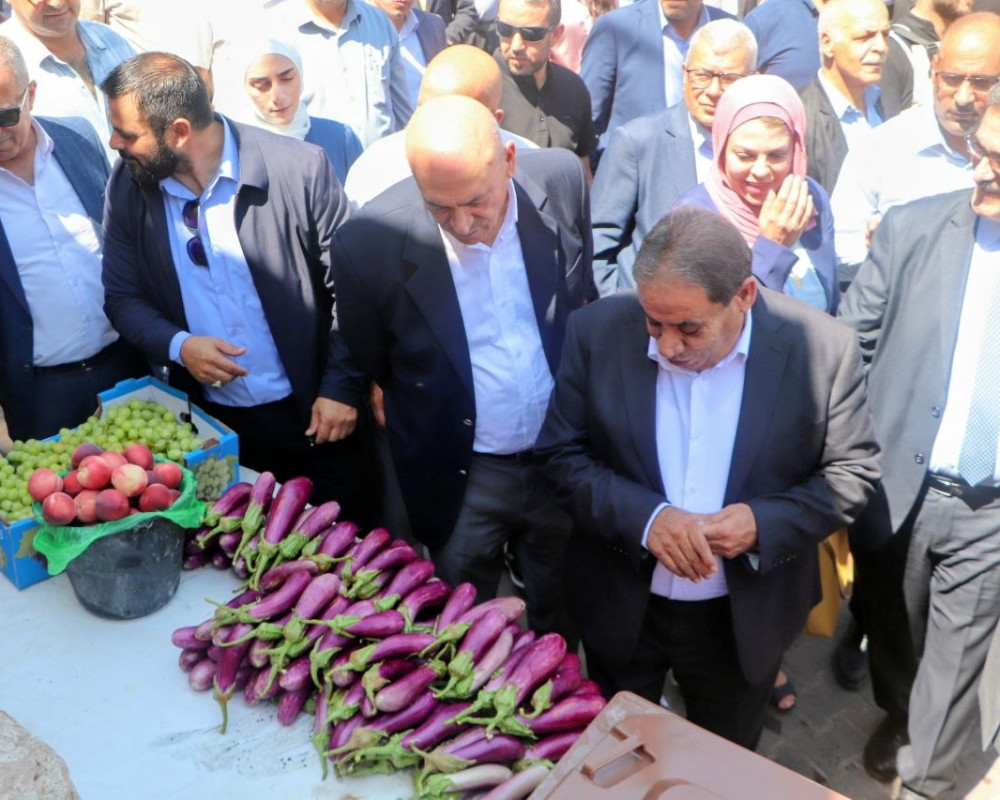
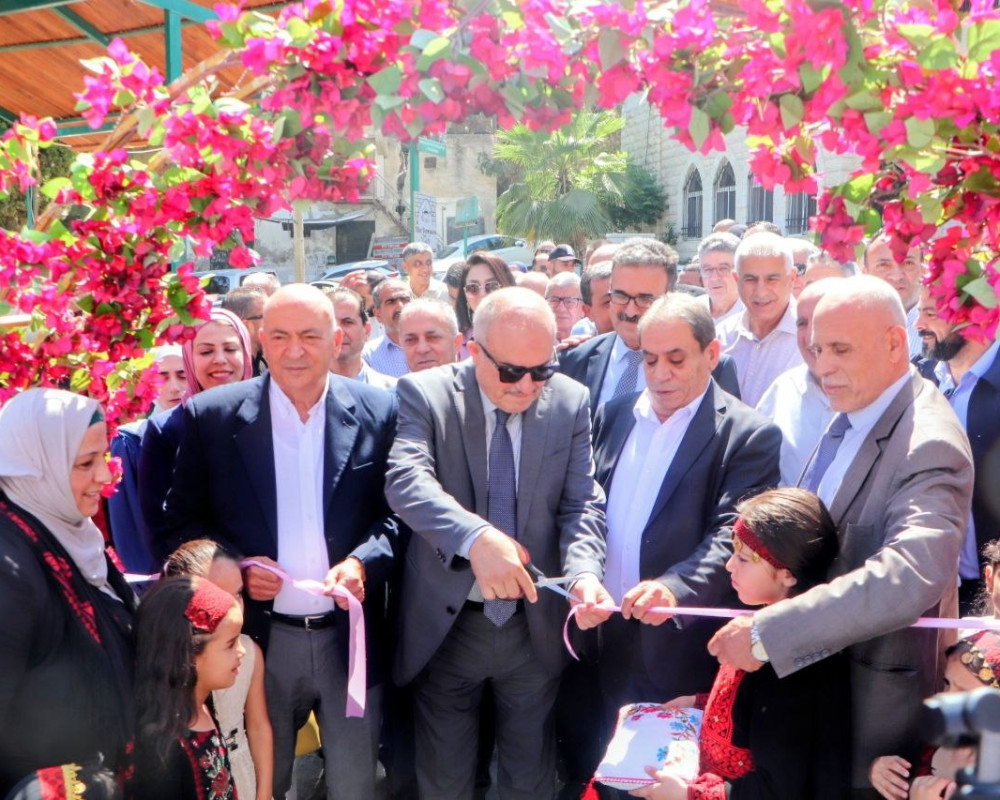
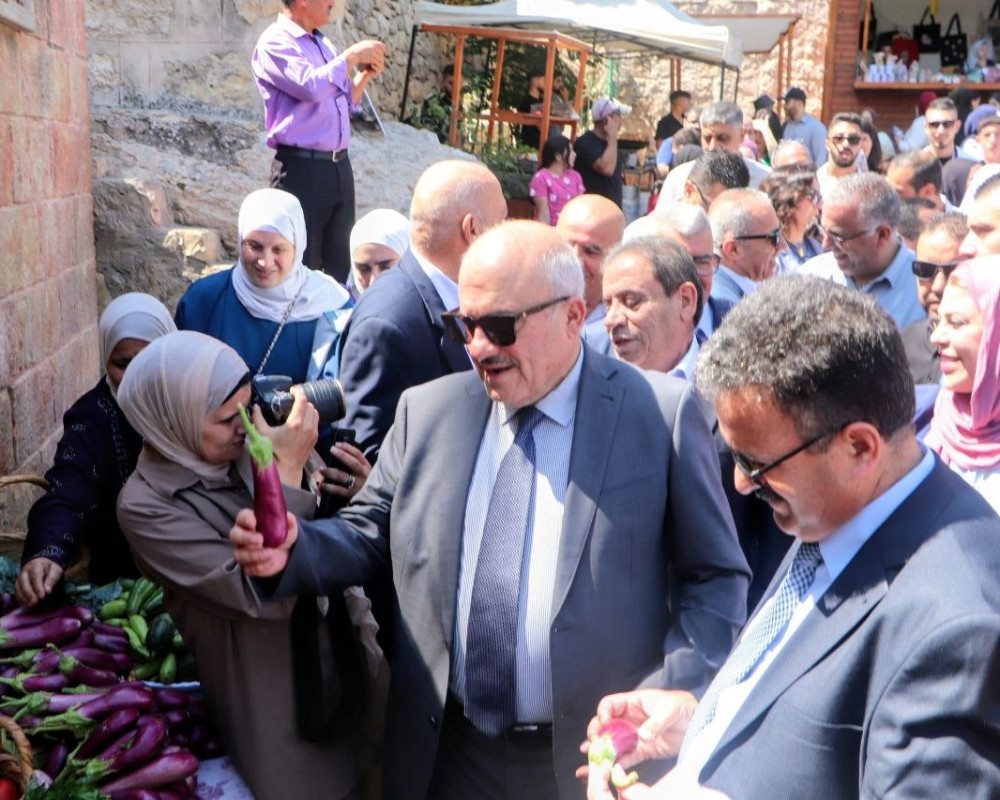
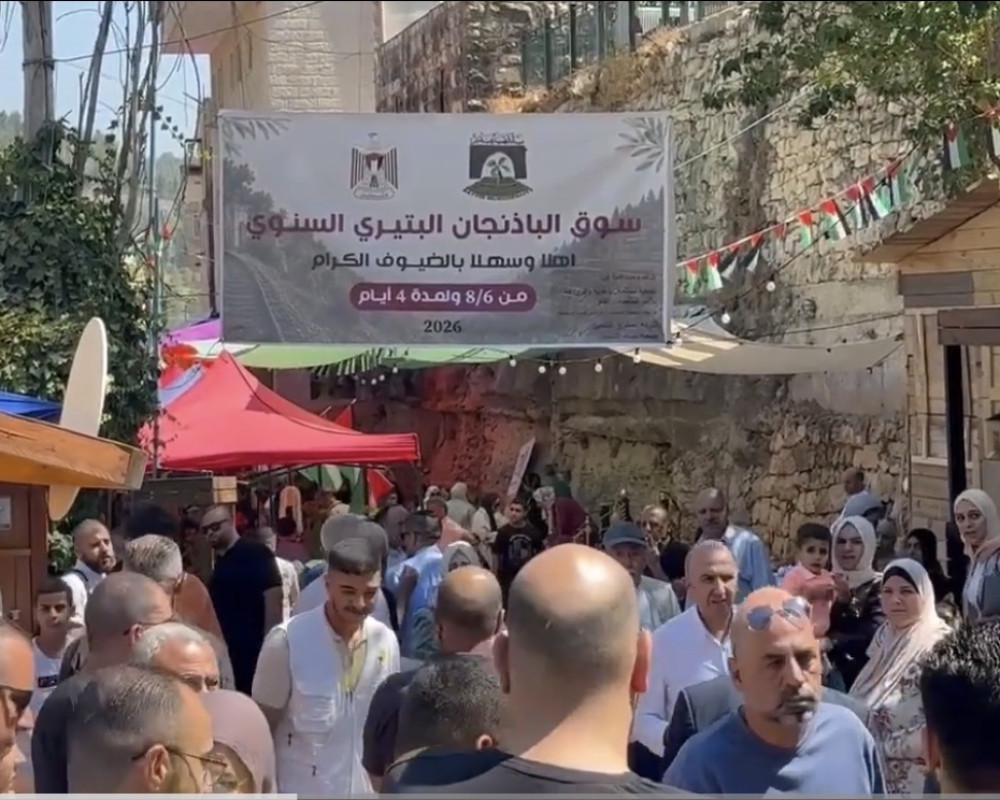
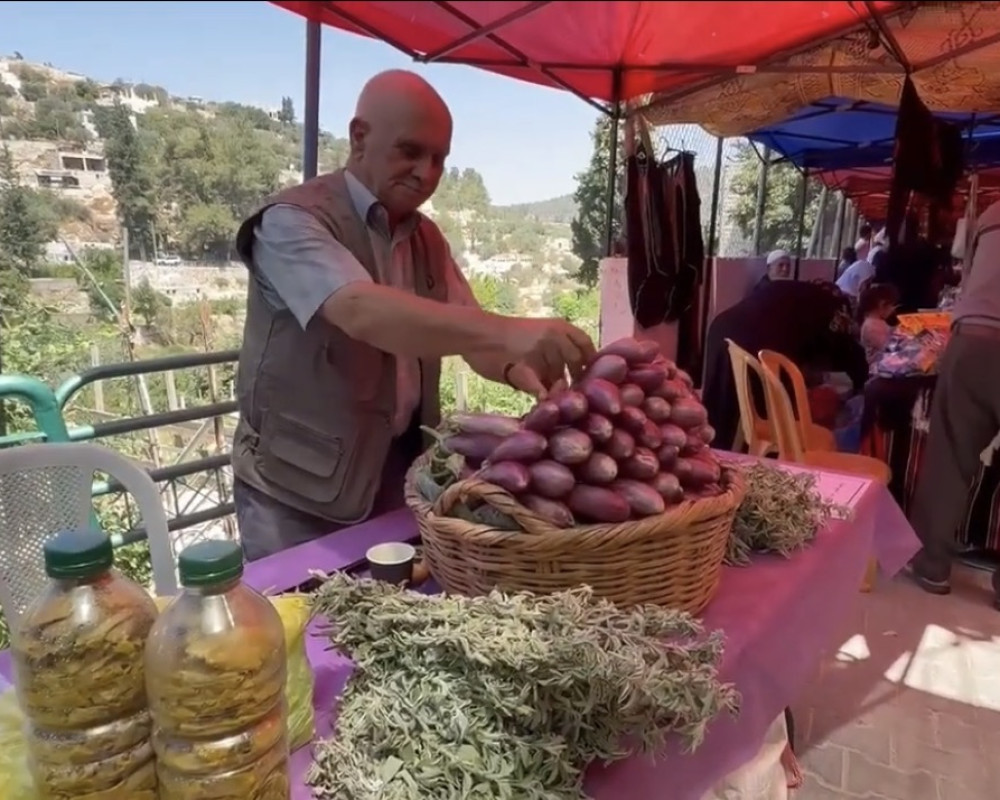
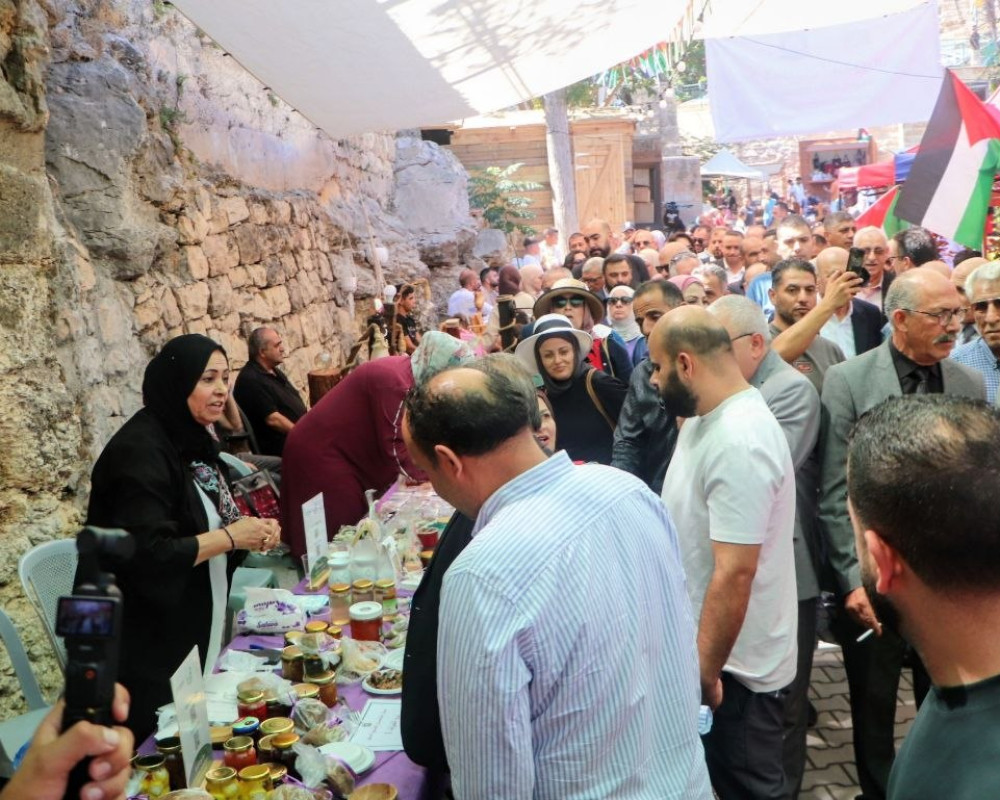
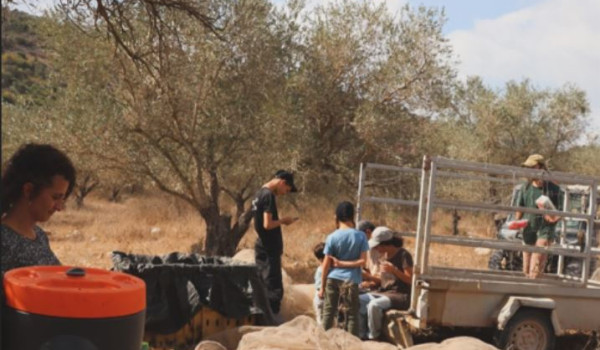
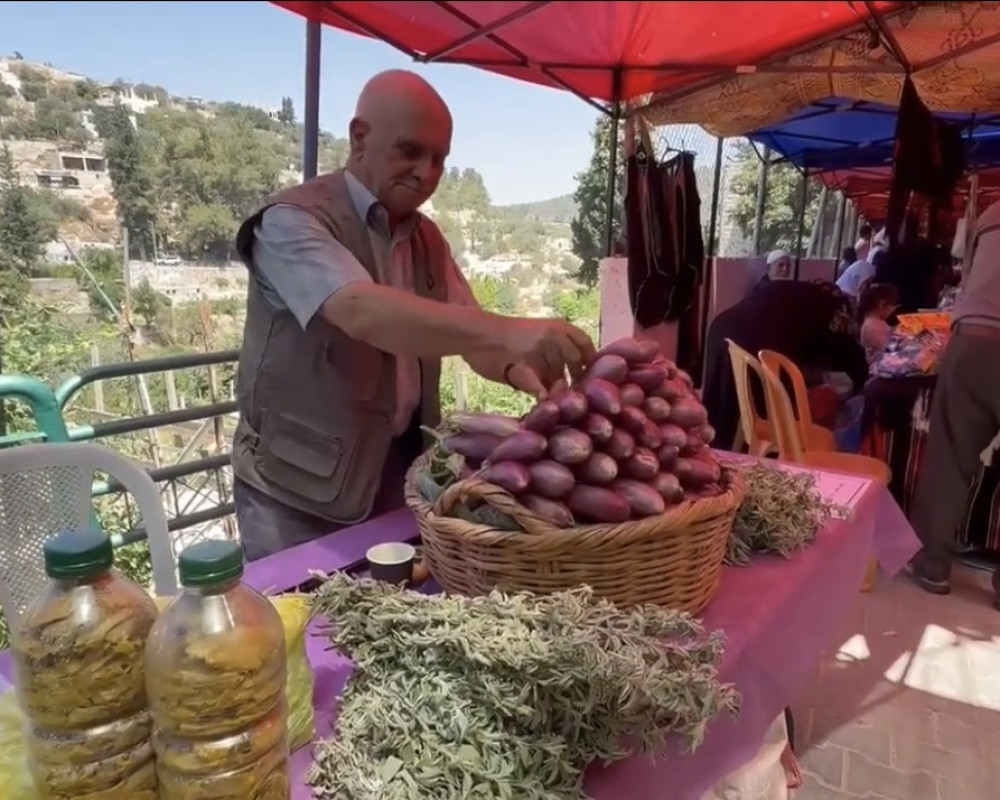
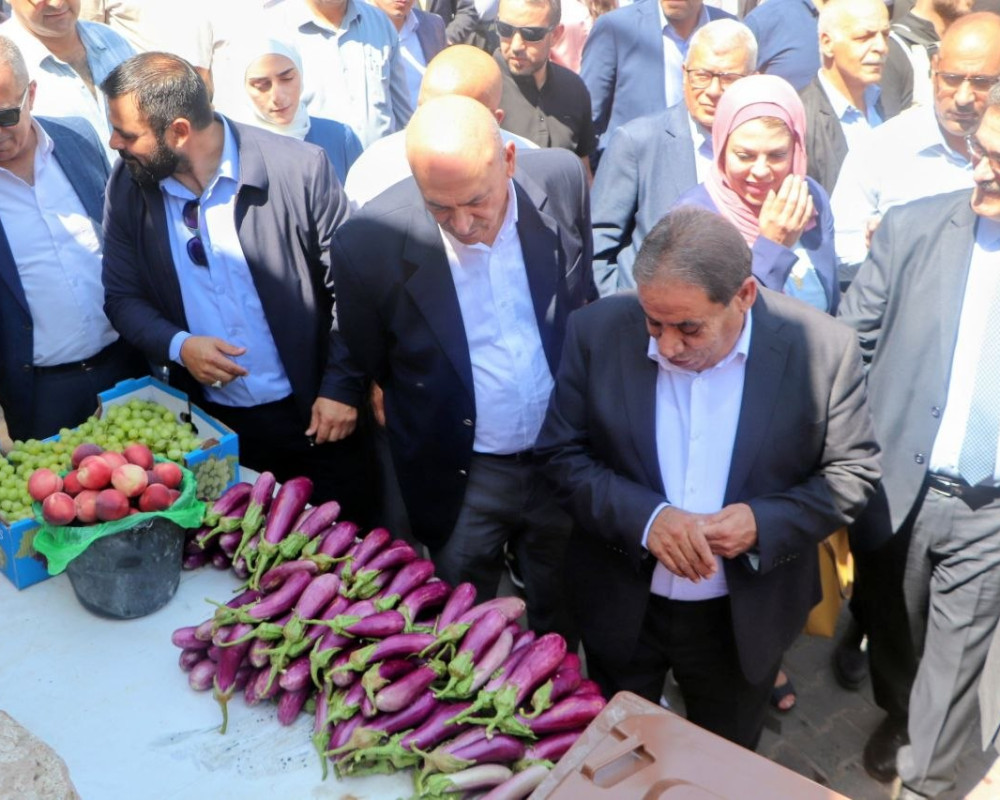
In the heart of the historic village of Battir, renowned for its ancient agricultural terraces and traditional irrigation system, the annual “Battir Eggplant Market Festival” has been launched, drawing senior officials and local residents in a bid to support Palestinian farmers and boost the local economy amid ongoing challenges.
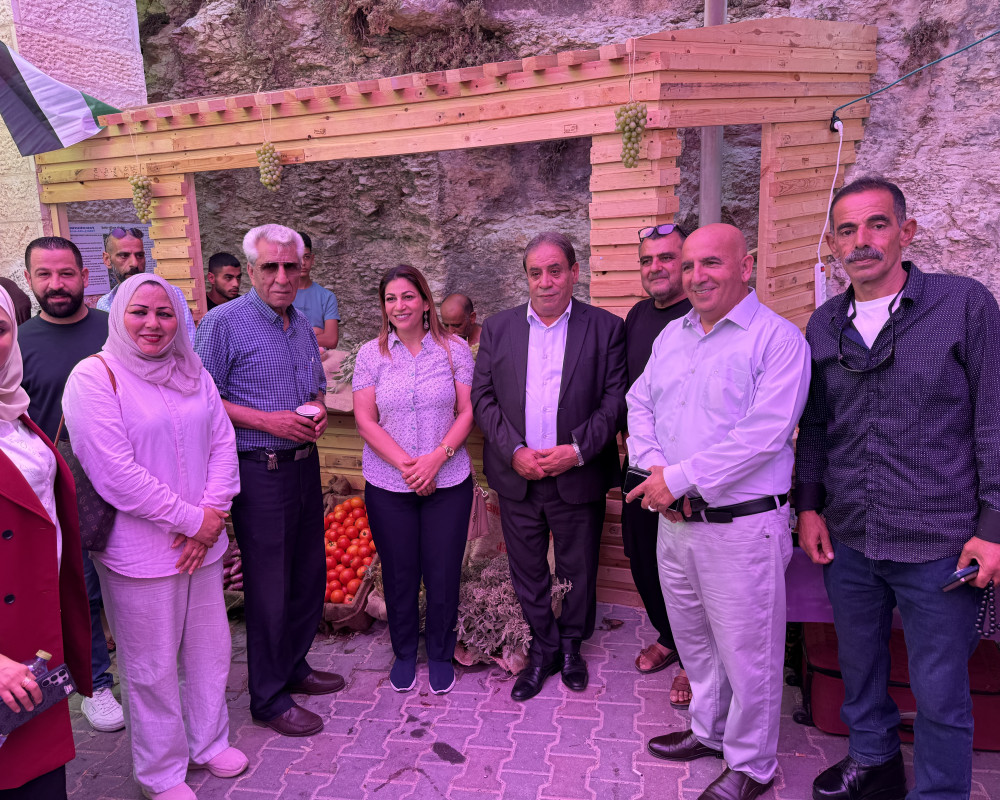
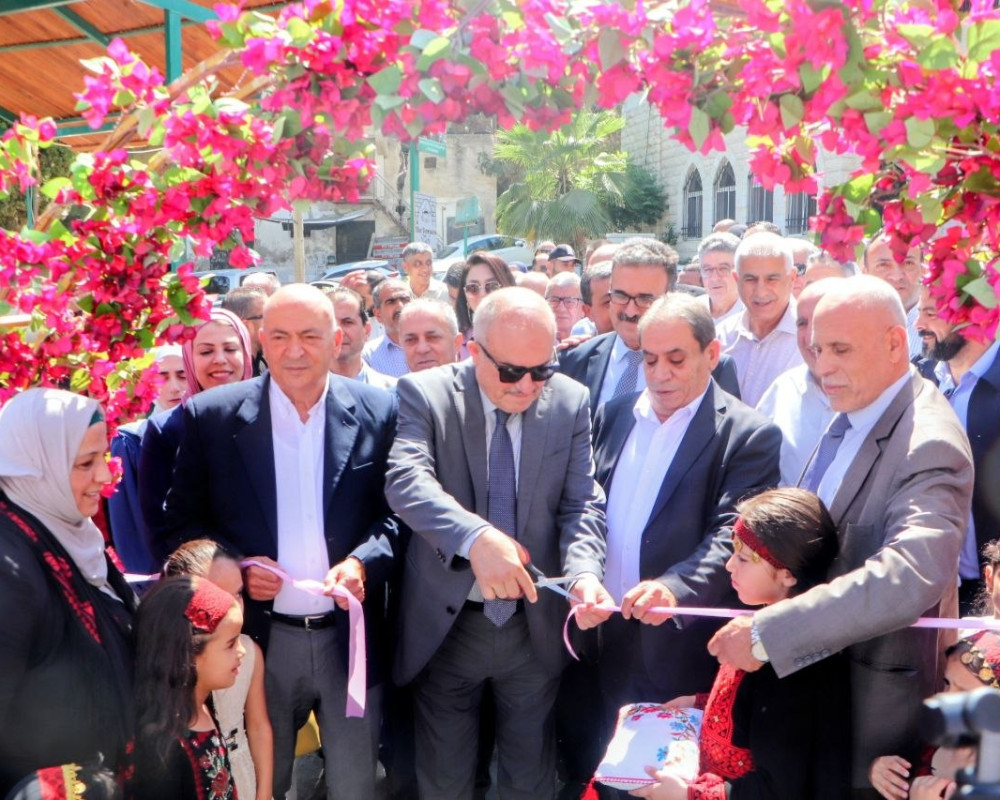
Organized by the Battir Municipality in cooperation with agricultural and heritage institutions, the festival opened with high-level official and public attendance, including three ministers and the governor of Bethlehem. The initiative aims to strengthen farmers’ resilience while creating new economic opportunities in the face of mounting crises.
The market is more than a seasonal commercial event. It serves as a platform to reconnect Palestinians with their land and to enhance the value of local agricultural products, particularly after years marked by economic decline, the COVID-19 pandemic and successive hardships.
Akram Badr, head of Battir Municipality, told PNN that the revival of the market carries both economic and social significance, highlighting a shift back toward agriculture in recent years.
“Given the current circumstances, especially the shortage of jobs, people have returned to their land and started selling its produce again,” Badr said. “In the past, more than 90 percent of Battir’s residents depended on agriculture, but that gradually declined. This festival provides an opportunity for people to market their products while reconnecting with their land and securing a dignified livelihood.”
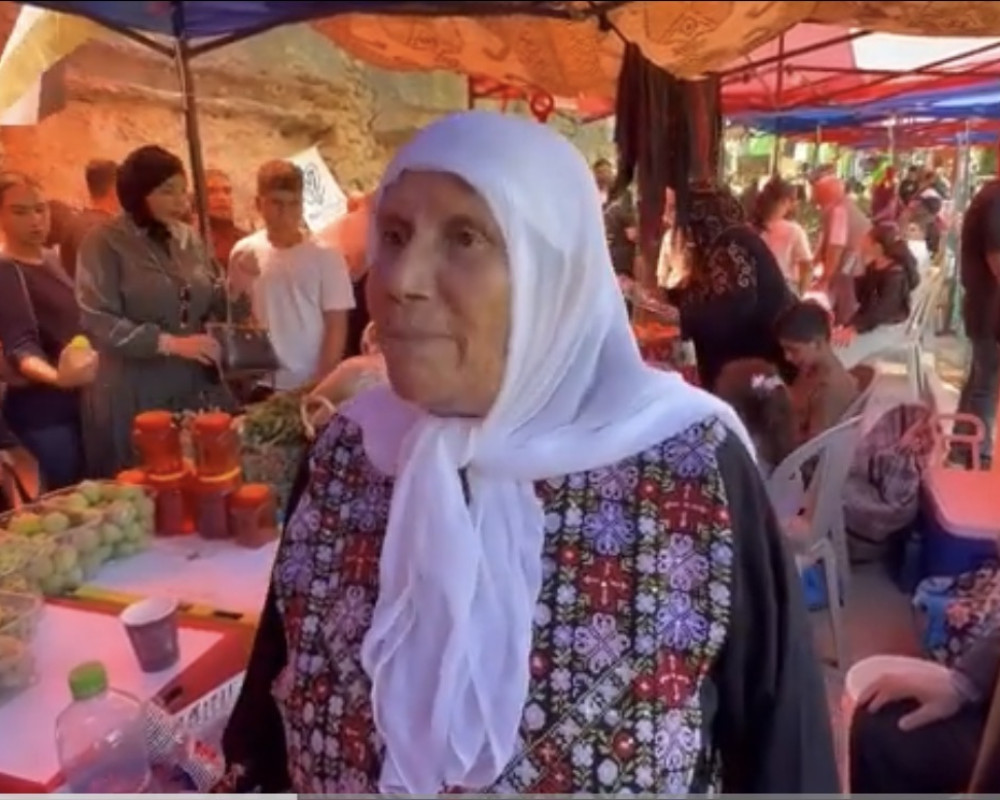
Farmers taking part in the festival emphasized their deep-rooted connection to agriculture. Safiya Hammad, a farmer from Battir, described the mutual relationship between farmers and their land.
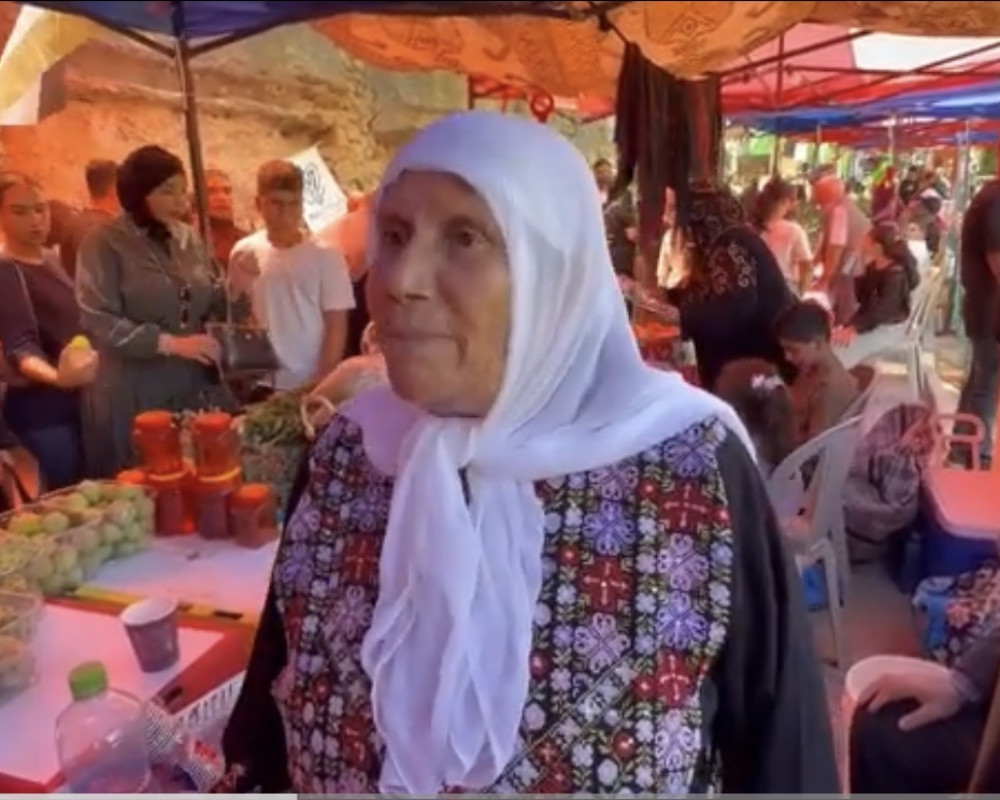
“This market brings us joy and helps us sell all our products. We wait for it year after year,” she said. “This is our land—we grew up with it and worked hard on it. It feeds us, and whoever cares for their land will be rewarded .”
Other farmers highlighted self-reliance and direct marketing as key components of their work. Ibrahim Qaisi said he manages all stages of production independently.
“I cultivate the land, take care of it and market the crops myself,” he said. “I produce my own seeds rather than buying them, develop them locally and plant them in the land. The festival greatly supports marketing and sales.”
For her part, farmer Naama Ibrahim Qasqas pointed to the cooperative dimension of the event, noting that it fosters exchange among farmers from different areas.
“The importance of the market lies in building connections and exchanging products and expertise between Battir and neighboring villages,” she said. “We share what we have and learn from one another’s methods.”
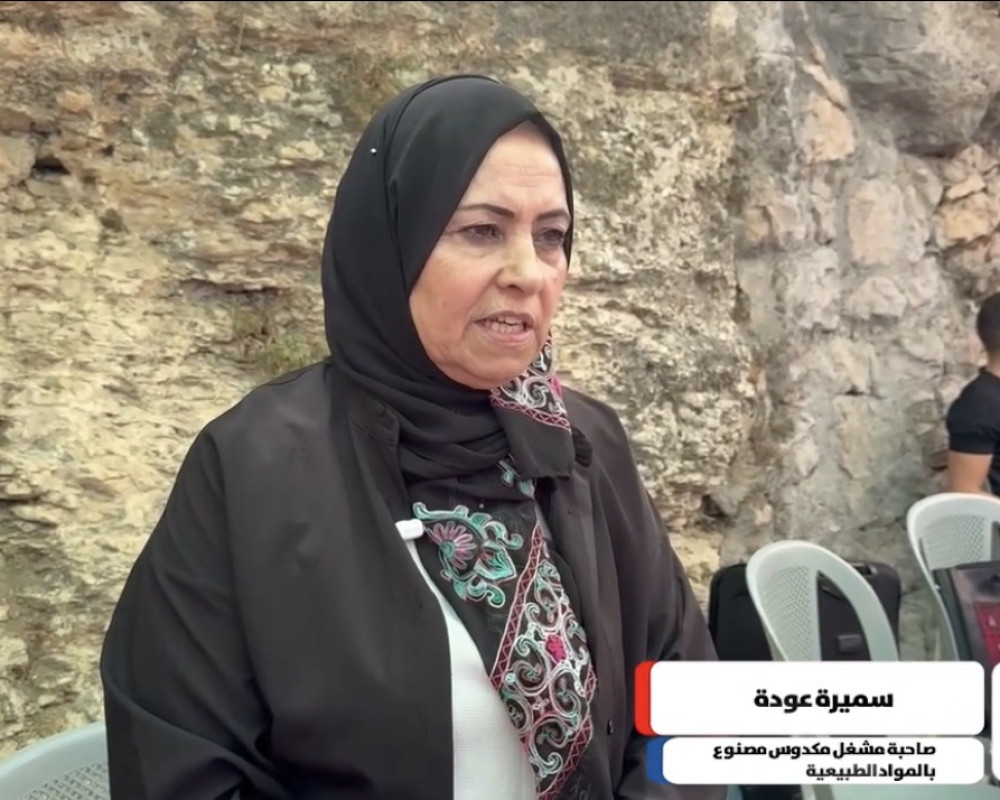
Beyond fresh produce, the festival has also provided an opportunity for small-scale food producers to showcase traditional goods. Samira Odeh, owner of the “Makdousi” natural food project, said the event has helped revive her business.
“My project focuses on producing preservative-free makdous stored in olive oil, using Battir eggplants specifically because of their superior quality and taste,” she said. “This market is especially important under the current economic conditions, as it allows people to buy natural products at lower prices than in regular markets.”
The festival has attracted large numbers of visitors from Bethlehem, Hebron and other areas, combining leisure with local shopping. Zuhair Atmeizeh, one of the attendees, said such events offer a break from daily routines.
“These festivals give people a chance to meet in person and step away from screens,” he said. “They also support farmers who rely on agriculture as their primary source of income.”
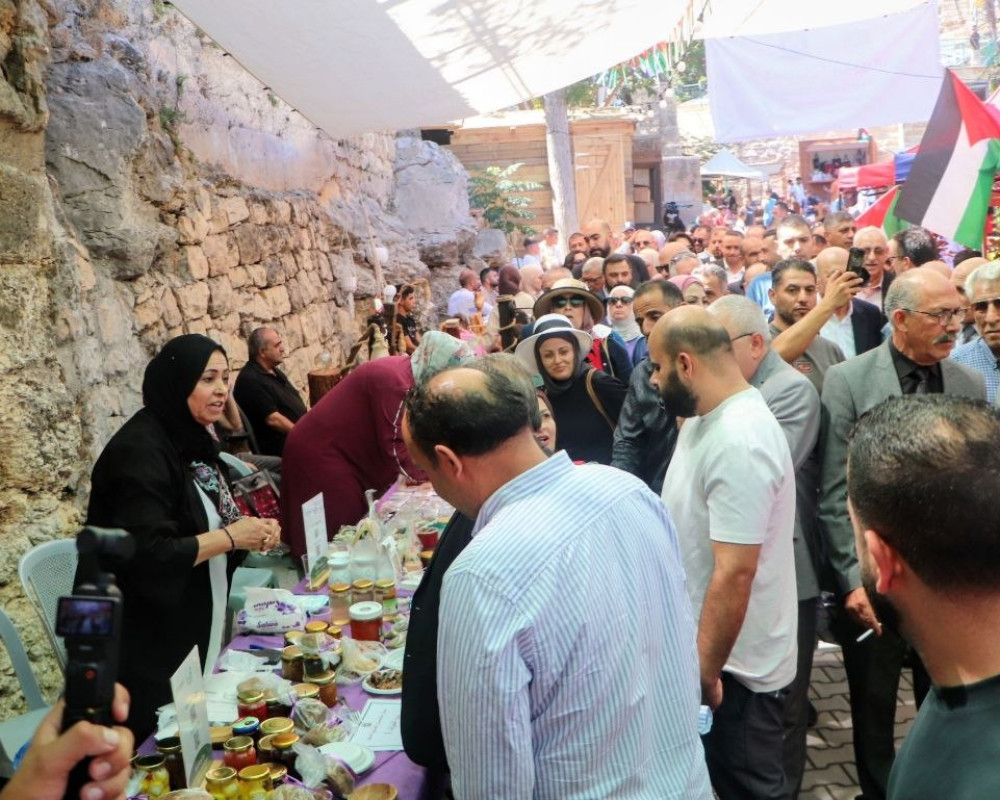
The annual Battir Eggplant Market Festival underscores that it is not merely a commercial gathering but a cultural and community event reflecting Palestinians’ attachment to their land. It offers families a space to enjoy nature while momentarily escaping the pressures of political and economic realities.
This video was produced as part of the “Media Support in Times of Crisis” project implemented by the Palestine Network PNN, in cooperation with the Palestine Journalism Hub.