RAMALLAH, West Bank / PNN /
A senior Palestinian church affairs official has called on Christian leaders around the world to take concrete action over what he described as escalating attacks, land confiscations and restrictions targeting Palestinian Christians and the wider Palestinian population in the occupied West Bank and Jerusalem.
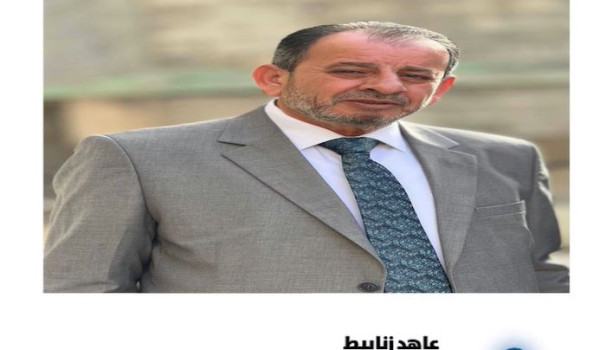
Ramzi Khouri, a member of the Palestine Liberation Organization's Executive Committee and head of the Higher Presidential Committee for Church Affairs in Palestine, made the appeal in a letter addressed to church leaders, warning that increasing settler violence and Israeli restrictions were placing growing pressure on Palestinian Christian communities.
Khouri said Palestinian Christians across the West Bank, including Jerusalem, were facing settler attacks, land confiscations, settlement expansion and restrictions affecting access to religious sites and worship.
He said clergy, nuns and church institutions had also been subjected to verbal and physical attacks and vandalism, describing the situation as one of growing impunity.
Christian communities in Bethlehem, Beit Jala, Beit Sahour, Taybeh, Birzeit and Ein Arik are facing increasing pressure from settlement expansion, attacks and economic hardship, Khouri said.
According to figures cited in his letter, more than 200 Palestinian Christian families have left their communities since 2023. In Taybeh, described by Khouri as the last entirely Christian town in Palestine, more than 90 residents have reportedly left during the same period.
Khouri said the departures reflected a combination of security concerns, restrictions on land, economic pressures and what he described as a lack of prospects for Palestinian Christians seeking to remain in their communities.
Jerusalem concerns
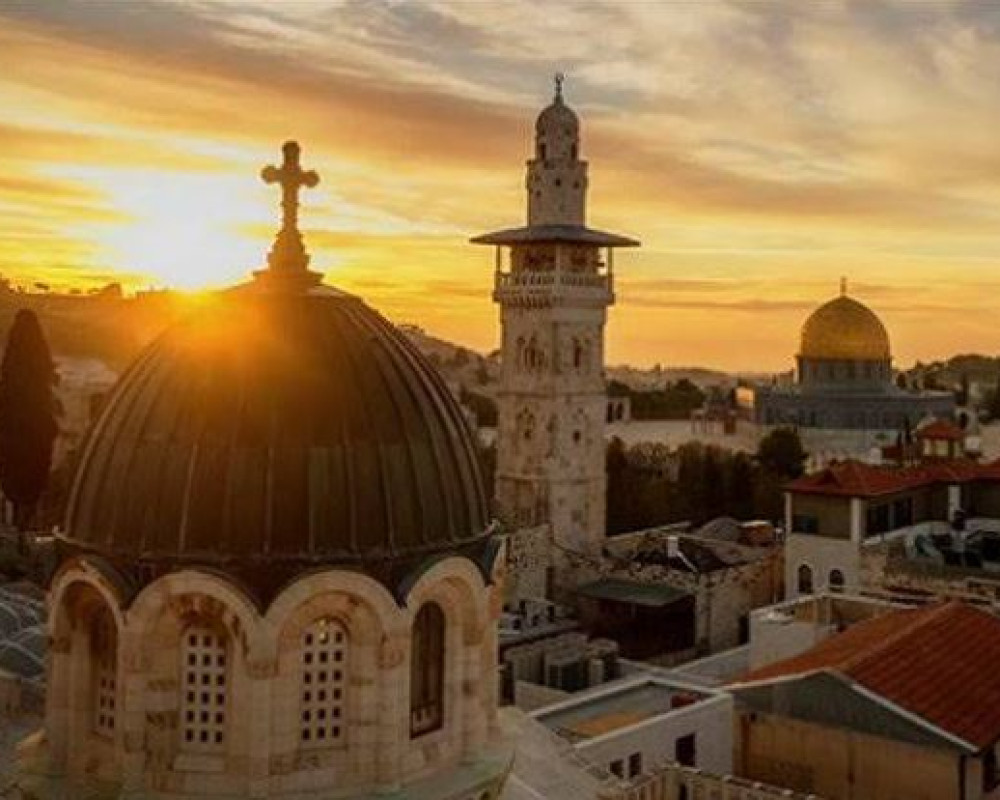
Khouri said the situation in occupied East Jerusalem was particularly concerning, citing restrictions and barriers that he said increasingly separate the city from the rest of the West Bank and limit access to holy sites for both Palestinian Christians and Muslims.
He said more than 100 anti-Christian incidents had been recorded in and around Jerusalem's Old City during the first half of 2026, more than twice the number reported during the same period in 2024.
The incidents, according to Khouri, included spitting, verbal abuse, threats, vandalism targeting monasteries and other acts of harassment against Palestinian Christians, foreign clergy and religious sisters.
He also criticized municipal taxation of church properties, saying it violated the long-standing Status Quo arrangements governing religious sites in Jerusalem.
Khouri cited concern expressed by the United Nations Alliance of Civilizations over violence and harassment targeting Christians in East Jerusalem.
Gaza and West Bank
Khouri also linked the situation facing Palestinian Christians to the broader conditions affecting Palestinians in the Gaza Strip and the West Bank.
He said that despite a ceasefire, Palestinians in Gaza continued to face deaths, injuries and displacement, while restrictions on food and medical supplies remained in place.
Khouri also criticized Israel's continued presence beyond what he referred to as the "yellow line," saying it was contributing to what he described as a permanent occupation of parts of the Gaza Strip.
He further alleged that the removal of rubble was erasing evidence of atrocities committed during the conflict.
According to figures cited in the letter, an average of one child had been killed each day during the roughly 300 days following the October 2025 ceasefire announcement.
The letter characterized the developments in Gaza and the West Bank as part of a broader system of impunity and exclusion and accused Israel of pursuing policies aimed at displacing Palestinians and entrenching settlement control.
Call for international action
Khouri urged international church leaders to listen to Palestinian Christian theologians and churches and to visit Palestine to witness conditions on the ground.
He called on church leaders to publicly address what he described as violations against Palestinians, mobilize their congregations, reconsider financial relationships with entities that benefit from the occupation and advocate for international measures aimed at accountability.
"This is not a Christian question alone," Khouri said in the letter. "It is an assault on the Palestinian people as a whole."
He also urged church leaders to reject theological interpretations that, in his view, are used to justify discrimination or dispossession and instead support Palestinian Christian churches and theologians.
Khouri's appeal comes as Palestinian Christian communities continue to face demographic decline, economic pressure and restrictions on movement and access to religious sites, while settlement expansion and settler violence remain major concerns for Palestinian communities across the West Bank.
The letter was accompanied by a report documenting alleged violations against Palestinian Christians, their religious sites and clergy from the beginning of 2026 through August. The report was compiled by the Higher Presidential Committee for Church Affairs in Palestine.
Khouri concluded his appeal with a call for international church leaders to "see, speak and act" in response to the conditions facing Palestinian Christians and the wider Palestinian population.