BETHLEHEM, West Bank (PNN) –
Bethlehem, the birthplace of Jesus Christ, is beginning to regain some of its festive atmosphere as Christmas approaches, with streets and squares decorated for the holiday and a tentative return of commercial activity, offering hopes of recovery for a city whose economy and tourism sector have been severely affected by the war.
The preparations come as Israeli movement restrictions continue to affect daily life in the city. Israel has recently reopened Bethlehem’s northern entrance to vehicles, but only for limited hours, following a comprehensive closure imposed on the city since the outbreak of the war. The restrictions continue to hamper mobility and slow the recovery of commercial and tourism activities.
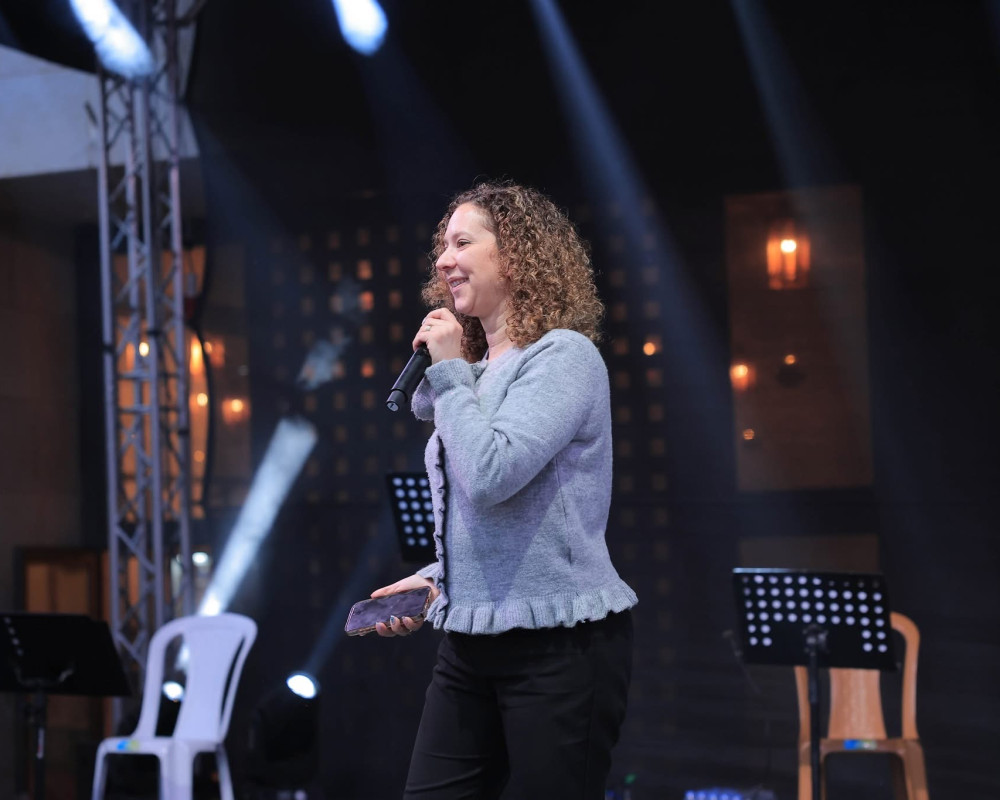
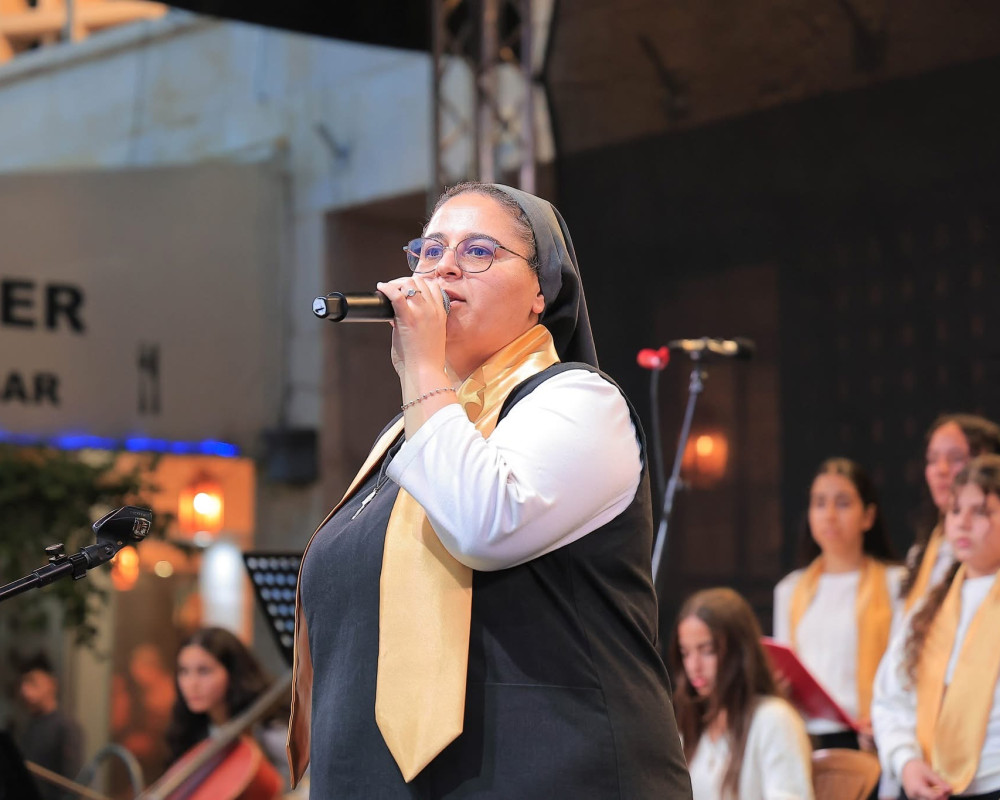
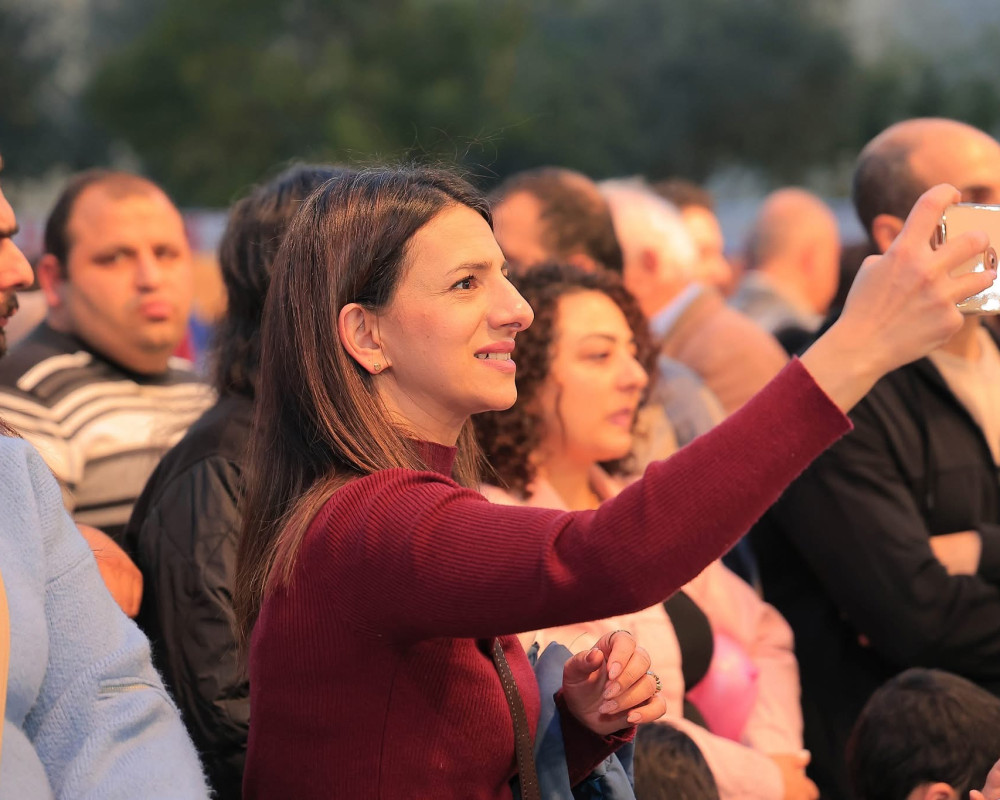
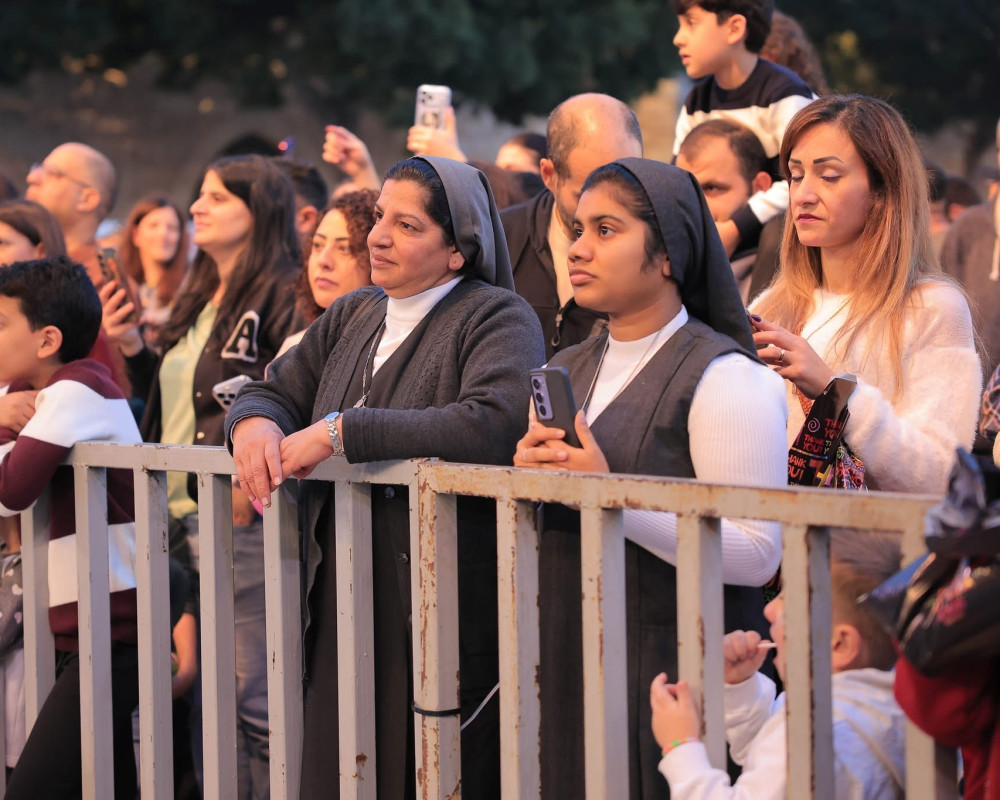
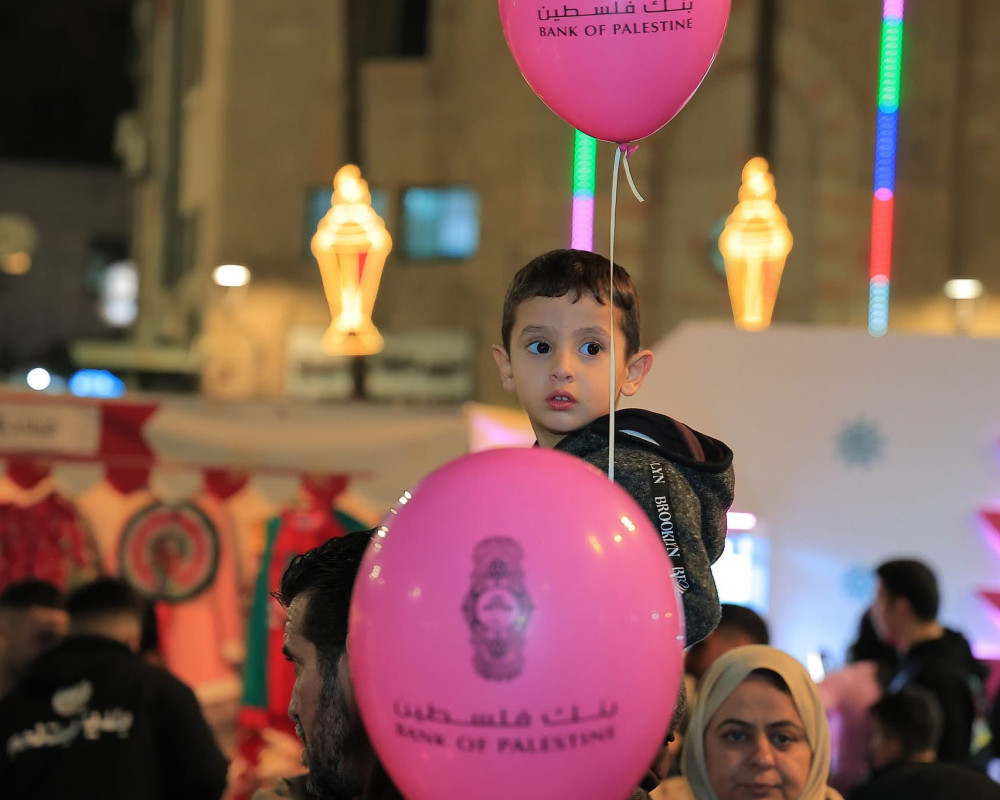
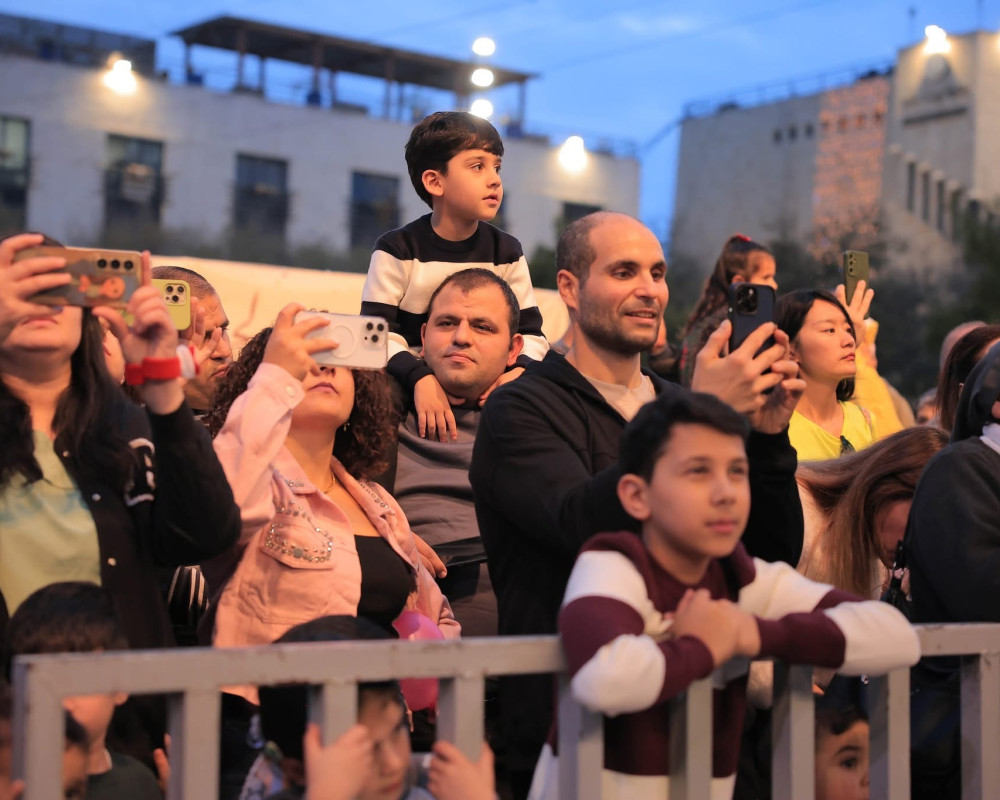
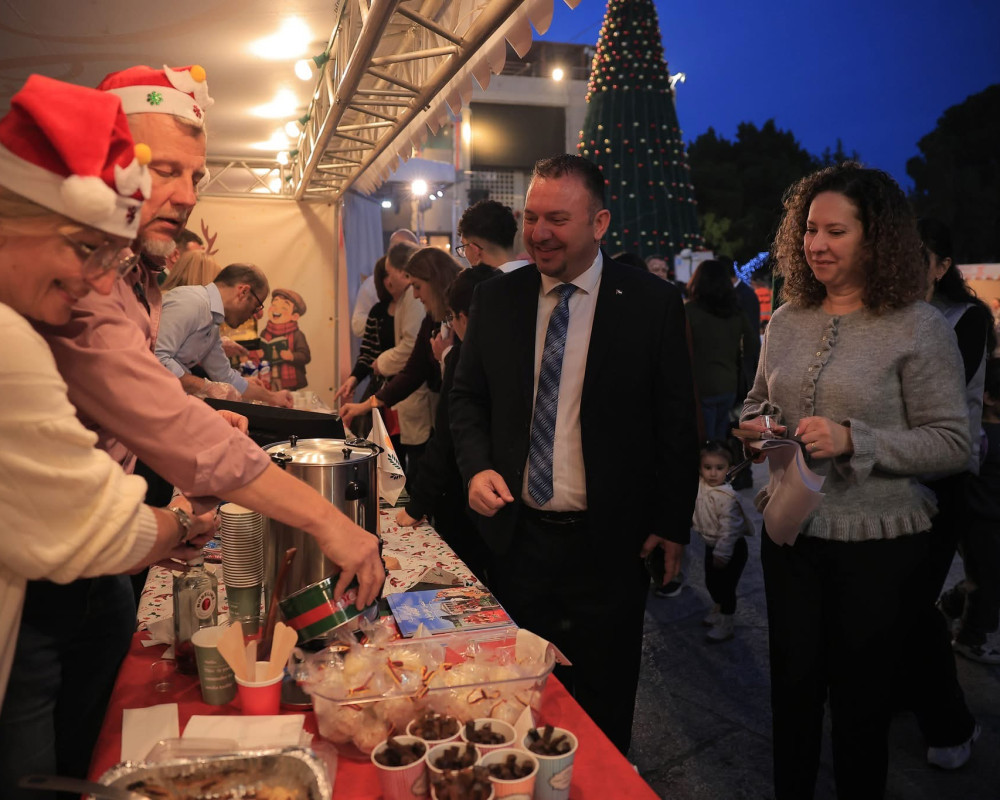
The Christmas season has officially begun with the opening of Bethlehem’s 26th annual Christmas Market in Manger Square, bringing together local institutions, artisans and small business owners in an effort to revive the local economy and restore the city's festive traditions.
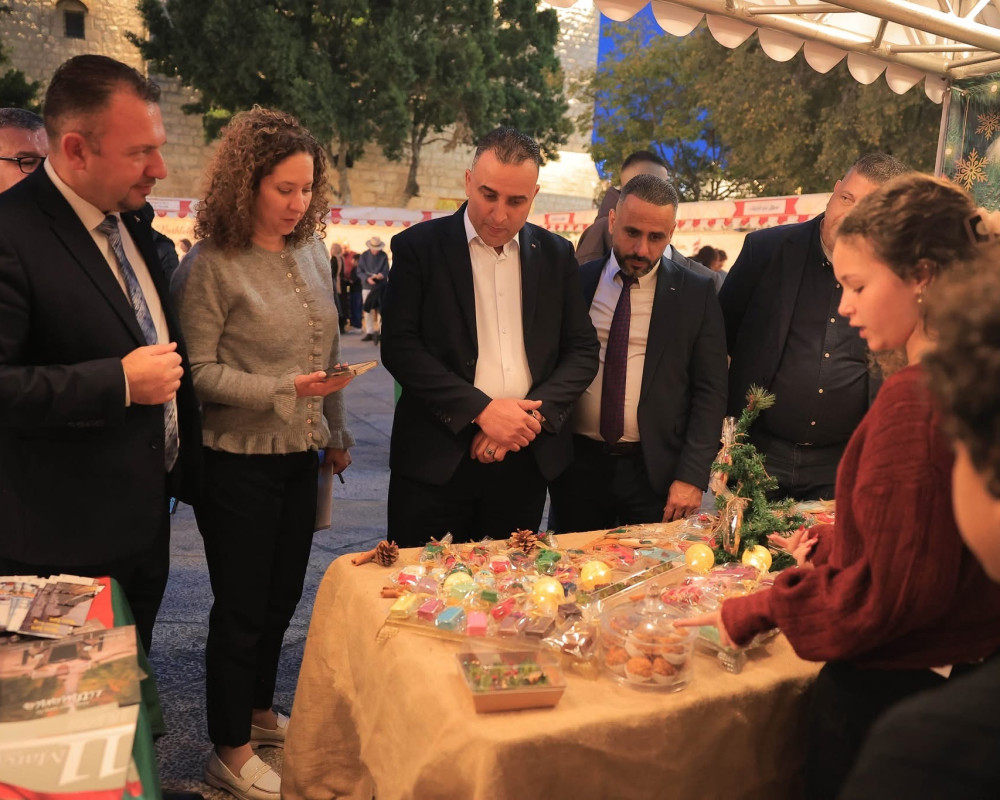
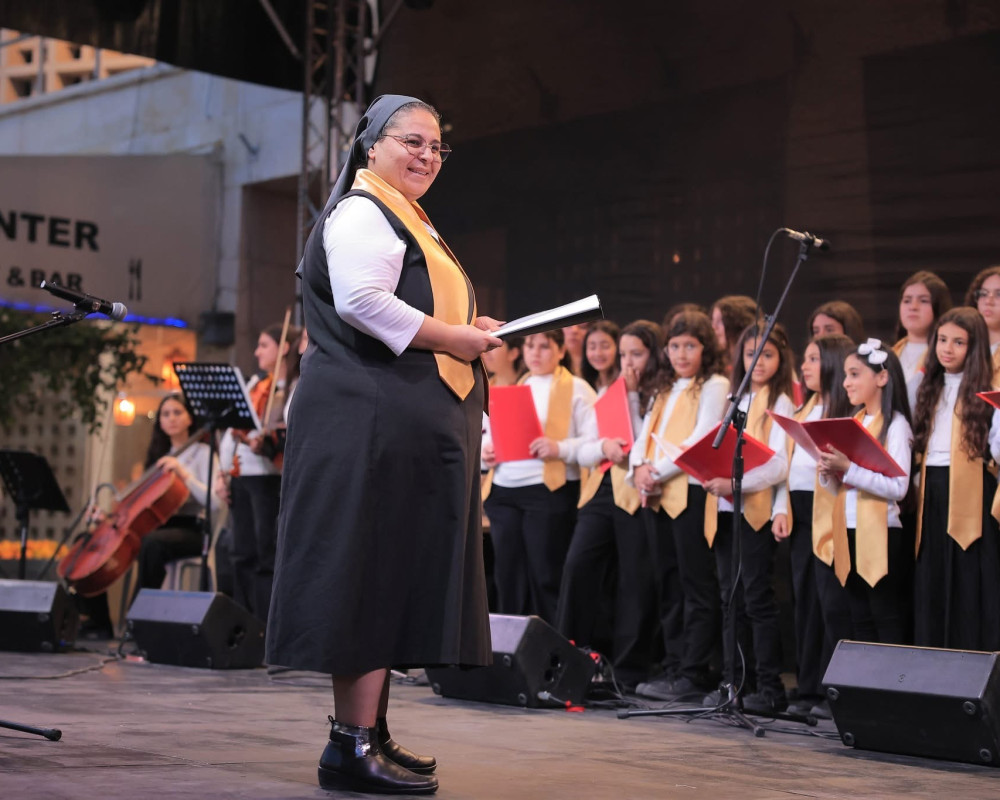
The opening featured musical performances and Christmas carols by the St. Joseph Children's Choir and the Bethlehem Music Academy, alongside a brass band performance by the Trumpets of Peace and a fire circus show by the Jerusalem Street Circus. The market also includes commercial stalls and entertainment activities for families and children.
Bethlehem Mayor Hanna Hanania said the city was beginning to regain its traditional Christmas atmosphere, with church bells ringing and festive carols returning to its streets and alleyways.
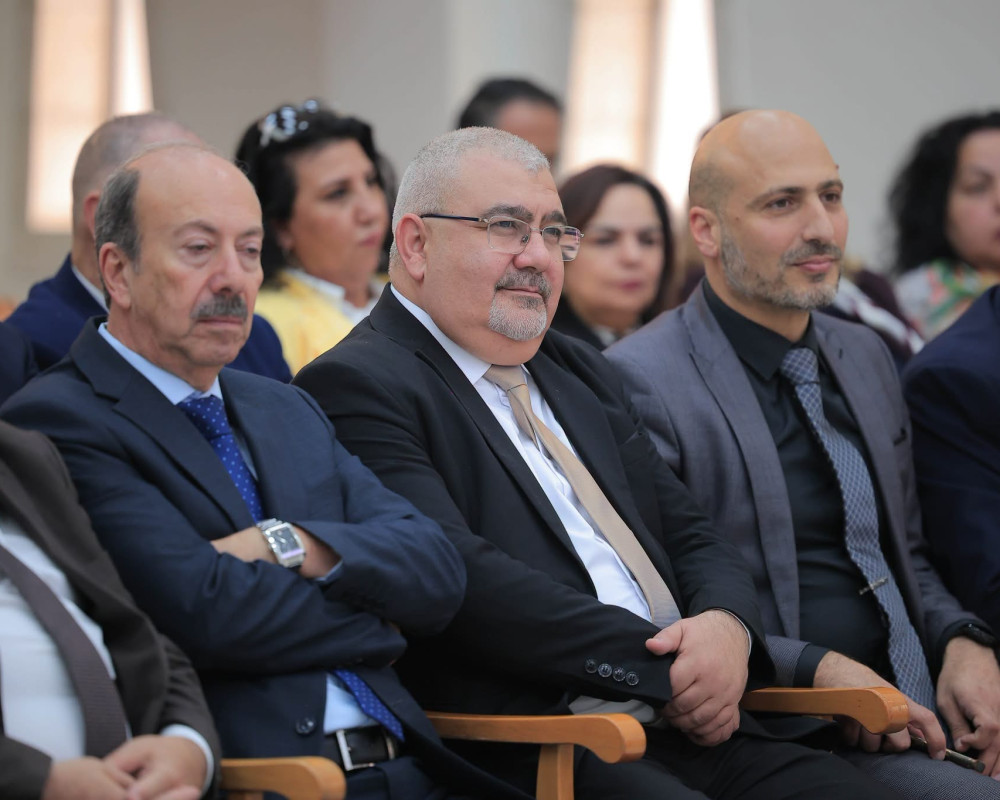
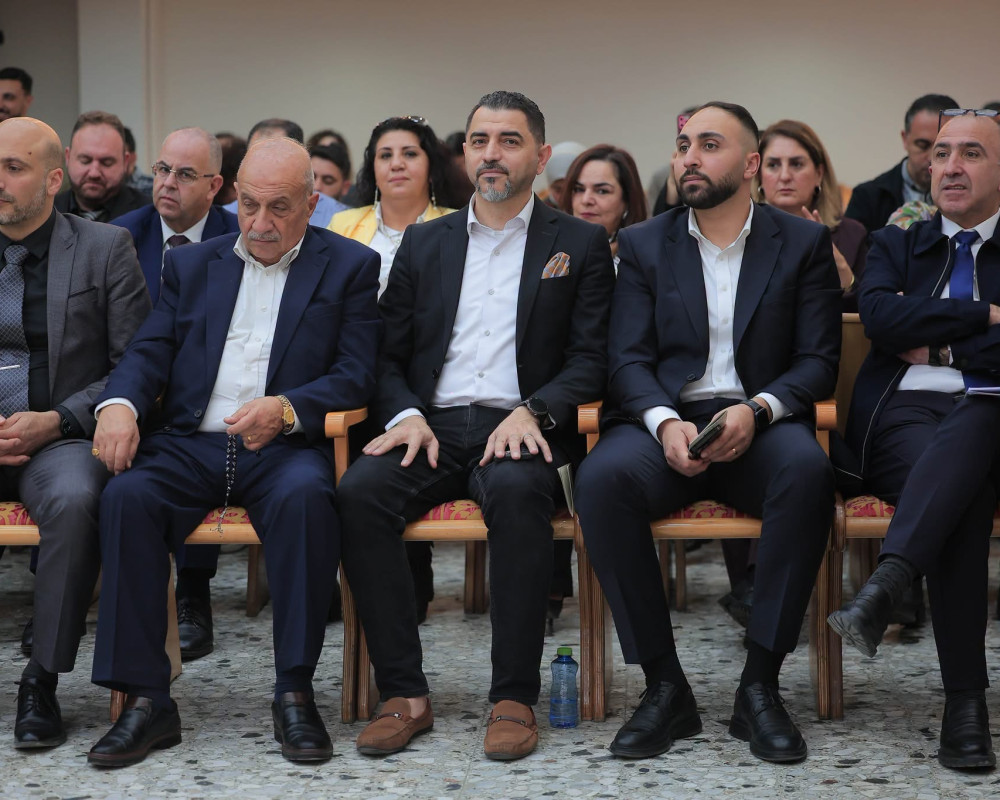
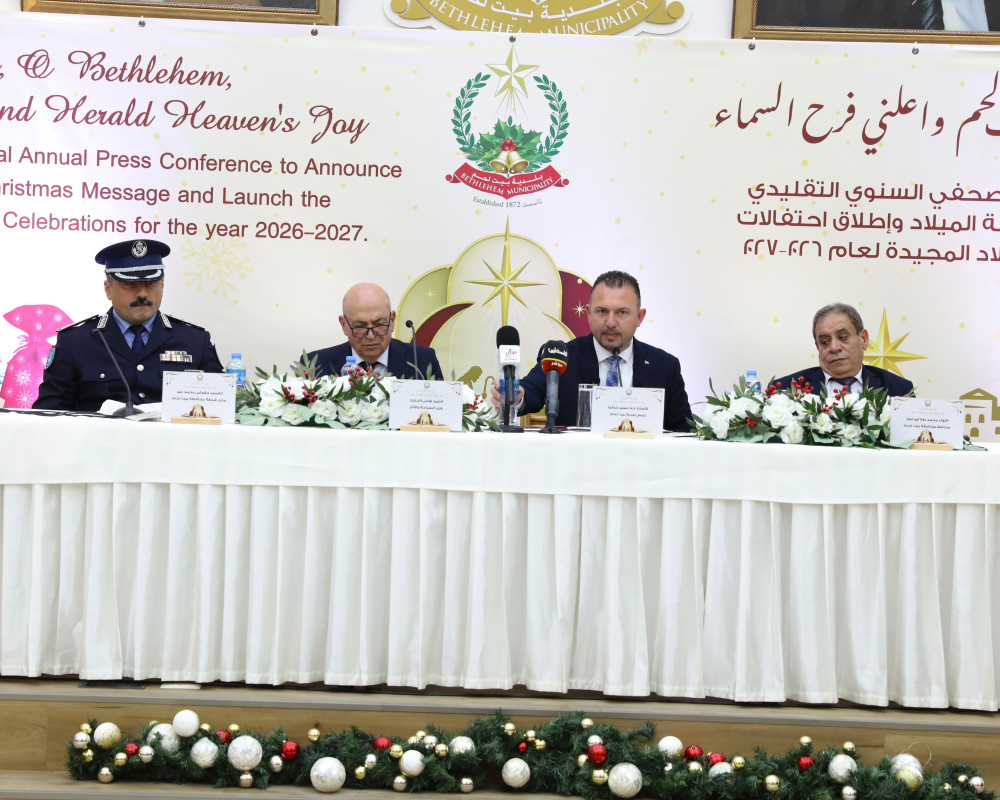
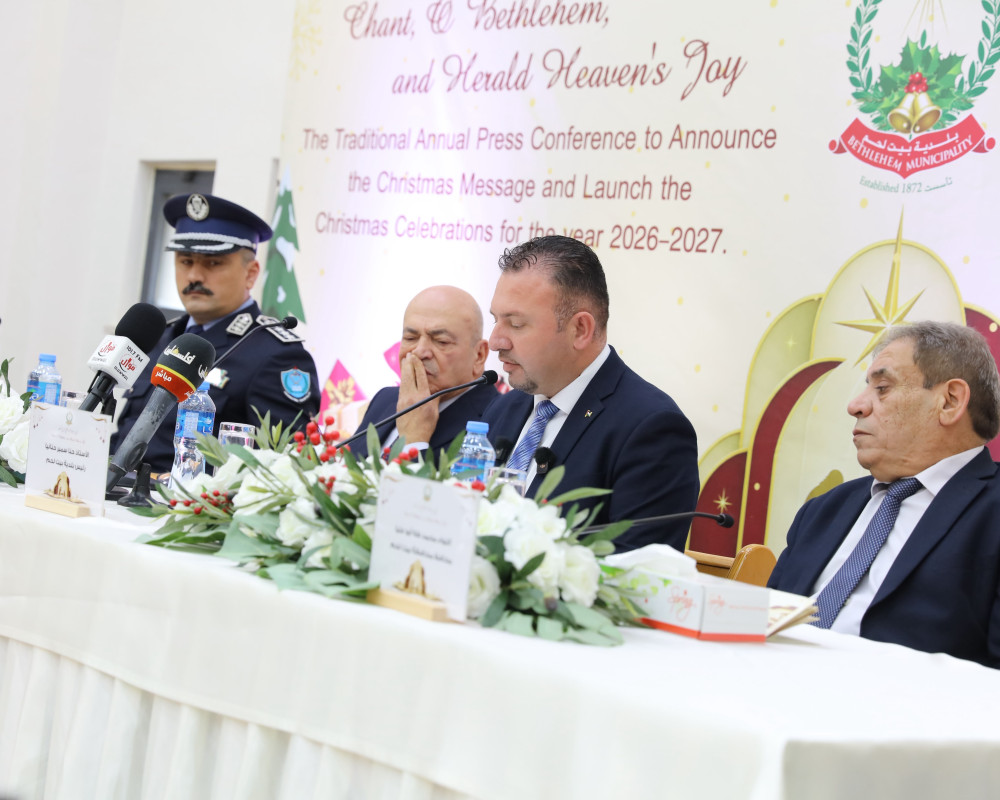
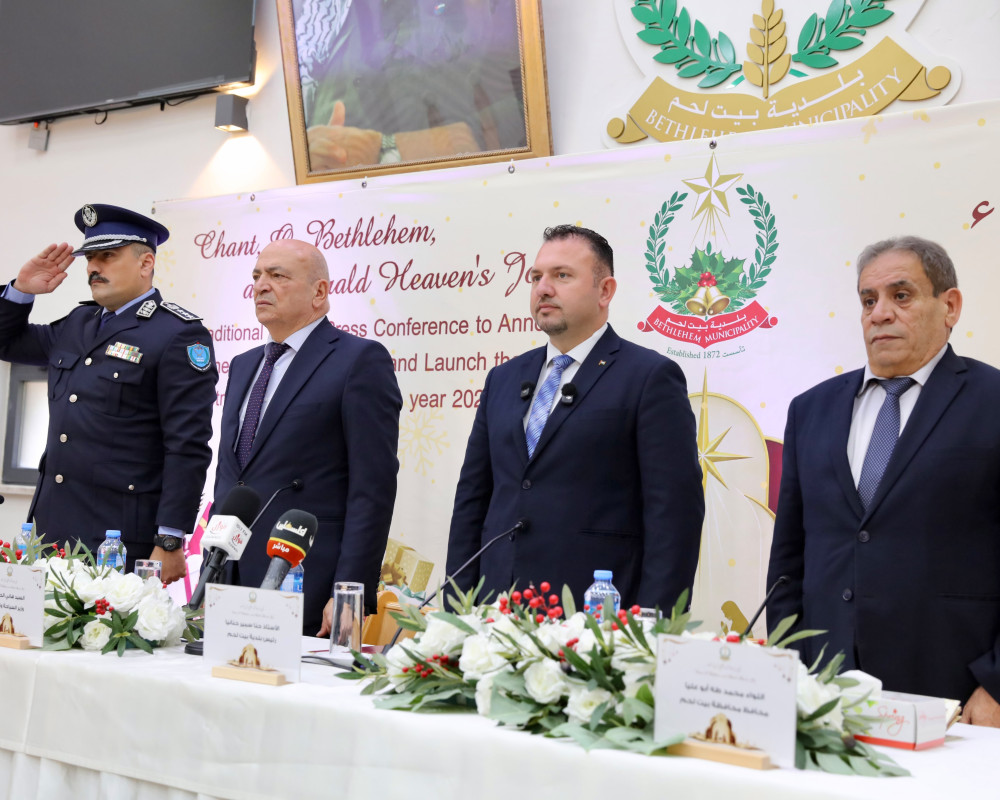
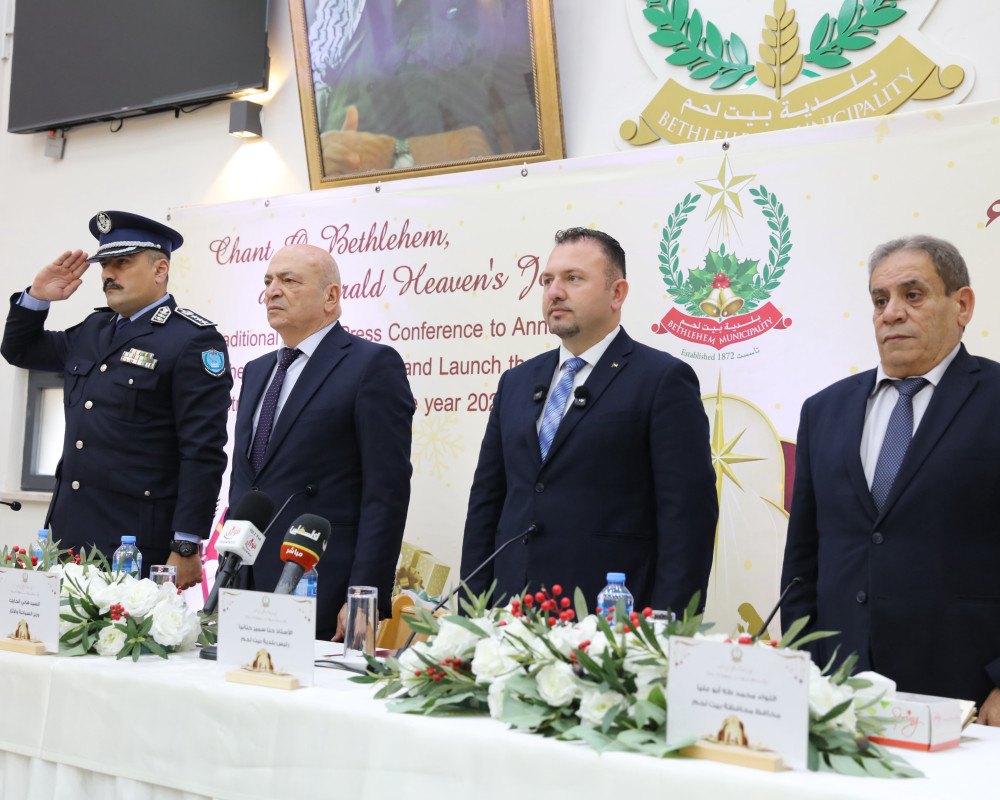
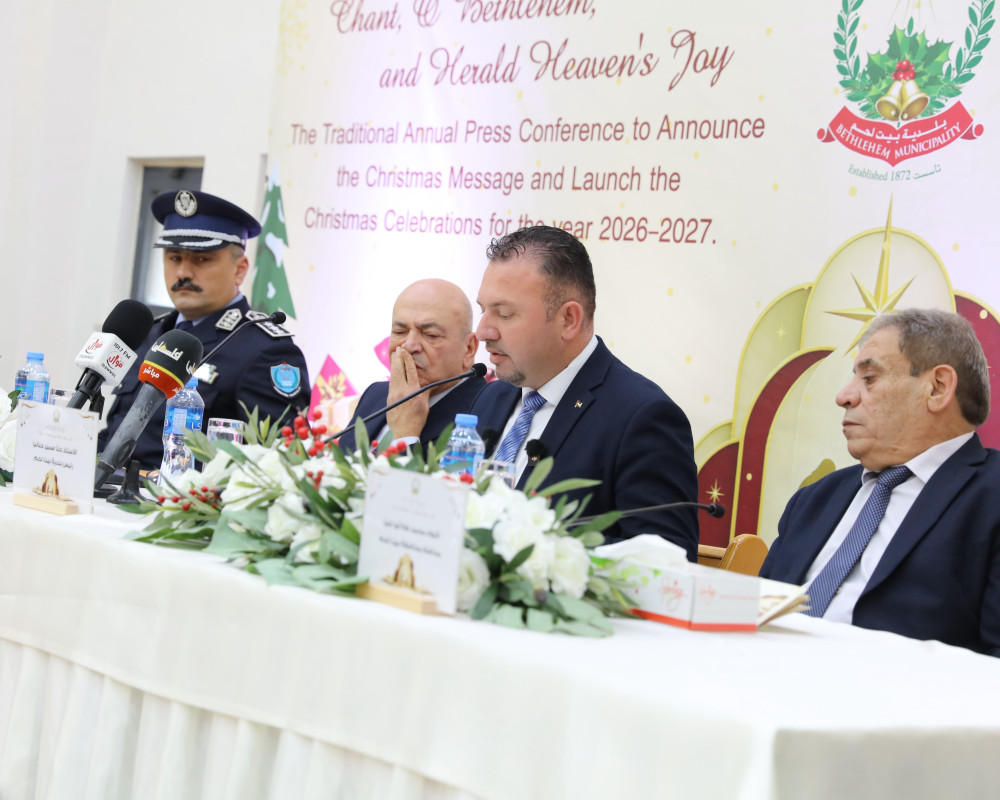
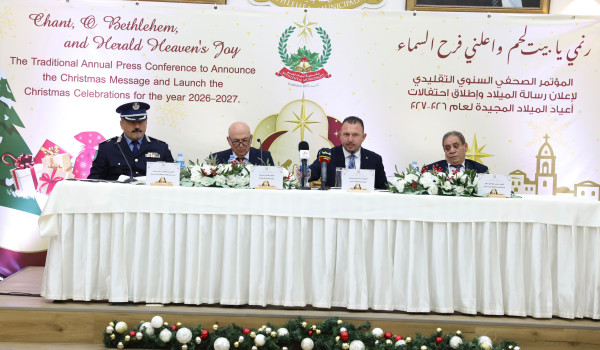
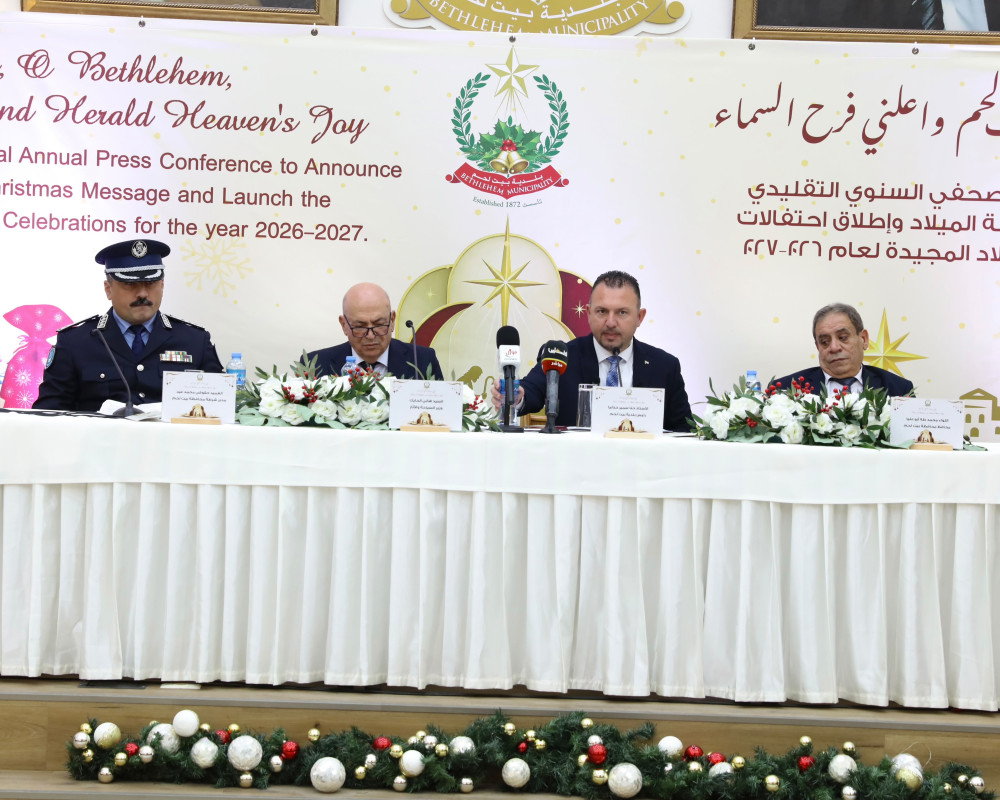
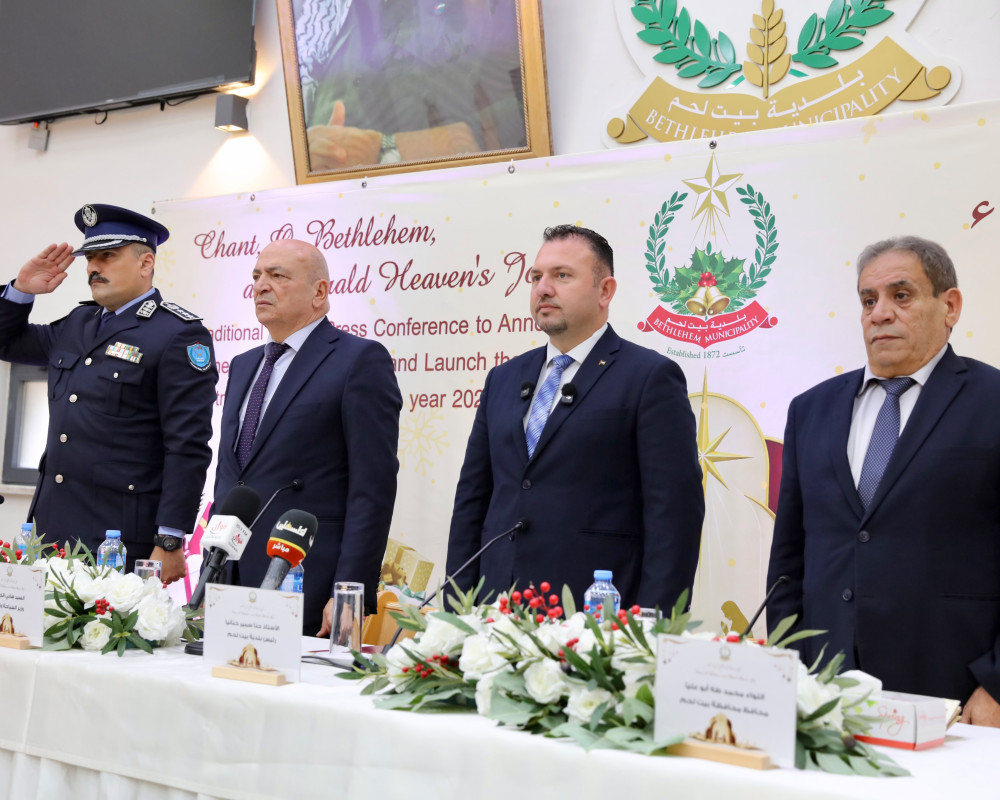
Speaking at the municipality's traditional news conference announcing Bethlehem's Christmas message, held under the theme "Sing, O Bethlehem, and Proclaim Heaven's Joy," Hanania said the city remained committed to the message of love and peace that emerged from its land more than 2,000 years ago, despite the suffering and challenges facing Palestinians.
He said the municipality hoped this year's celebrations would mark the beginning of a broader revival of the city, bringing life back to shops, hotels, guesthouses, handicraft workshops and family businesses.
Hanania said the Christmas market was more than a place for shopping and celebrations, describing it as an opportunity to support small businesses, artisans and local products while stimulating economic and tourism activity and bringing joy to children and families.
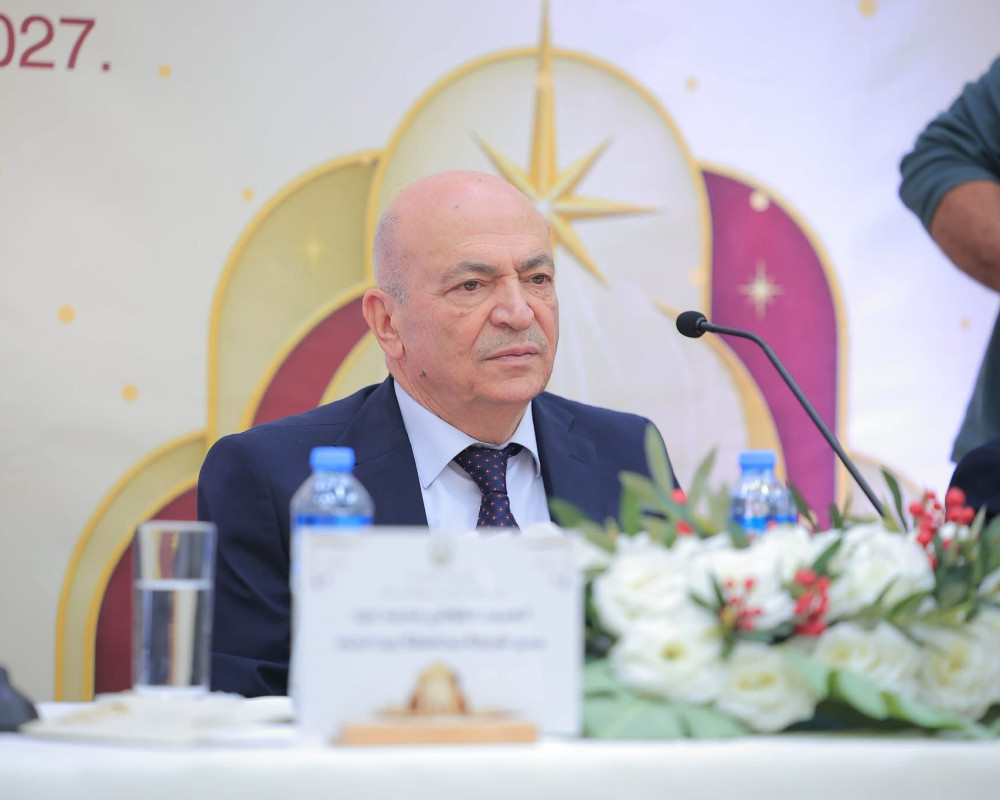
Tourism and Antiquities Minister Hani al-Hayek said Bethlehem was welcoming Christmas amid difficult political and economic conditions, with the Palestinian tourism sector facing exceptional challenges.
He said Bethlehem governorate had been particularly affected because its economy relies heavily on religious tourism, pilgrimages, hotels and related services.
Al-Hayek said the government was working to support the recovery of the tourism sector, address obstacles facing tourism workers and strengthen Palestine's presence on the international tourism map.
He called on pilgrims, tourists, churches around the world and travel companies to return to Palestine and visit Bethlehem, Jerusalem, Jericho and other Palestinian cities.
Visiting Palestine, particularly Bethlehem, was not merely a tourism trip or a visit to religious sites, he said, but also an expression of solidarity with Palestinians and direct support for thousands of families whose livelihoods depend on tourism.
Bethlehem Governor Mohammed Abu Alia said the Christmas celebrations carried a message of hope and resilience, demonstrating Palestinians' determination to remain on their land and their right to live in freedom, dignity and independence despite the challenges they face.
He also urged pilgrims and believers from around the world to visit Bethlehem and the Church of the Nativity, saying the city was safe and stable and its doors remained open to visitors.
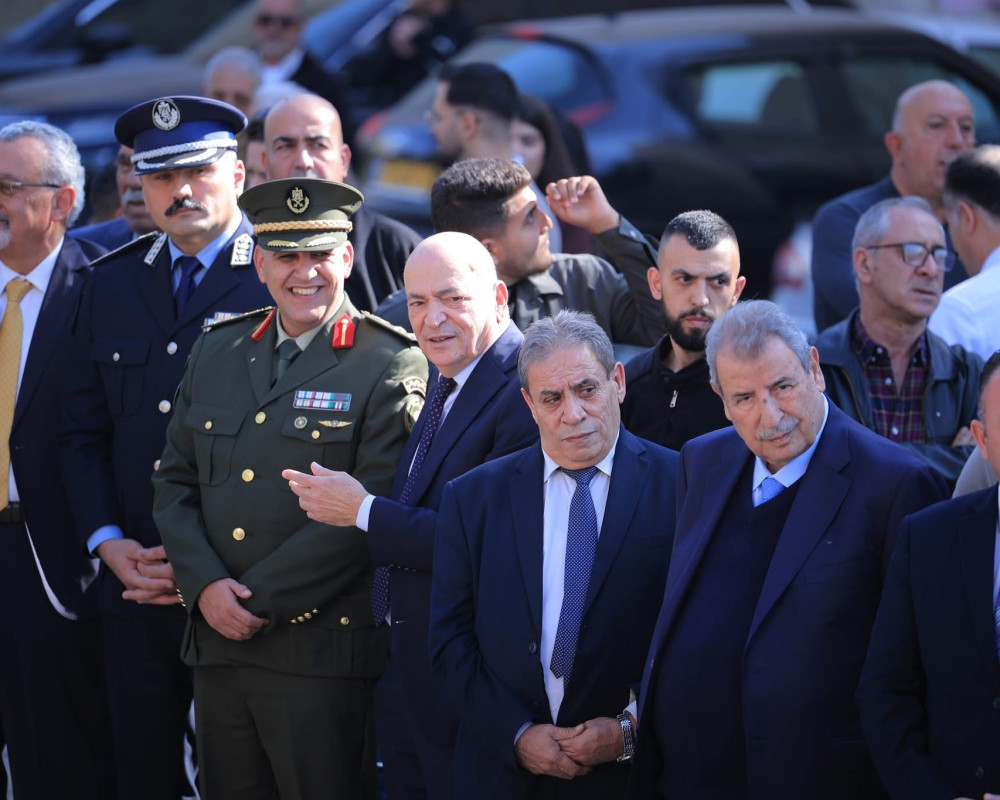
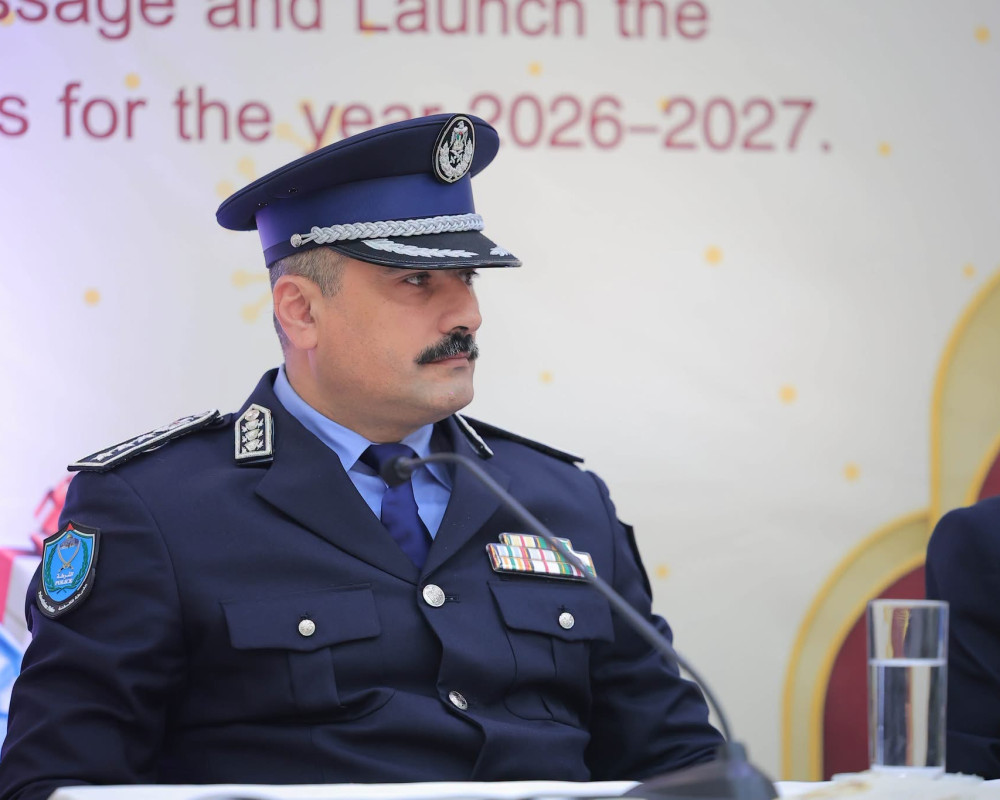
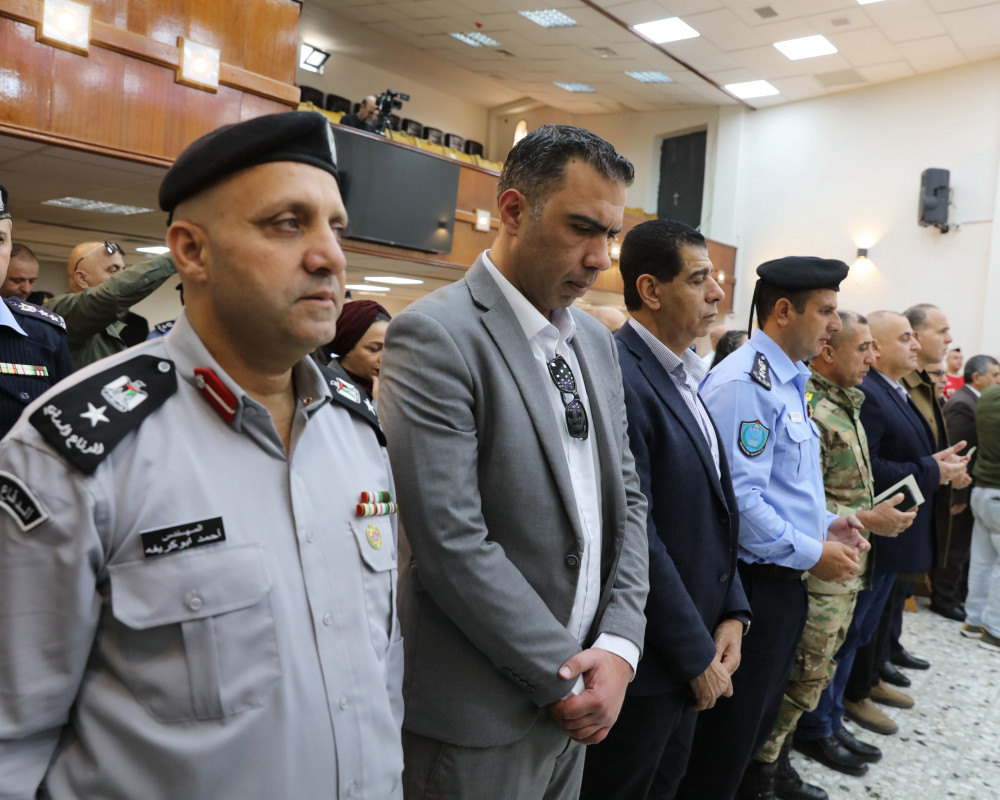
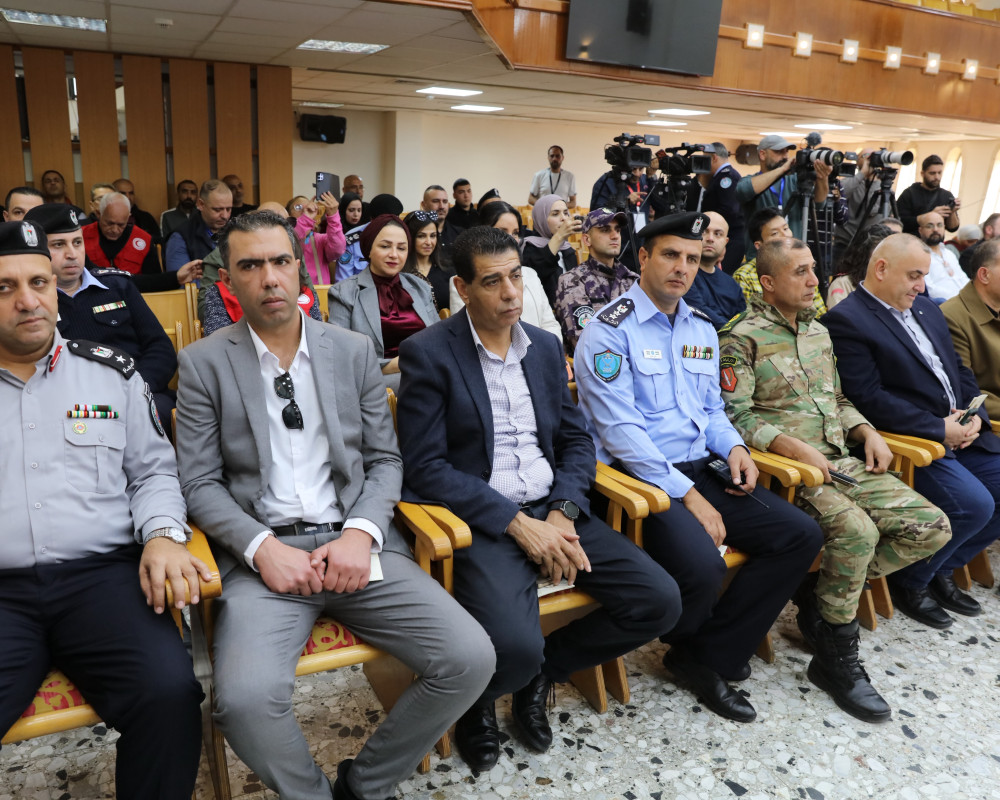
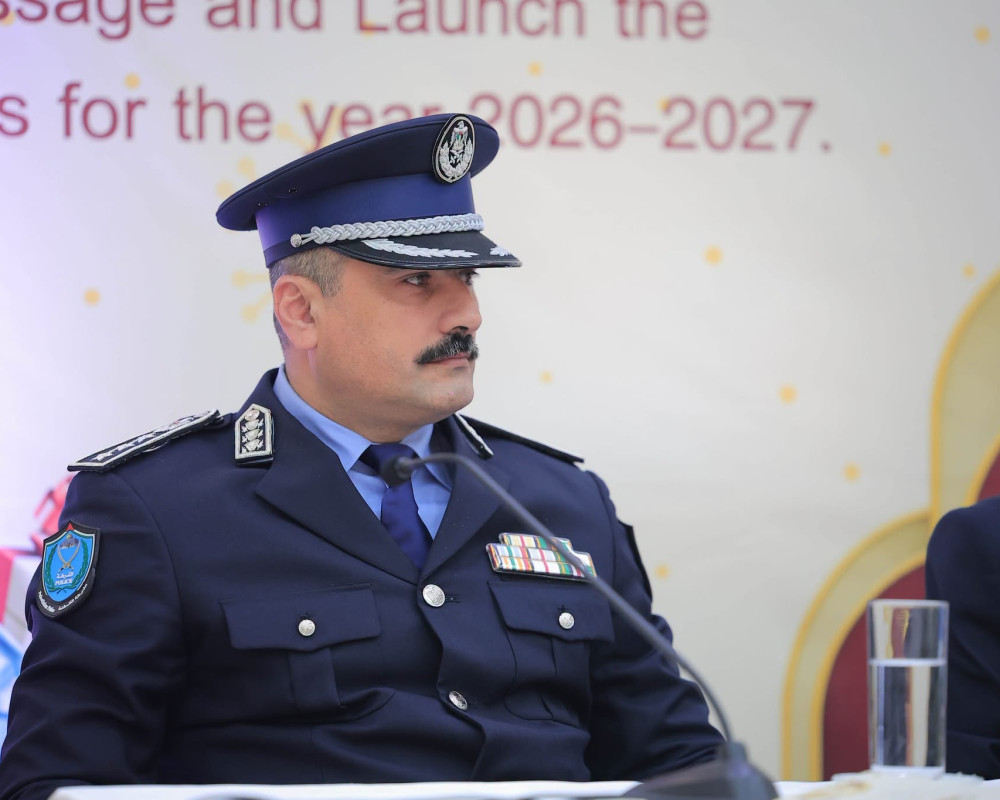
Meanwhile, Bethlehem police have completed security and traffic preparations for the Christmas celebrations, with more than 600 police officers assigned to the operation, according to Brig. Gen. Mohammed Eid, director general of police in the governorate.
Eid said the security and traffic plans for the Christmas tree lighting ceremony on Dec. 5 and Christmas Eve on Dec. 24 would include traffic diversions, temporary road closures and designated parking areas to ensure public safety and facilitate access to Manger Square.
This year's celebrations carry particular significance for Bethlehem, where tourism remains a major pillar of the local economy and a source of livelihood for thousands of families.
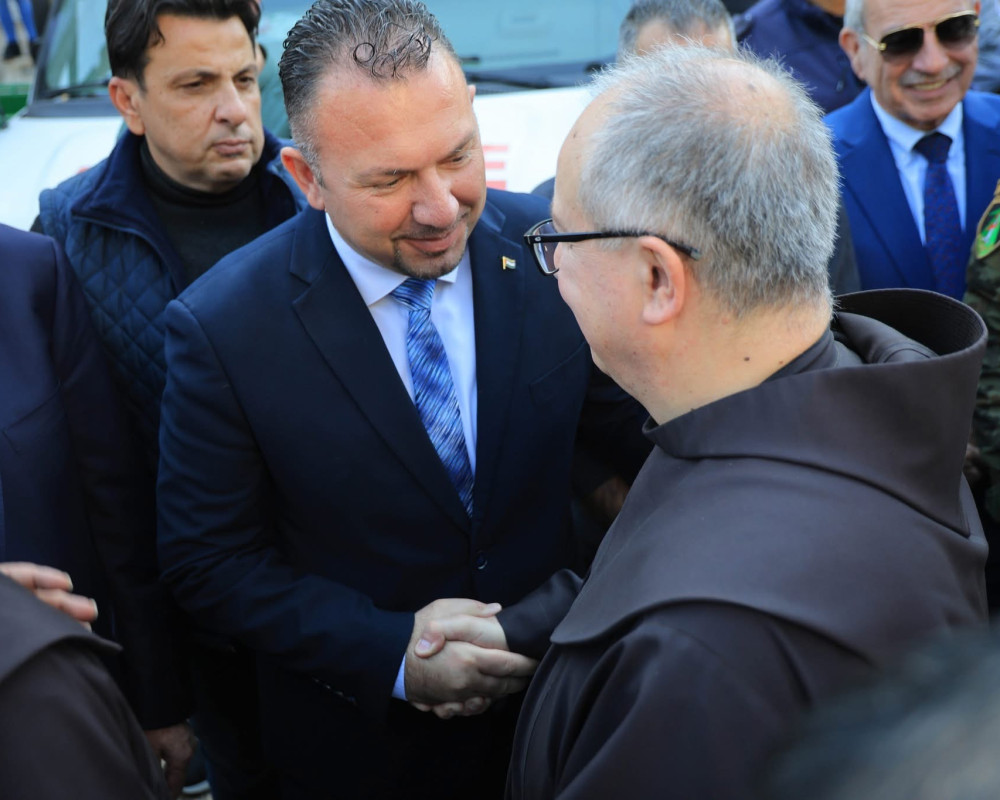
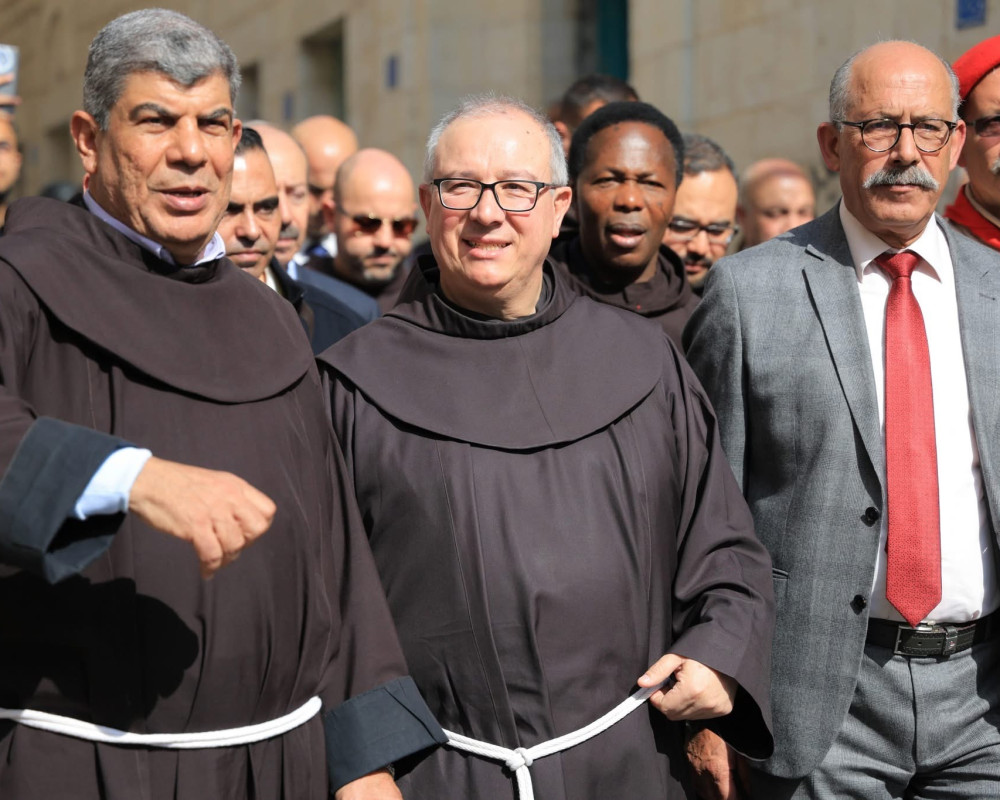
The Christmas celebrations also gained momentum on Saturday with the arrival in Bethlehem of the Custos of the Holy Land, the Rev. Francesco Ielpo, who traveled from Jerusalem to mark the beginning of the Christmas festivities and the feast of St. Catherine, which falls on Sunday.
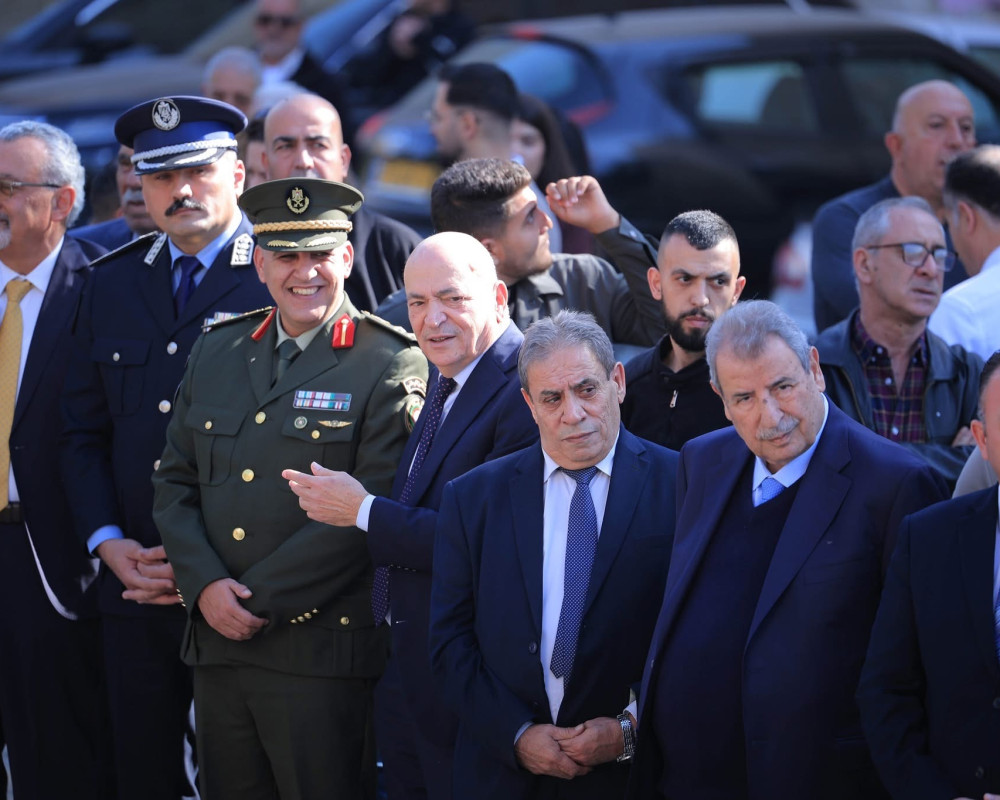
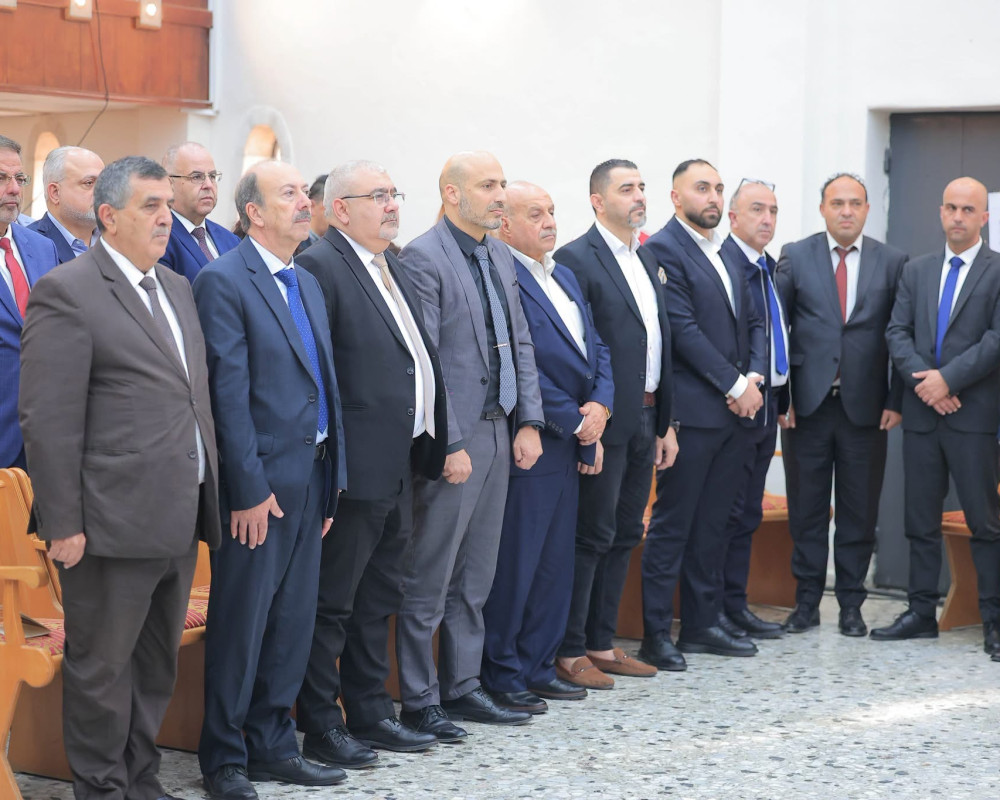
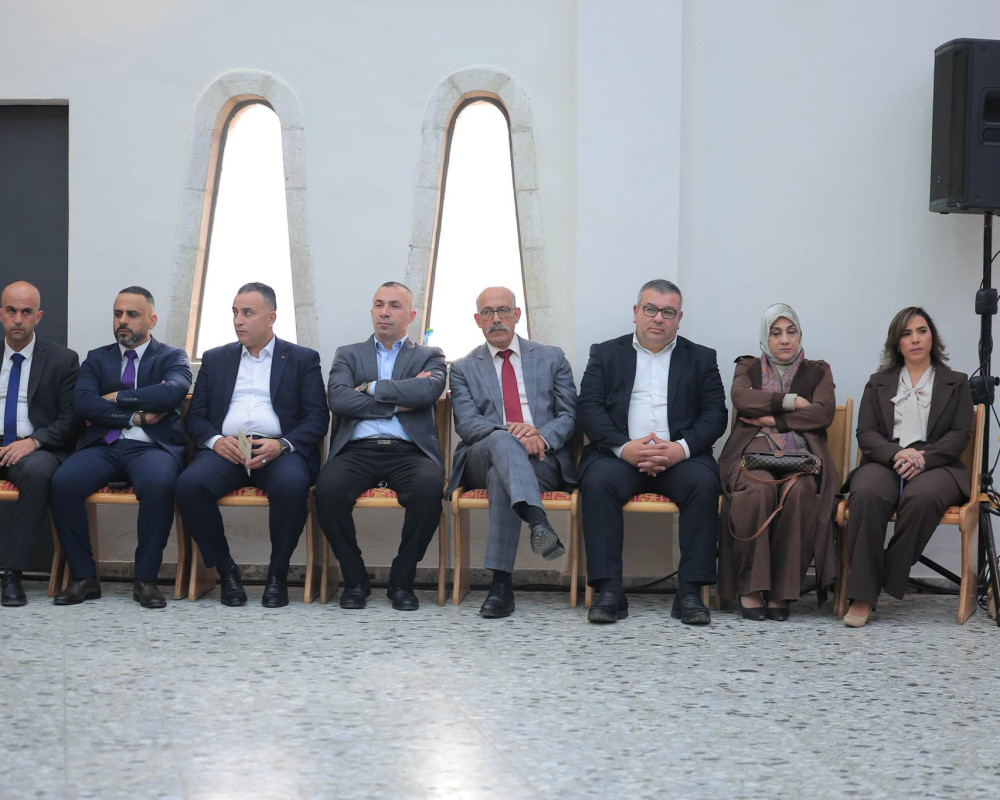
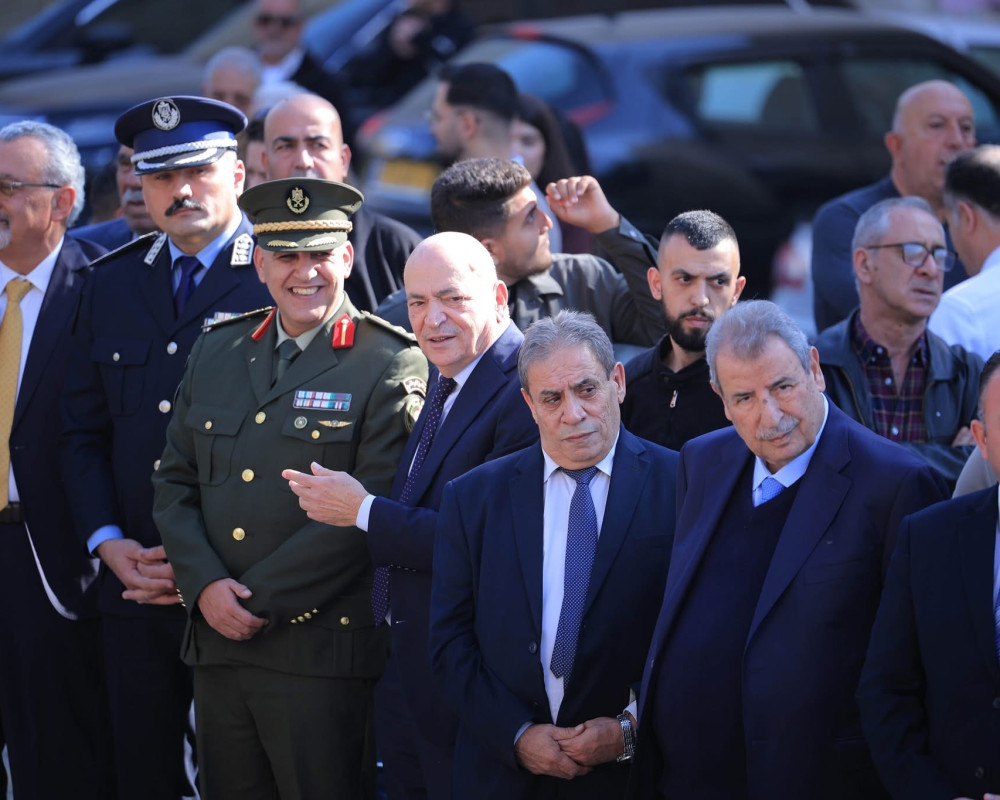
Ielpo's procession was welcomed with an official reception in the courtyard of the Church of the Nativity, attended by Ramzi Khoury, head of the Higher Presidential Committee for Church Affairs and a member of the Palestine Liberation Organization's Executive Committee; Tourism and Antiquities Minister Hani al-Hayek; Bethlehem Governor Mohammed Taha Abu Alia; Mayor Hanna Hanania; senior security officials; representatives of local institutions; and Franciscan friars.
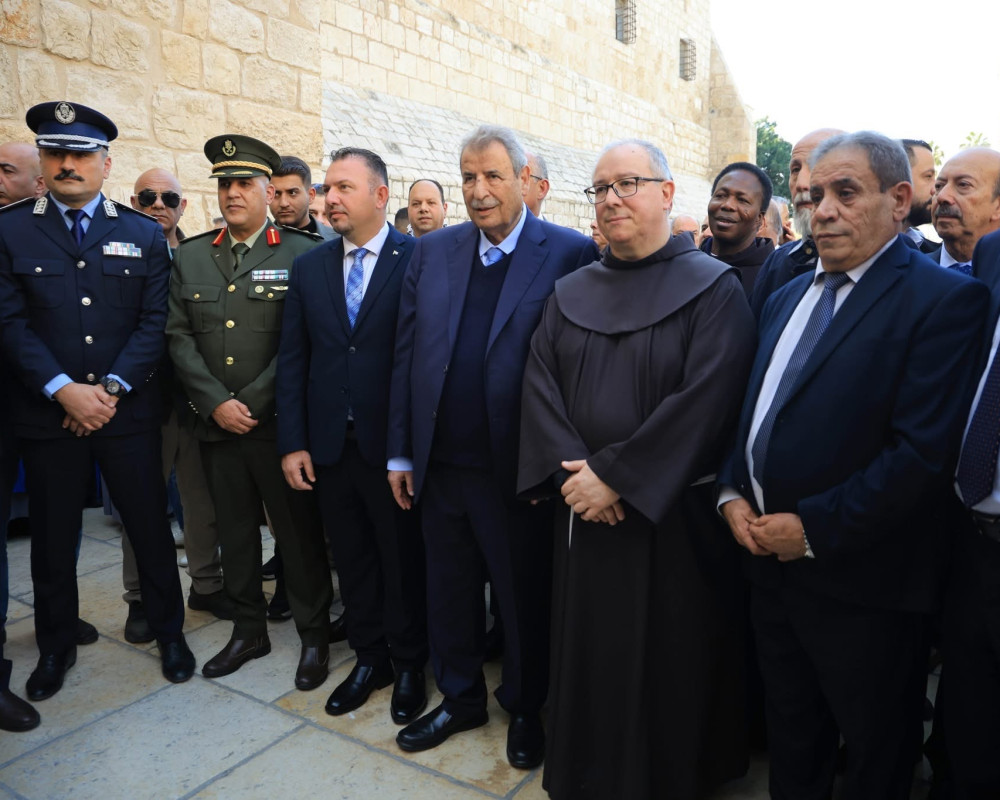
Following the reception, Ielpo and the accompanying delegation proceeded into the Church of the Nativity, where a special Mass was held. Children from the Sisters of St. Joseph and Terra Sancta schools also took part in welcoming the procession.
Ielpo said the occasion marked the beginning of Advent, the period of spiritual preparation for Christmas, particularly at a time of hardship in the region and around the world. He said the Nativity renewed faith and hope in the coming of Jesus Christ and called on Christians worldwide to return to the Holy Land, saying their presence would provide strength and hope to its people.
Khoury conveyed greetings from Palestinian President Mahmoud Abbas and expressed his wishes that Christmas would bring a message of peace, love and hope. He highlighted Bethlehem's enduring place in the Christian world's collective memory as the birthplace of Jesus, describing the city as carrying deep religious, humanitarian and national significance.
He also stressed the importance of preserving the Christian presence in Palestine, protecting holy sites and supporting the resilience of Bethlehem's residents and institutions to ensure that the city's message continues to reach the world.
The parish priest of St. Catherine's Church, the Rev. Rafael Teym, said this year's Christmas celebrations came after years marked by pain and suffering, recalling the hardships, fear and cold surrounding the circumstances of the first Nativity.
Bethlehem Governor Abu Alia said the city served as a platform for conveying the Palestinian people's message to the world and affirming their right to freedom, independence and statehood, with East Jerusalem as its capital, in accordance with internationally recognized rights.
He said Palestinians living under Israeli occupation for more than six decades were capable of governing themselves and achieving security and stability, adding that Bethlehem remained a safe and stable city.
Hanania said Christmas in Bethlehem carried profound spiritual and humanitarian significance, as the message of peace first emerged from the city and continued to inspire calls to uphold human dignity and the rights to life, freedom and security.
Despite the challenges facing the city, he said, Bethlehem would continue to uphold its spiritual and humanitarian mission as a city of faith and hope, welcoming the world and calling for a Christmas that brings genuine peace to Palestinians and people everywhere.
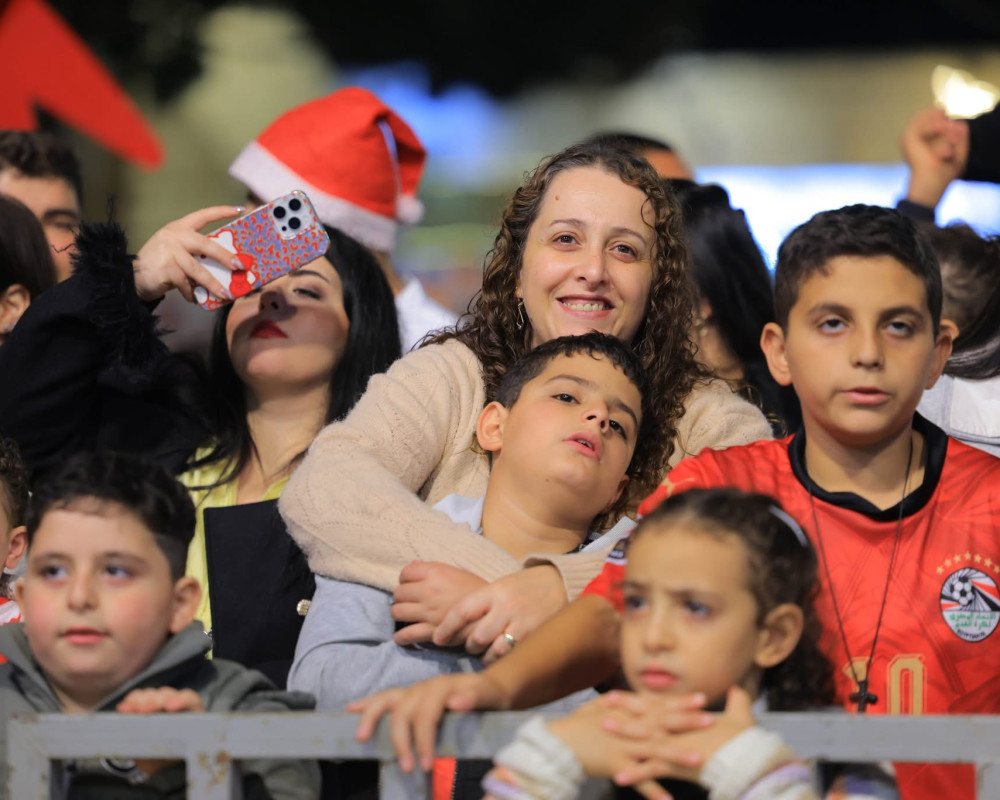
While Christmas decorations and public festivities are bringing renewed color to the city's streets, the continued movement restrictions remain a major obstacle to restoring commercial activity and attracting international visitors.
Bethlehem hopes the holiday season will help reconnect the city with the outside world and encourage pilgrims and tourists to return, offering residents and local businesses an opportunity to recover some of the economic activity and everyday life lost during the war.