GAZA CITY
For Basel Abu al-Enein, a lung cancer patient stranded in the Gaza Strip, the passage of time is measured not in hours, but in the rapid deterioration of his failing health. Before the outbreak of war, Abu al-Enein was receiving regular specialized oncology treatments at the Palestinian-Turkish Friendship Hospital. Today, with the facility crippled and severe border closures cutting off crucial medical evacuations, he watches his life slip away in a blockaded enclave devoid of basic chemotherapy drugs.
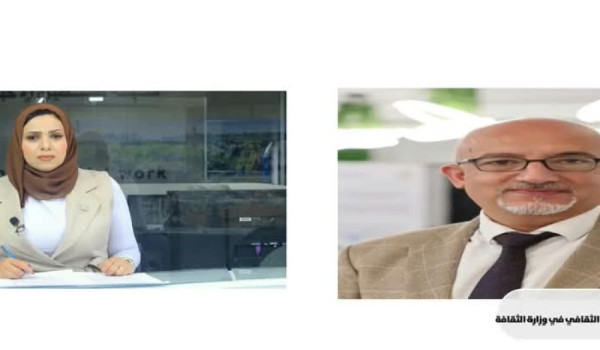
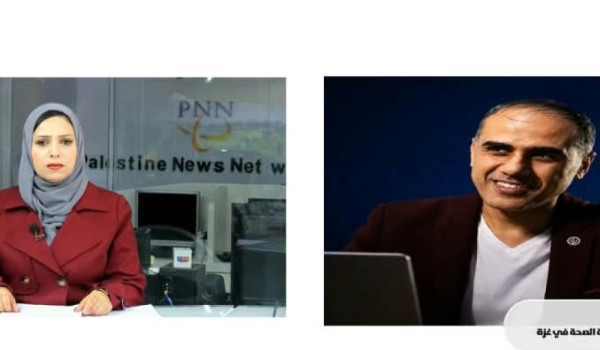
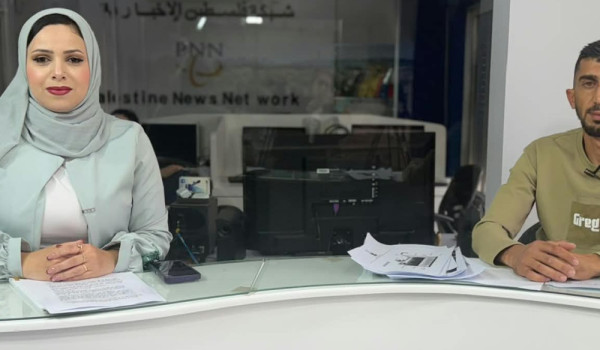
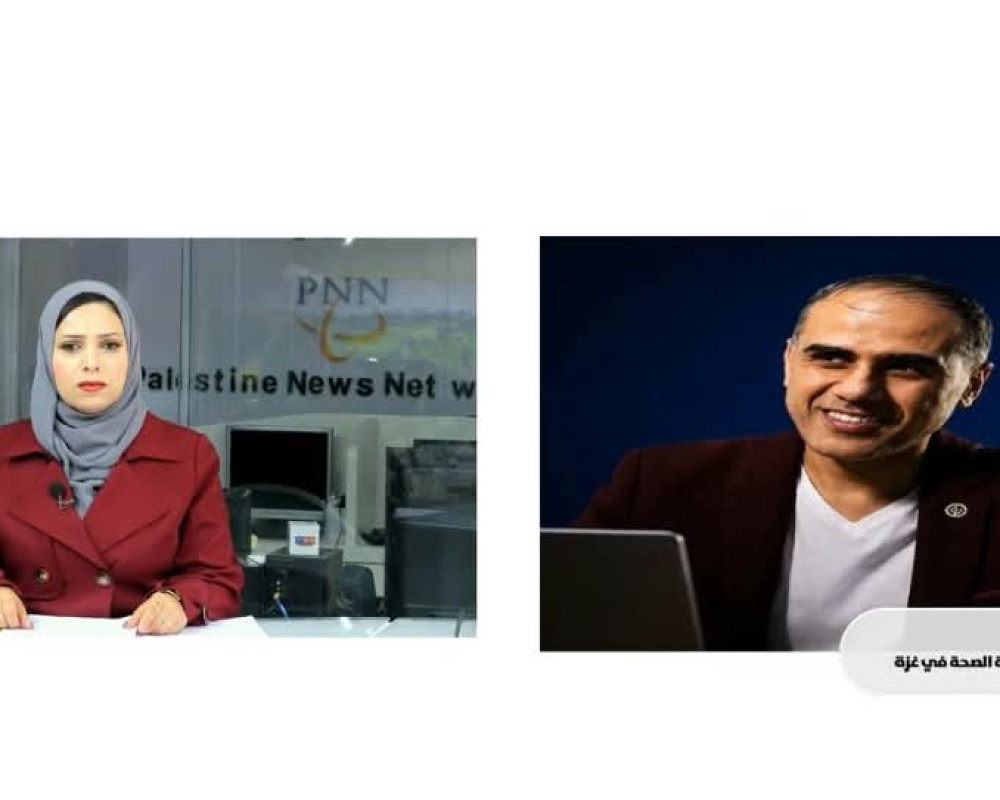
Abu al-Enein’s agonizing wait is a microscopic glimpse into a sweeping public health and ecological breakdown expanding across the Gaza Strip. The structural mechanics of this collapse were recently brought to light on "Al-Makshouf" , a current affairs program broadcast by the Palestine News Network (PNN) and hosted by journalist Sara Rizk. The episode exposed the devastating humanitarian toll of border blockades that systematically bar entry to vital medications and leave thousands facing toxic waste accumulation.
Gaza's Ministry of Health spokesperson, Zaher Al-Wahidi, detailed the systematic destruction of the medical sector via phone interview, noting that only 19 out of Gaza's 38 pre-war hospitals remain partially operational, offering heavily limited emergency care. According to ministry figures, the general drug deficit has soared to 45%, while shortages in basic medical consumables exceed 56%. Crucially, Al-Wahidi stated that over 21,000 patients require immediate external medical evacuation, including more than 2,800 oncological patients whose survival depends on specialized care unavailable inside Gaza.
Dr. Mustafa Misbah, head of the chemotherapy unit at the Gaza Cancer Center, warned that irregular access to specialized immune and targeted therapies is directly shrinking survival rates. "Interrupted treatment strictly reverses any clinical progress," Misbah noted, demanding an immediate global intervention to establish stable medical corridors.
Compounding the crisis is a slow-motion environmental catastrophe outside the hospital walls. Displaced families living in sprawling tent cities have been forced to pitch shelters adjacent to massive, uncollected solid waste dumps. Displaced mothers interviewed described an epidemic of severe skin diseases among their children, combined with a total absence of dermatological treatments.
Dr. Abd al-Rahman al-Tamimi, director general of the Palestinian Hydrologists Group, warned via phone call that this toxic accumulation is severely contaminating subterranean groundwater tables and coastal soil systems, dealing a long-term blow to local water and food security. With municipal garbage trucks destroyed, fuel lines cut, and entry to central landfills blocked by military blockades, local councils are powerless to manage the refuse. Al-Tamimi urged international entities to deploy heavy sanitary machinery and reconstruct fundamental water infrastructure before widespread epidemics become irreversible.