HEBRON, West Bank /PNN/
In Hebron, where grape growing has been passed down through generations, harvest season brings more than baskets of freshly picked fruit. It also marks the time when grapes are transformed into traditional Palestinian foods that preserve the taste of the land and the memories of those who have worked it for generations.
At the Dura Cooperative Food Processing Association, women are turning surplus grapes into products that can be stored and enjoyed throughout the year. Their work brings together the preservation of Palestinian culinary heritage, support for local farmers and the creation of employment opportunities for women.
Huda Suleiman Shdeid, head of the Dura Cooperative Food Processing Association, said the group takes advantage of the grape harvest to process fruit left over from local consumption and preserve it for use in other seasons.
The association produces around seven grape-based products, including dibs, a traditional grape molasses; grape preserve known as anabiyyeh; fruit leather, vinegar, mashadd and preserved grape leaves.
Shdeid said the products hold significance beyond their nutritional value, forming an integral part of Palestinian heritage and identity. The grapevine, she said, is closely tied to the land, the farmer and local traditions. Processing the harvest also encourages farmers to continue working their land, helping sustain agriculture and protect it for future generations.
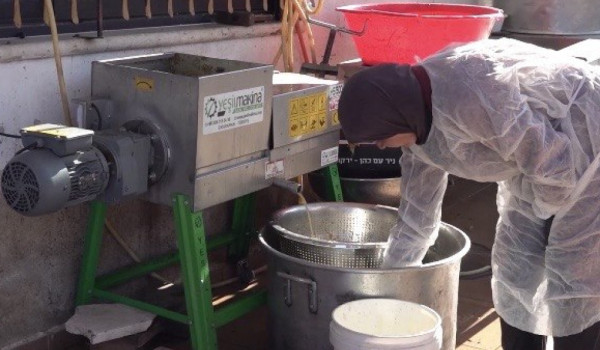
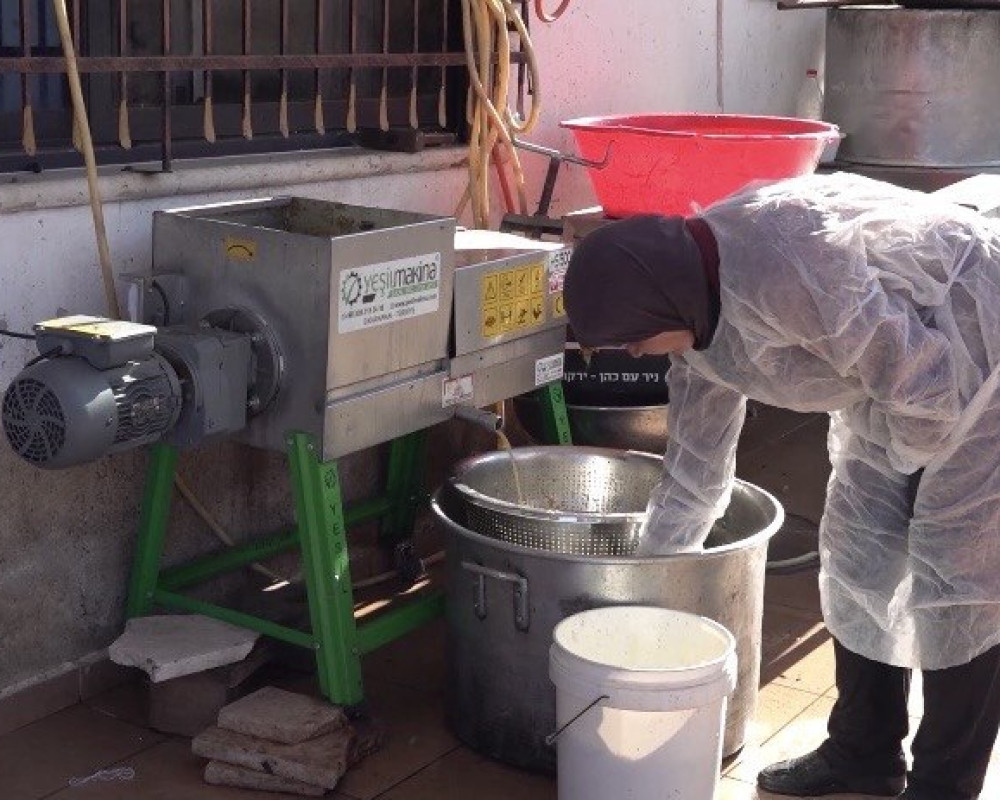
The association has gradually modernised its production methods, moving from labour-intensive traditional techniques to using machinery to crush grapes, extract juice and carry out cooking and processing.
The changes have made the work easier and improved production, Shdeid said, while allowing the association to preserve the authenticity and quality of its products.
She added that the group seeks to keep pace with developments in food processing without abandoning the traditional foods that continue to hold a special place in Palestinian households. Grape products remain an important part of the culinary heritage the association is determined to preserve and pass on.
22 food products and more than seven tonnes a year
Bisan Nassar, a member of the association, said it produces around 22 types of food, with annual output exceeding seven tonnes. The products are sold in local markets.
Dibs and anabiyyeh are among the association’s most popular products, Nassar said. Its range also includes jams, fruit leather, raisins, mashadd, khabisa and other traditional foods prepared according to the season and the availability of raw ingredients.
Dibs, or grape molasses, attracts strong demand because of its place in Palestinian food traditions, including as part of breakfast and other meals. The association’s different varieties of anabiyyeh are also popular with consumers for their distinctive taste and traditional character.
To reach more customers, the association sells its products through local outlets and shops, its official social media page and a network of traders it has met at exhibitions and other events.
Nassar said the association takes part in exhibitions and markets that allow it to introduce its products to a wider audience. These include the weekly Al-Omari market, held on Saturdays, where two women from the association display and sell traditional foods directly to the public.
Creating jobs and opportunities for women
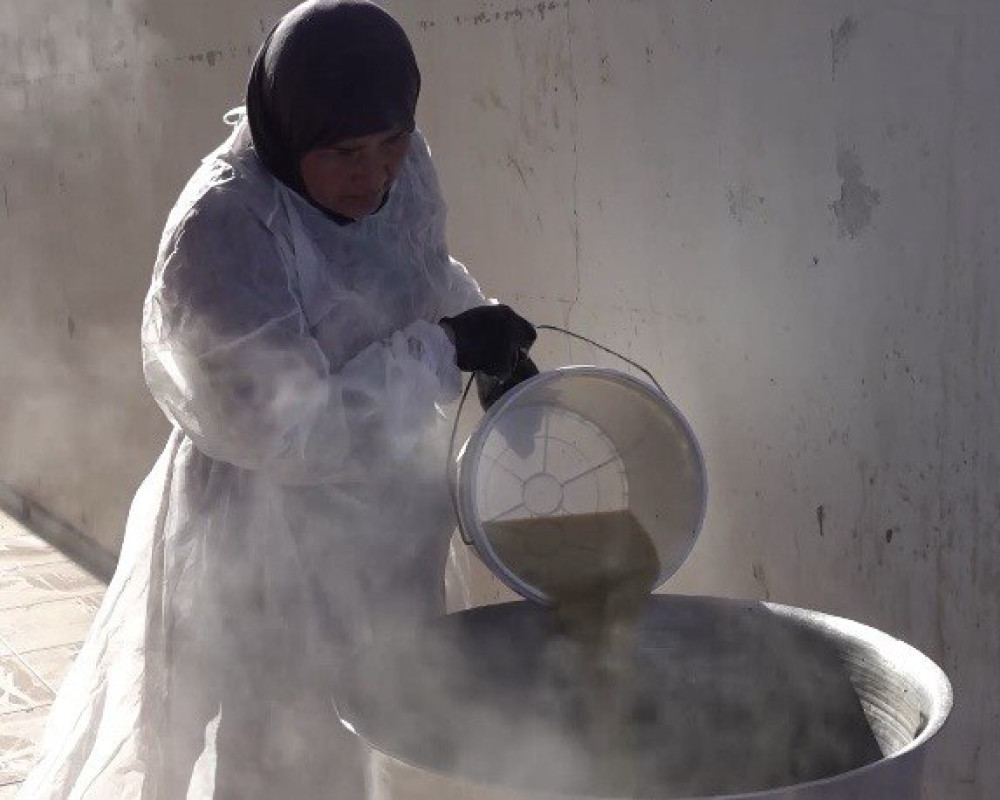
Providing employment for women was one of the association’s main goals from the outset, Nassar said.
Some members were homemakers with family responsibilities, while others were university students. For them, the association has created an opportunity to take part in production and earn income to help support themselves and their families.
Staffing needs vary depending on the season and the amount of grapes available. During the processing season, the association employs around 10 to 15 women in its kitchen, creating seasonal jobs while strengthening women’s role in local food production.
The work involves more than preparing and selling products. Women also exchange knowledge and experience, developing their skills in making traditional foods and helping improve the quality of production as the association seeks to expand its activities.
Passing traditions on to a new generation
Preserving traditional foods also means ensuring that the knowledge behind them is not lost, Nassar said.
Association members regularly discuss ways to attract young women and train them in traditional processing techniques, with the aim of keeping these skills alive and passing them on to future generations.
Encouraging younger women to take part can be challenging, she said, as their interests and career ambitions may differ from those of previous generations. The association is therefore looking for ways to inspire them to learn these skills and use them in productive work.
Nassar stressed that traditional foods deserve a place in Palestinian markets and homes not merely as familiar dishes, but as part of the community’s collective memory and cultural identity. They can also help strengthen the local economy and provide women with a source of income.
The experience of the Dura Cooperative Food Processing Association shows how local agricultural produce can be turned into higher-value goods by connecting farming with processing and marketing. By making use of surplus grapes, the women are helping farmers, creating employment opportunities for their peers and keeping alive one of Hebron’s best-known food traditions.
This video was produced as part of the Media Support in Times of Crisis project, supported by the Palestinian Network and implemented in cooperation with Palestine Journalism Hub.