BETHLEHEM, West Bank / PNN /
Palestinian entrepreneurs are finding new ways to turn traditional culture and modern technology into business opportunities, but limited market access, high production costs and gaps in business support continue to make it difficult to turn creative ideas into sustainable enterprises.
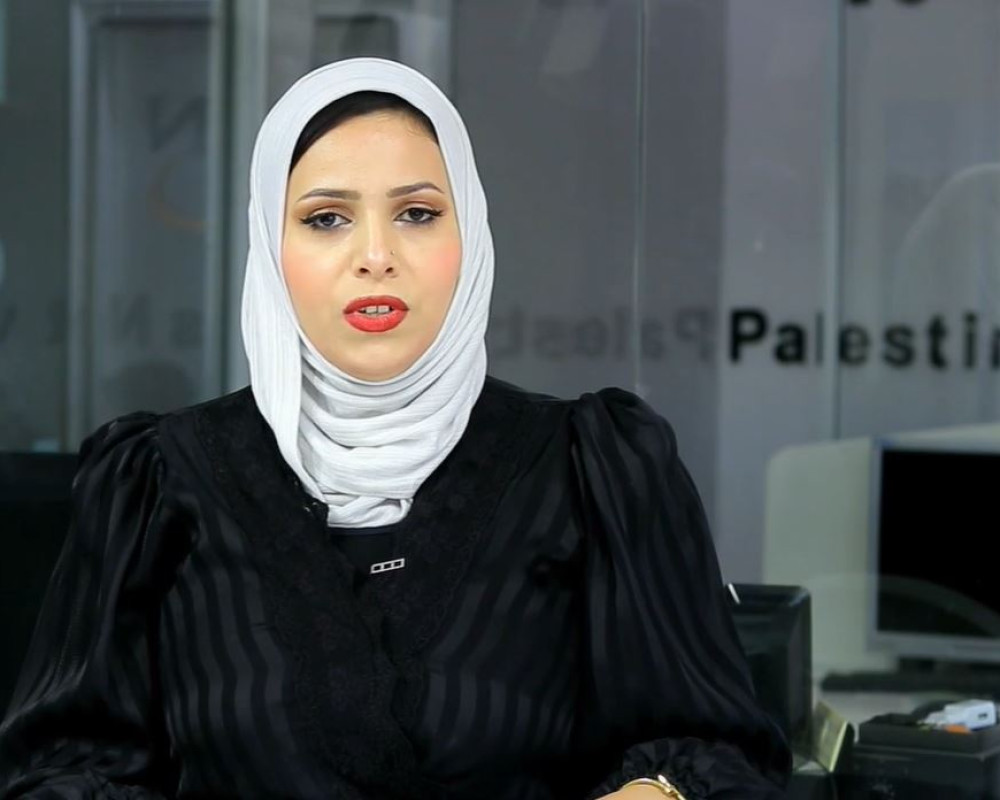
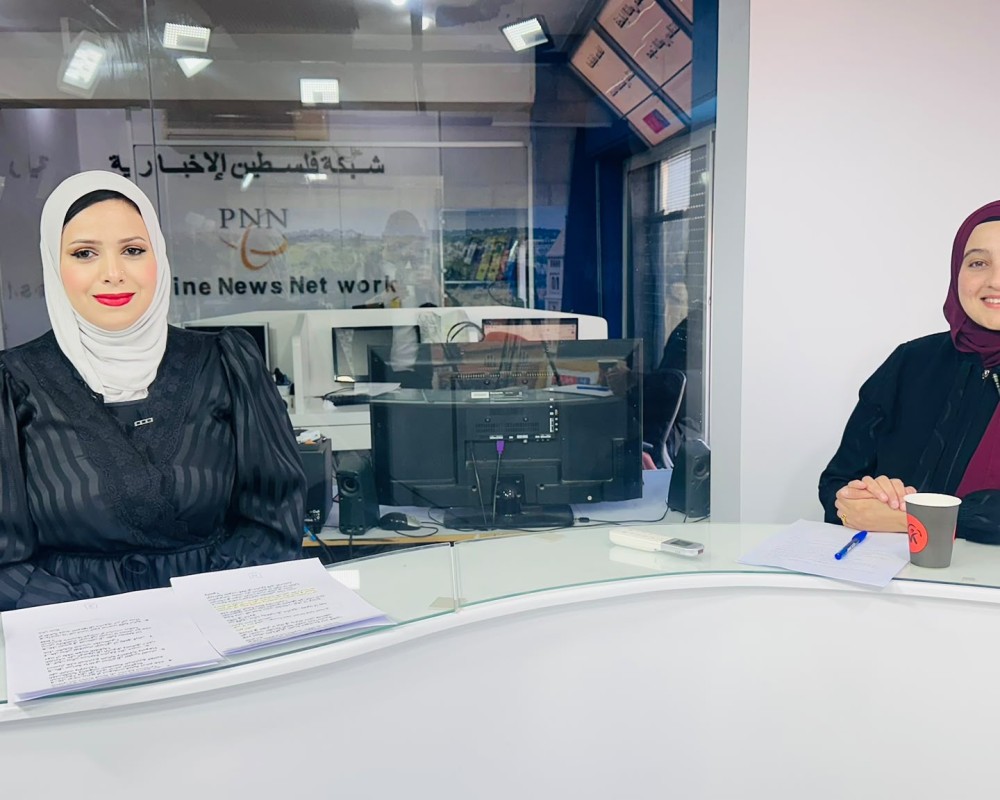
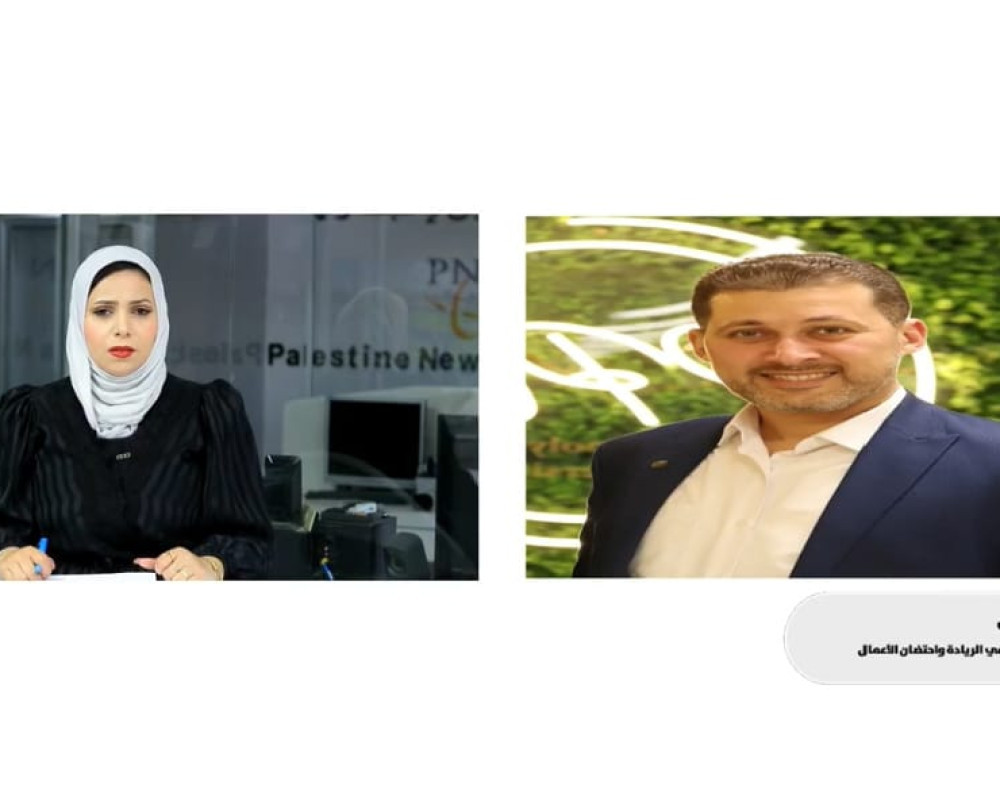
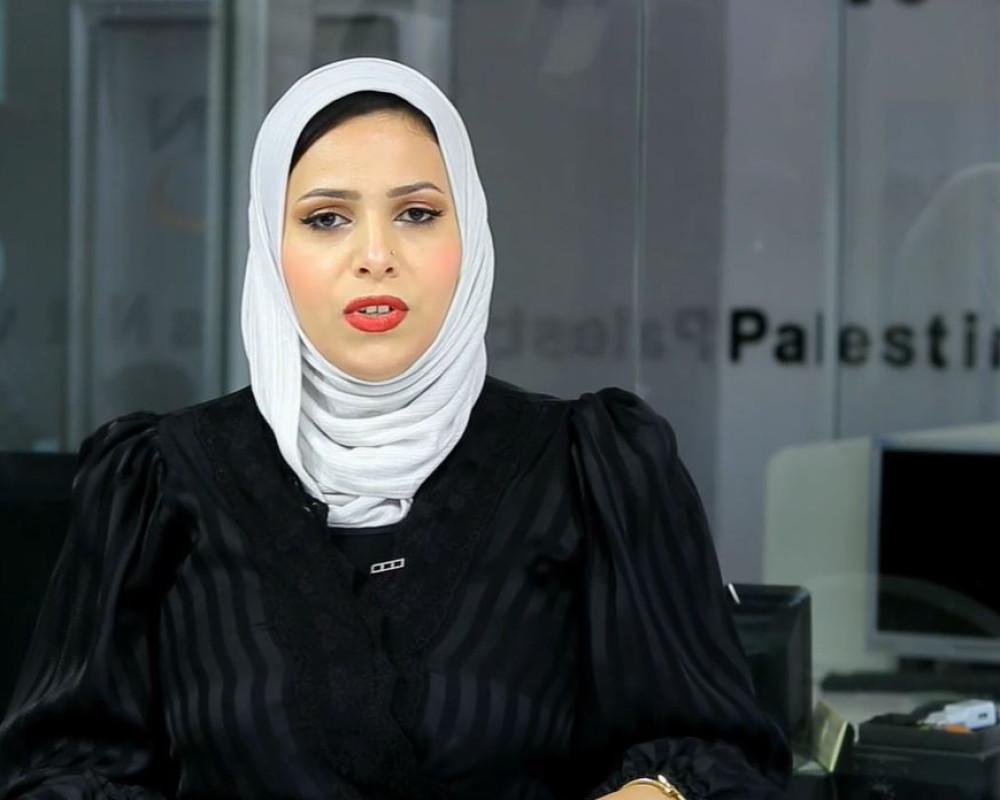
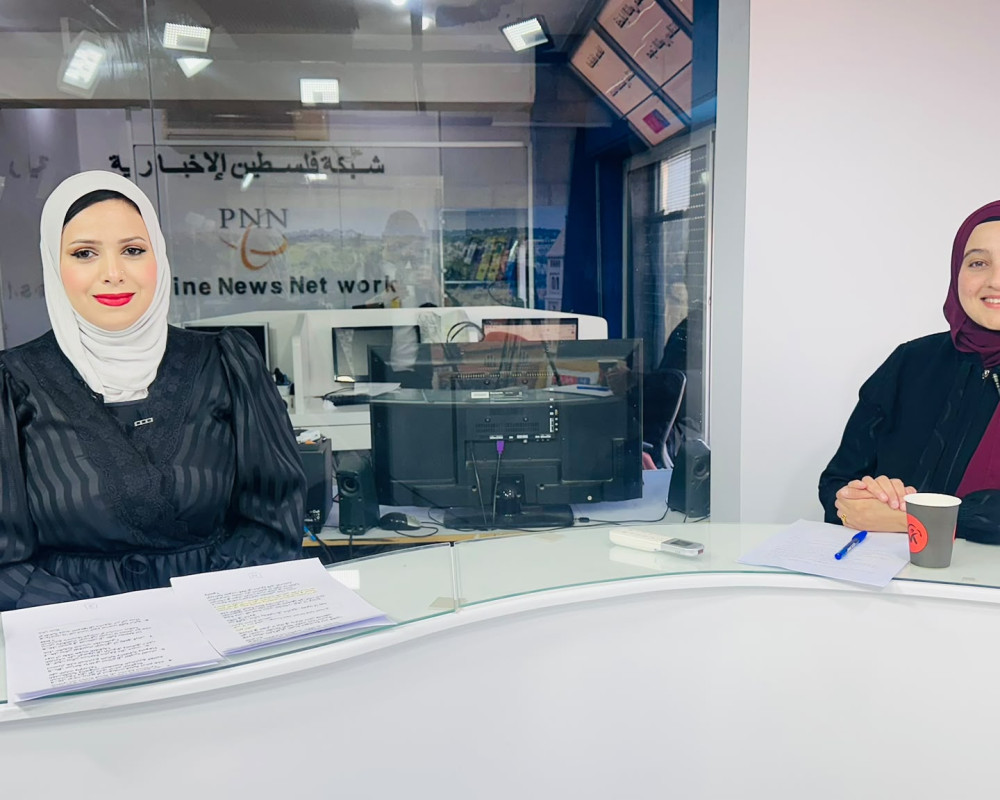
A recent episode of On the Record, a programme produced by Palestine News Network (PNN) and presented by journalist Sarah Rizk, explored the challenges facing Palestinians seeking to build businesses around cultural heritage and technological innovation, including their potential to create jobs and generate income.
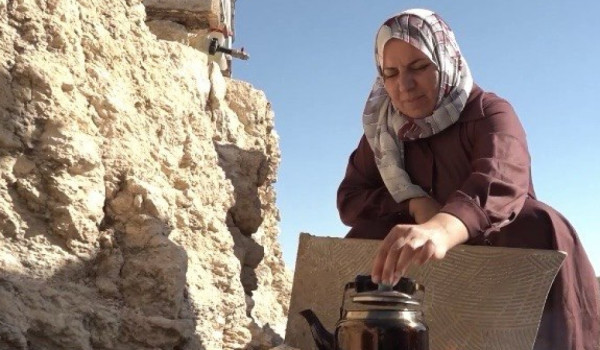
The programme featured two initiatives: Beit al-Dameh in the town of Zababdeh, where Samaher al-Roumi is working to revive, document and preserve traditional Palestinian games, and a 3D-printing business founded by engineer Manar Fattayer, which produces cookie cutters, silicone and plaster moulds, key rings and gift-distribution boxes.
The two projects illustrate the breadth of Palestine’s emerging creative economy, from safeguarding traditions passed down through generations to using digital manufacturing to develop products for the market. They also highlight practical obstacles, including the need for digital archiving and broader marketing, rising raw-material costs, difficulties maintaining printers and a lack of locally available spare parts.
Heritage projects can preserve identity and generate income
Amjad Janazreh, director of trade promotion, exhibitions and projects at the Bethlehem Chamber of Commerce and Industry, said heritage and cultural initiatives should be viewed not only as a means of preserving Palestinian identity and collective memory, but also as potential sources of income for women and young entrepreneurs.
Bethlehem governorate is home to a wide range of traditional crafts and tourism-related products, including olive-wood carvings, mother-of-pearl work, embroidery and handmade goods, Janazreh said. These activities, she added, represent investment opportunities that could contribute to the local economy.
But enthusiasm alone is not enough to make a business succeed. Entrepreneurs need sound feasibility studies, a clear understanding of market demand and local community needs, and an assessment of whether their products can reach international buyers, she said.
Janazreh also stressed the importance of strengthening management, financial planning and marketing skills, while paying close attention to product quality, packaging and the standards required by potential markets.
She said support programmes for entrepreneurs already operate through chambers of commerce, universities, government ministries and civil society organisations in Bethlehem governorate. However, these efforts remain fragmented, limiting their overall impact.
Bringing such initiatives together within a sustainable support system would improve the chances of new businesses surviving and growing, she said.
Janazreh called for a coordinated national policy to support traditional crafts and the creative economy, urging entrepreneurs to make greater use of technology and artificial intelligence to develop heritage-inspired products and reach new customers without losing their Palestinian character and authenticity.
Marketing remains a major hurdle for creative businesses
Ali Ramadan, director of the Centre of Excellence for Entrepreneurship and Business Incubation at Palestine Polytechnic University, said successful innovation begins with identifying a genuine market need and testing whether customers are willing to pay for a product.
Many projects struggle, he said, because their founders find it difficult to turn promising ideas into products that can compete in the marketplace.
Marketing and access to new markets are among the most pressing needs for start-ups, Ramadan said. Marketing involves more than advertising: it requires developing the product, setting an appropriate price and understanding what customers want.
Business incubators can play a vital role by helping entrepreneurs reduce start-up costs, calculate production expenses, identify suppliers and establish connections with markets and international exhibitions, he said.
Image: Entrepreneurship and business development
Ramadan also called on the government to introduce policies that make it easier to establish and expand businesses, improve access to finance, support scientific research and strengthen intellectual property protection.
Universities, he added, should do more to help transform graduation projects and innovations into commercially viable enterprises that generate income and create employment.
The programme highlighted how traditional Palestinian crafts and emerging technologies can offer new economic opportunities. But for those opportunities to translate into lasting businesses, entrepreneurs need more than creativity: they also need access to customers, affordable production, practical business support and a coordinated effort to help their ideas grow.
This video was produced with financial support from CFI, Expertise France and the European Union. The content of this document is the sole responsibility of the beneficiary and does not necessarily reflect the views of CFI, Expertise France or the European Union.