BETHLEHEM, West Bank (PNN) —
A new episode of “Accountability,” a programme produced by Palestine News Network (PNN), examined two key aspects of Palestinian resilience: protecting traditional crafts and heritage industries while expanding markets for locally made products, and confronting settler attacks through volunteer night patrols in Masafer Yatta, south of Hebron.
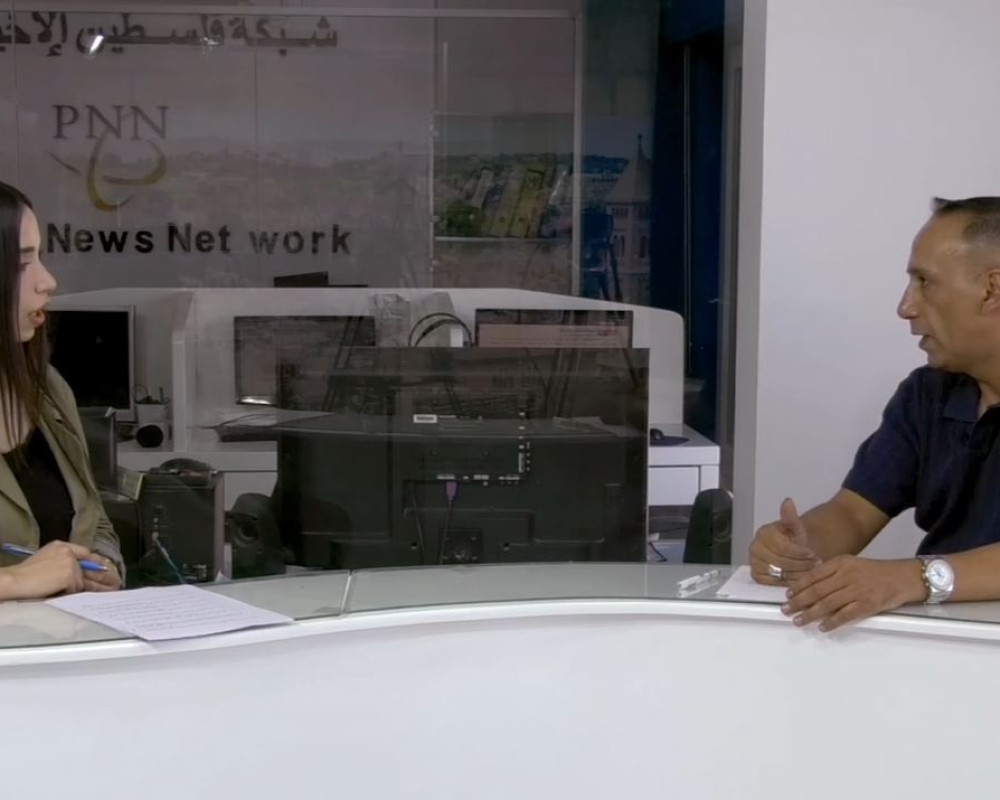
Hosted by PNN colleague Fairooz Odeh, the programme featured two field reports and expert contributions highlighting Palestinian initiatives aimed at turning economic and security challenges into practical efforts to protect livelihoods, national identity and land. It also underscored the need for stronger institutional and government support to sustain such initiatives.
The programme’s economic segment featured a young Palestinian entrepreneur who established a handmade carpet business using wool yarn, drawing inspiration from an idea he encountered on TikTok. The project emerged amid declining employment opportunities abroad and the economic repercussions of the war.
The report showed how a simple idea developed into a local enterprise combining traditional craftsmanship with customised designs. Customers can choose patterns, colours and dimensions, including large carpets measuring up to 12 or 13 metres, according to their needs for living rooms, children’s rooms and other spaces.
The entrepreneur has faced several challenges, particularly the difficulty of sourcing suitable raw materials locally. This has forced him to search for supplies in Jordan, Egypt and China. His experience illustrated how individual initiatives can create employment and production opportunities despite the obstacles confronting small businesses.
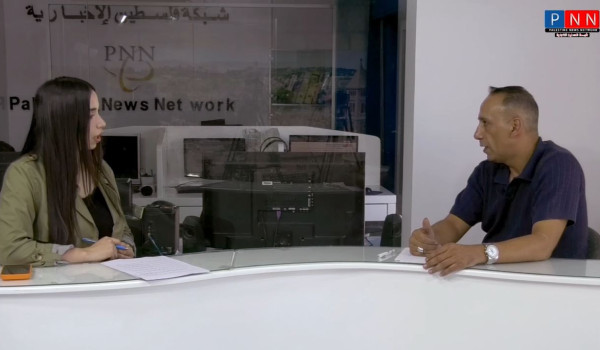
During the programme, Ibrahim Shaabat, financial director of the Craftsmen Fair Trade Foundation, explained that fair trade seeks to protect artisans’ financial and moral rights by ensuring that their work, time and costs are fairly valued, while providing consumers with high-quality products.
Shaabat said the foundation was established in 2009 through an initiative by his colleague, Susan Sakhouri, in response to the challenges facing craftspeople. He said its database initially included about 150 artisans from across the West Bank and Gaza Strip.
The foundation has also worked with Bethlehem University to strengthen artisans’ administrative and technological skills through training programmes. These initiatives help them manage their businesses and receive orders electronically, reducing the need for travel and transportation.
Shaabat highlighted the foundation’s work with members of the Arab al-Jahalin community to transform locally sourced sheep’s wool, previously discarded as waste, into handmade products that have attracted demand at international exhibitions and overseas markets, including Christmas markets.
The experience demonstrated how locally available materials can be transformed into marketable products, creating income opportunities for local communities and helping Palestinian crafts reach international consumers.
He also stressed the importance of including people with disabilities in the production process. Shaabat cited the work of members of the Al-Basma Centre in Beit Sahour, who produce handmade carpets and high-quality greeting cards, as an example of their creative and competitive potential when provided with appropriate training, marketing opportunities and support.
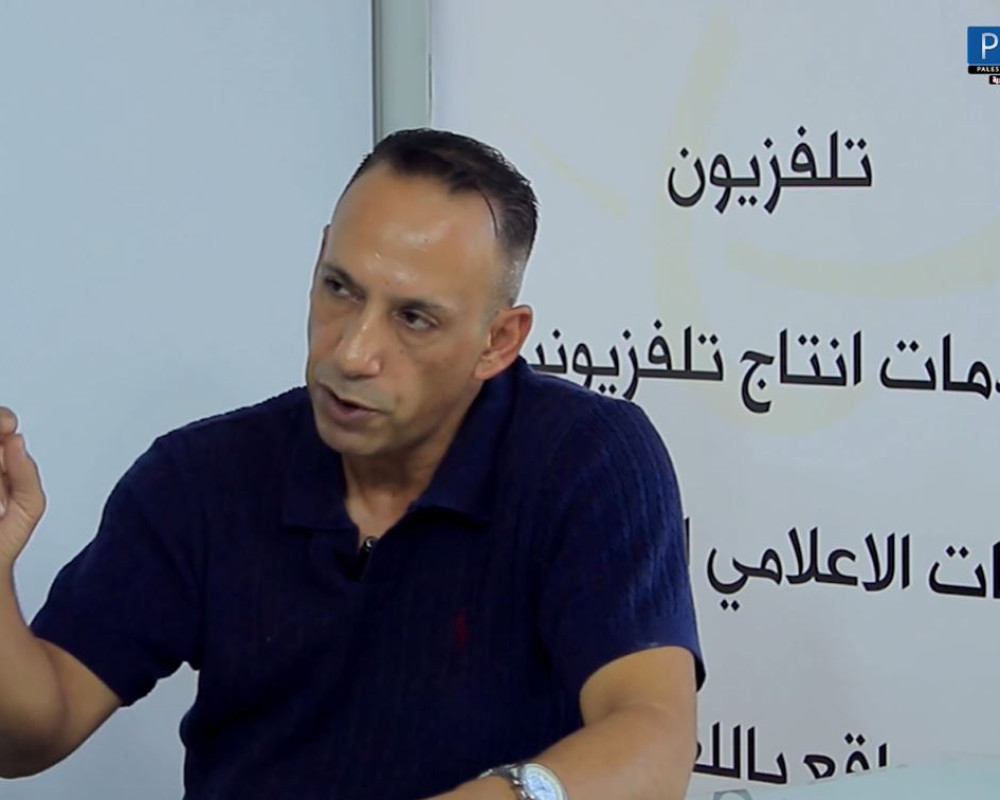
Shaabat warned that some traditional Palestinian crafts risk disappearing without adequate support. Citing copperwork in Jerusalem, which he said had disappeared, he called for efforts to preserve other crafts, including traditional pottery and ceramics, by developing products and updating designs while maintaining their cultural authenticity.
He urged government bodies to provide stronger support for artisans and establish sustainable markets for their products. He called on the ministries of economy and tourism to help reduce craftspeople’s dependence on souvenir shops, whose businesses are vulnerable to declines in tourism and political crises.
He also urged municipalities to use twinning agreements with cities abroad to connect Palestinian artisans with international markets. The Ministry of Agriculture, he said, should better organise olive-tree management and pruning schedules to make greater use of local wood and reduce reliance on imported timber.
Quoting Palestinian businessman Nassar Nassar as saying, “Industry is more important than trade,” Shaabat stressed that a strong economy requires a solid agricultural and industrial base, alongside meaningful support for small businesses.
He also outlined the foundation team’s efforts to help entrepreneurs through marketing, market research, advertising, storytelling-based marketing and logistics.
The programme then turned to the villages and hamlets of Masafer Yatta, south of Hebron, where residents face recurring threats and attacks by Israeli settlers and organise volunteer initiatives to protect their homes, property and livestock.
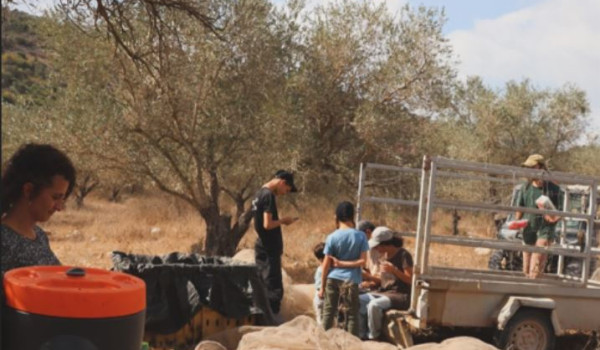
A field report documented the formation of volunteer night-watch committees involving residents and activists in the villages of al-Tuwani, al-Fakhit, al-Mufaqara and al-Rakeez. Residents and activists in al-Tuwani described patrols that begin after sunset and continue throughout the night, with volunteers checking homes and monitoring the areas surrounding residential communities to help protect residents and their property.
The initiatives follow attacks in the area about two weeks earlier that included the burning of homes and other structures, according to the report. Residents said the volunteer patrols, despite their limited resources, help strengthen their sense of security and support their efforts to remain on their land amid threats facing their communities.
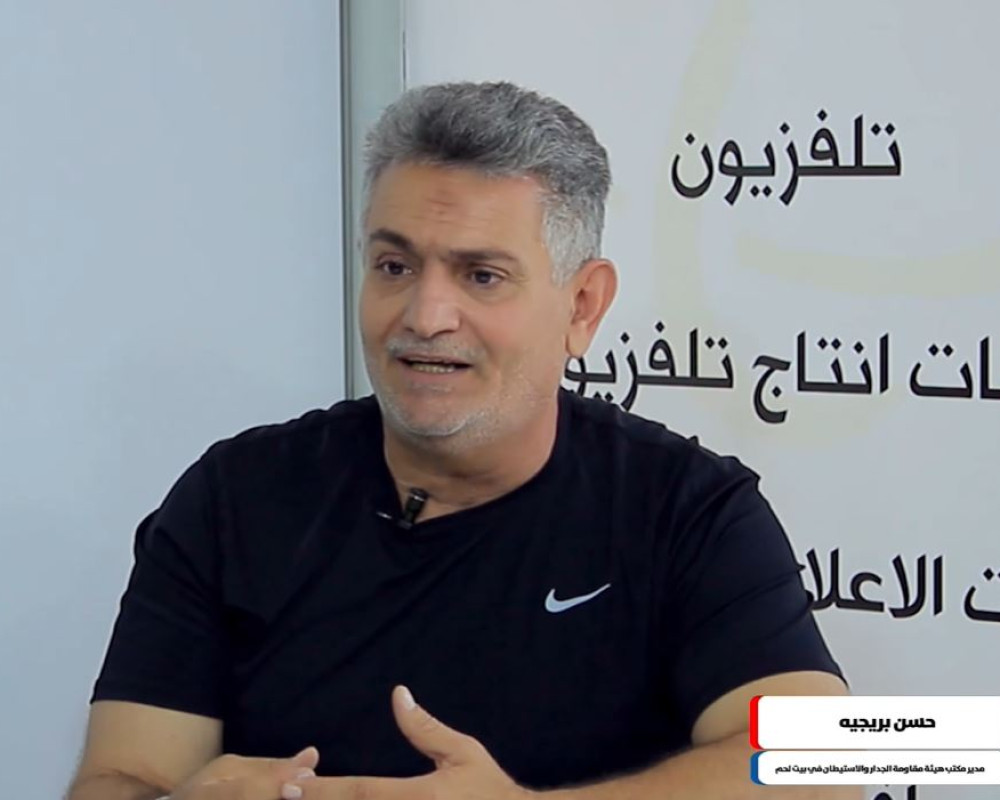
Hassan Brijieh, a settlement affairs expert and director of the Wall and Settlement Resistance Commission’s office, emphasised the importance of the night-watch committees and patrols in supporting residents and easing their physical and psychological hardship, particularly following the recent attacks in al-Tuwani.
Brijieh said that although the volunteers have limited equipment, their efforts provide essential support in protecting homes, property and livestock, while helping reduce the risks facing shepherds and their livelihoods. He also highlighted the importance of such efforts amid attempts to seize land and property and pressure residents to leave their communities.
The programme’s findings highlighted two interconnected dimensions of Palestinian resilience. The economic dimension centres on protecting traditional crafts, developing local industries and connecting Palestinian products with markets to create employment and preserve national identity. The field dimension focuses on supporting residents and strengthening their ability to remain on their land and confront attacks.
The episode concluded that, although individual entrepreneurship and volunteer initiatives play an important role, they cannot ensure lasting resilience on their own. Sustained government and institutional support, practical policies to protect local products and artisans, and measures to help vulnerable Palestinian communities remain on their land are essential to maintaining these efforts.
This video was produced as part of the Media Support in Times of Crisis project, supported by the Palestinian Network and implemented in cooperation with Palestine Journalism Hub.