RAMALLAH, Palestine / PNN / Wisal Abu Alia
As the olive harvest season approaches, Palestinian villages and towns are preparing for an annual event that extends far beyond agriculture, forming a vital part of the economy, social life and family heritage.
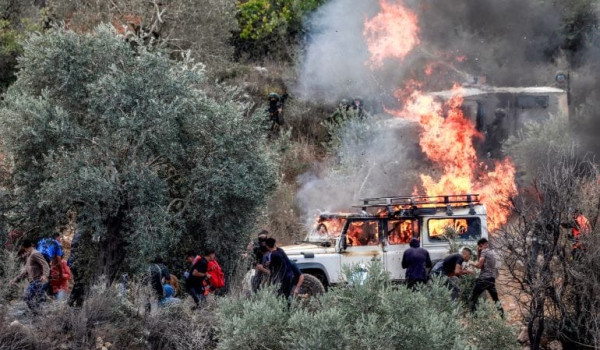
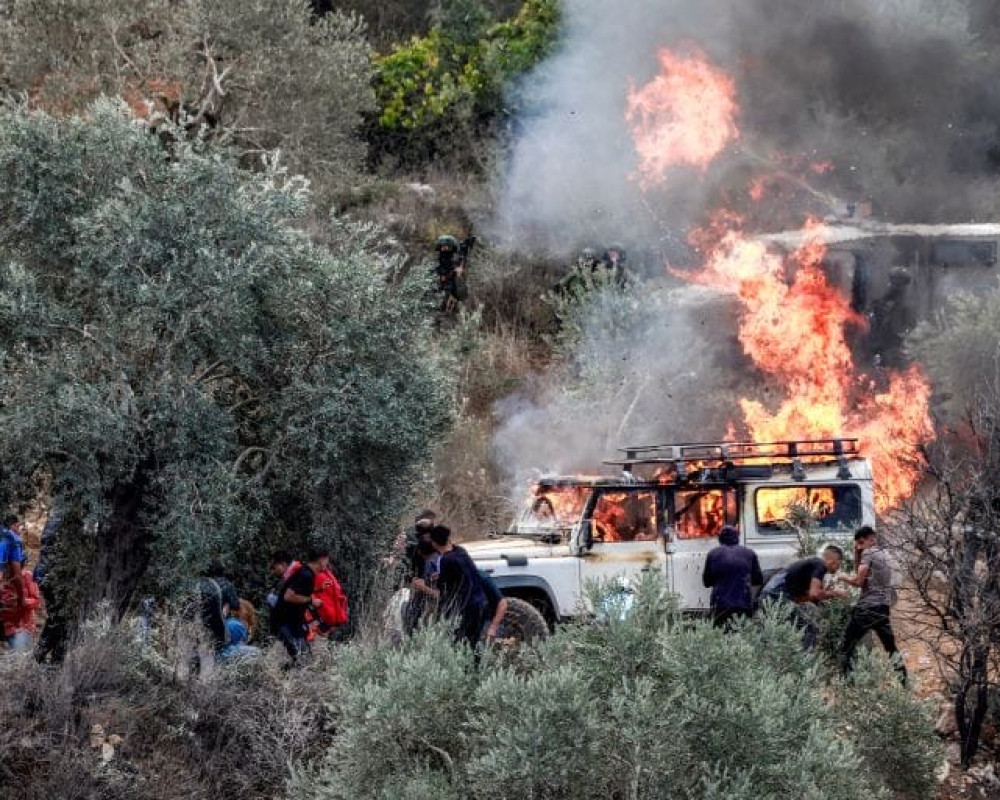
But the 2026 season is unfolding under increasingly difficult conditions, with access to large areas of farmland becoming more challenging and attacks intensifying, particularly in areas near Israeli settlements and outposts.
The success of the harvest now depends not only on when picking begins or whether olive presses are ready, but also on communities' ability to organize access to farmland, coordinate harvesting teams, identify high-risk areas and work in advance with relevant authorities and organizations.
How are Palestinian villages preparing for the season? How are harvesting days organized in vulnerable areas? Who sets priorities, and which organizations are involved in coordination? And how can the harvest proceed with as much organization and safety as possible?
Agricultural Timetables: Preparation Starts at the Local Level
The Palestinian Ministry of Agriculture has set Oct. 15 as the start date for harvesting Baladi Nabali olives. Harvesting of improved Nabali olives and irrigated varieties grown for oil production is scheduled to begin Nov. 5, according to their stages of maturity.
The ministry has also designated Oct. 11 as the date for olive presses to begin operating for maintenance, preparation, inspections and technical testing. The presses will begin receiving the harvest in line with the scheduled picking dates. Olives intended for table consumption began being harvested Sept. 20.
The ministry has authorized agricultural directorate heads to postpone the start of harvesting based on local agricultural and weather conditions, following consultation with relevant parties.
However, Fayyad Fayyad, director general of the Palestinian Olive Council and an adviser to the International Olive Council in Spain, said official harvesting dates are not being uniformly observed across all areas.
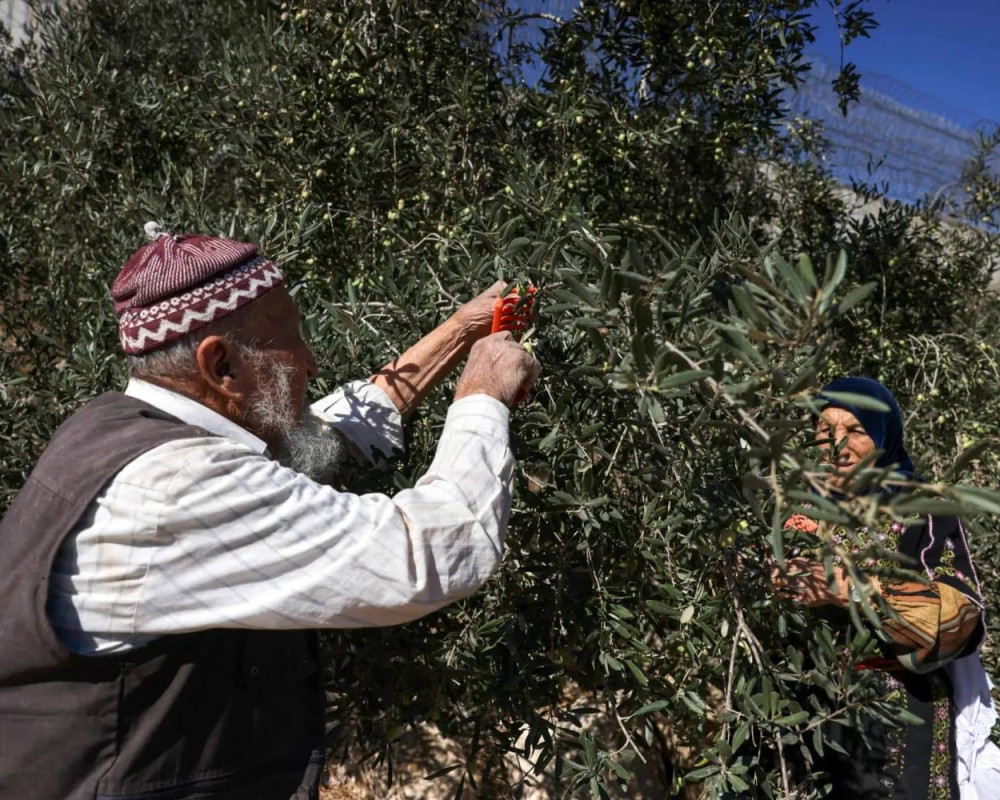
Some olive presses in the northern West Bank began operating before the scheduled date, while some farmers started picking early out of fear of losing the season or having their crops attacked by Israeli settlers, he said.
Fayyad described the 2026 season as exceptional, warning that fear of attacks could push farmers to harvest early even if doing so affects the quantity and quality of their production. Their priority, he said, is to protect their crops from theft or destruction.
Fayyad: Every Village Needs a Different Plan
Fayyad said olive harvest preparations cannot follow a single approach across all Palestinian communities because land conditions and security risks vary from one village to another.
Arrangements should be developed by each village or municipal council or other local authority, he said. Each area should establish a committee bringing together local institutions and organizations to devise a plan suited to its terrain, location, proximity to settlements and the level of risk.
The process should begin by identifying agricultural areas, determining which locations are most vulnerable and assessing the risks surrounding them. Access to the land should then be organized according to those assessments, Fayyad said.
He stressed that protecting people's safety must come first, followed by safeguarding farmland and crops and organizing access so that harvesting can proceed as calmly as possible.
Organizing Harvesting Teams
Fayyad said local planning should turn the olive harvest into a coordinated collective effort rather than leaving each farmer to visit their land alone.
Villages could establish harvesting teams and assign each group specific areas and arrival times, taking into account the location of the farmland and its proximity to settlements or outposts.
Such arrangements would help local committees identify areas requiring additional support and direct farmers, volunteers and solidarity activists there, rather than allowing efforts to be distributed randomly.
Each area has its own circumstances, Fayyad said, adding that a single schedule should not be imposed on all villages. Instead, harvesting should be organized according to local conditions.
Coordination Before Reaching the Land
Fayyad emphasized the importance of coordinating with relevant authorities before farmers travel to sensitive areas.
He pointed to the importance of coordination with the Palestinian Civil Affairs Authority to obtain the permits needed to access certain areas near Israeli settlements.
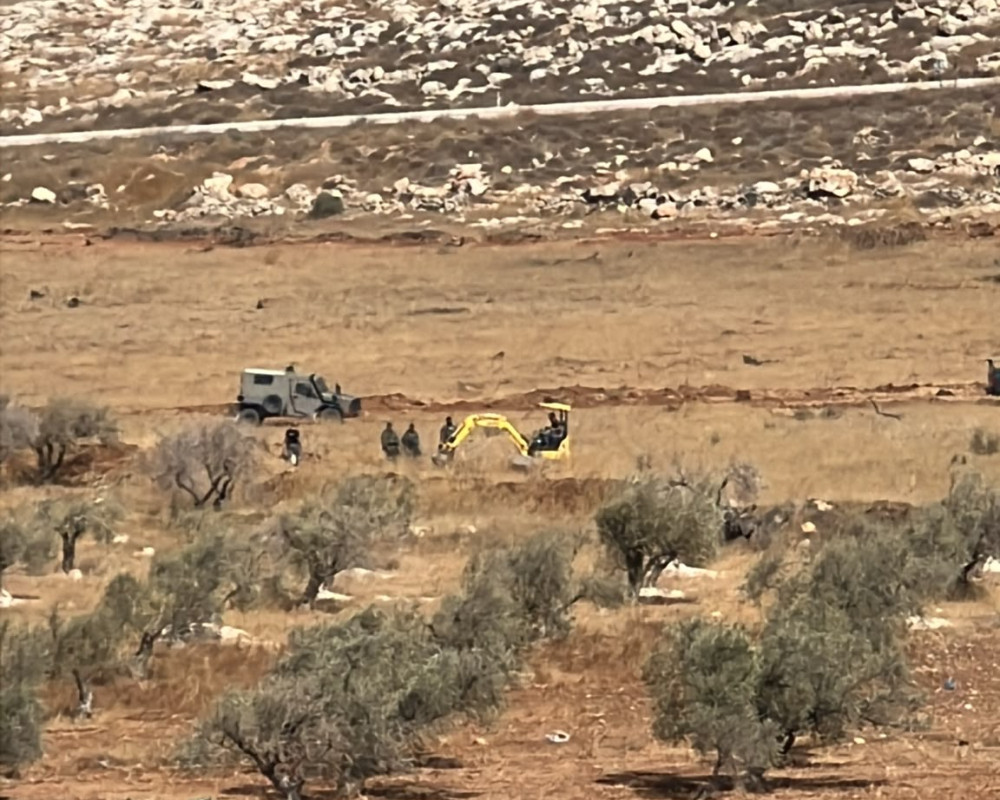
The details of such coordination should be determined locally because farmland and access routes differ from one place to another, he said.
This means preparations must begin before farmers reach their fields, with advance decisions on harvesting locations and times, access arrangements and the authorities or organizations that need to be contacted.
Daoud: The Problem Sometimes Begins Before Harvesting
Amir Daoud, director general of the Documentation and Publishing Department at the Palestinian Wall and Settlement Resistance Commission, said the current olive harvest is expected to be more difficult and dangerous than previous seasons as Israeli settlers expand their influence and settlement outposts continue to grow.
About 1.1 million dunams (110,000 hectares) have been closed off over the past several years, preventing Palestinians from accessing the land, Daoud said. Of that area, about 150,000 dunams (15,000 hectares) are planted with olive trees, according to Ministry of Agriculture estimates he cited.
About 250 settlement outposts have been established since Oct. 7, 2023, further restricting farmers' access to their land, particularly olive groves, he said.
Daoud said the problem extends beyond attacks by Israeli settlers and includes measures imposed by the Israeli military, such as closing agricultural areas and issuing orders barring access to olive groves, particularly those near or surrounding settlements.
These measures make restricted access to farmland one of the central challenges facing this year's harvest, he said.
Al-Mughayyir: A Case Study in Restricted Access
The village of Al-Mughayyir, northeast of Ramallah, illustrates the difficulties farmers face.
Amin Abu Alia, head of the Al-Mughayyir village council, said the community has struggled for years to reach large areas of its land because of attacks on trees and restrictions imposed on extensive agricultural areas.
Tens of thousands of olive trees are now beyond the reach of their owners, Abu Alia said. In some seasons, farmers have been unable to reach a significant proportion of their trees.
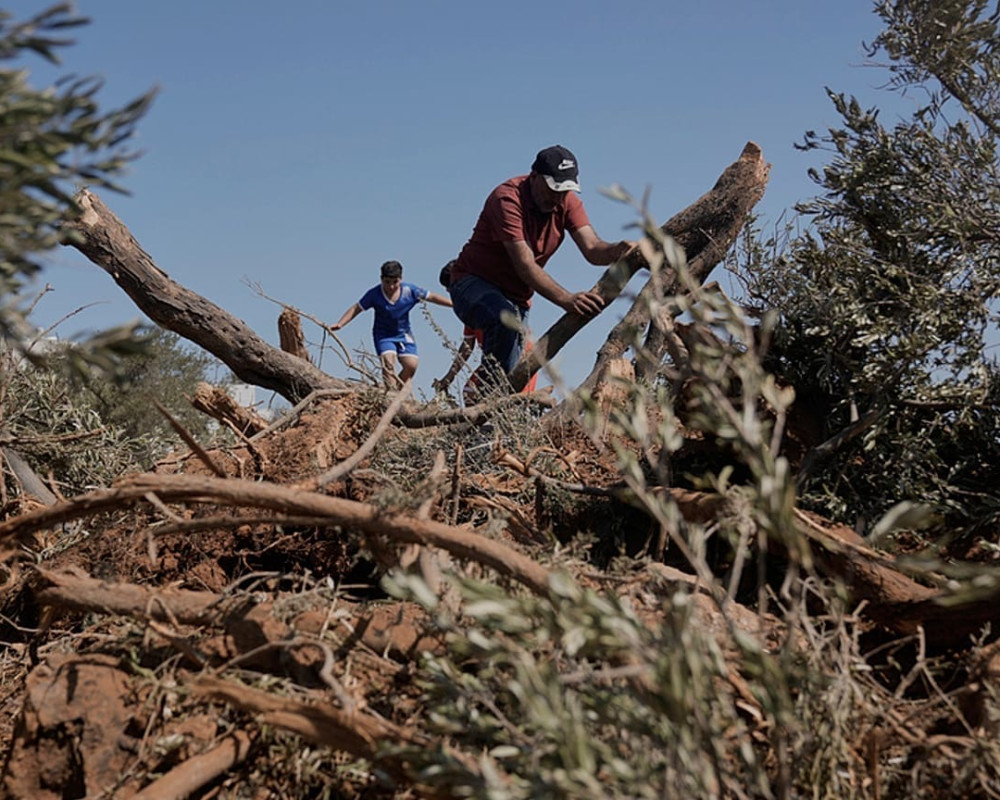
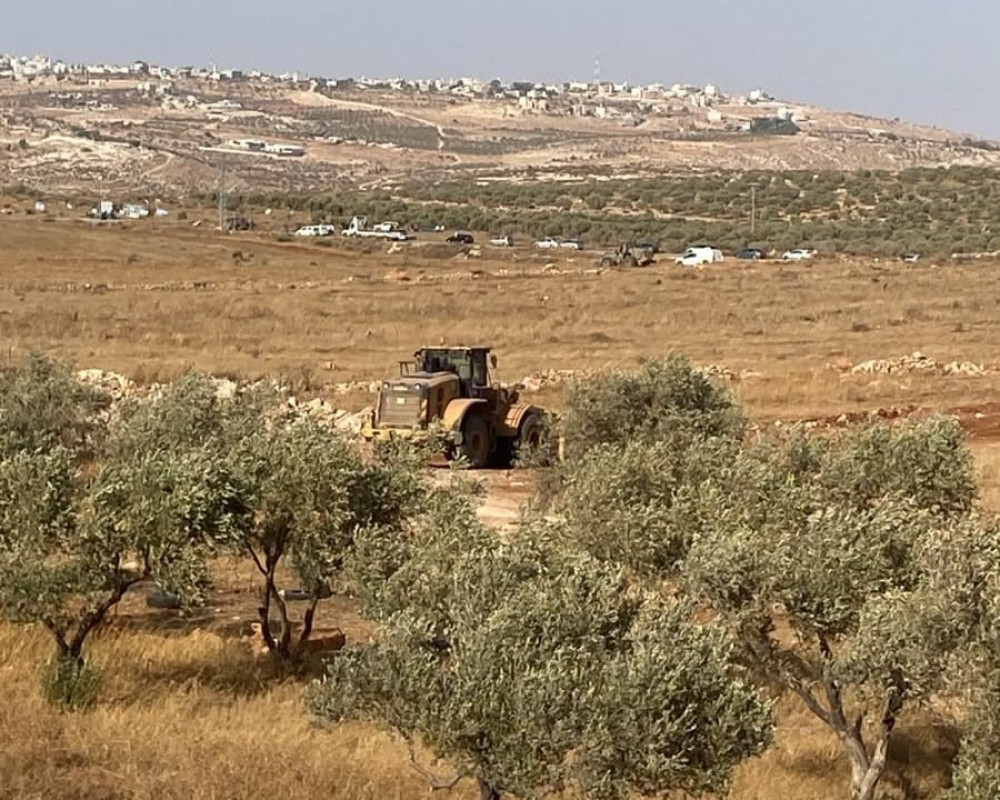
He said olive trees have been uprooted, bulldozed, burned and otherwise damaged. The problem is not limited to trees that have been destroyed, but also includes those still standing whose owners cannot reach them.
Al-Mughayyir's experience shows that organizing harvesting teams is not enough when the fundamental problem is access to the land itself, Abu Alia said.
450 Attacks: A Problem Beyond Direct Violence
Daoud said nearly 450 attacks by Israeli settlers were recorded during the previous olive harvest season.
The danger, he said, lies not only in direct attacks but also in preventing farmers from reaching their land and confiscating their crops.
Disrupting the olive harvest means losing both a crop and a source of income, particularly in Area C of the Israeli-occupied West Bank, Daoud said. He linked the targeting of the season to efforts to weaken Palestinians' ties to their land.
International Solidarity Activists: Support Requires Coordination
Fayyad said about 1,000 international solidarity activists have entered Palestine this year and could be deployed through organized programs to areas where conditions are particularly difficult and international presence is needed.
Their presence could become part of the broader harvest preparations, with activists directed toward communities requiring additional support rather than operating without coordination, he said.
Daoud said the role of solidarity activists extends beyond supporting farmers to documenting events in the fields and bringing them to international attention.
Palestinian committees and campaigns work alongside foreign activists, including groups involved in the Fazaa initiative and the International Solidarity Movement (ISM), to reach areas most vulnerable to attacks, he said.
Daoud added that the Wall and Settlement Resistance Commission is working with the Ministry of Agriculture, national committees, official institutions and governorate offices as part of the national olive harvest campaign.
The campaign aims to protect Palestinians, enable farmers to reach their land and provide the support needed to complete the harvest, he said.
Three Priorities for Intervention
Daoud identified three main priorities for the season: protecting Palestinians and standing alongside them during settler attacks; enabling farmers to access land that has been closed off; and providing the assistance needed to complete the harvest.
He stressed the importance of these priorities amid statements and warnings that he said had been issued by settlement leaders regarding access to agricultural fields, particularly olive groves.
In practical terms, these priorities require each community to identify in advance the areas needing support, determine which farmers will harvest and establish schedules and access routes before work begins.
How Can Risks Be Reduced?
Based on the recommendations of Fayyad and Daoud, reducing risks begins with advance planning to identify vulnerable areas, organize harvesting teams, establish access routes and determine which bodies will coordinate the process.
Fayyad emphasized the importance of local organization, while Daoud focused on ensuring that farmers can reach land from which they have been barred.
Harvesting becomes more manageable when farmers know in advance where they are going, when they should arrive, whom they will accompany and which organization is coordinating access.
Distributing teams among different areas, rather than allowing them to gather randomly, can also help organize efforts and make better use of available support, depending on local conditions.
Expected Production
The Ministry of Agriculture expects olive oil production to reach about 21,000 metric tons this season, a quantity that could cover domestic market needs as well as export demand, while allowing for the possibility of oil entering the Gaza Strip.
The ministry estimates domestic consumption at between 15,000 and 15,500 metric tons, with about 4,000 metric tons designated for export. These estimates may be revised depending on actual production and the quantities marketed during the season.
Fayyad warned, however, that harvesting conditions could affect actual output, particularly if farmers are forced to pick olives early because they fear attacks or the confiscation of their crops.
A Season That Requires a Village-Level Plan
For Palestinian villages, meaningful preparations for the olive harvest begin before farmers reach the trees.
Each village needs a local committee and a plan tailored to its circumstances, Fayyad said. The plan should identify agricultural and vulnerable areas, organize harvesting teams and establish coordination with relevant authorities and organizations.
Areas facing the greatest risks need interventions focused on protecting farmers, enabling them to reach their land and providing the assistance required to complete the harvest, Daoud said.
The experience of Al-Mughayyir, as described by Abu Alia, shows that some villages face a challenge greater than organizing the harvest: they must first overcome the barriers preventing farmers from reaching their own trees.
Organizing the season therefore begins at the village level. It requires identifying farmland, assessing the level of risk, determining which farmers will participate, organizing teams, choosing harvesting dates, coordinating access and establishing a clear point of contact in case of an emergency.
The Most Important Goal: Reaching the Trees
The Ministry of Agriculture can set harvesting dates, olive presses can prepare to receive the crop, and villages can establish committees and schedules.
But the success of this year's olive harvest will ultimately be measured by whether farmers can reach their trees.
Farmers need to know when to go, whom to accompany, how to reach their land, who will coordinate access and what to do if conditions change.
For Palestinian villages, olives are more than a seasonal crop. They are a source of livelihood, a repository of family memories and a symbol of the generations-old relationship between people and their land.
Preparing for the season therefore means more than equipping olive presses or setting harvesting dates. It requires building local plans that make harvesting more organized and reduce farmers' exposure to risk.
In a season marked by uncertainty, the immediate priority remains clear: farmers must know how to reach their land, their villages must be prepared to organize that access, and the relevant authorities and organizations must work together to help farmers reach their trees and return with their harvest.