BETHLEHEM, West Bank (PNN) —
What happens to a heritage that is no longer being passed from one generation to the next? And what happens when historic places face neglect, destruction or attempts to alter the story attached to them?
A new episode of PNN’s television programme “Ala Al-Makshouf” examined the state of Palestinian heritage and the challenges of preserving it, from the decline in the number of traditional artisans to threats facing historic sites and efforts to preserve the stories and identities associated with places across the West Bank.
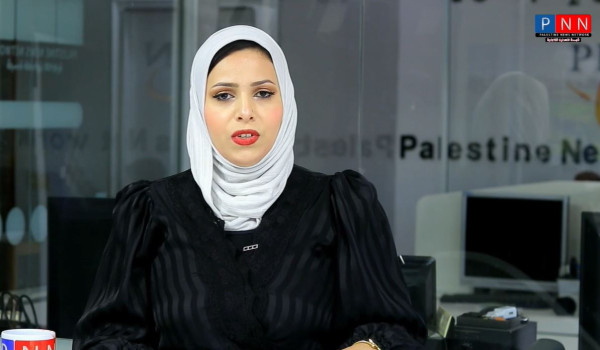
Presented by PNN journalist Sara Rizk, the episode combined field reports with official and academic perspectives, looking at heritage not only as a collection of historic buildings and traditional crafts, but as part of Palestinian communities’ identity, memory and everyday life.
A Cave Becomes a Space for Heritage and Opportunity
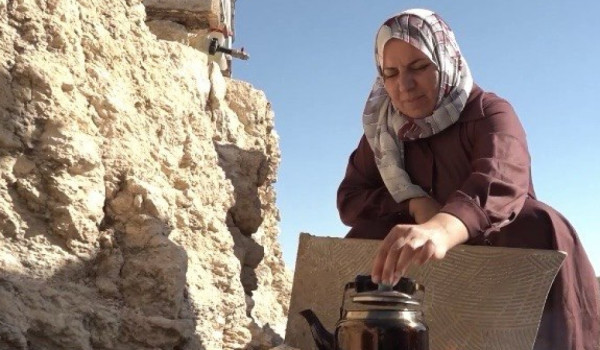
The programme travelled to southern Hebron, where a women-led initiative has transformed a cave into a space dedicated to preserving Palestinian heritage and displaying traditional products.
The space brings together embroidery, traditional food production, wool products and other forms of local craftsmanship, seeking to connect cultural preservation with economic opportunities for women.
The initiative’s founder told the programme that the cave had been demolished and filled in more than once. The decline in visitors has also made it more difficult to market and sell the traditional products displayed there.
For the women involved, however, the initiative is about more than preserving objects from the past. It is also an attempt to keep traditional skills in use while creating a source of income and a space where heritage can remain part of community life.
Protecting Heritage Through Documentation and Community Action
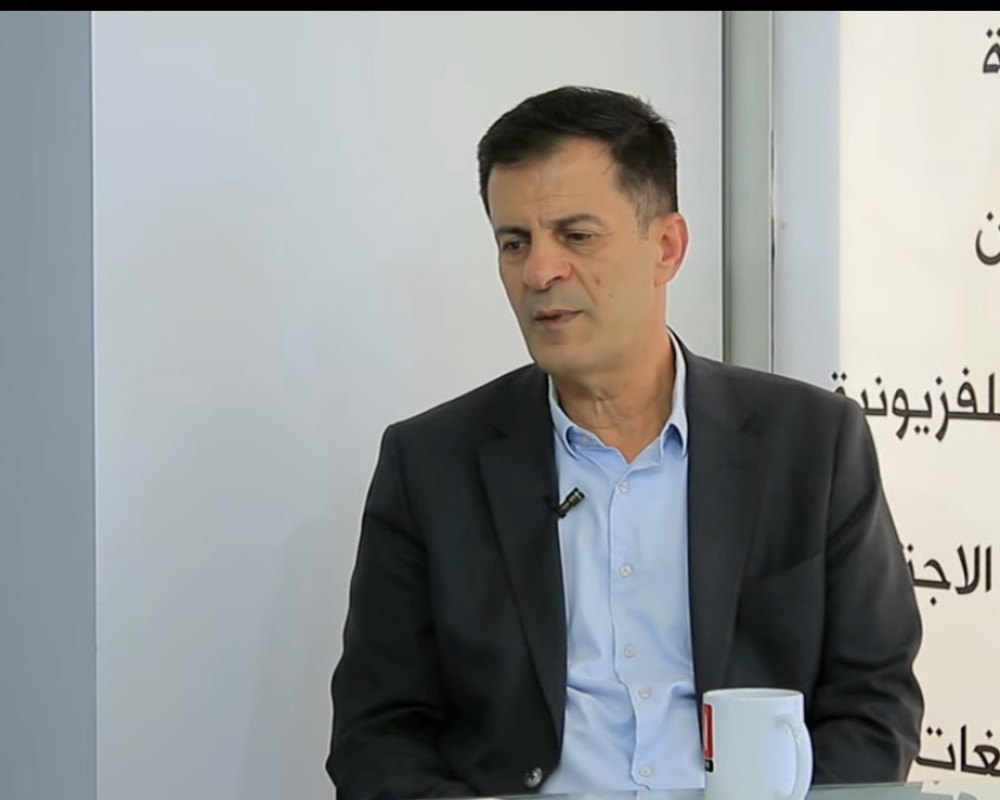
Jihad Yassin, assistant undersecretary for the tourism and archaeology sector at the Ministry of Tourism, told the programme that caves represent one of the forms of human settlement found across Palestine, with roots extending from the Stone Age to the present.
He stressed the importance of local communities in protecting heritage sites, saying the ministry works to document historic sites and buildings and support traditional crafts and heritage initiatives.
The ministry also promotes domestic tourism, heritage trails and exhibitions, Yassin said, adding that preserving traditional crafts requires cooperation among government institutions, the private sector and local communities.
The episode also examined the traditional glassmaking industry in Hebron’s Old City, where the number of people working in the craft has declined as younger generations increasingly move away from learning the trade.
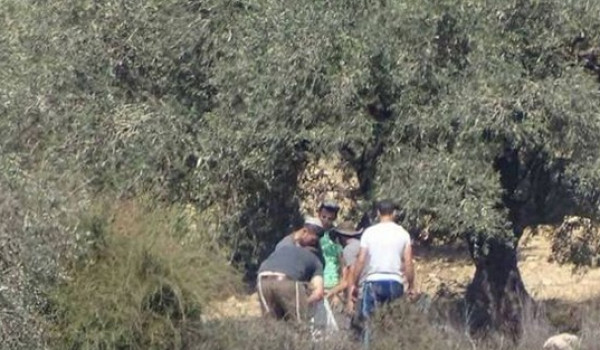
Another field report travelled to the town of Surif, highlighting its stone walls, agricultural fields and olive trees as elements of a landscape shaped by generations and preserved in the collective memory of the community.
Heritage as Evidence of Continuity
Archaeologist and Hebron University lecturer Adnan Abu Diya told the programme that caves, stone walls and historic buildings are physical evidence of human presence in Palestine over thousands of years.
He called for heritage sites to be documented and registered in the national archaeological record and for restoration work to be carried out under the supervision of specialists.
Poorly planned or non-scientific restoration, he warned, can damage the original character and fabric of historic sites rather than preserve them.
Abu Diya said protecting heritage is a shared responsibility involving government ministries, municipalities, universities, cultural institutions and local communities.
He also stressed the need to raise public awareness about the consequences of neglect and demolition, while finding ways to revive heritage sites and integrate them into contemporary community life.
Living With Heritage
The episode concluded with a report from Masafer Yatta, where the programme followed the experience of Mamoun Ahmad Omar and his family, who live in a cave and have maintained a way of life closely connected to farming, livestock and the land.
Their experience offered another perspective on heritage — one that is not confined to museums or historic buildings, but lives in the daily practices, landscapes and relationships that continue to connect Palestinian families to their land.
Through its different reports, “Ala Al-Makshouf” explored a central question: how can heritage remain alive when the people who carry its traditions are becoming fewer and the places that preserve those traditions face growing challenges?
The programme highlighted documentation, restoration, community involvement, economic support for artisans and the revival of heritage sites as part of a broader effort to ensure that Palestinian heritage remains not only a memory of the past, but a living part of the present.
Watch the full episode of “Ala Al-Makshouf” on PNN.
This video was produced with financial support from CFI, Expertise France and the European Union. The content of this document is the sole responsibility of the beneficiary and does not necessarily reflect the views of CFI, Expertise France or the European Union.