BETHLEHEM /PNN/
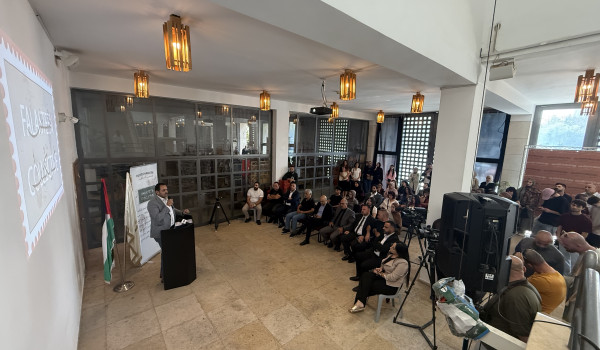
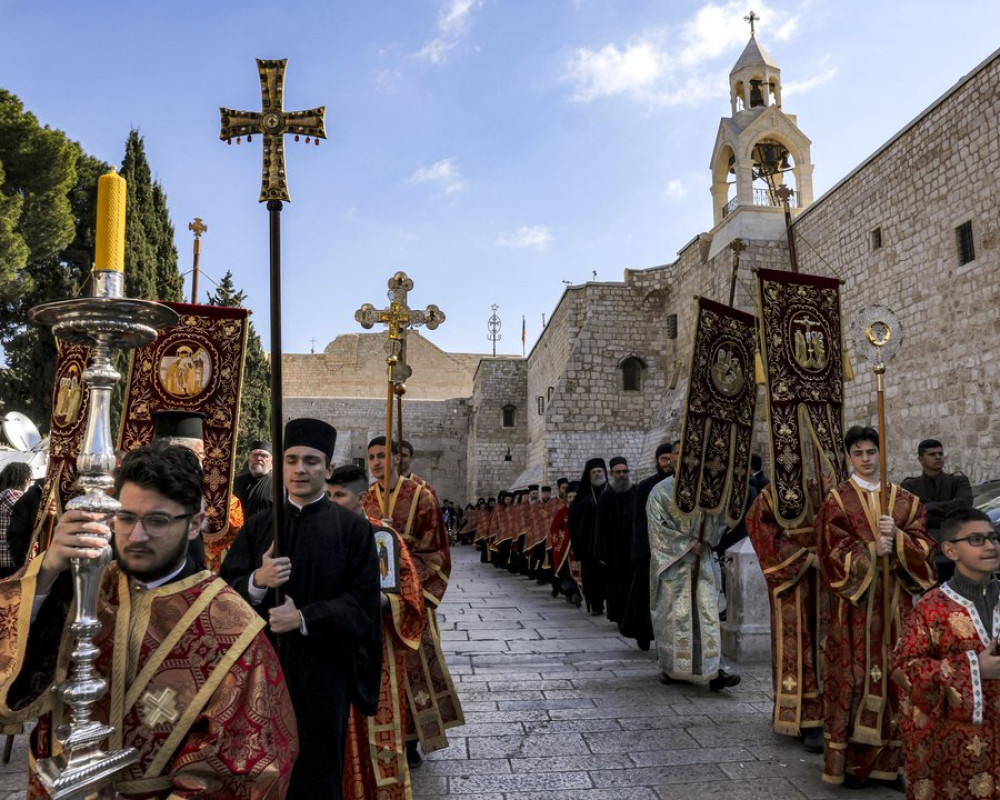
Christian religious, civic and academic figures in Bethlehem have rejected remarks by Israeli Prime Minister Benjamin Netanyahu at the United Nations General Assembly, in which he said Christian emigration from the city had increased under Palestinian Authority governance, calling the claims misleading and detached from realities on the ground.
Bethlehem Mayor Hanna Hanania said the comments were part of efforts to “confuse the narrative and undermine Palestinian unity,” stressing that Israeli measures — including settlement expansion, movement restrictions and a network of military checkpoints — are the primary drivers of emigration.
He added that the Christian presence is a core component of Palestinian society, noting that local governance structures have historically ensured Christian representation, including within Bethlehem’s municipal council.
Demographic and political context
The dispute comes amid a decades-long decline in the share of Christians in the Palestinian territories, driven by a range of political and economic factors. Historian and researcher Walid Shomali said Christians made up about 85% of Bethlehem’s population before 1967, with the proportion declining afterward due to conditions linked to Israeli occupation.
He said emigration cannot be explained by religious factors alone, pointing instead to closures, economic pressure and limited prospects affecting both Christians and Muslims. Efforts to frame the conflict along religious lines, he added, serve a political narrative.
Rev. Mitri Raheb, president of Dar al-Kalima University, said the decline reflects a sequence of historical developments, including the 1948 Nakba, the 1967 occupation and subsequent restrictions. He cited land confiscations, barriers and access limitations in Bethlehem as factors accelerating outward migration.
Claims of political instrumentalization
Palestinian officials said the issue is being politically instrumentalized. Former Bethlehem mayor Anton Salman said Israel is “using the Christian issue against the Palestinian Authority,” while policies on the ground — including restrictions on movement, employment and economic activity — are driving emigration.
Ramzi Khouri, a member of the Executive Committee of the Palestine Liberation Organization, said Israeli violations — including restrictions on religious institutions and incidents affecting churches and property — have contributed to the decline in the Christian population.
He added that such measures span multiple areas, from Jerusalem to towns across the West Bank, affecting freedom of worship, access to holy sites and the functioning of religious and educational institutions.
Calls to address root causes
Speakers said safeguarding the Christian presence in Palestine requires addressing underlying political and economic conditions rather than rhetoric, including ensuring freedom of worship, protecting holy sites and halting land confiscation.
They stressed that Palestinian Christians are an integral part of society and that their continued presence depends on easing restrictions and advancing a political resolution that secures rights for all Palestinians.