HEBRON, West Bank / PNN /
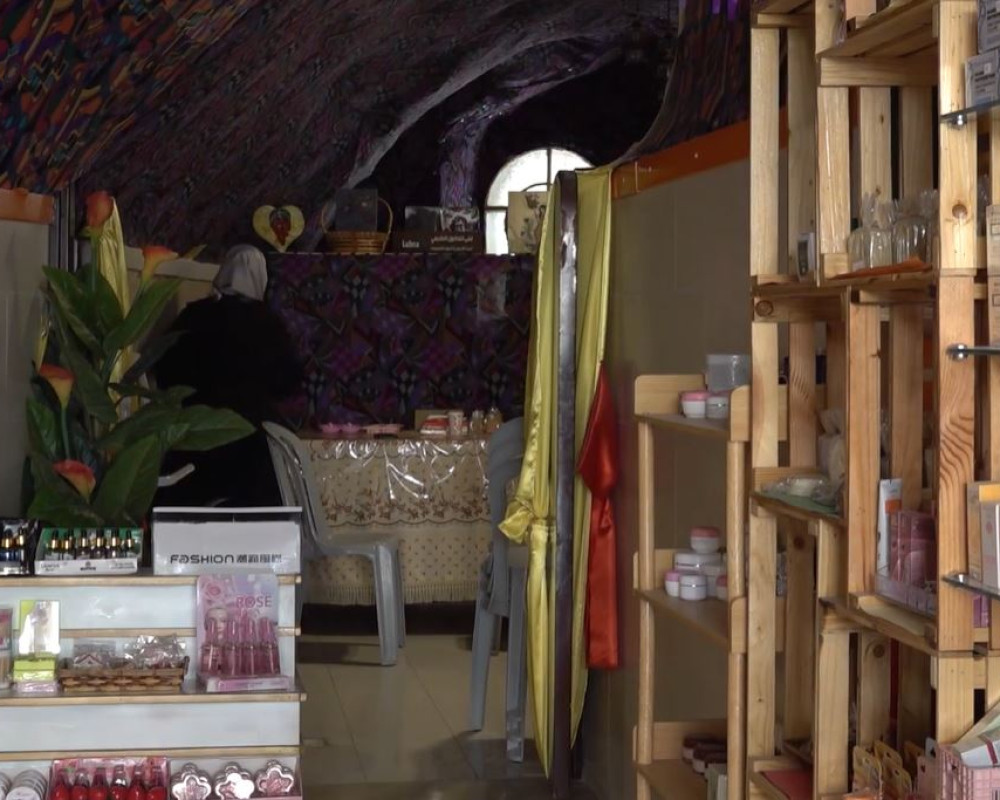
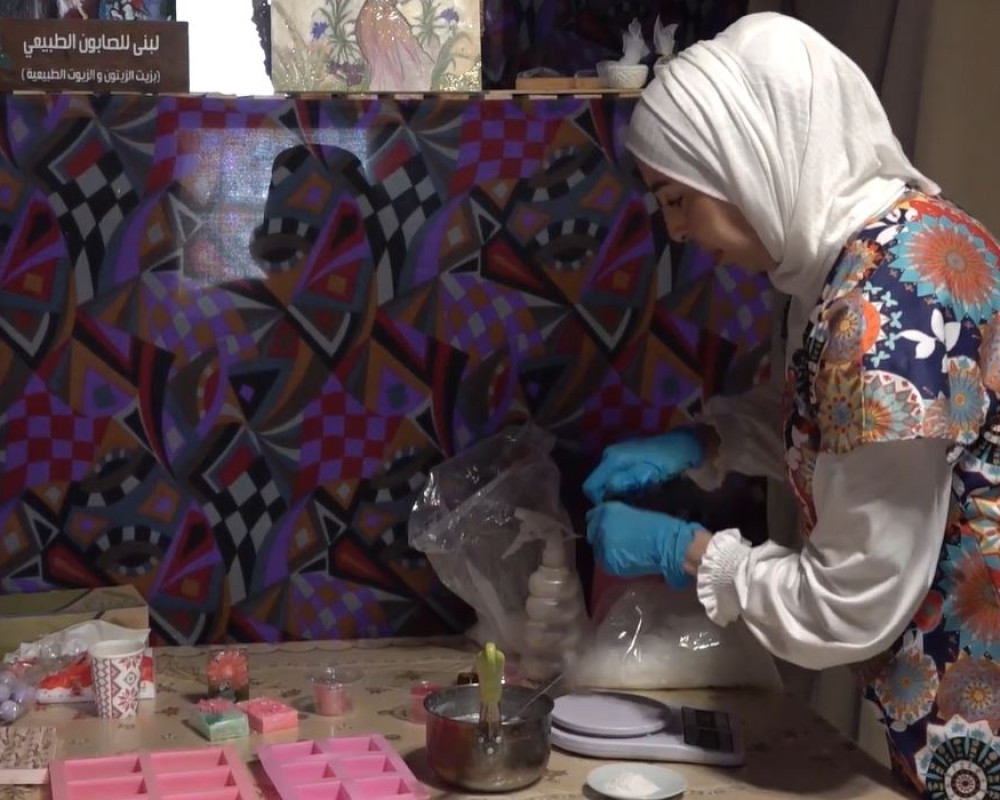
In a small workshop tucked inside Hebron’s centuries-old Old City, herbs, olive oil and other natural ingredients take on a new life.
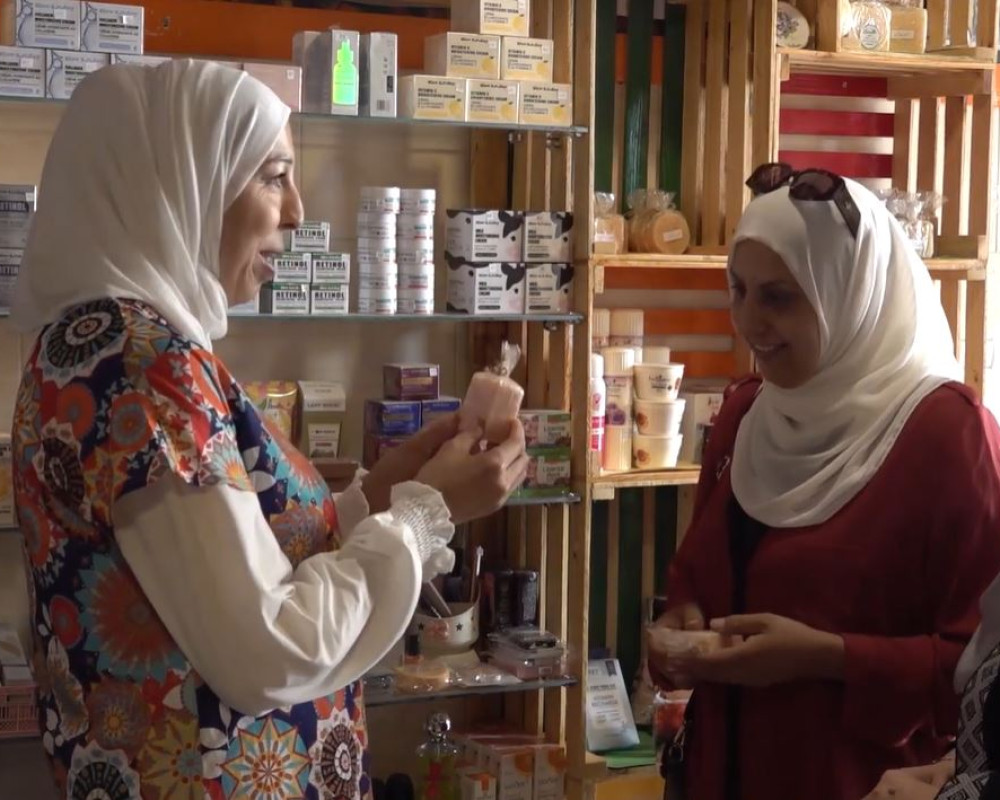
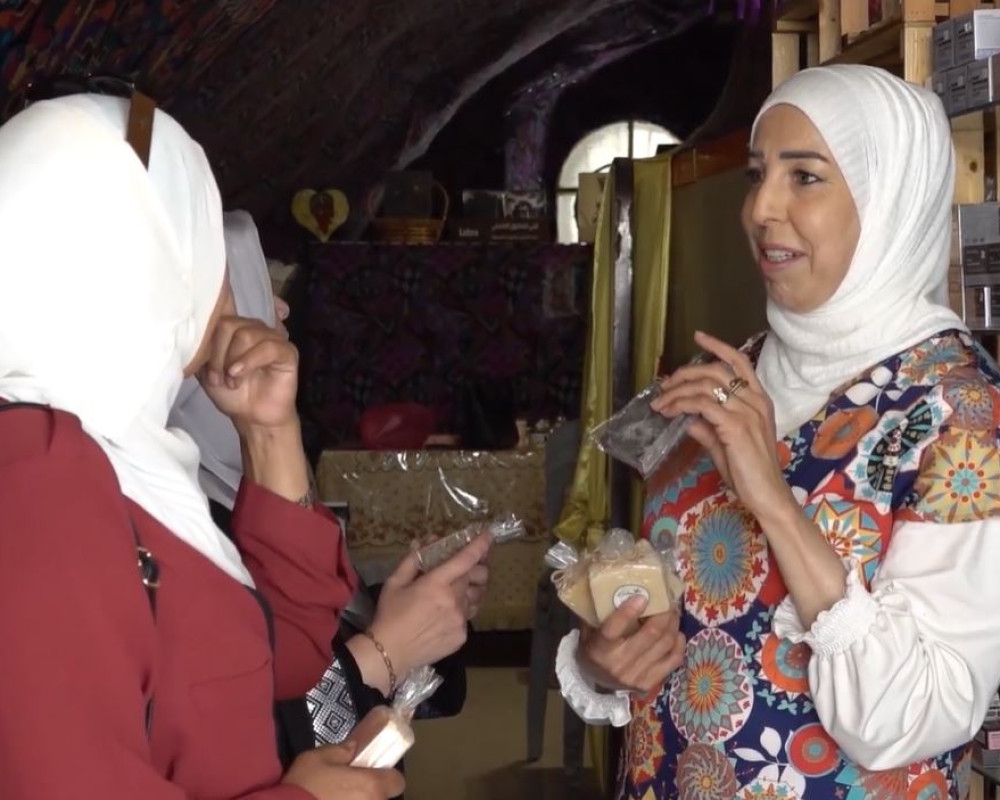
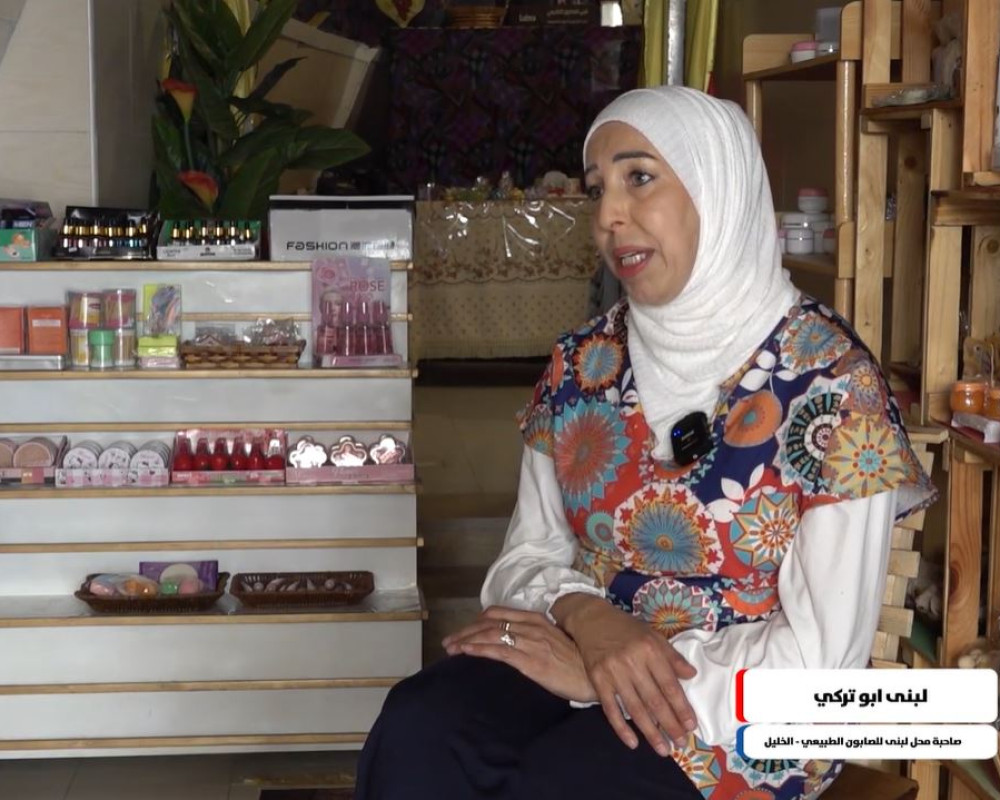
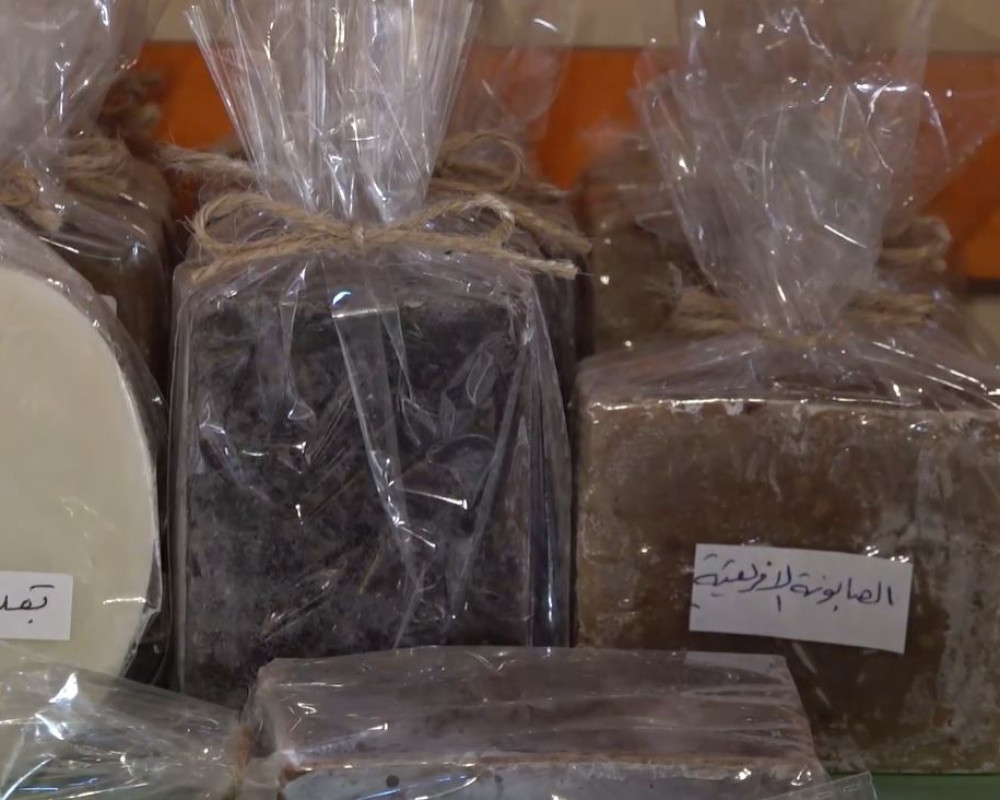
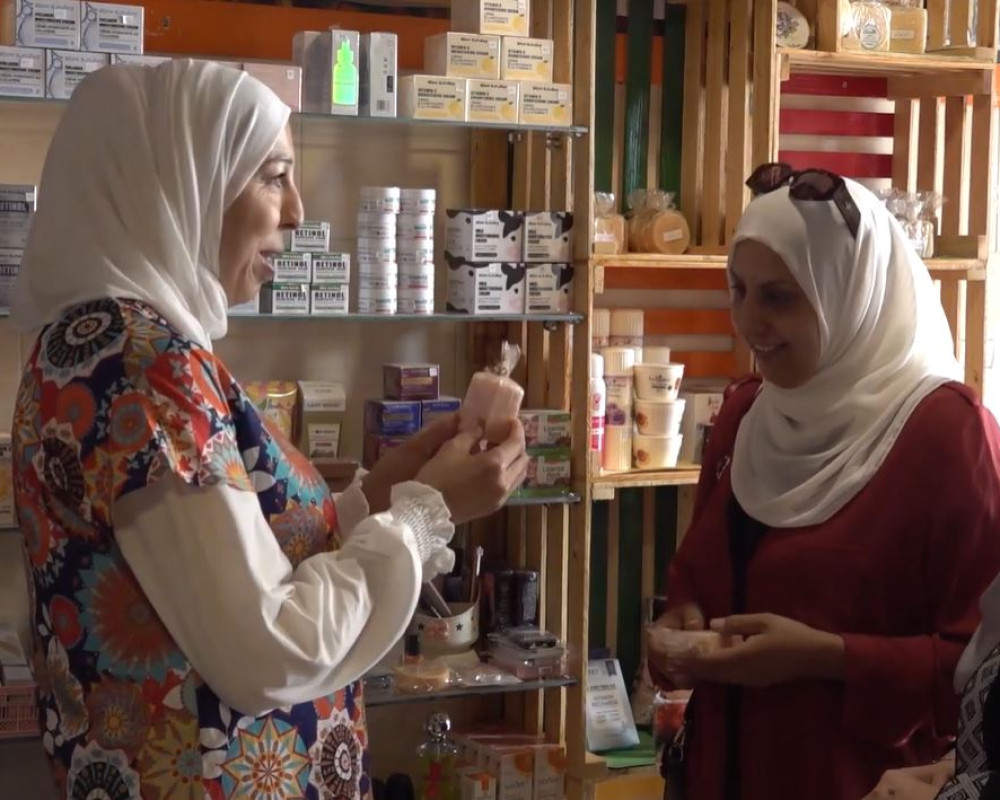
Mariam Abu Turki has turned plants long familiar in Palestinian homes and fields into soaps, creams, serums and other personal-care products, building a small business that combines traditional knowledge with modern production.
Her work begins with ingredients that are deeply rooted in the local landscape — olive oil, sage, rosemary, turmeric, rose, mint and aloe vera — but ends with products designed for a contemporary market.
For Abu Turki, the process is more than a way to make a living. It is an attempt to prove that Palestinian women can turn knowledge, local resources and creativity into sustainable businesses, while maintaining a presence in one of the country's most historically significant commercial areas.
Her journey began in 2015, when her interest in skin care developed into a more serious effort to learn how natural products could be made and developed locally. By 2017, she had moved into producing solid soaps using natural oils, gradually expanding her range of products.
What started as an experiment grew into a business.
Abu Turki later pursued specialised training in soapmaking and natural products, including courses and workshops in Turkey and France. She continued experimenting with ingredients and production methods, developing products that draw on Palestinian agricultural traditions while adapting them for modern consumers.
The result is a collection of handmade products in which familiar Palestinian ingredients are transformed into something new.
Olive oil, one of the most deeply rooted products of Palestinian agriculture, becomes part of a skin-care product. Herbs traditionally used in Palestinian households become ingredients in soaps and other preparations. Plants are no longer simply harvested or used at home; they become part of a small-scale production process that creates value and income.
But the location of Abu Turki’s business is as important as what she produces.
Her shop is located in Hebron’s Old City, an area whose traditional markets have long been part of the city’s economic and social life. Keeping a business operating there can be difficult when commercial and tourist activity declines.
Yet Abu Turki chose to establish herself there.
She secured approval to open the shop in 2023 after efforts that had begun several years earlier. The decision gave her a physical presence in the Old City while allowing her to promote a locally made product to visitors and customers beyond Hebron.
Her business has since reached exhibitions in Palestine and abroad, including events in Jordan and Kuwait, while online marketing has helped her reach customers outside the local market.
The challenges remain.
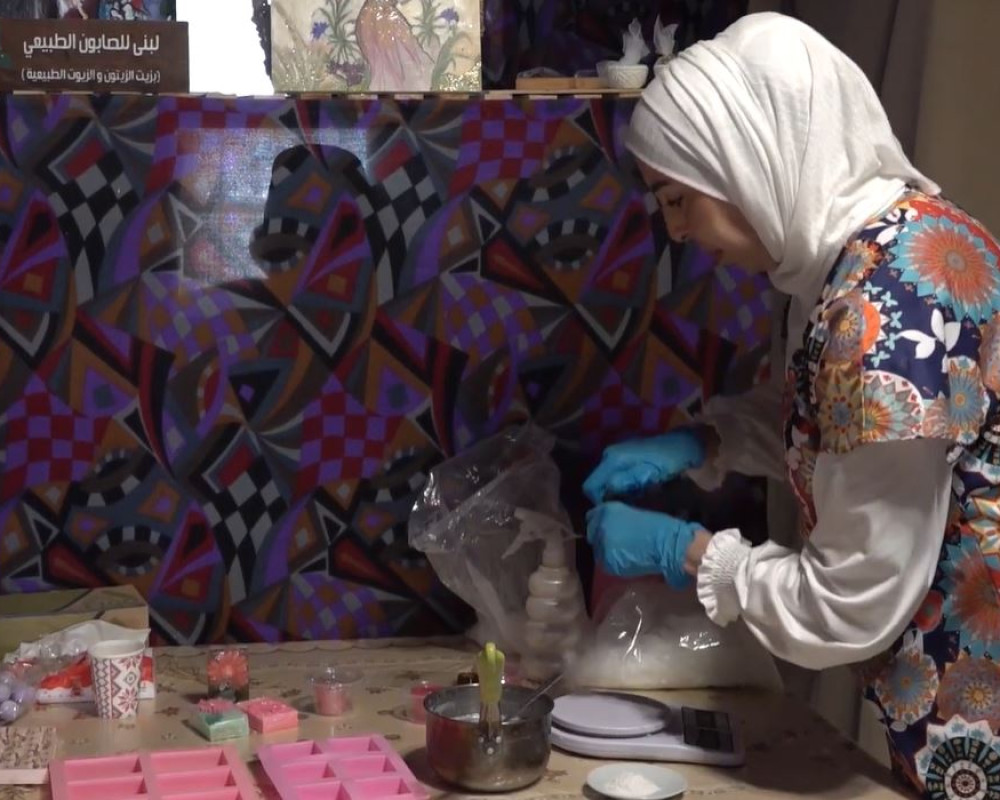
A small producer must compete for customers while dealing with changing economic conditions and reduced movement through the Old City. But Abu Turki has responded by expanding her products, developing her skills and looking beyond the traditional storefront.
Her ambition extends beyond her own business. She has spoken about establishing a training academy for women, with the aim of sharing her experience and helping other women develop their own production skills and independent sources of income.
That ambition reflects the broader story behind her workshop.
In a place where old stone buildings, traditional markets and handmade crafts are part of the identity of the city, Abu Turki is creating something that sits between heritage and entrepreneurship.
She is not simply preserving an old craft. She is adapting its ingredients, techniques and spirit to a new generation of consumers.
And every bar of soap, bottle of oil or jar of cream leaving her workshop carries a small piece of that idea: that local resources can become local products, that traditional knowledge can become a source of innovation, and that a Palestinian woman can build a business while holding her ground in the heart of Hebron’s Old City.
For Abu Turki, the future of the craft lies not only in preserving what came before, but in finding new ways to make it work today.
This video was produced as part of the Emergency Media Support Project implemented by the Palestinian Network in cooperation with Palestine Palestine Journalism Hub.