BETHLEHEM, West Bank /PNN/
When Walid Farrajah was 10, his uncle gave him a small group of chicks. What began as a simple childhood gift grew into a lifelong passion that has stayed with him alongside his career as a doctor.
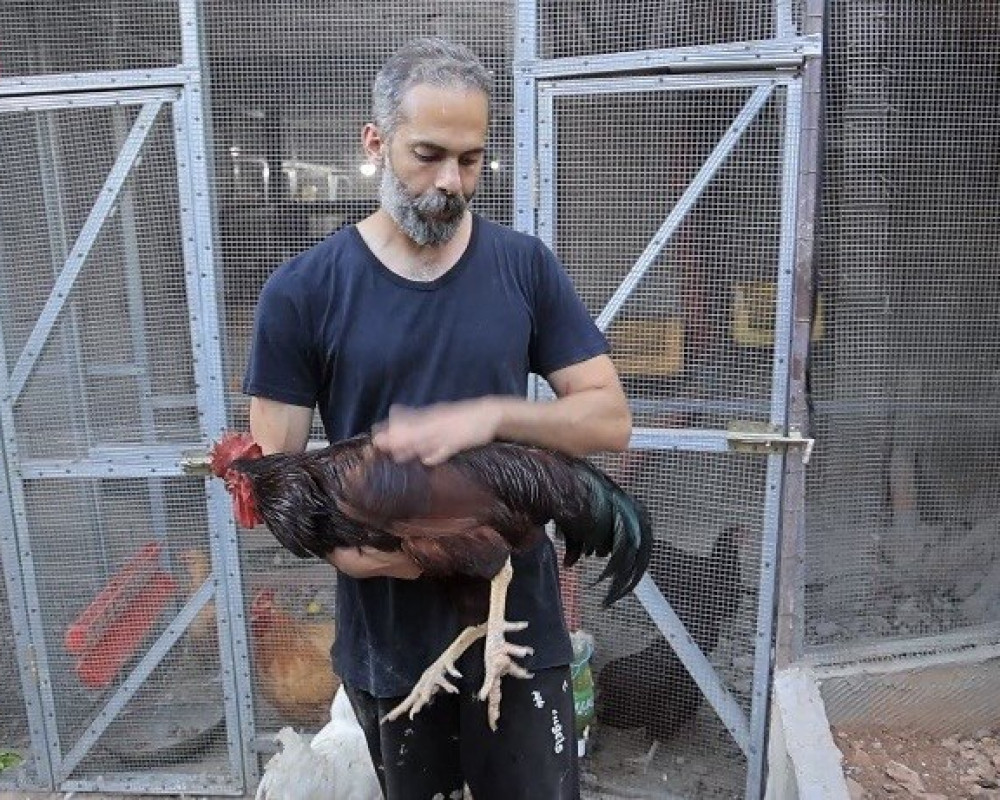
Today, Farrajah combines his medical profession with his work as a breeder of ornamental birds and domestic animals, raising birds, developing breeds and exchanging knowledge with breeders in Palestine and abroad. He also takes part in exhibitions and events dedicated to ornamental poultry.
Farrajah said his interest in breeding birds and domestic animals began when he was a child and gradually developed into an important part of his life.
He recalled that when his uncle first brought him the chicks, everyone expected the child to lose interest in them quickly. Instead, he continued caring for them until they grew, strengthening his fascination with raising animals and birds.
His interest continued through his school years, when he was drawn to projects involving animal husbandry and hands-on work. His studies and eventual medical career later left him with less time for the hobby.
Farrajah studied for his bachelor’s degree in Egypt before returning to Palestine to work. He later moved to Jordan for medical specialisation, leaving little time for breeding.
But after the war and the loss of part of his professional work, he found himself with more time to return to an interest he had never fully abandoned.
He began reading extensively and communicating with experienced breeders. His network gradually expanded to include breeders in Palestine, Turkey, Romania and other countries, allowing him to exchange knowledge and learn from their experiences.
Among the most important advice breeders share, Farrajah said, is the saying: “Keeping an eye on your birds is medicine.”
The phrase reflects the importance of observing birds continuously and paying attention to changes in their behaviour or health. Early detection, he said, can be critical to identifying and treating a problem before it becomes more serious.
That experience has deepened Farrajah’s attachment to the hobby. His relationship with birds and animals, he said, is no longer simply about breeding them, but about continuous learning and sharing knowledge with other breeders.
The process of breeding birds generally begins with two main options: producing birds within a farm or obtaining them from other breeders.
Depending on the breeder’s objectives and resources, birds can be acquired at different stages, including fertilised eggs, chicks or mature birds. Each option comes with different costs, advantages and disadvantages.
Farrajah said breeders who rely on their own production have greater control over which birds are selected for breeding. This allows them to gradually improve the quality of a line by choosing roosters and hens with desirable characteristics, while also benefiting from exchanging birds and expertise with other breeders.
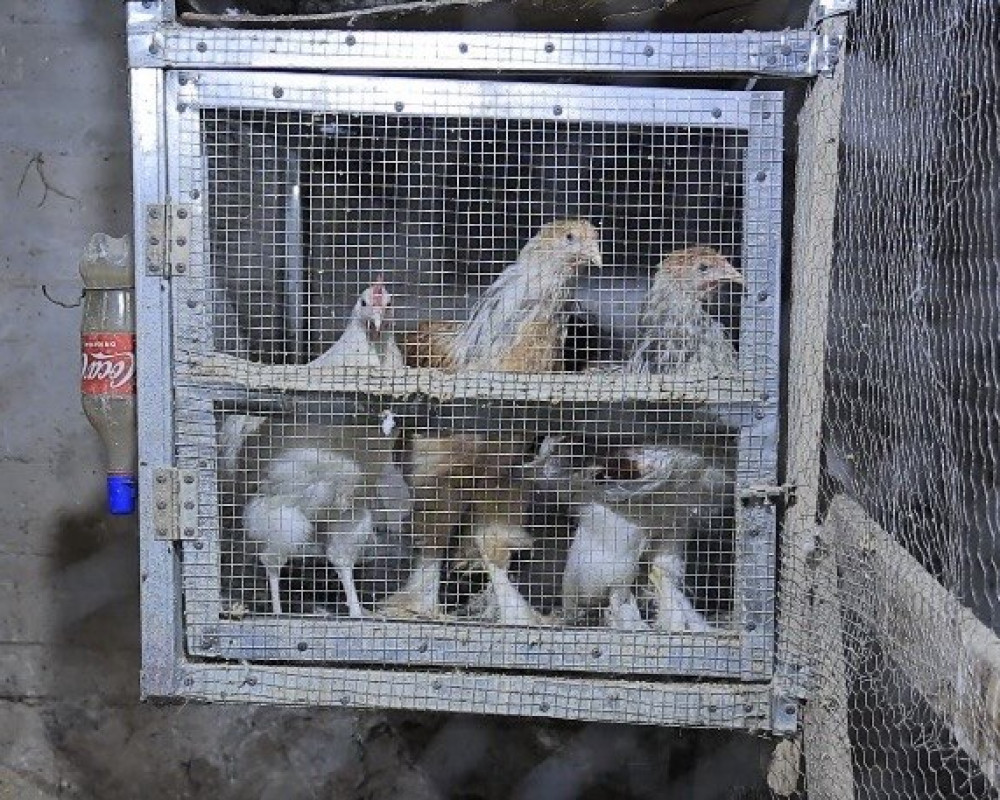
Proper breeding, he said, begins with selecting healthy birds for reproduction. They should receive the necessary vaccinations, vitamins and appropriate nutrition to ensure the production of high-quality fertilised eggs capable of producing healthy chicks.
Once a chick hatches, it requires continuous care and monitoring, including timely vitamins and vaccinations and an appropriate brooding programme that changes as the chick grows.
Temperature is another critical part of early care, Farrajah said. Chicks require significantly higher temperatures during their first days, potentially above 35 degrees Celsius, but their need for external heat gradually decreases as they grow and become able to adapt to normal temperatures.
Many of the skills involved in raising birds are acquired through experience, Farrajah said, again stressing the importance of constant observation.
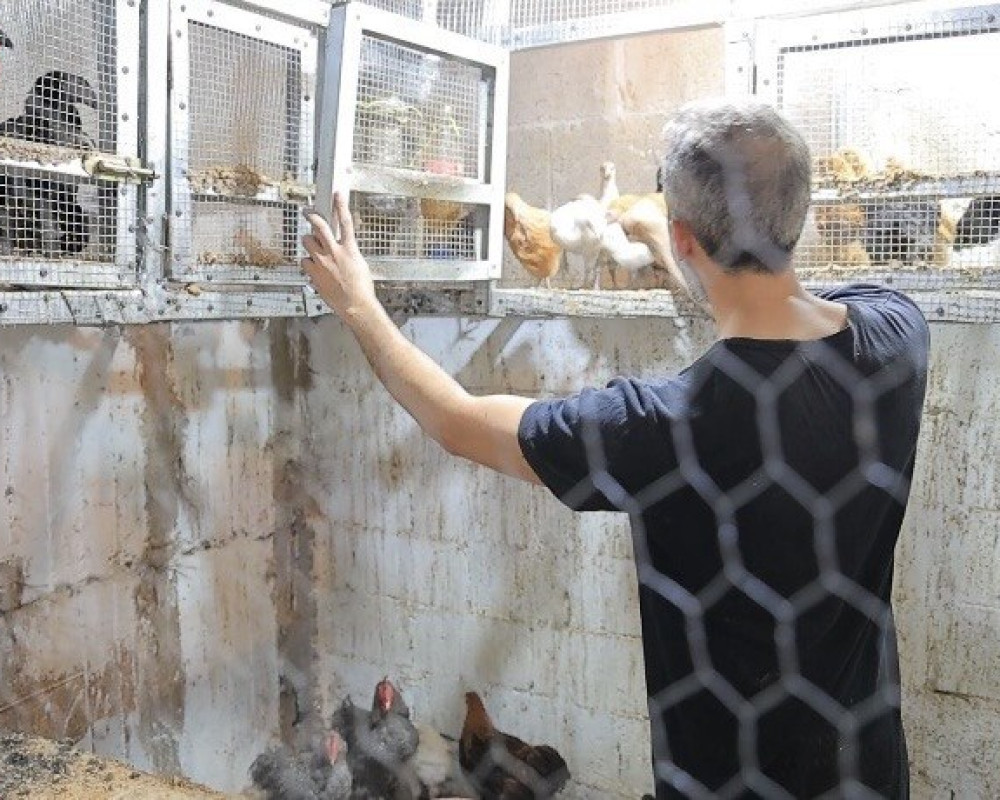
A breeder who monitors birds every day can detect changes in behaviour or health at an early stage, allowing a sick bird to be treated or isolated and reducing the risk of disease spreading through the flock.
Farrajah has developed a collection of distinctive breeds, including White Australorp chickens, which he obtained from a breeder in Istanbul by acquiring fertilised eggs and hatching them locally.
His collection also includes White Lakenvelder, White King, Cochin and Wyandotte chickens in several colour varieties, as well as Ayam Cemani chickens, known for their black plumage and distinctive dark skin and meat.
For Farrajah, however, ornamental poultry breeding is not simply about acquiring rare or distinctive breeds.
It is also about continuous improvement, developing the quality of existing birds and introducing new breeds in an effort to raise the standard of breeding and production locally.
He said establishing clubs for animal and ornamental poultry breeders is part of a practice found in many countries around the world.
One active example in Palestine is a club for Brahma chicken breeders, which organises exhibitions where breeders can display their birds and introduce different breeds to the public. The club also organises auctions for buying and selling birds.
Such events provide breeders with an opportunity to meet, exchange experiences and learn from one another, helping to develop the hobby and raise standards in ornamental poultry breeding.
Farrajah said the latest activity organised by the Palestinian Brahma Club was the Southern Ornamental Chicken Exhibition, which brought together breeders from the Hebron, Bethlehem and Jerusalem areas.
The exhibition gave breeders an opportunity to display high-quality birds to the public. Individual cages were allocated according to the number of birds displayed, while breeders covered their own participation costs as part of efforts to support the event and encourage interest in ornamental poultry.
The exhibition was open to the public and attracted families and children, who interacted with the birds and took photographs.
Farrajah described the event as a positive experience that brought breeders and the public together, introduced visitors to ornamental poultry and encouraged greater interest in the hobby.
From a childhood fascination with a handful of chicks to years of experience breeding distinctive poultry, Farrajah continues to develop his birds, exchange knowledge and take part in exhibitions.
For him and other breeders, ornamental poultry breeding has become more than a pastime. It is a space where knowledge, patience and passion come together — and where a childhood interest can grow into a lifelong craft.
This video was produced with financial support from CFI, Expertise France and the European Union. The content of this document is the sole responsibility of the beneficiary and may not, under any circumstances, be considered to reflect the views or position of CFI, Expertise France or the European Union.