BETHLEHEM, West Bank / PNN /
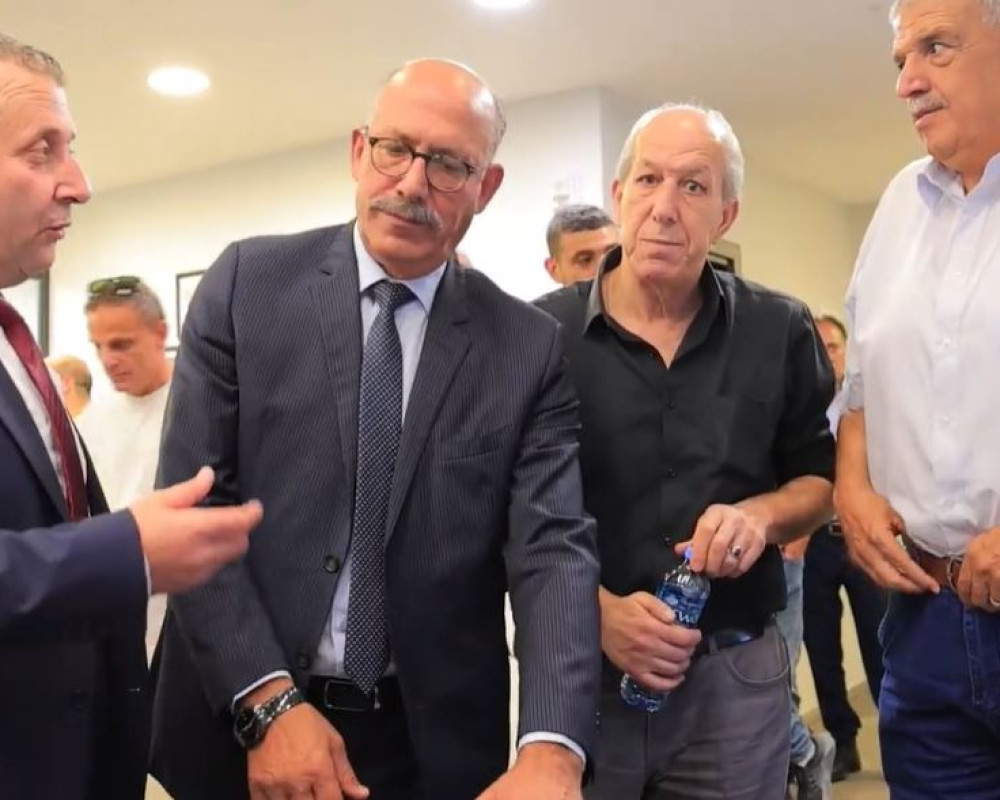
The Palestinian Industrial Estates and Free Zones Authority organised a media tour of the Bethlehem Industrial Estate for journalists, media representatives and economic programmes, as part of efforts to showcase the achievements of Palestinian industrial estates, promote locally manufactured goods and strengthen public awareness of Palestinian products.
The tour comes as Palestinian industry continues to keep production moving despite mounting difficulties in securing raw materials, marketing products and accessing markets.
At the Bethlehem Industrial Estate, these challenges are reflected in the experience of factories and investors determined to continue operating despite the impact of the war, road closures and competition from imported goods. Industry representatives say greater support for Palestinian products and stronger protection for local manufacturing have become essential to strengthening the economy and preserving jobs.
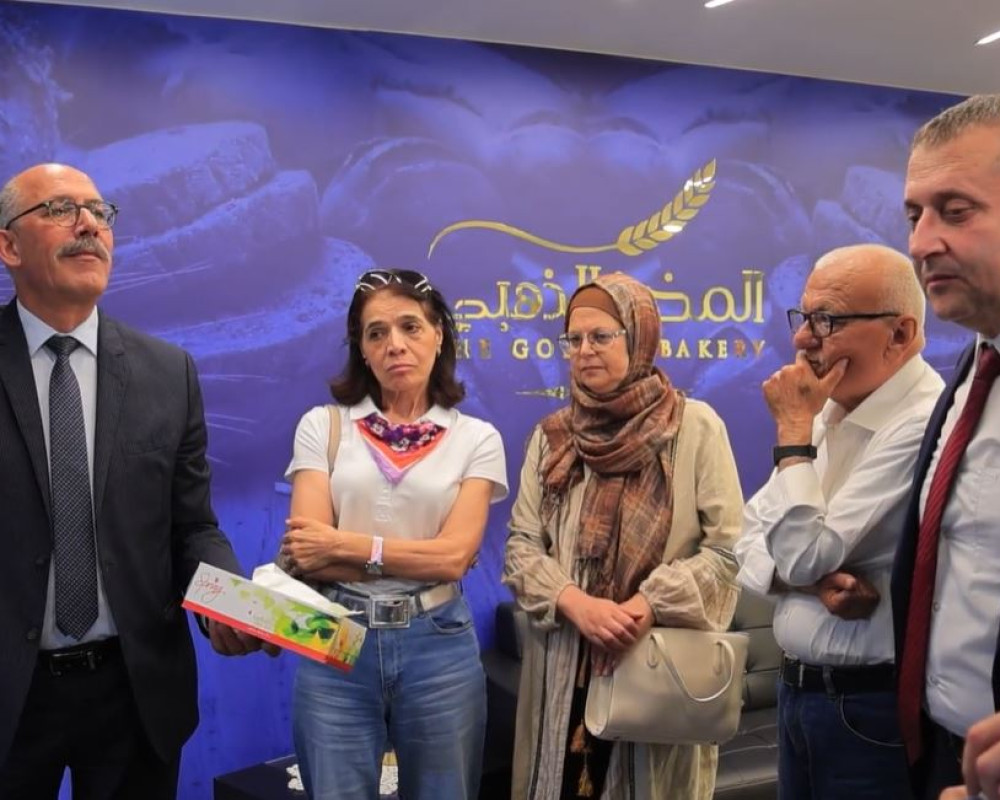
The tour included a visit to the headquarters of the Bethlehem Industrial Estate Company, the company responsible for developing and operating the estate. The media delegation was received by Dr. Imad Al-Zeer, the company’s director general, and engineer Rania Alyan, its projects director, who welcomed the journalists and representatives of the Industrial Estates Authority.
Bethlehem Industrial Estate hosts 11 industrial sectors and continues to expand
Speaking to journalists during the visit, Al-Zeer highlighted the industrial estate’s role in supporting Palestinian manufacturing and said it had made significant progress despite the difficult economic and political conditions facing Palestinians.
39 investors and 27 operating factories
The Bethlehem Industrial Estate covers about 195 dunams and currently includes around 39 investors and operators, Al-Zeer said. Of these, 27 are operating factories, while seven others are under construction and are expected to begin operations by the end of this year.
The estate has developed infrastructure designed to support industrial activity, Al-Zeer said. But the current circumstances have placed exceptional pressure on economic, social and industrial sectors, with the repercussions of the Israeli offensive, road closures and restrictions on movement making it more difficult to transport raw materials and finished products to Palestinian markets.
Al-Zeer praised investors, factory owners and industrial workers for continuing to operate under such conditions, describing their determination as an important example of Palestinian economic resilience.
He said trade and imports were increasingly affecting the ability of local industries to remain competitive, making greater support for Palestinian products and domestic manufacturing necessary.
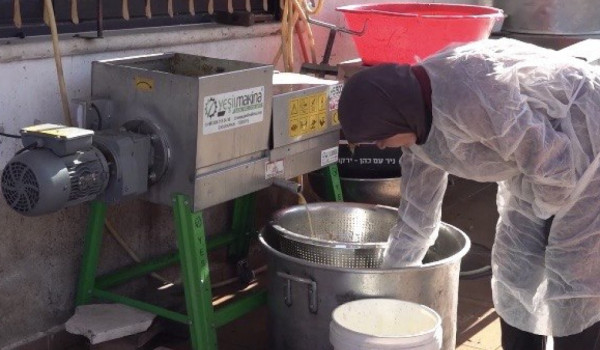
The Bethlehem Industrial Estate is home to factories operating across about 11 industrial sectors, including food processing, metalworking, manufacturing and cardboard production. Most are light industries that have a direct impact on the Palestinian market and produce goods that meet high quality and technical standards, Al-Zeer said.
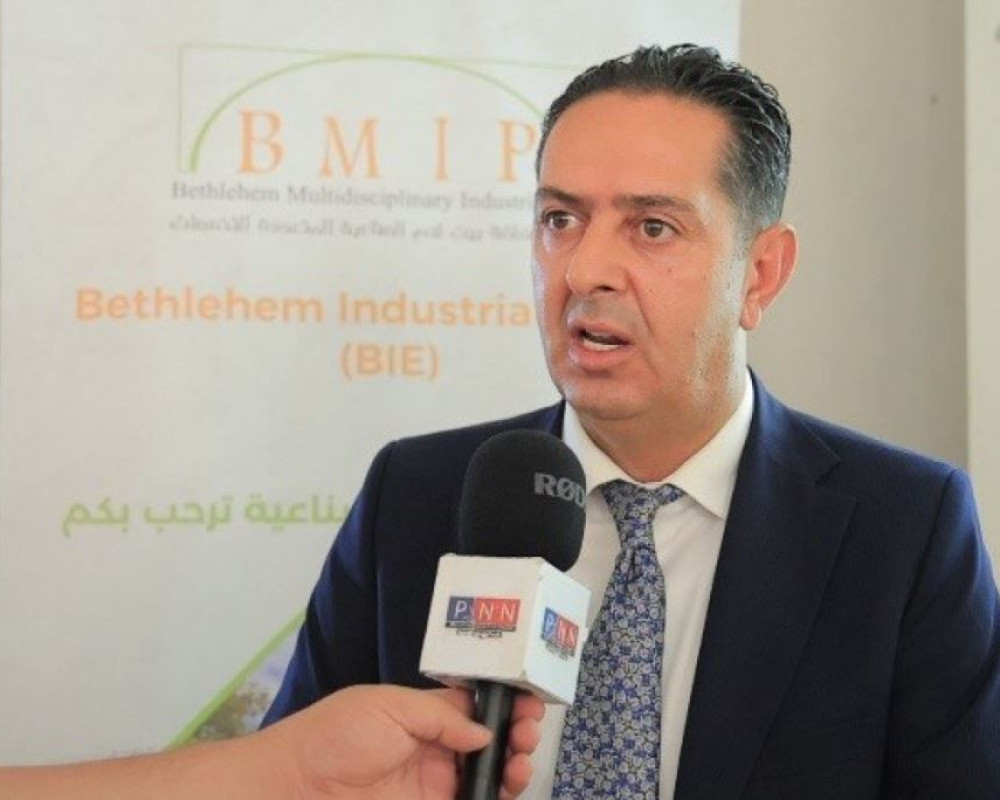
He stressed the importance of promoting Palestinian products and increasing public awareness of locally manufactured goods, saying that protecting and strengthening the industrial sector was a shared responsibility, particularly under the current circumstances.
More than 700 jobs currently, with further growth expected
Factories operating at the estate currently provide between 650 and 700 jobs, despite reductions since the beginning of the Israeli offensive, Al-Zeer said.
He expects employment to exceed 1,000 once factories return to full operating capacity and all 39 investors are fully operational, bringing the industrial estate closer to its intended capacity.
Al-Zeer said he was proud of the Bethlehem Industrial Estate and its achievements, describing it as a model that could inform the development of other Palestinian industrial estates and zones.
He said determination and resilience could help build a vibrant industrial sector despite limited resources.
Al-Zeer also praised the Ministry of National Economy and other Palestinian institutions for their support of industrial estates and the wider manufacturing sector, stressing the need for continued cooperation and resilience in confronting the challenges facing Palestinian industry.
He expressed hope that 2027 would bring greater opportunities and improved conditions for the Palestinian industrial sector and labour market.
Elyan: 97% of infrastructure completed
Rania Elyan, the operating company’s development projects director, gave the delegation an overview of the industrial estate’s history and development, highlighting partnerships with international institutions, including French and European Union partners, that contributed to the development of roads, electricity networks and other infrastructure.
Elyan said 97% of the infrastructure had been financed through rental revenues generated by the estate itself. All available sites are currently leased, she said, while the company continues to implement development and maintenance plans, provide incentives for investors and support small and craft-based businesses through business incubators.
The estate also has an integrated security system, including surveillance cameras and security personnel. Future plans include further improvements to services, including the establishment of an emergency and civil defence centre equipped to modern standards.
Elyan said the Bethlehem Industrial Estate represented a sustainable and secure industrial environment and an important economic driver at a time of exceptional challenges.
She reaffirmed the commitment to maintaining production and investment inside Palestine rather than moving businesses abroad.
Industrial Estates Authority shifts focus to promoting Palestinian products
Engineer Khaled Al-Amleh, chief executive of the Palestinian Industrial Estates and Free Zones Authority, said the authority was increasingly using media and public outreach to promote products manufactured at the Bethlehem Industrial Estate.
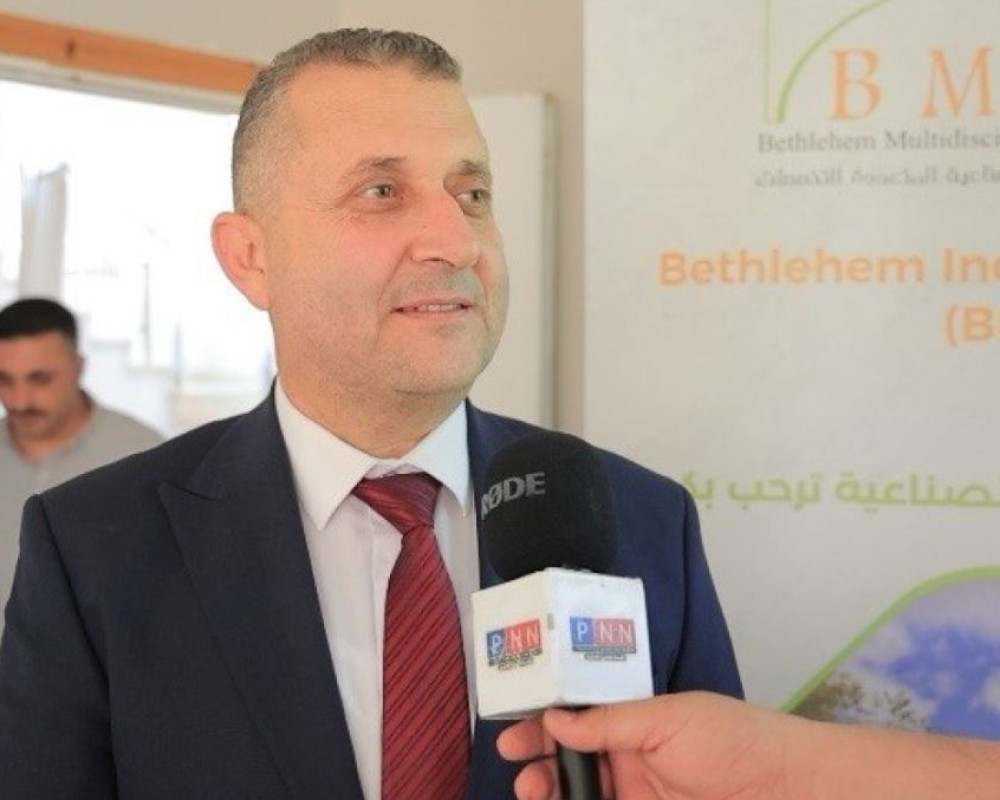
In the past, much of the authority’s promotional work focused on attracting investors and highlighting available investment opportunities. Now that the Bethlehem estate has reached full occupancy, with no additional space available for lease, the emphasis has shifted towards showcasing the Palestinian products being manufactured there and highlighting the quality and diversity of local industry, Al-Amleh said.
The estate hosts a range of factories, including businesses in construction-related and food industries. Its challenges reflect those facing Palestinian industry more broadly, he said, including difficult economic conditions, Israeli restrictions and closures that affect production, movement and access to markets.
“The current circumstances are not easy,” Al-Amleh said, but added that opportunities remained and that a spirit of resilience continued to drive companies and factories to operate, albeit at a reduced pace and with limited resources.
The Bethlehem Industrial Estate currently has 39 lease agreements, while about 25 factories are operating effectively and providing around 600 jobs, Al-Amleh said.
He stressed that the authority’s ambitions for the industrial sector went far beyond the current situation, adding that existing restrictions were limiting factories’ operating capacity but that the authority was working to strengthen the ability of industrial estates and investors to expand production.
Financing programmes and incentives for investors
Al-Amleh said the authority follows an open-door policy towards the private sector and regularly meets with investors and factory owners to hear their concerns and discuss their needs.
The authority is also leading several financing initiatives to support investors in Palestinian industrial estates. One European Union-funded project began in April and aims to finance investors seeking to relocate to industrial estates, as well as existing investors looking to expand their production capacity.
The authority is also consulting with the Palestinian Investment Promotion Agency on a package of incentives for investors in the industrial estates in Jericho, Bethlehem and Jenin, alongside programmes tailored to the needs of each location.
Al-Amleh said a French-funded programme specifically targeting the Bethlehem Industrial Estate would provide financing for investors, including support towards part of their construction costs.
A separate programme is being developed to provide concessional loans to investors in the Jericho Industrial Estate, he said.
The authority is also working with the Palestinian Investment Promotion Agency on an investment incentive programme that would include tax incentives for investors operating inside industrial estates.
Details of the programme will be announced at a later stage, Al-Amleh said, adding that its aim is to create a more supportive investment environment, strengthen the ability of industrial estates to attract investment and expand productive activity.
Investors call for stronger measures to protect local industry
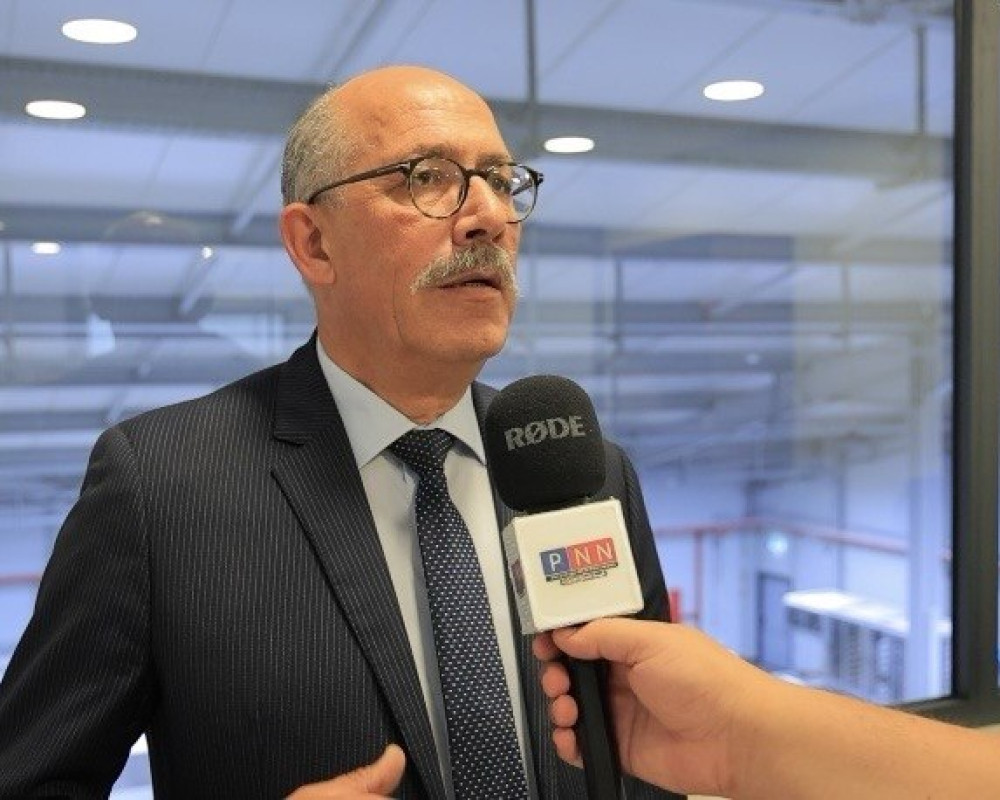
Jrees Qara, manager of Al-Makhbaz Al-Thahabi bakery, said greater attention should be given to Palestinian products and to promoting local industry through the media.
He said media visits to factories help introduce consumers to Palestinian products and demonstrate the progress made by local manufacturers.
Many consumers remain unaware of the scale of development achieved by some Palestinian companies and factories, Qara said. Al-Makhbaz Al-Thahabi, for example, has obtained ISO certification, reflecting its quality standards and compliance with established requirements.
Such achievements need wider media coverage to reach different segments of Palestinian society, he said.
Qara described the media as an important factor in strengthening the national product and called for more coverage of Palestinian industries and their success stories. Such coverage, he said, can strengthen consumer confidence in locally made goods and encourage people to buy them.
He also called on the Palestinian government and relevant authorities to provide greater support and protection for the industrial sector, arguing that consumer protection should go hand in hand with protecting domestic producers and industry.
Factory owners are working long hours and making significant efforts to keep their businesses operating and production going despite difficult and exceptional economic and political conditions, Qara said.
The current circumstances have compounded the pressures facing factory owners and industrial workers, he said, adding that the sector was exhausted but remained committed to working, investing and producing inside Palestine.
Despite the accumulated challenges, industrial workers continue to work to preserve their factories and products, Qara said, calling for a more supportive environment that would allow Palestinian industry not only to survive the current crisis but also to develop and expand.