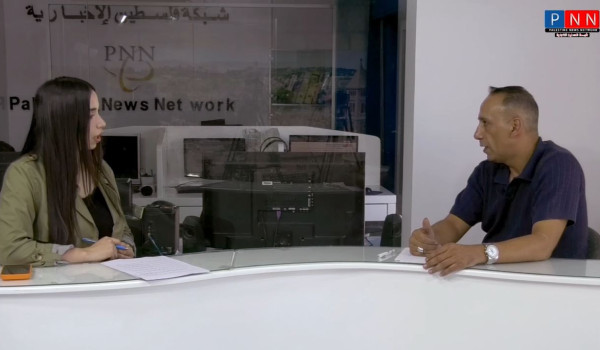
DEIR AL-BALAH, Gaza Strip /PNN /
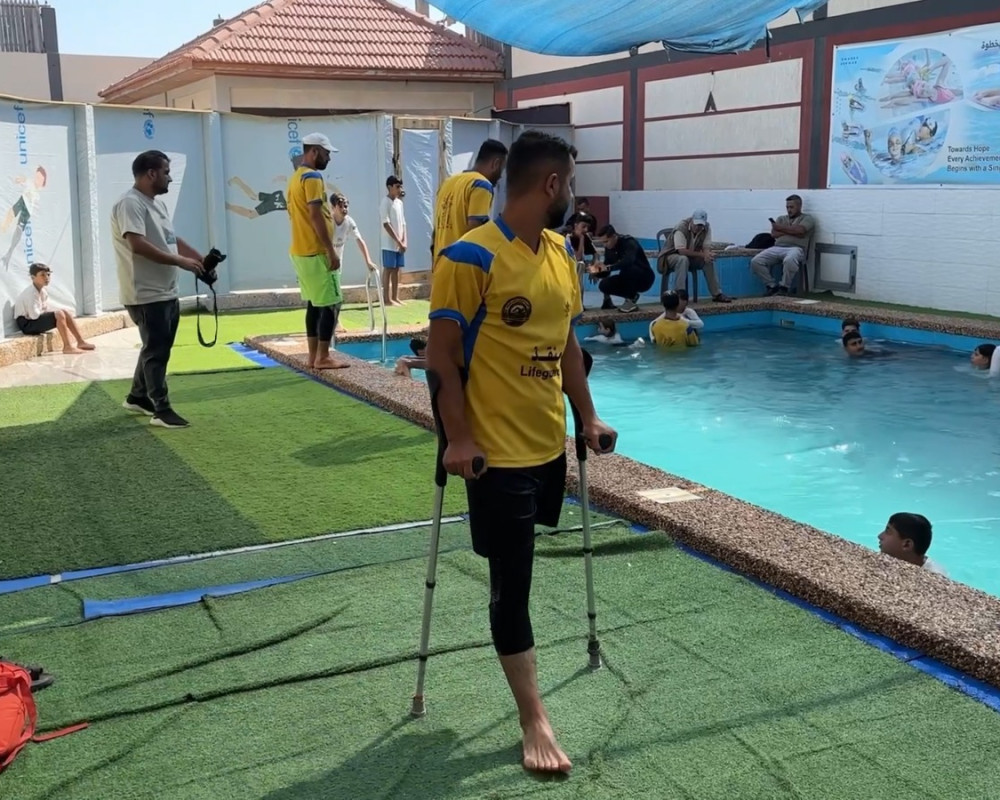
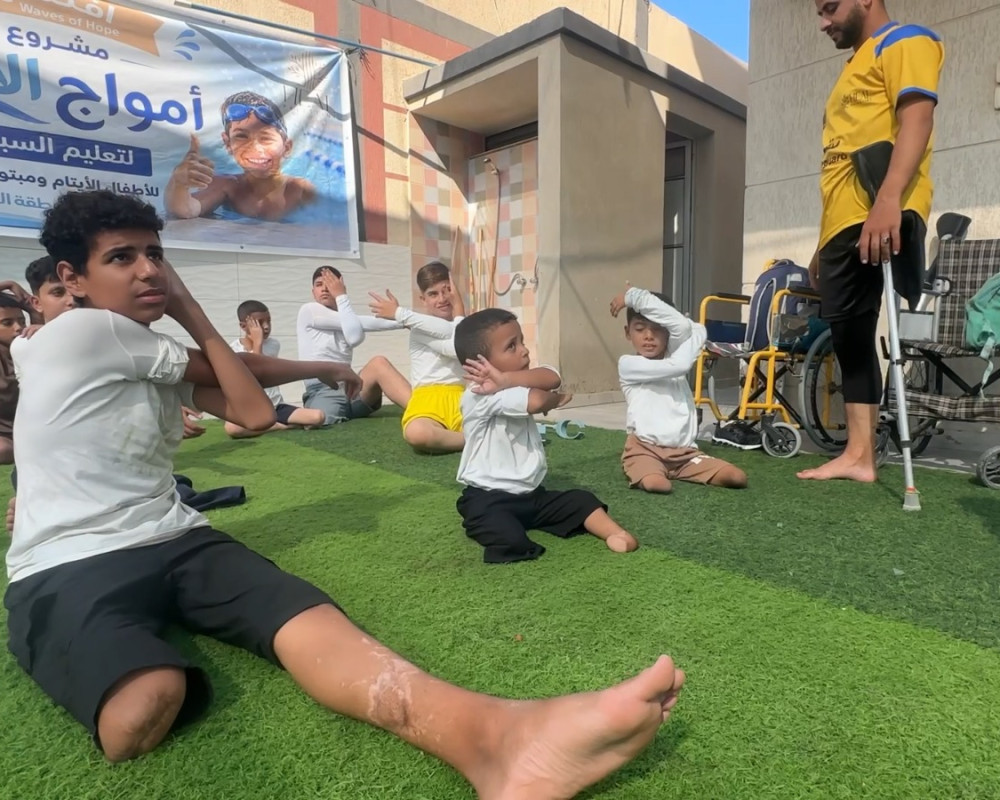
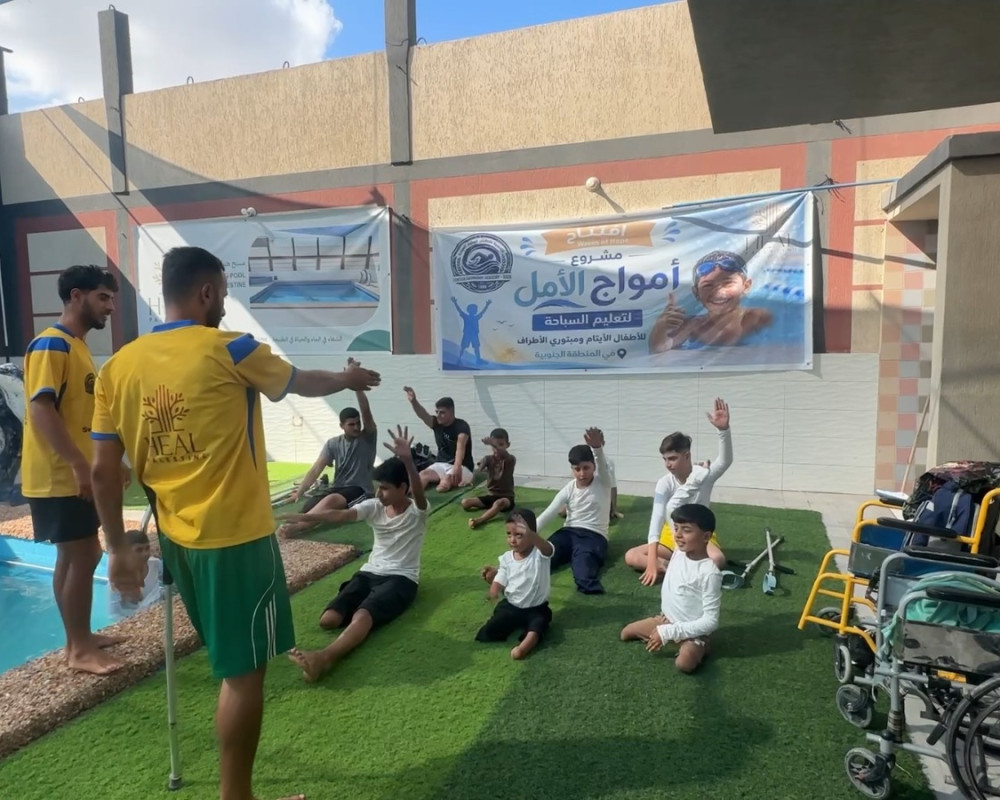
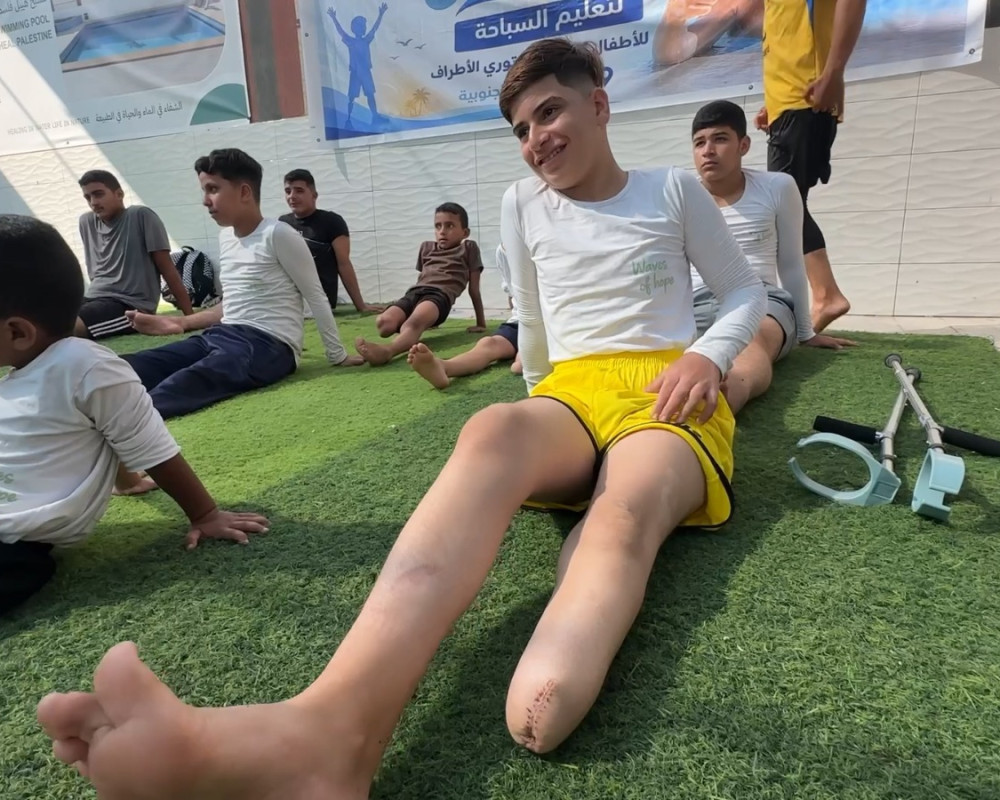
In a swimming pool in the central Gaza city of Deir al-Balah, children who have lost limbs are learning more than swimming skills. They are taking part in an effort to rebuild their confidence, cope with the psychological impact of war and regain a sense of normality in a safe space for sport and emotional support.
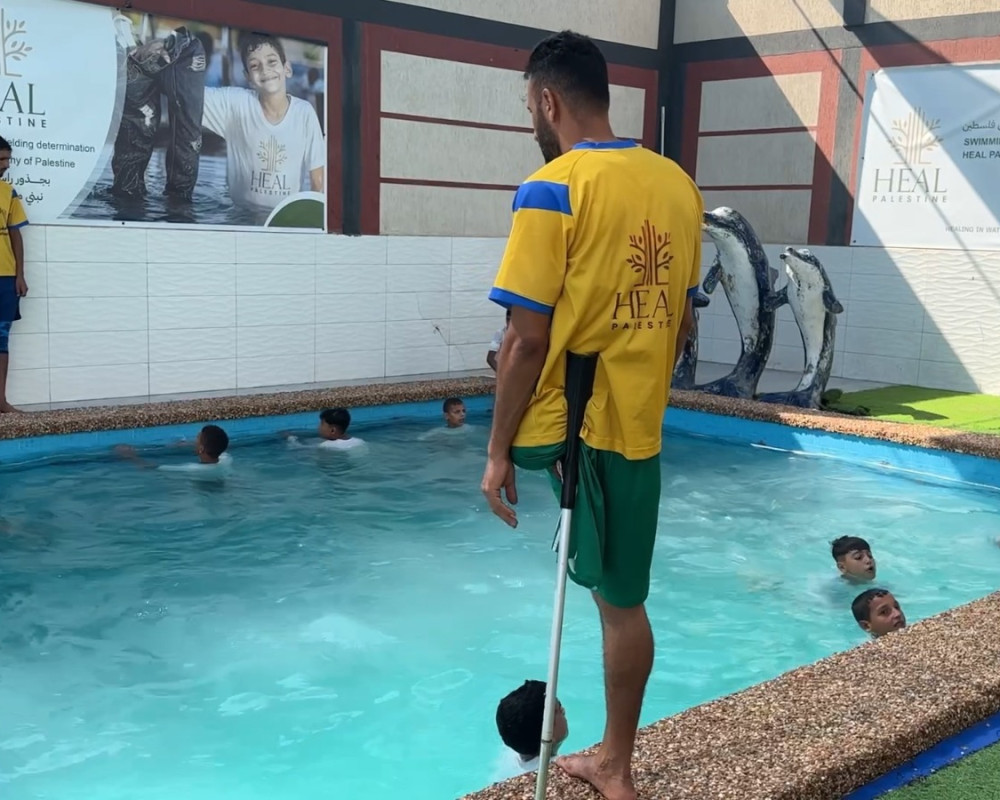
Among those training the children is Nour al-Din Mohammed Mustafa Qashqash, who was displaced from Beit Lahia to central Gaza. His own path to the pool has been shaped by the war.
A swimming coach before the conflict, Qashqash found himself facing a very different challenge when he was asked to train children who had lost limbs during the war.
He says receiving the call to return to coaching was difficult at first. He wondered how someone who had previously trained able-bodied swimmers could work with children living with amputations, painful experiences and harsh conditions.
Qashqash was himself wounded while working as a pharmacist at an improvised medical point, alongside a group of doctors as Gaza's health system came under severe strain.
He says he was shot by an Israeli sniper while providing first aid and medical treatment to a young child.
But his injury did not keep him away from the swimming pool. This time, he returned as a coach for children with amputations as part of a project run by Al-Shifa Palestine Foundation in partnership with Tanzeef Swimming Academy.
The transition from swimming coach to coaching amputee children was not easy, he says. But he received guidance from experienced trainers, including Saadi al-Masri and coach Khudair, a member of the Palestine national team, who helped him learn how to work with the children and adapt training to their needs.
Qashqash describes the experience as “very difficult”, saying that adapting to a radically changed reality is not something people can easily accept. For him, faith and patience have provided the strength to continue.
Returning to the pool also changed his own psychological state, he says, helping him move from isolation and negative feelings towards greater positivity and activity.
Through his work, Qashqash is trying to help the children overcome some of the pain he has experienced himself.
He says he once dreamed of becoming a swimmer who would represent Palestine. Today, he hopes to pass that dream on to a child who has lost a limb, with the hope that one of them will one day compete for the Palestinian national team and carry the story of his people to the world.
Despite the scale of the losses and suffering, Palestinians still “love life and give as much as they can”, he says.
The project currently includes 22 children. Its organisers hope to double that number and reach more amputee and orphaned children as psychological and social needs continue to grow among children in Gaza.
Qashqash says the goal is not simply to teach swimming. It is also to help children reduce stress, regain their ability to interact with others and rediscover the confidence to smile.
For him, seeing children laughing in the pool is an achievement in itself.
But the project faces significant challenges, including difficulties bringing in flotation devices, life jackets and other equipment needed by the children because of restrictions on crossings and access routes. The shortage of equipment limits the project's ability to accommodate more children.
Qashqash called on international organisations and other relevant bodies to support the programme and provide the equipment and resources it needs to help improve the children's psychological wellbeing and enable them to return to physical activity.
A project combining sport and psychological support
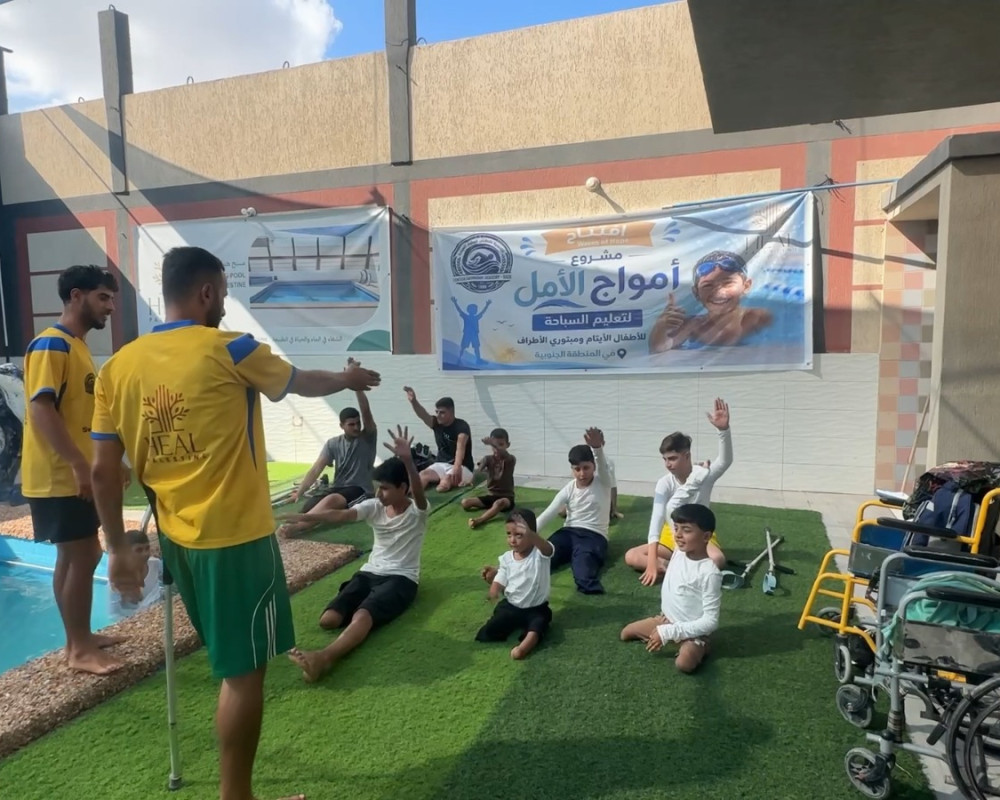
Ibrahim Abu Jarad, director of the swimming project at Al-Shifa Palestine Foundation, says the programme began in early July and will run for three months in partnership with Tanzeef Swimming Academy.
The project has a team of 12 coaches, supervisors and lifeguards, including four male and four female swimming coaches, alongside the lifeguarding and supervisory staff.
Abu Jarad says the foundation aims to provide children with a safe space where they can express their abilities, ambitions and creativity.
When the programme began, many of the children were showing clear signs of psychological distress linked to the war, he says. Some were frightened or hesitant about entering the water.
For that reason, the programme includes a psychological support component supervised by specialised trainers. The aim is to build the children's confidence and reinforce their belief that they can learn, develop new skills and achieve their goals.
Abu Jarad says the children's progress has been clear. They have become more committed to the sessions and have acquired a range of swimming skills.
The project nevertheless faces several challenges, including providing transportation and ensuring the children's safety, as well as maintaining water quality and the required levels of disinfection. The foundation monitors these issues continuously, he says.
"The coaches taught me how to swim"
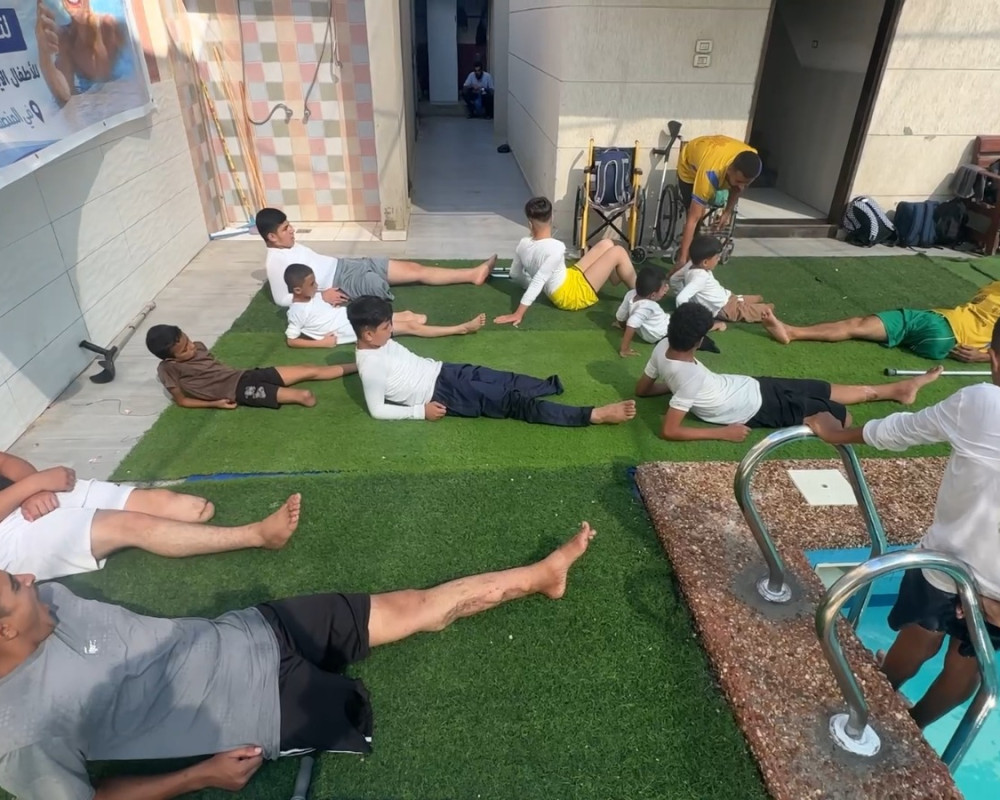
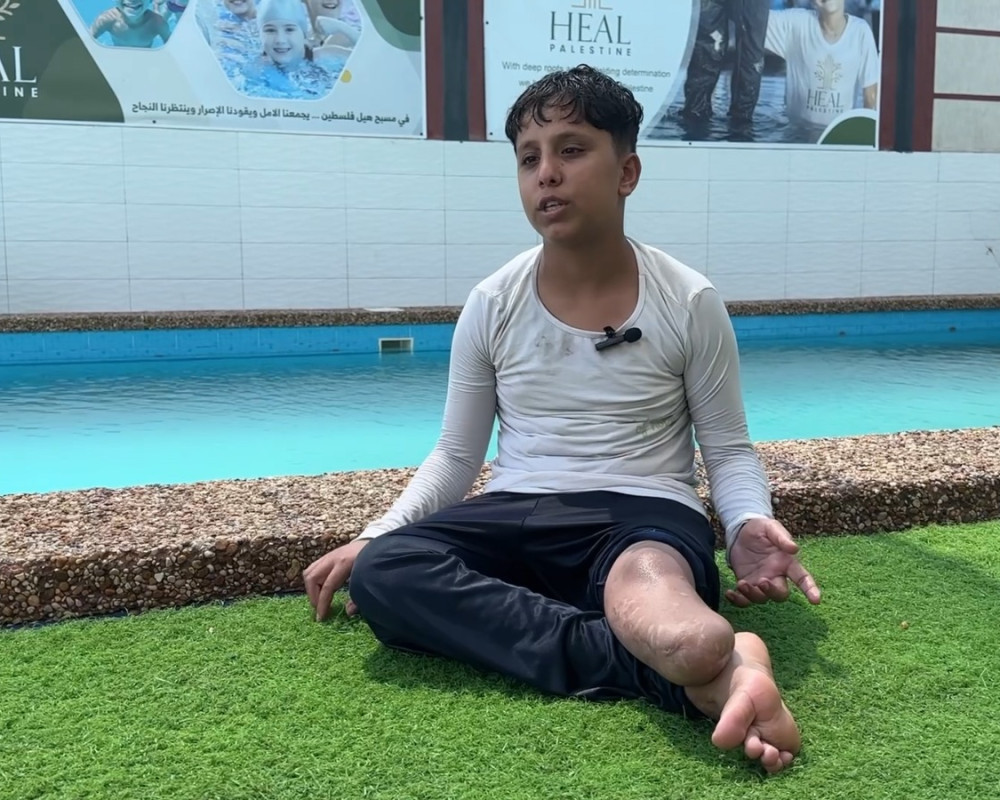
Ahmed Abdullah, one of the children taking part in the programme, carries his own painful experience of the war. He lost his father and siblings during the conflict.
He says that after he was injured, he initially believed he would never be able to take part in activities again. His coaches later told him that he could still practise sport and learn to swim.
Instead of remaining without a hobby or physical activity, Ahmed began training in the pool. He says his ability has improved significantly.
“I didn't know how to swim before. The coaches taught me the movements and how to swim,” Ahmed says.
Inside the swimming pool, sport has become more than training for the children taking part.
It is an attempt to reclaim a piece of a life transformed by war — a place where they can move, play and look towards the future with greater confidence despite their injuries, loss and the difficult conditions surrounding them in Gaza.
This video was produced with financial support from CFI, Expertise France and the European Union. The contents of this document are the sole responsibility of the beneficiary and can under no circumstances be regarded as reflecting the position of CFI, Expertise France or the European Union.