GAZA STRIP / PNN /
For Shorouq Saadallah and her family, displacement has meant more than leaving home in search of safety.
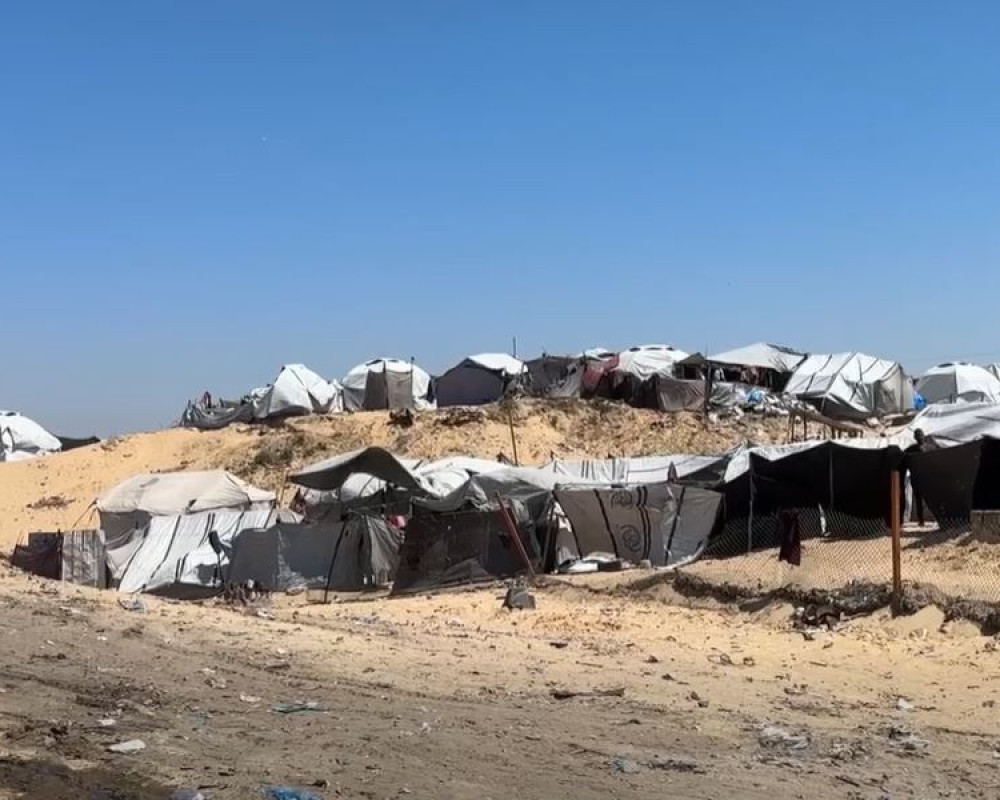
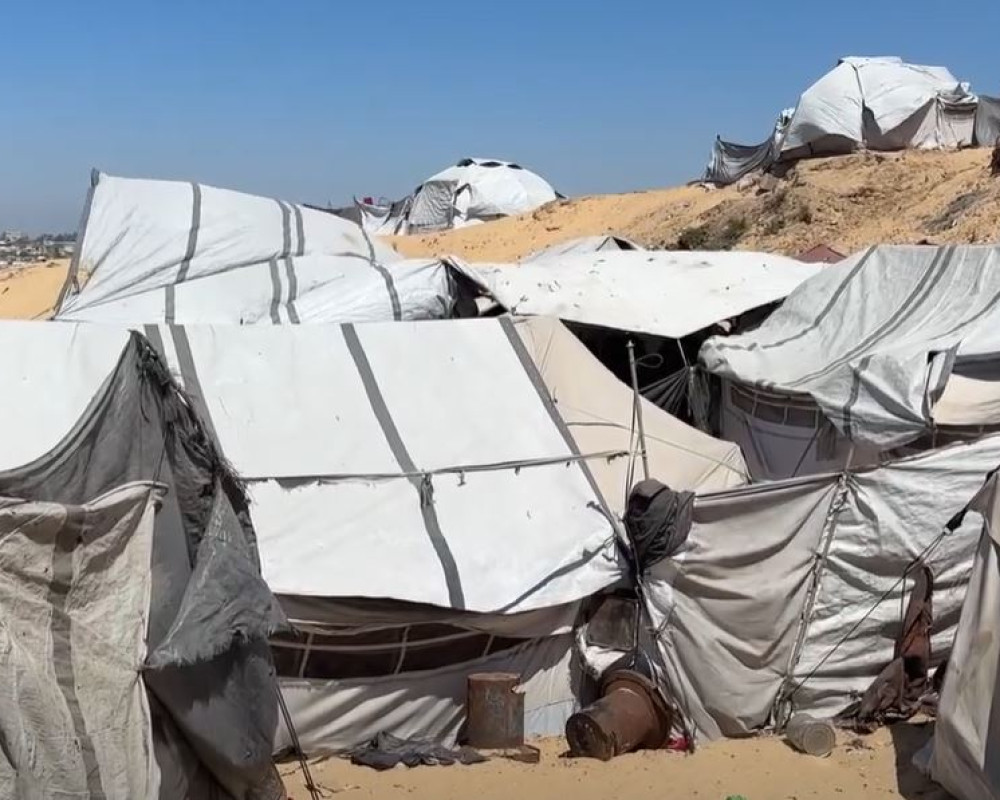
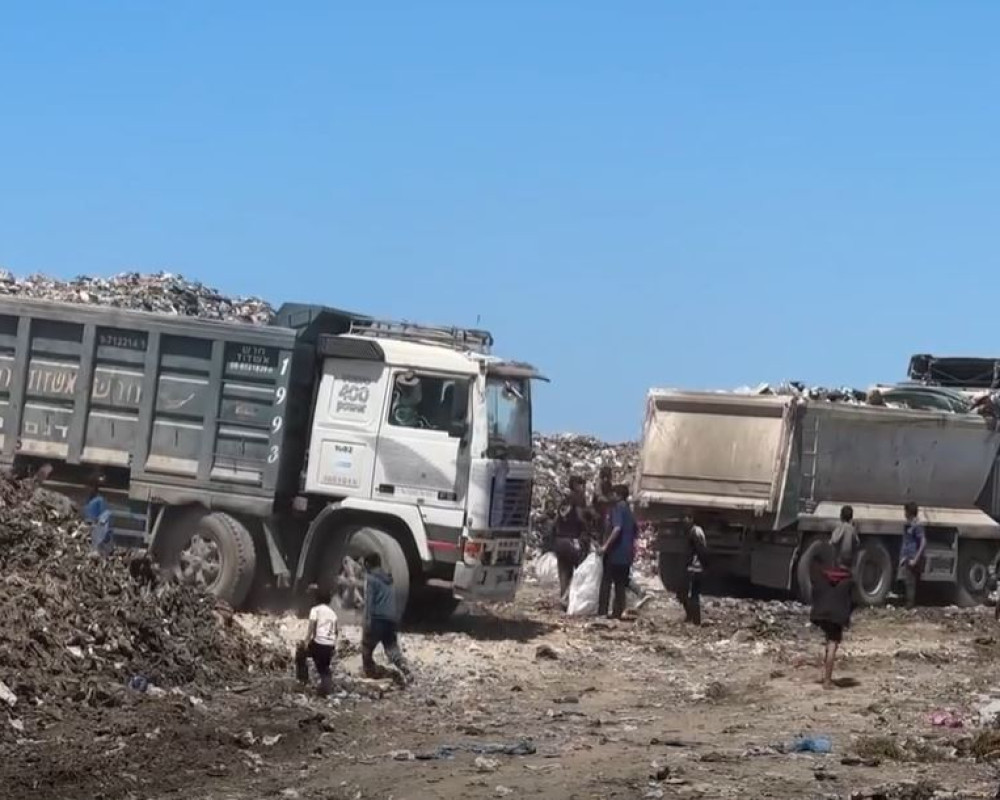
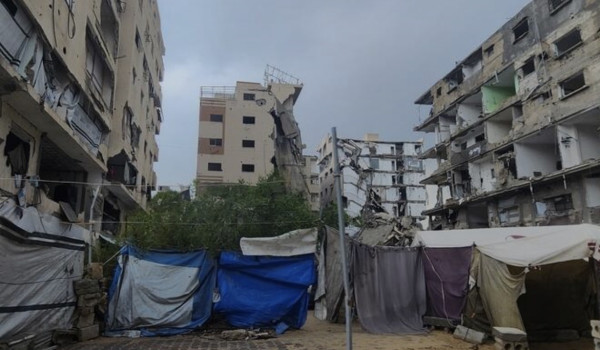
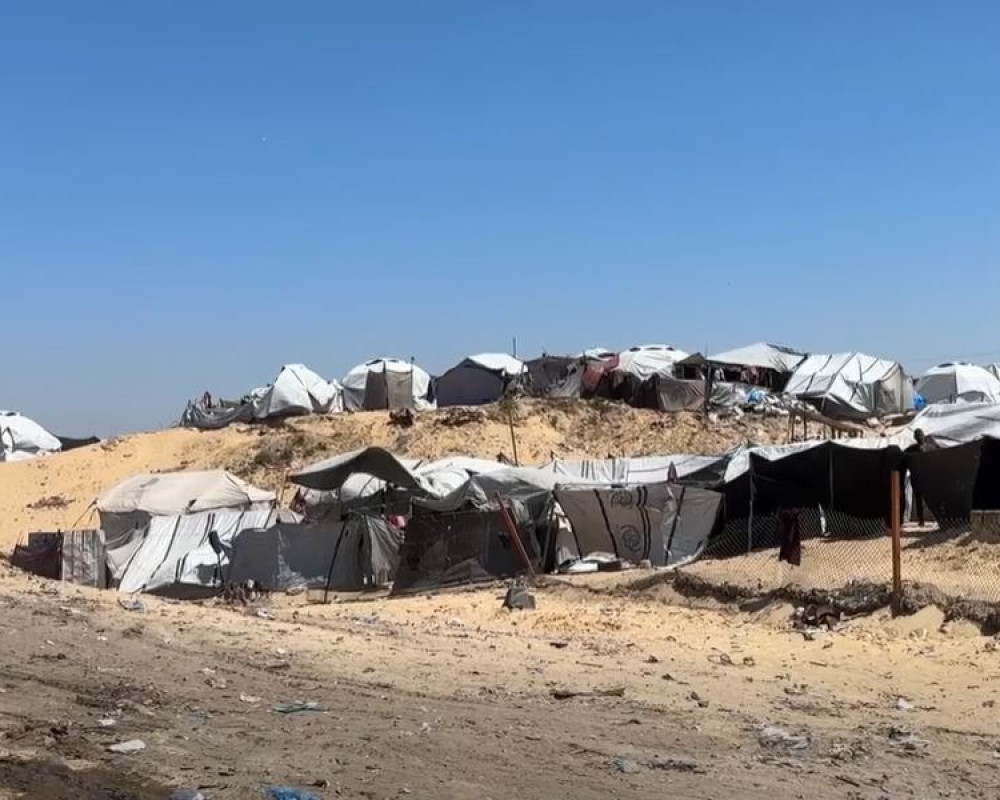
For the past eight months, the family has been living in a displacement camp near a garbage dump, where piles of waste, flies and rodents have become part of their daily lives.
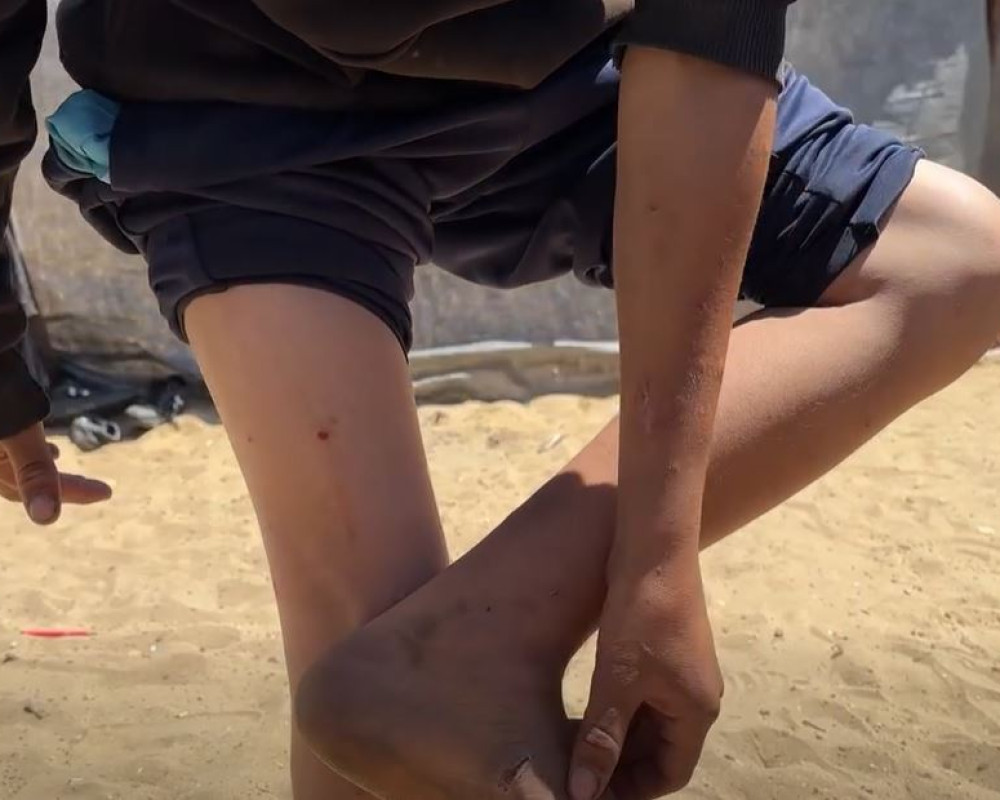
Shorouq says the difficult living conditions have taken a toll on her children, who have suffered from itching, scabies and allergies. Access to treatment, she says, has been made harder by shortages of medicines and the family’s inability to afford them.
“We have been living near the dump for eight months,” Saadallah said. “My children became sick with itching, scabies and allergies, and there are no medicines available in the hospitals.”
She describes life around the camp in a few blunt words.: "We have suffered. We eat whatever we can find. We have gone barefoot. There are bugs and flies everywhere. When we put food down, the flies swarm over it.”
The family has tried to leave the area, she said, but her son is ill and they have nowhere else to go. “We tried to leave, but my son is sick and there is nowhere for us to live,” she said. “I wish someone would help us.”
Getting medical treatment has become another struggle.
Saadallah said she has visited doctors seeking treatment but often cannot afford the medicines they prescribe.
“I went to doctors for treatment, but I don’t have money,” she said. “When they write a prescription, I tell them not to because I cannot afford to buy the medicine.”
For the family, the proximity of the garbage dump has turned even basic activities such as preparing and eating food into a daily challenge.
The flies that gather around the waste quickly move toward the family’s food, she said, making it difficult to maintain basic hygiene in the crowded displacement site.
Repeated displacement ends beside a dump
Ahlam Youssef Maarouf has also been displaced several times since the war began.
She says that during the latest displacement, toward the end of the war, her family was forced to move to the area around Al-Hayya camp, north of Beit Lahia.
“We were displaced several times, and the last time we were forced to move to this area toward the end of the war,” Maarouf said.
She describes conditions in the camp as extremely difficult, with rodents and insects adding to the hardship faced by displaced families.
“We are living in very difficult conditions,” she said. “There are rats and insects, and everything around us is difficult.”
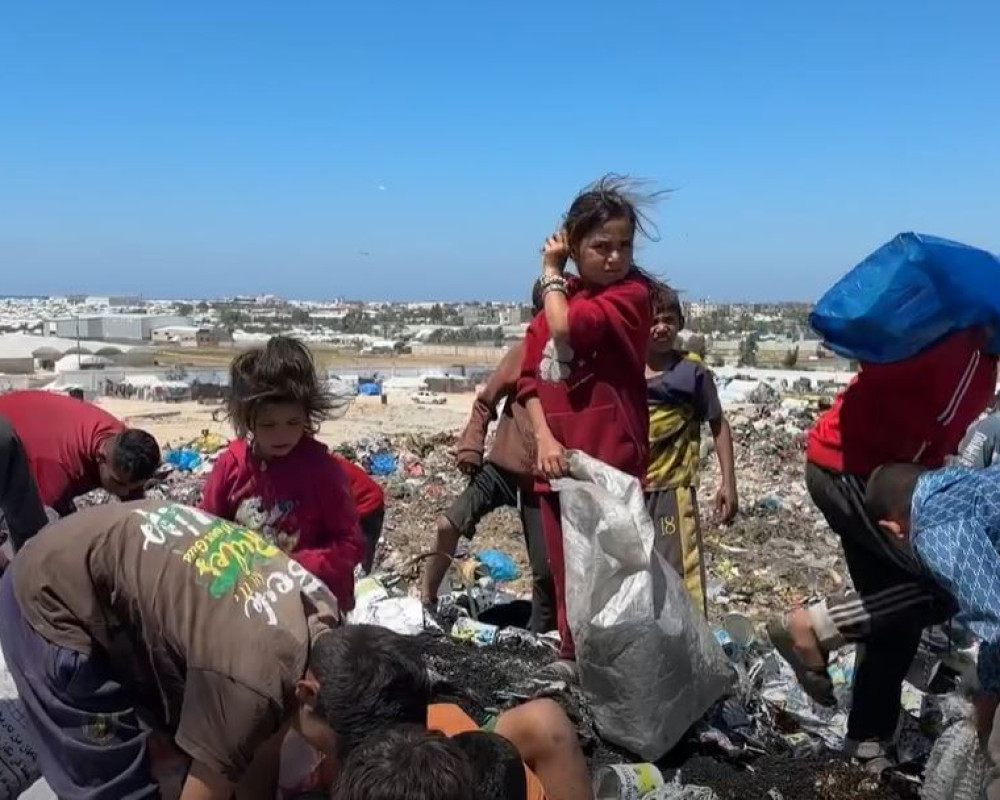
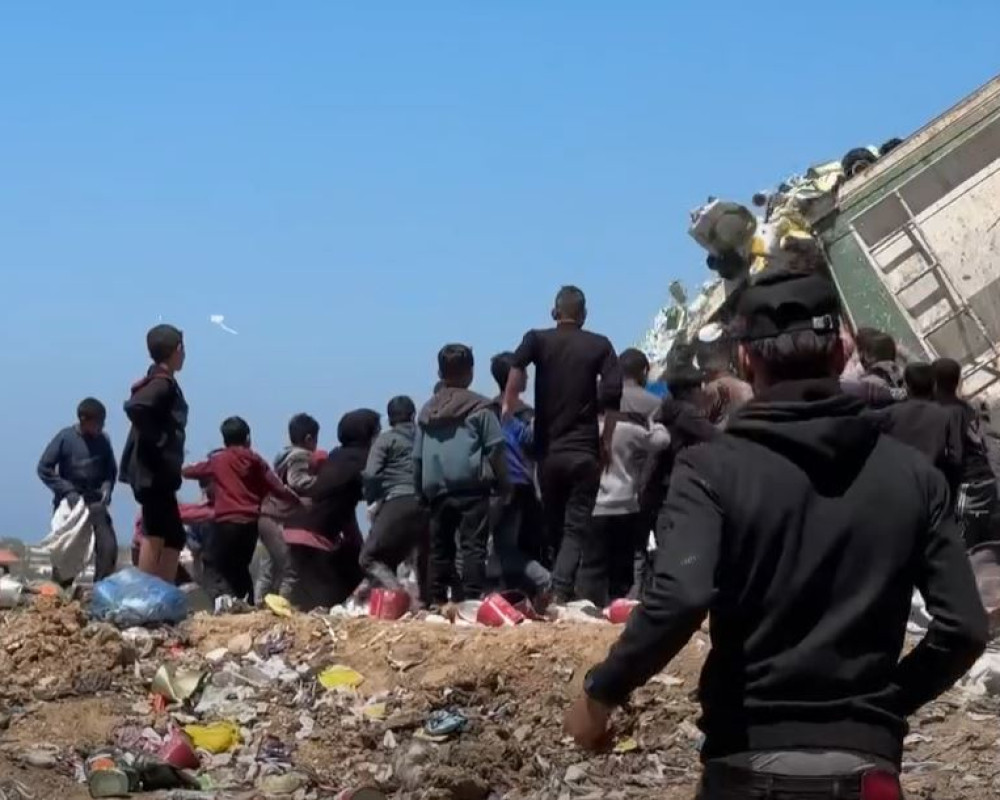
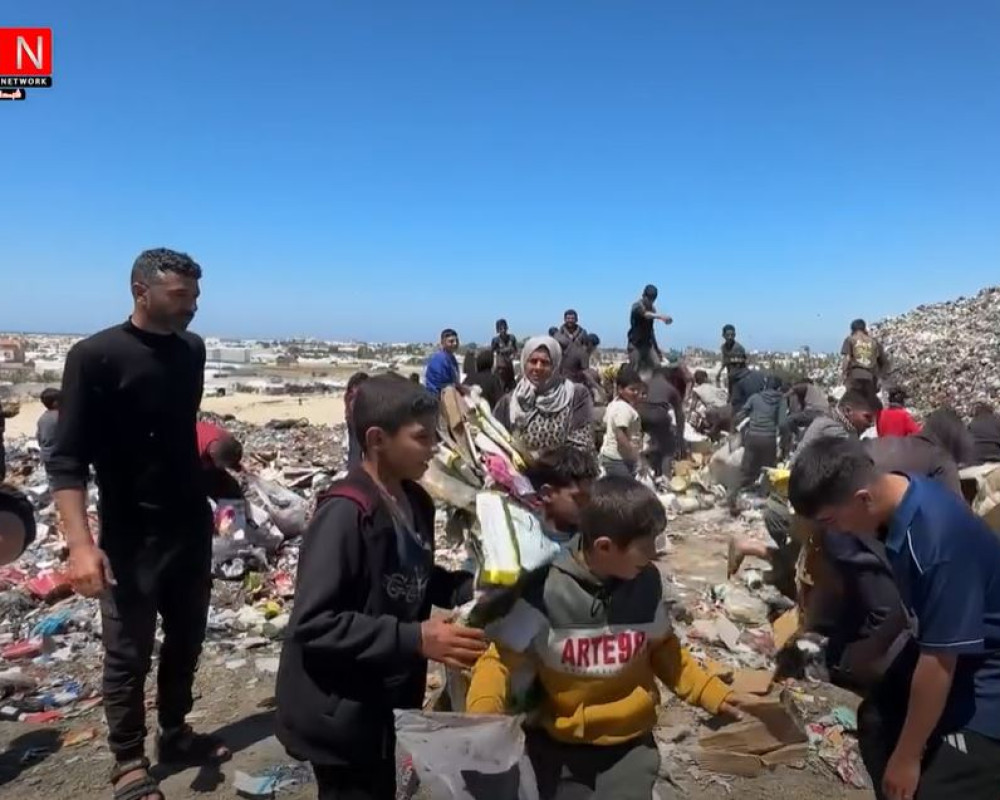
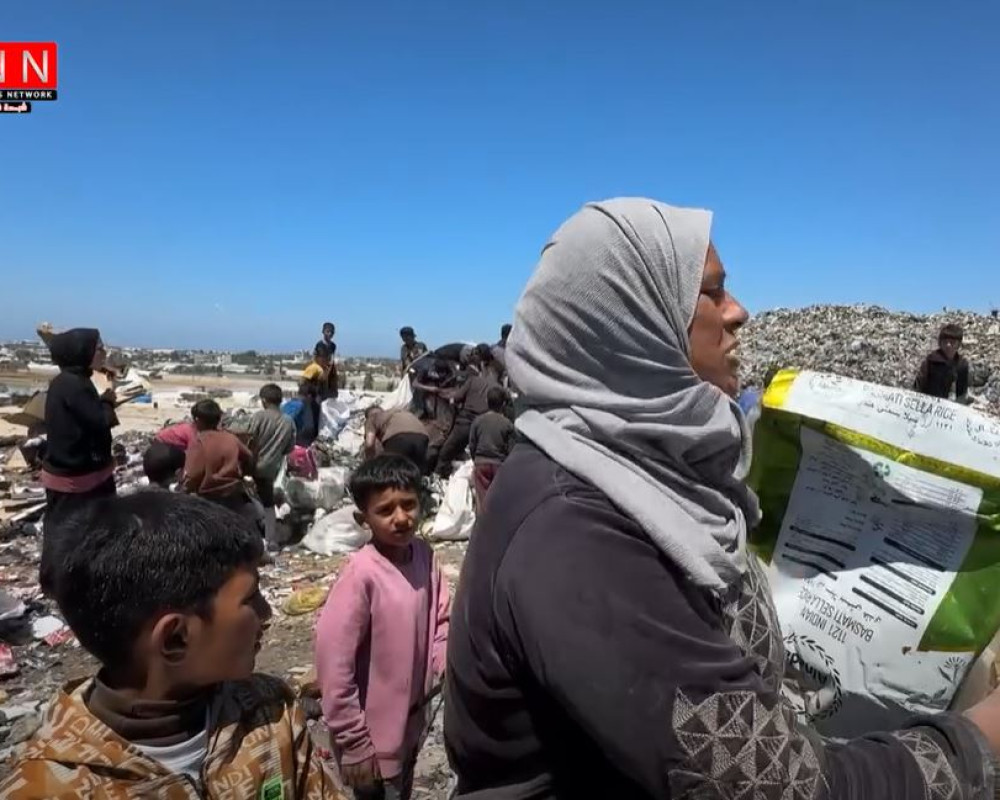
For some families, the garbage dump is not only a source of health and environmental risks. It has also become a source of survival.
Maarouf said some families search through the dump for discarded food, cans and other materials they can use.
“For some families, the dump has become a source of livelihood,” she said. “They search through it for leftover cans and anything they can find.”
A waste crisis with health and environmental consequences
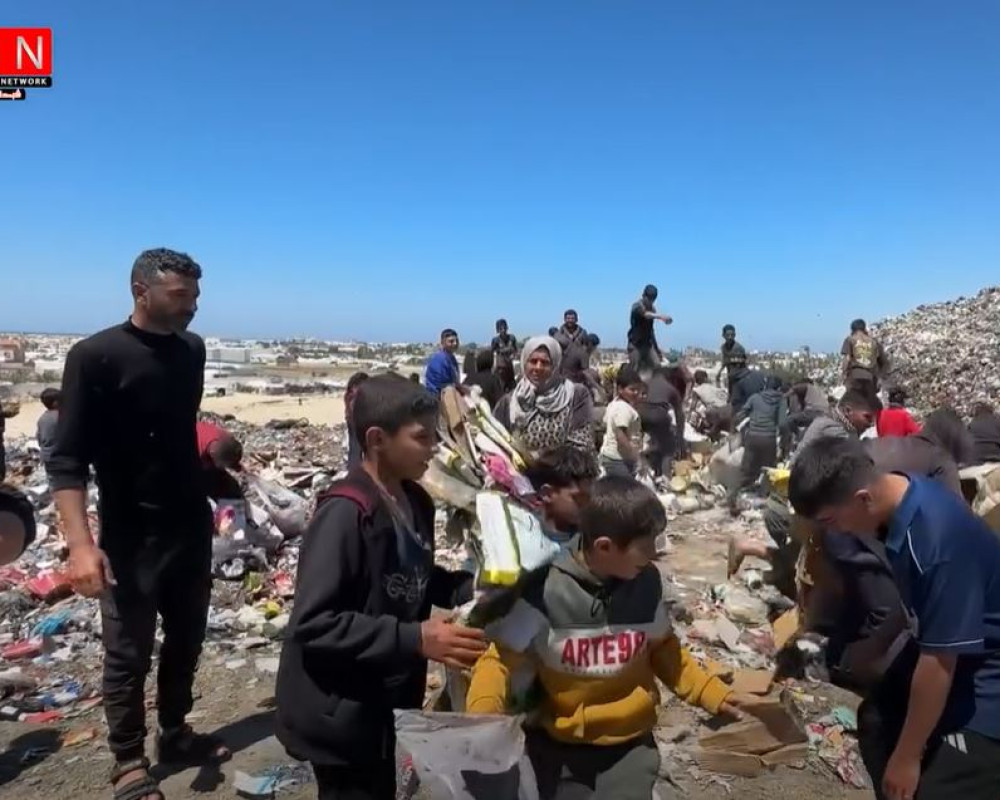
The growing accumulation of solid waste in and around displacement sites has become a wider public health and environmental concern in Gaza.
Humanitarian agencies have warned that waste piling up near shelters, combined with overcrowding and inadequate sanitation, creates conditions that can encourage the spread of disease. UNICEF has reported growing quantities of waste around displacement sites and overcrowded communities, while warning of rodent and pest infestations.
A recent U.N. humanitarian report said that 26% of households surveyed in Gaza in early July reported solid waste piles near their shelters. It also reported that 43% of households said sewage or sludge was located within 10 meters of their shelter.
The problems extend beyond the presence of garbage itself.
Waste that remains uncollected for long periods can attract flies, rodents and other pests, increasing the risk of disease transmission, particularly in crowded areas where access to clean water, sanitation facilities and hygiene supplies is limited.
U.N. agencies have also warned that the deterioration of water, sanitation and hygiene systems is contributing to a broader public health crisis. An August report by UNRWA said overcrowding, repeated displacement, environmental contamination and the collapse of water and sanitation systems have accelerated the spread of communicable diseases in Gaza.
The environmental risks are also significant.
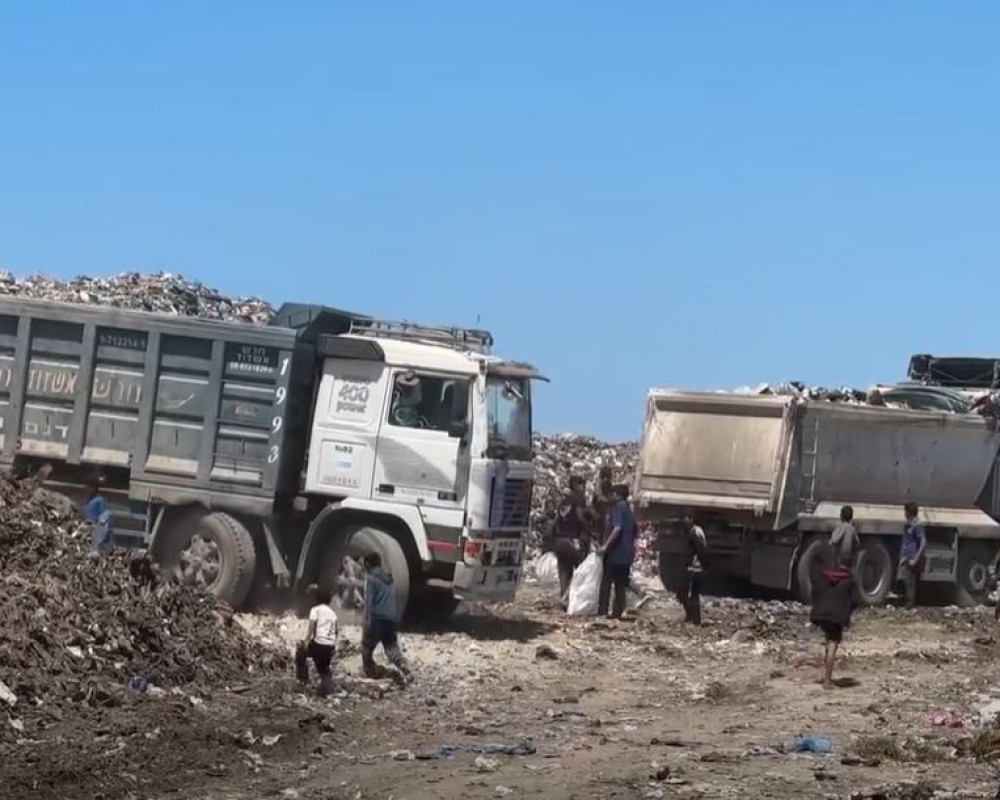
When waste is left in open areas or burned, it can contribute to air pollution and expose residents to smoke and other pollutants. Poorly managed waste can also contaminate surrounding soil and water, particularly where wastewater and drainage systems have been damaged.
The scale of the problem has become visible in areas where mountains of garbage have accumulated near tents and along streets. A Reuters video report on Aug. 26 showed large quantities of waste accumulating among tents housing displaced Palestinians, with residents collecting items from the garbage. Local officials described the accumulation as an increasing health and environmental risk.
For families like Saadallah’s and Maarouf’s, however, the waste crisis is not an abstract environmental problem.
It is part of everyday life.
A garbage dump sits close to their tents. Flies gather around their food. Rodents move through the surrounding area. Children become sick while medicines remain difficult to obtain.
And leaving is not always an option.
The result is a harsh reality in which displaced families must choose between remaining in places that expose them to growing health risks or moving again without knowing where they could go.
For some, the garbage dump has become more than a place where waste is discarded.
It has become part of the landscape of displacement — a place where some families search for food or useful materials while living alongside conditions that threaten their health and the environment.
As Gaza’s waste, water and sanitation systems struggle to cope with the consequences of war and mass displacement, families living beside the dumps remain exposed to a crisis that extends far beyond the walls of their tents.
For Shorouq and Ahlam, it is a crisis measured not only in piles of garbage, but in sick children, unaffordable medicine and the absence of a safe place to call home.
This video was produced with financial support from CFI, Expertise France and the European Union. The beneficiary is solely responsible for the content of this document, which in no way reflects the views of CFI, Expertise France or the European Union.