GAZA CITY /PNN /
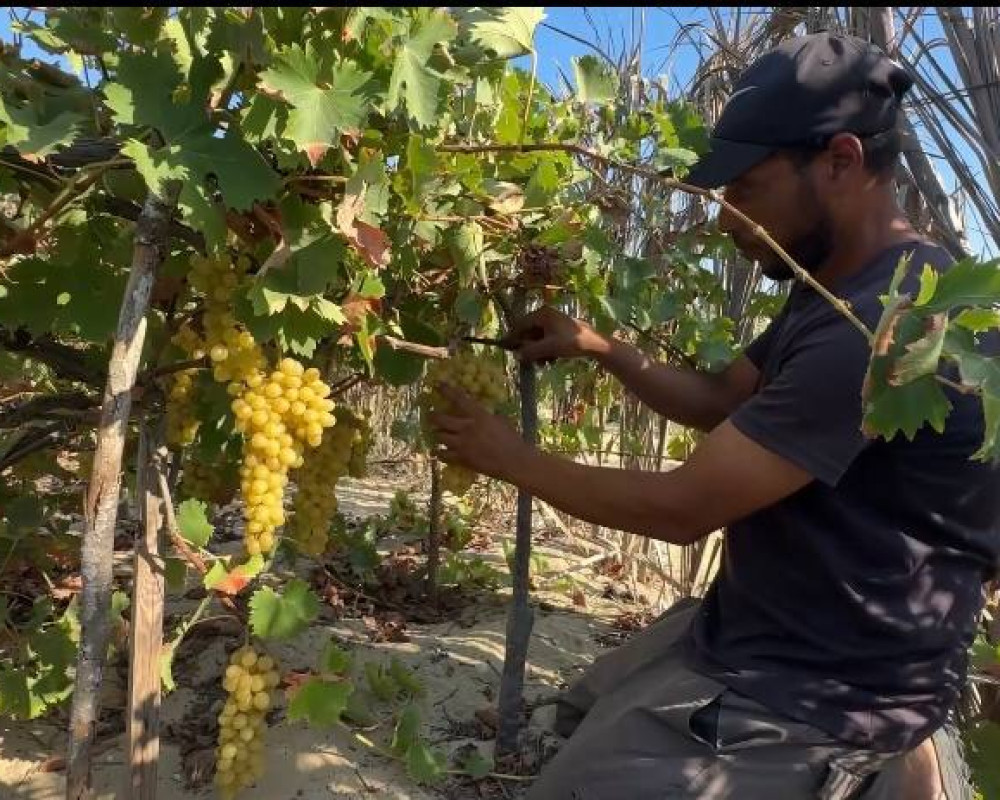
Grape farming in the Gaza Strip is facing a sharp decline after years of war-related destruction, with farmers citing widespread land levelling, shortages of fertilisers and pesticides, and soaring production costs as key factors behind the crisis .
Farmers say grape yields have fallen to unprecedented levels, while the number of workers who once relied on the harvest for income has dropped significantly.
Nasser Abu Hazin, a farmer in Gaza, said grapes were once among the most prominent crops grown in the coastal areas of the territory, providing a livelihood for hundreds of farmers and labourers before the war.
“The war and the destruction that came with it, along with the lack of agricultural supplies, have led to a major decline in both the cultivated area and production,” he said.
Before the war, a single grapevine could produce between 20 and 25 crates, sometimes reaching 40 or more in particularly productive cases, Abu Hazin said. Now, he added, yields have dropped to just two or three crates per vine at best.
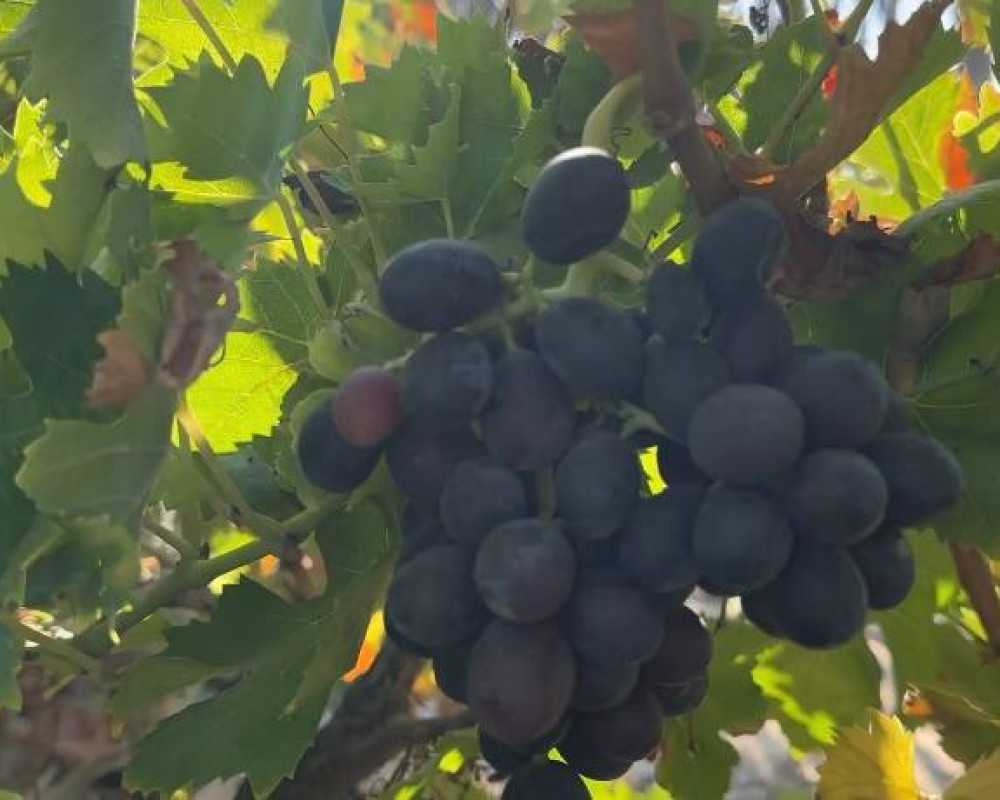
He said large swathes of grape-growing land along the coast were levelled, particularly in areas such as Sheikh Ajleen, which once hosted extensive vineyards but now has almost none remaining. Cultivation has since been limited to a few مناطق, including Abu Madin and Al-Zahra.
Many vines did not survive the years of conflict, Abu Hazin said, with large areas uprooted and others dying or drying out under harsh conditions, resulting in significant crop losses across Gaza.
The vines that remain, he added, are no longer capable of producing the volumes seen before the war.
Recalling past seasons, Abu Hazin described the grape harvest as a time of activity and opportunity, with vineyards employing between 400 and 500 workers during the peak season.
Workers would labour from early morning until evening, he said, as vines produced abundant yields.
Today, however, the workforce has shrunk to around 10% of pre-war levels due to the destruction of lands and the decline in production.
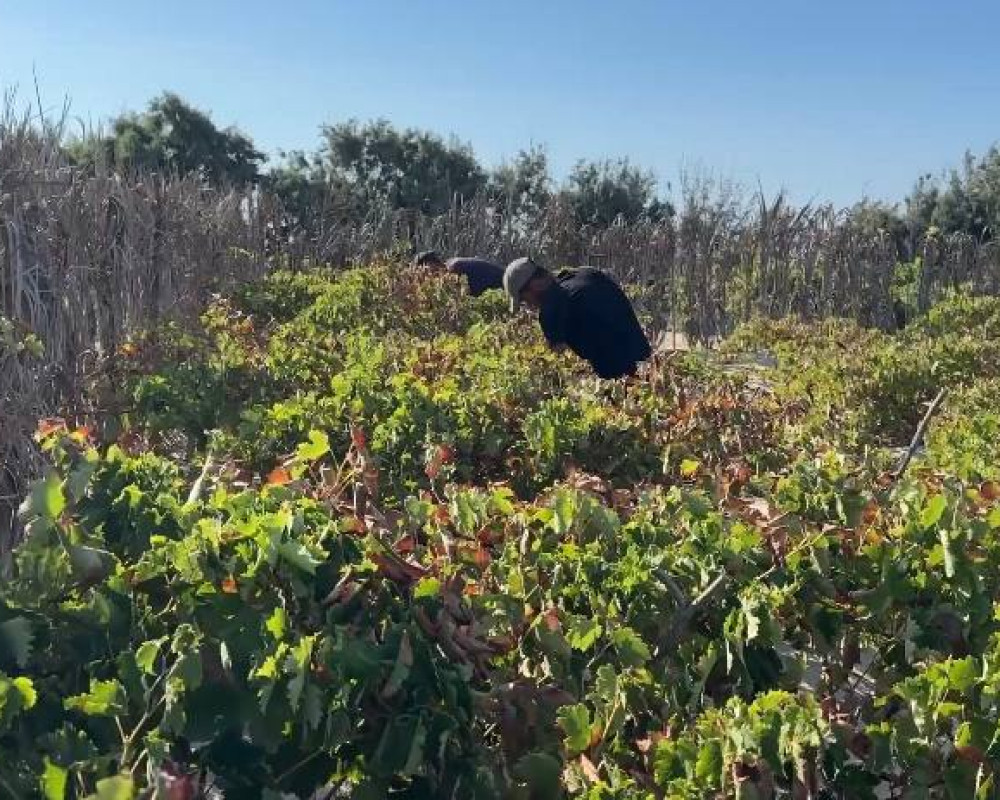
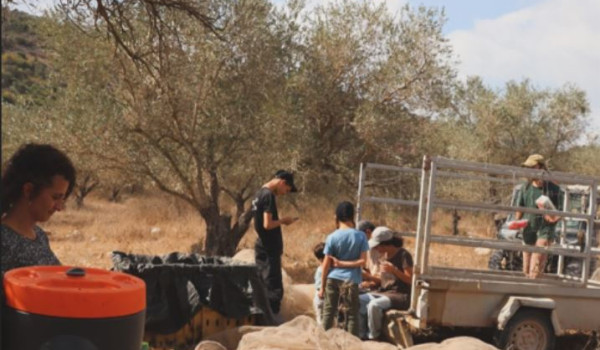
Vineyard owners now rely largely on family labour, with farmers often working alongside a few of their children to complete tasks that once required large teams. Many of the remaining vines are smaller and require intensive care.
Abu Hazin said grape farming has become increasingly difficult due to the high cost and limited availability of essential agricultural inputs, particularly fertilisers and pesticides.
“Farmers need these supplies to maintain their crops, but their absence or high prices make it difficult to continue,” he said, adding that growers now work under constant uncertainty, fearing disease or damage to their vines.
He explained that grapevines typically require four to five rounds of pesticide spraying each season, each at a considerable cost. With current prices, many farmers are unable to meet these needs.
The problem, he said, is not only availability but affordability. Farmers cannot pass on rising costs to consumers by increasing prices, as higher prices would make the Grape crop unaffordable for many.
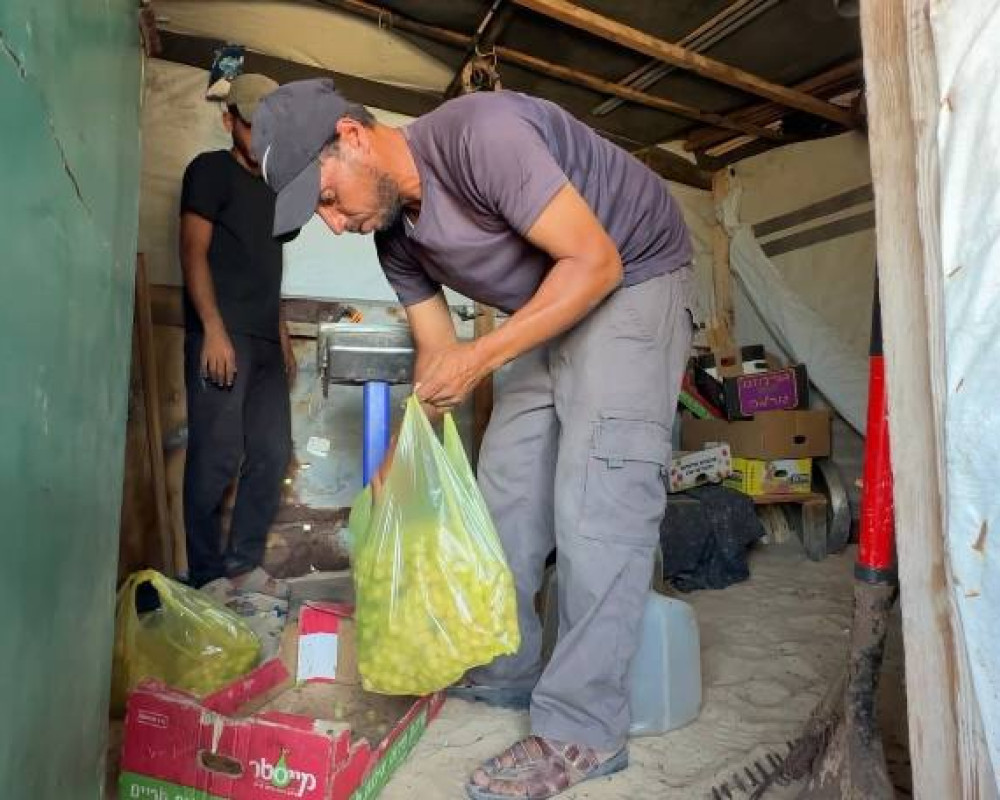
“This leaves farmers facing a difficult equation,” he said. “If they use fertilisers and pesticides, they bear high costs. If they don’t, they risk losing their crops. Either way, they remain under economic pressure.”
Abu Hazin said grape cultivation is now largely “at the mercy of God”, given the lack of supplies, destruction of vineyards and decline in productive trees.
He concluded by saying farmers hope for the entry of fertilisers, pesticides and agricultural medicines into Gaza at reasonable prices similar to those before the war, allowing them to rehabilitate their vineyards and restore production.
Farmers also hope to regain the capacity to replant land that was levelled and revive what remains of the القطاع’s vineyards, in order to restore a crop that once served as a vital source of income for many families.
This video was produced with financial support from CFI, Expertise France and the European Union. Its contents are the sole responsibility of the beneficiary and do not necessarily reflect the views of CFI, Expertise France or the European Union.