HEBRON, West Bank /PNN/
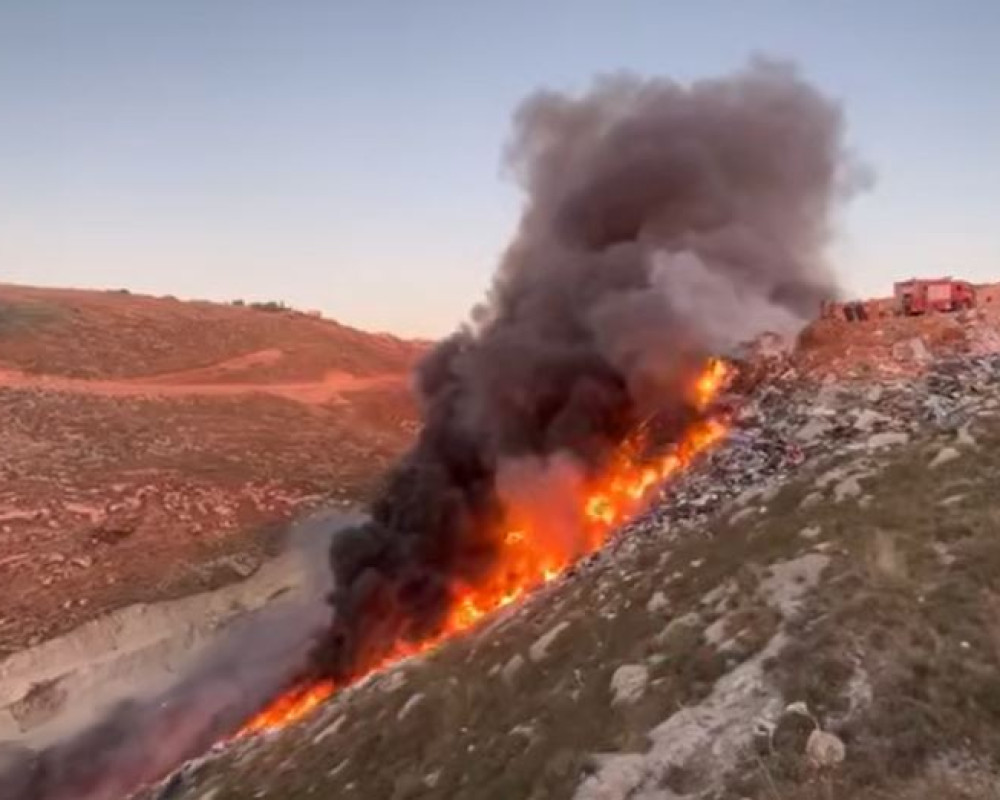
In towns across southern Hebron, particularly Deir Samet, Idhna and areas along the western border, the burning of electronic waste has become a persistent source of smoke and choking fumes, weighing on residents' daily lives and raising concerns about their health and the environment.
Residents say they can no longer safely open their windows or sleep comfortably, while children struggle to breathe as they make their way to school. The Southern Hebron Environmental Justice Movement says it has identified hundreds of waste-burning sites in the area, prompting calls for coordinated action by the government, local councils and civil society to provide safe alternatives and address a problem that residents say now affects nearly every aspect of daily life.
Malek Al-Haroub, a resident of Deir Samet south of Dura, said smoke from burning waste has become part of everyday life.
"The situation is no longer bearable," Al-Haroub said, describing the conditions as neither stable nor normal.
He said the continued pollution has made some residents consider leaving the area, but added: "Where can we go?"
The problem, he said, is no longer confined to a single location, as smoke and pollution have spread across wide areas and affected many aspects of residents' lives.
Residents can no longer sit comfortably in their homes, sleep normally or even eat meals without being affected by the smell of burning waste and smoke, Al-Haroub said.
At night, the polluted air makes it difficult to sleep, he said. By morning, the area can be shrouded in smoke that enters homes, leaving residents exposed to it throughout the day.
The impact goes beyond the unpleasant smell, Al-Haroub said, with residents feeling the smoke affecting their breathing and causing a sense of suffocation.
He said that being able to wake up and breathe clean air — one of the most basic needs of daily life — has become difficult as burning continues.
"The smoke and suffocation have become part of our lives," he said, stressing that the situation has deprived residents of a sense of safety and stability in their own homes.
Rida Awad, a child from Deir Samet, said smoke from burning waste reaches the town and directly affects children, particularly when the smoke becomes dense.
"The smoke makes us feel like we are suffocating and makes it difficult to breathe normally," he said.
At times, the smoke becomes so thick that it reduces visibility and covers roads, making driving and movement in the area difficult and potentially dangerous, Awad said.
He said the problem affects more than traffic, with residents and children struggling to leave their homes when thick clouds of smoke spread through the area.
Young children are particularly vulnerable, Awad said, especially when they travel to school and are exposed to the smoke along the way.
The continuing pollution has made going to school and leaving home a source of concern for families, he said.
Eid Al-Haroub, also from Deir Samet, said the smell from burning waste has become harsh and suffocating for residents, with children particularly affected.
Some children, he said, become sick repeatedly after exposure to the smoke, forcing families to seek medical care and shoulder treatment costs while struggling to maintain normal life at home.
The density of the smoke also makes it difficult to open windows, sit outdoors or carry out routine activities, he said. Families are often forced to remain indoors, keeping windows and doors closed until the smoke clears.
Al-Haroub said the problem has raised serious concerns among families about their children's health. He said two of his children were born with cleft lips and received treatment at a hospital.
He said medical professionals had told him environmental pollution and exposure to waste from copper burning, among other possible factors, could be associated with the condition.
His account, he said, reflects his family's experience with pollution and its effects, as well as the concerns of residents who live under the smoke on a regular basis.
The consequences of electronic-waste burning extend beyond residents' homes, environmental activists warn, saying the practice has spread across several areas of southern Hebron, particularly Idhna, Deir Samet and communities along the western border.
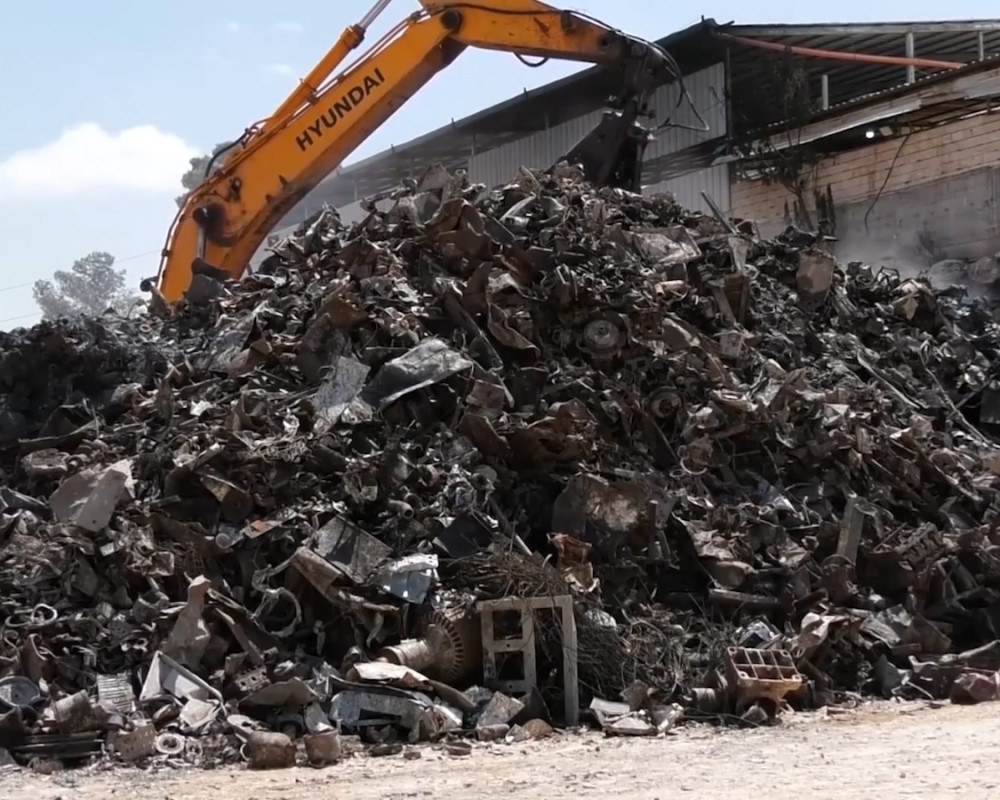
Hamam Hantash, from Dura, said electronic-waste burning has left visible environmental damage across the area.
Residents increasingly see thick clouds of black smoke covering large areas, Hantash said, adding that the smoke can sometimes spread beyond the borders of historic Palestine.
The scale and density of the smoke prompted a group of activists to establish the Southern Hebron Environmental Justice Movement, which seeks to confront electronic-waste burning, curb its spread and ultimately end the practice, Hantash said.
The danger goes beyond air pollution, he said, affecting human health, soil, wildlife, vegetation and biodiversity.
Hantash said the movement has received broad support and cooperation from local communities, helping activists document the scale of the problem.
Between 200 and 300 waste-burning sites have been identified and documented, he said.
The campaign continues to reduce the number of burning sites and ultimately eliminate the practice through community and environmental efforts, he said.
As electronic-waste burning continues to cause health and environmental concerns, residents are calling on government authorities to intervene urgently and stop the practice.
Residents say people of all ages, from children to older adults, can no longer bear the effects of smoke and pollution.
They are calling on the government to step up its efforts and establish meaningful partnerships with local communities, municipal and village councils, and civil society organizations to develop practical and sustainable solutions.
Residents and activists also stress the need for sustained action, warning that any lapse in efforts could allow burning sites to re-emerge.
They are also calling for safe alternatives for disposing of electronic waste, including systems for collecting, processing and disposing of it safely rather than burning it and turning it into a continuing threat to human health and the environment.
This video was produced with financial support from CFI, Expertise France and the European Union. The beneficiary is solely responsible for the content of this document, which in no way reflects the views of CFI, Expertise France or the European Union.