BETHLEHEM / West Bank / PNN / Monjed Jadou
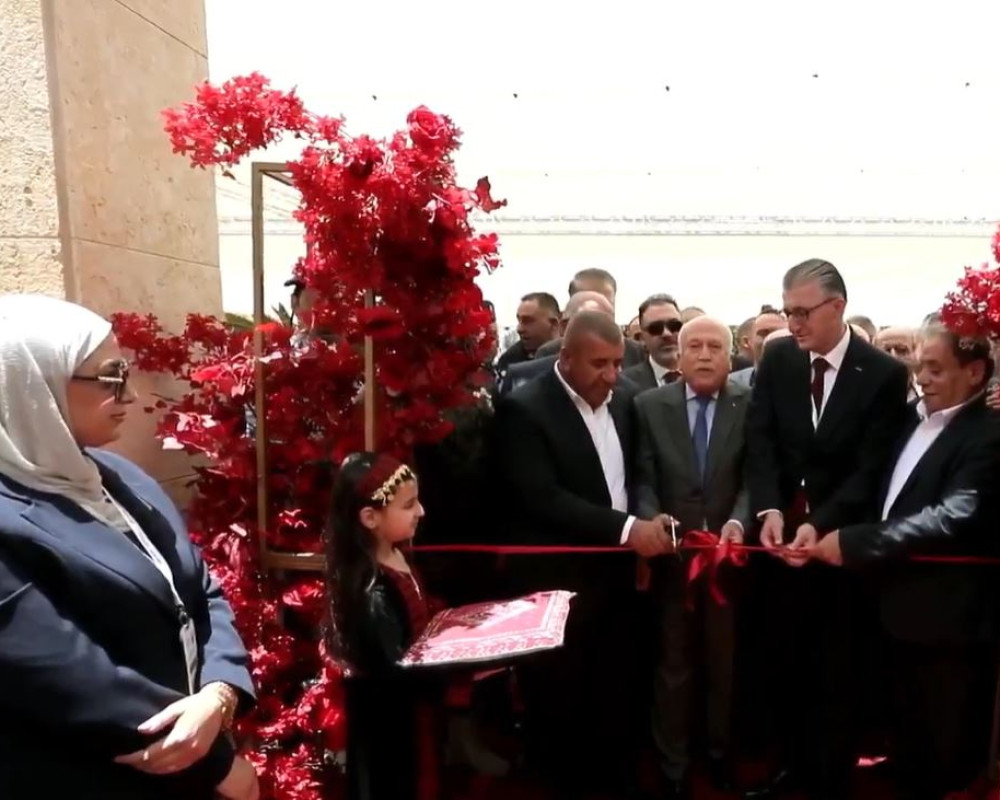
The Palestinian Food Traders Syndicate on Monday launched the Palestine Food Expo 2026 in Bethlehem, bringing together around 70 companies and manufacturers from across the Palestinian territories in a bid to strengthen the national economy and promote Palestinian-made products despite ongoing political and economic challenges.
The three-day exhibition, held at the Bethlehem Convention Palace in the Solomon’s Pools area south of Bethlehem, has been presented by organisers and officials as a symbol of the Palestinian “Economy of Resilience” — a strategy aimed at sustaining local production, preserving jobs and strengthening economic self-reliance under difficult conditions.
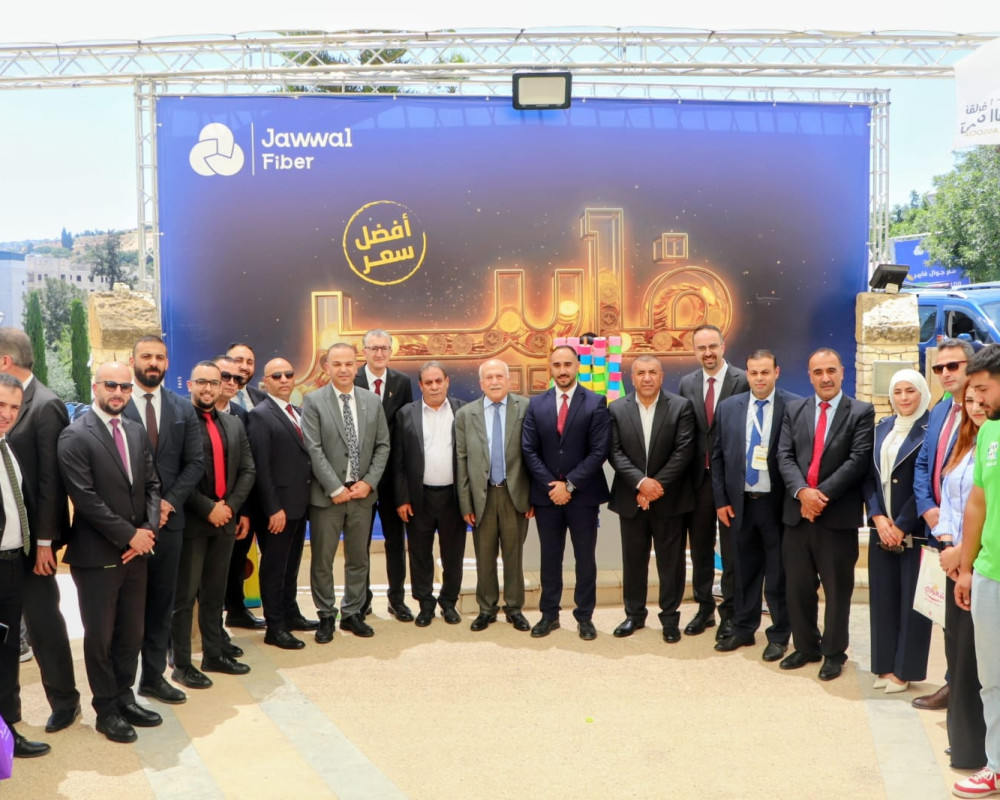
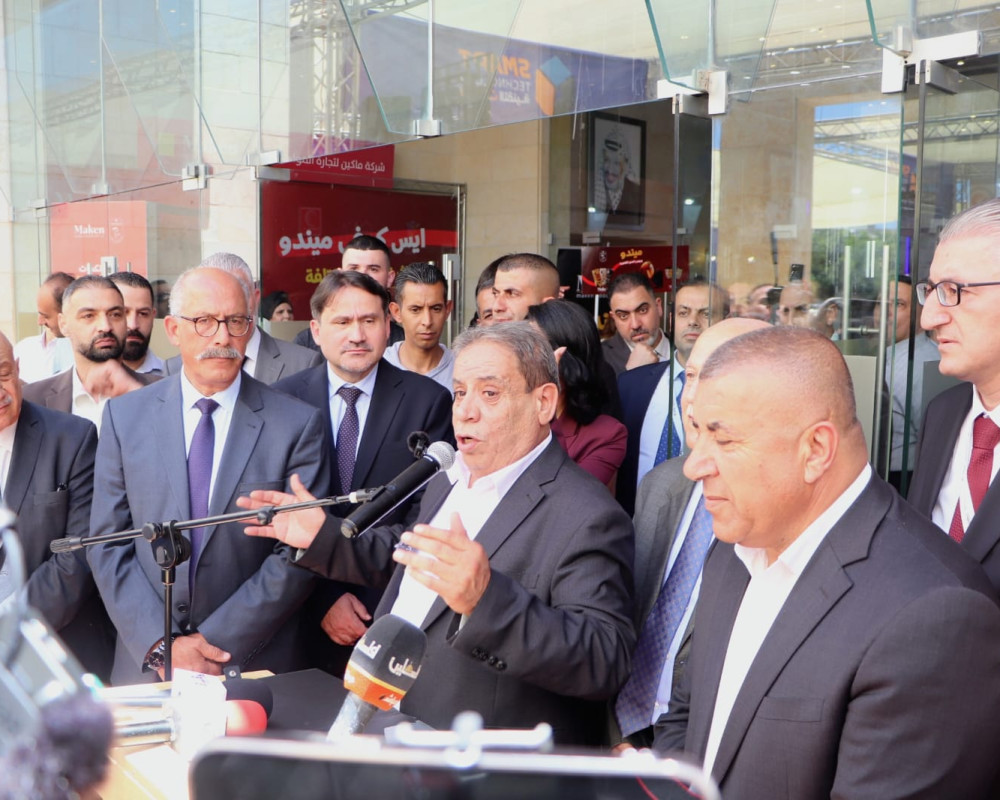
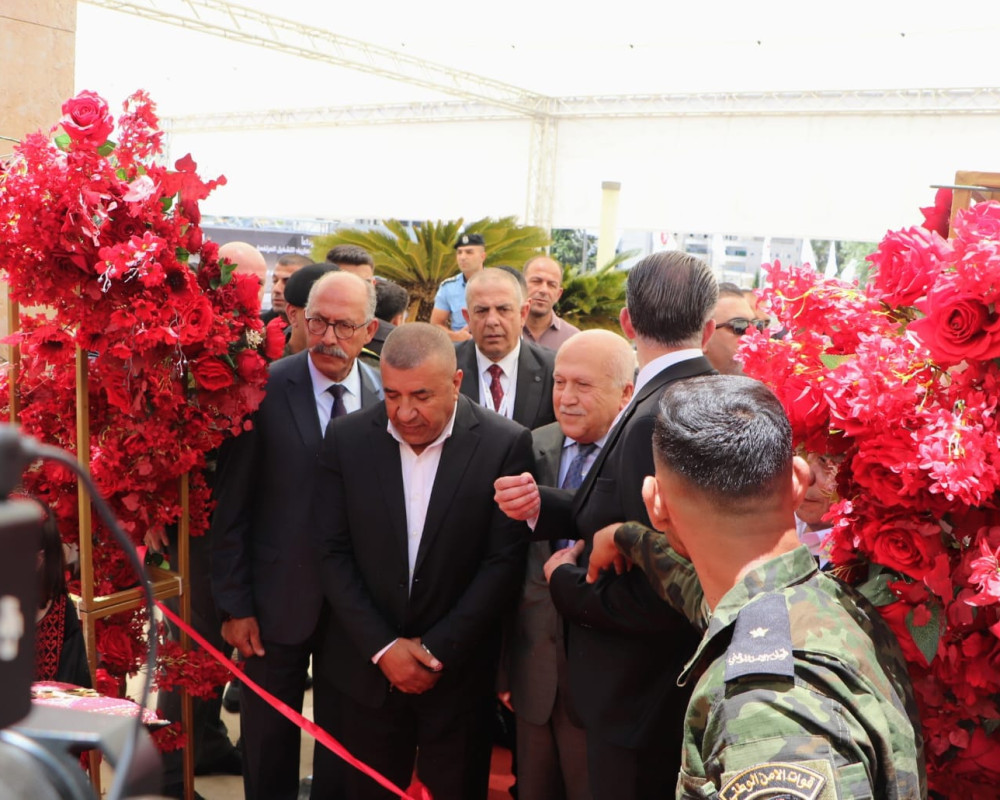
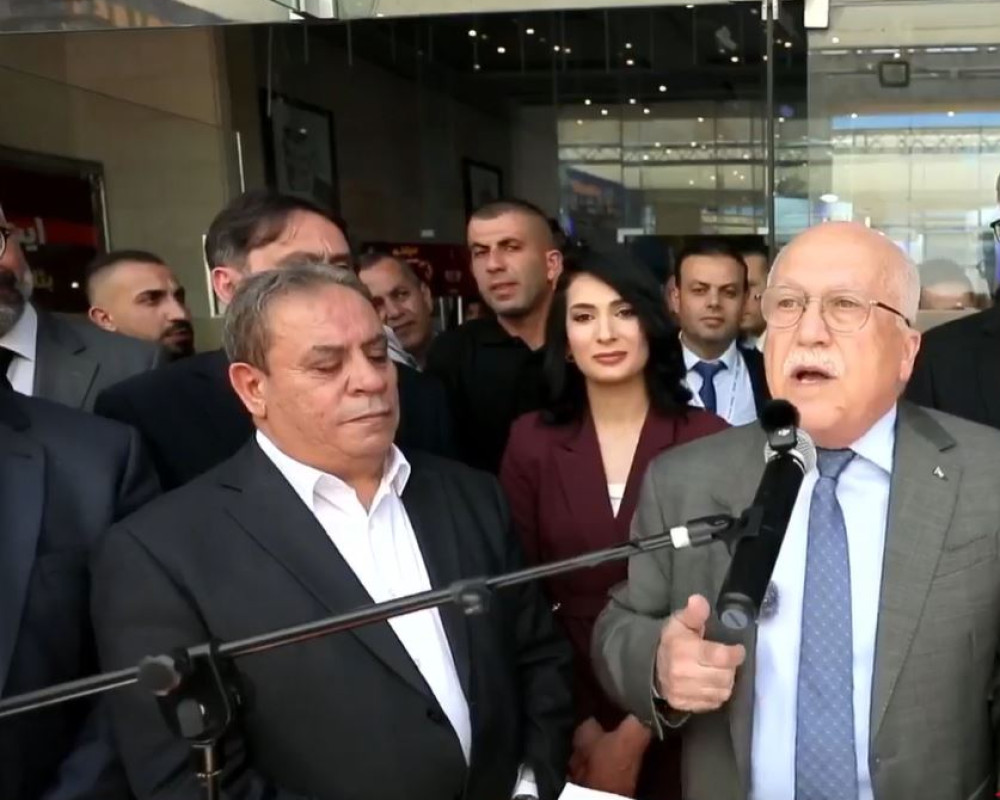
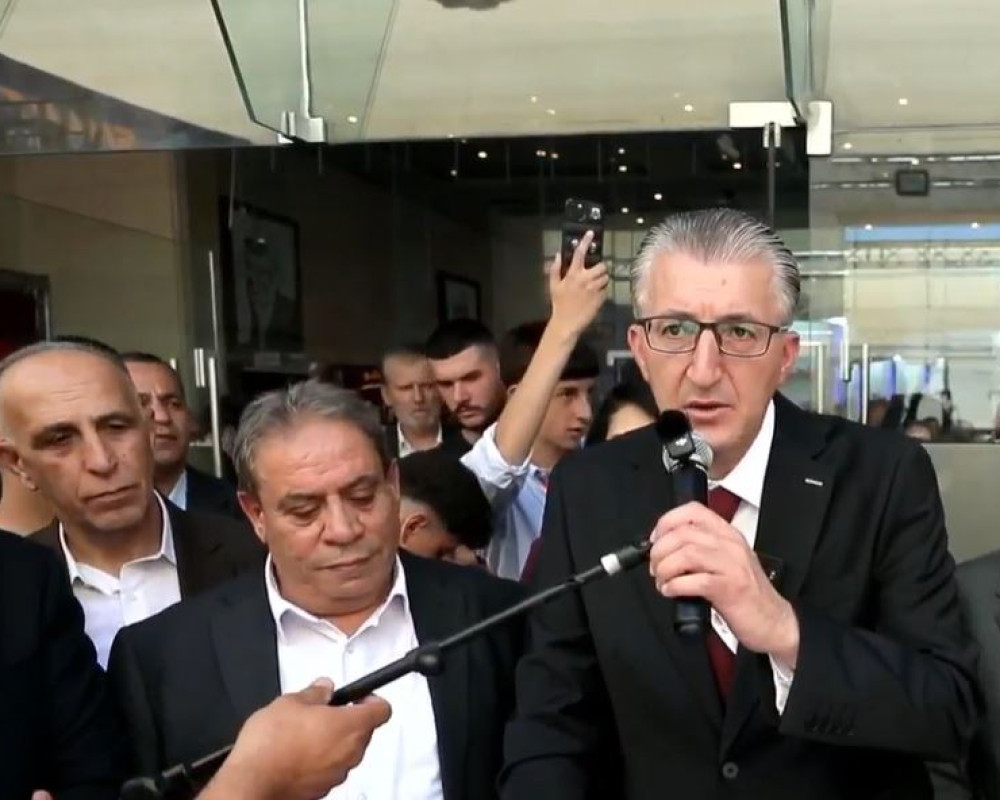
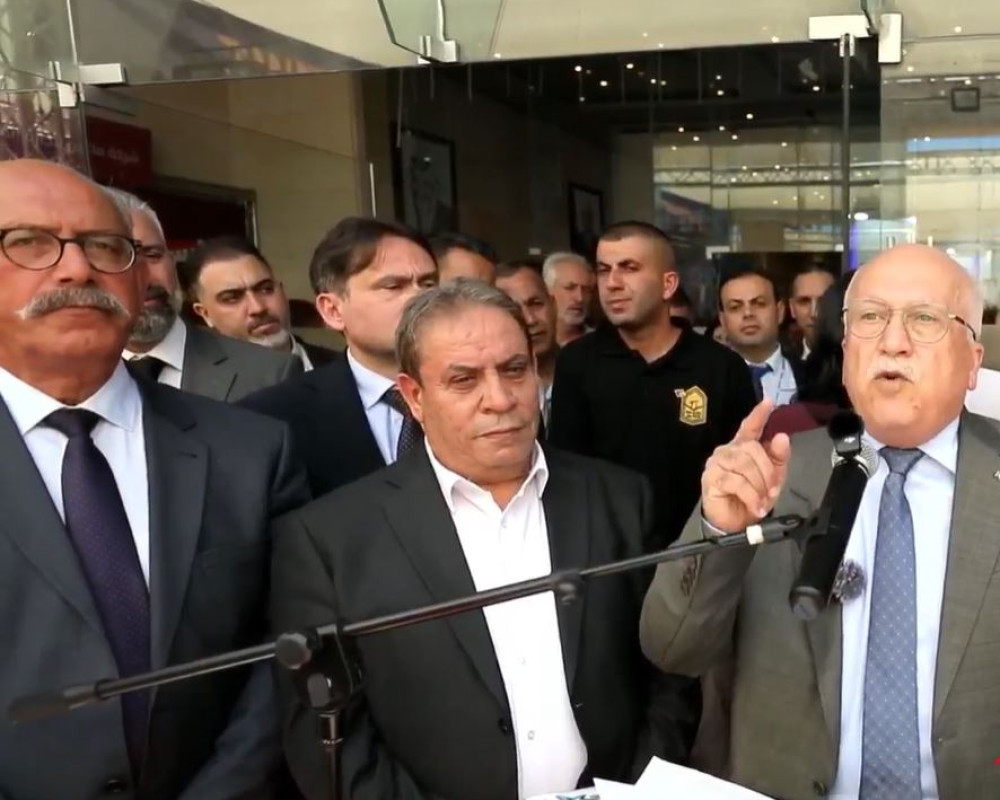
The opening ceremony was attended by Palestinian Minister of National Economy Mohammad Al-Amour, Bethlehem Governor Mohammad Taha Abu Alia, Hebron Governor Khaled Dudin, Food Traders Syndicate Chairman Wasim Al-Jaabari, Bethlehem Chamber of Commerce and Industry President Samir Hizboun, Hebron Chamber of Commerce President Abdel Idris, representatives of local authorities, business leaders, government officials and hundreds of visitors.
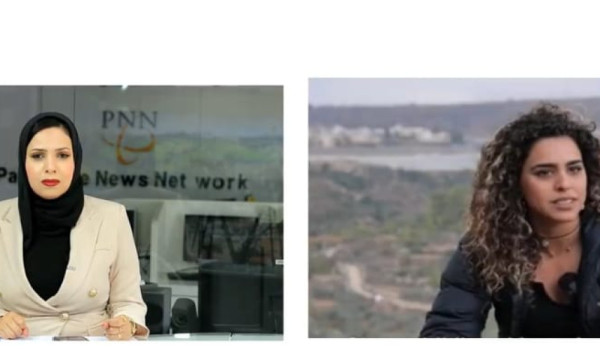
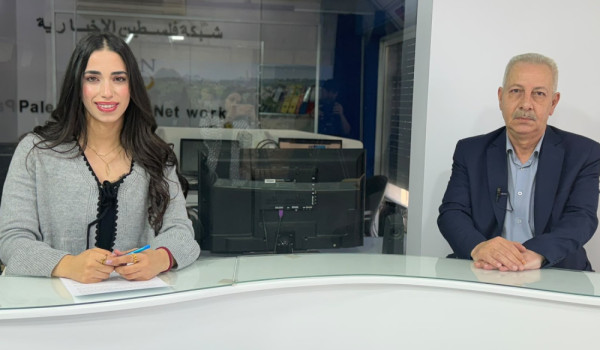
As part of its partnership with the Bethlehem Chamber of Commerce and Industry, the Palestine News Network (PNN) provided extensive live coverage of the event, including live broadcasts, television reports, written coverage and promotional campaigns ahead of the exhibition.
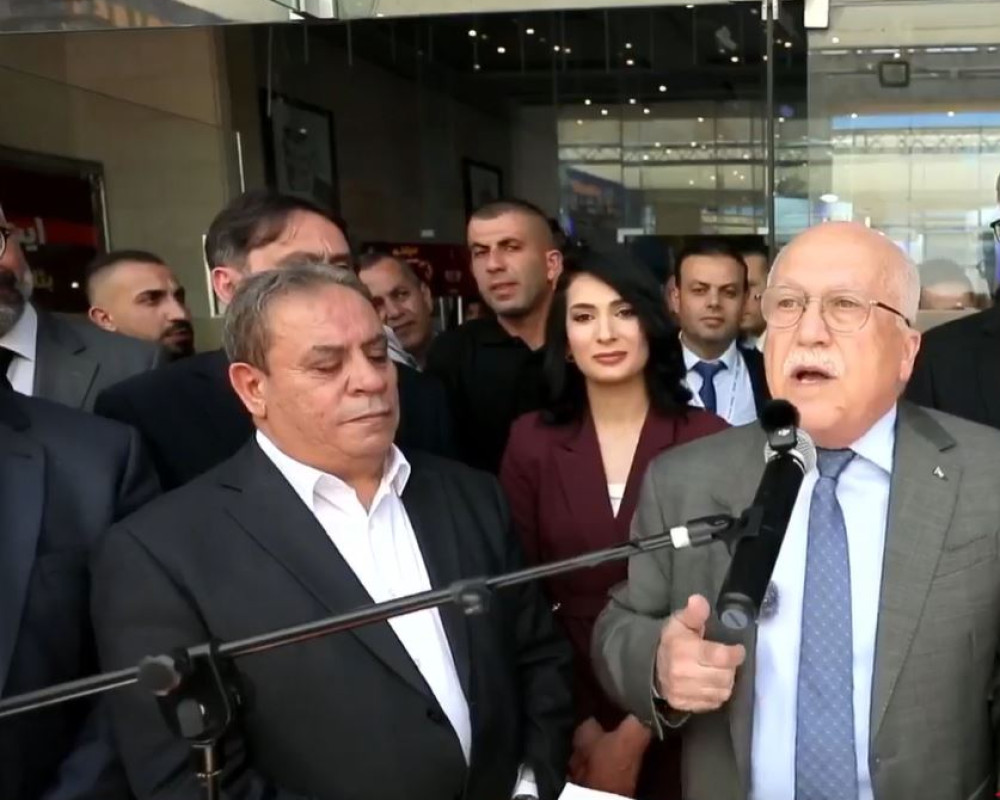
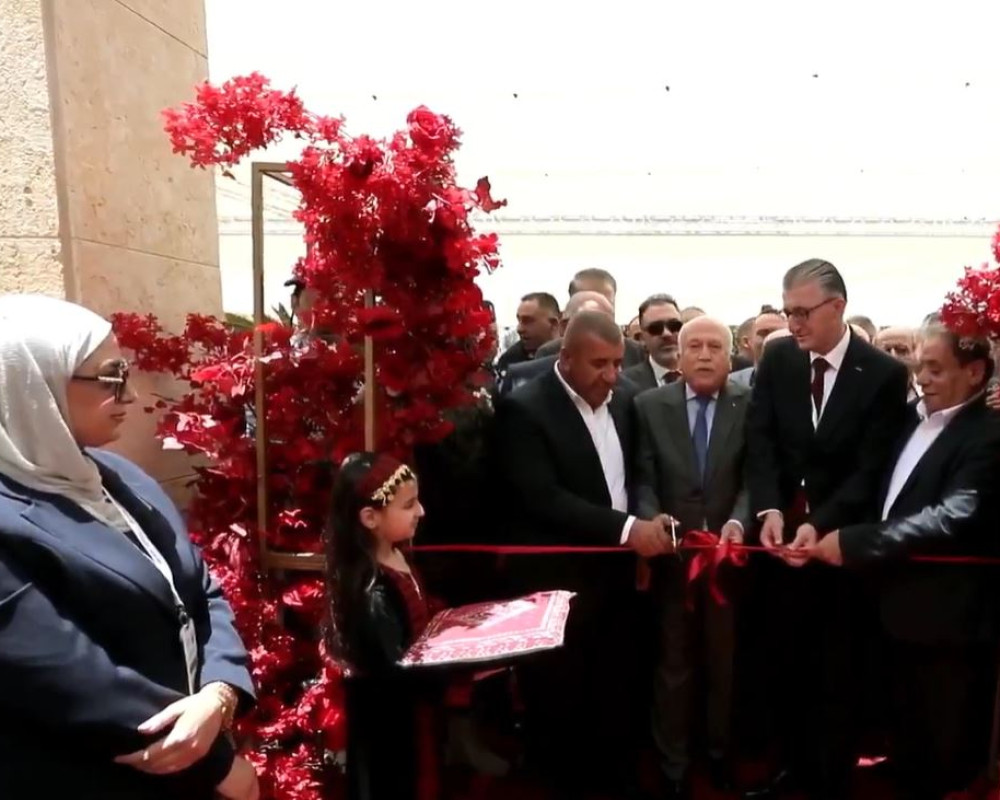
The event opened with the Palestinian national anthem and a minute of silence in honour of those killed in the ongoing conflict before officials formally inaugurated the exhibition.
Speaking at the opening ceremony, Al-Amour said the event reflected Palestinians’ determination to withstand mounting pressures and maintain economic activity despite the challenges facing the occupied Palestinian territories.
“This exhibition, with its scale and level of participation, reflects the strength of the Palestinian economy,” Al-Amour said. “We call it the Palestinian Economy of Resilience because it demonstrates the ability of Palestinian businesses to continue producing, investing and creating opportunities despite extraordinary circumstances.”
He praised the Food Traders Syndicate and participating companies for organising the exhibition and said the Palestinian government remained committed to supporting initiatives that promote local production, particularly among small and medium-sized enterprises.
Al-Amour noted that the exhibition comes at a time of severe economic hardship, marked by rising unemployment and declining economic activity, while Palestinians in the Gaza Strip continue to face devastating humanitarian conditions.
He added that several Palestinian ministries are working alongside international partners, including United Nations agencies, on plans aimed at revitalising the Palestinian economy and supporting recovery efforts.
The minister described the exhibition as a message of Palestinian unity, pointing to the participation of companies from across the West Bank as well as Palestinian-owned businesses from within Israel.
“The participation of companies from different parts of Palestine demonstrates the unity of our people and our shared commitment to economic resilience,” he said.
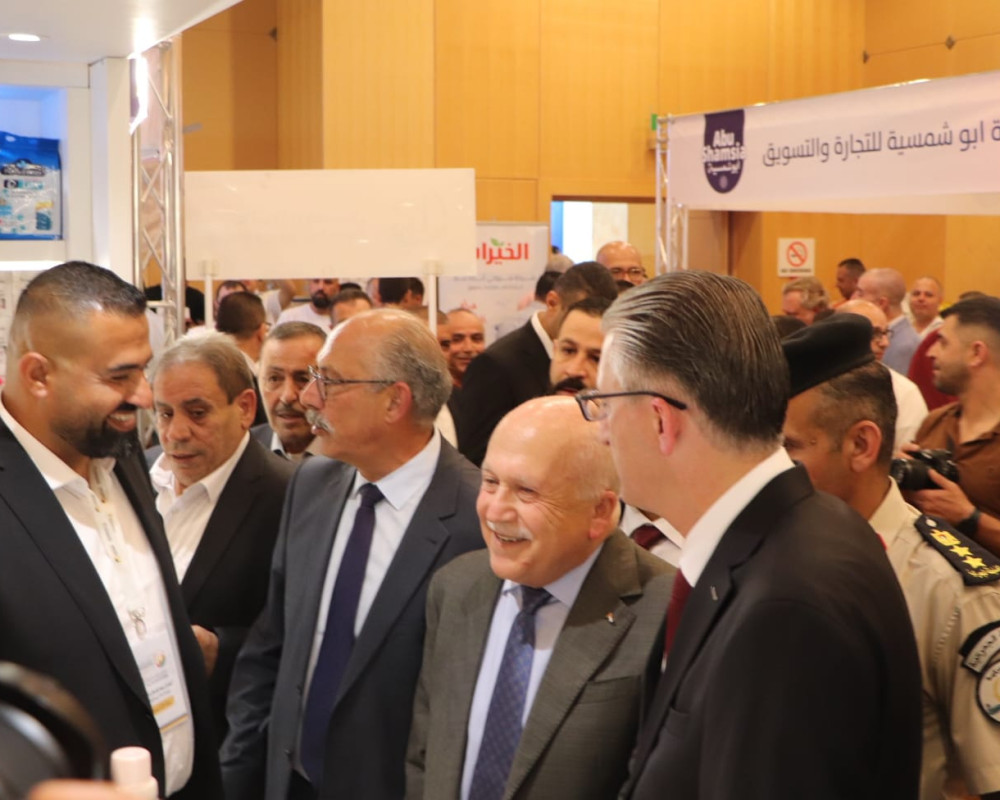
Al-Amour also highlighted the significance of holding the exhibition at Solomon’s Pools, an area that has recently come under increasing pressure from Israeli settlement expansion plans. He said the choice of venue underscored Palestinian determination to maintain their presence in historically significant locations.
Bethlehem Governor Mohammad Taha Abu Alia stressed the importance of shifting from a relief-based approach towards sustainable development by expanding economic opportunities and supporting entrepreneurship.
He welcomed the decision to host the exhibition in Bethlehem and specifically in the Solomon’s Pools area, describing it as an important message of Palestinian presence in a location facing increasing settlement-related pressures.
“The private sector remains the backbone of the Palestinian economy and the largest source of employment,” Abu Alia said. “Events such as this contribute to strengthening economic resilience and supporting national development.”
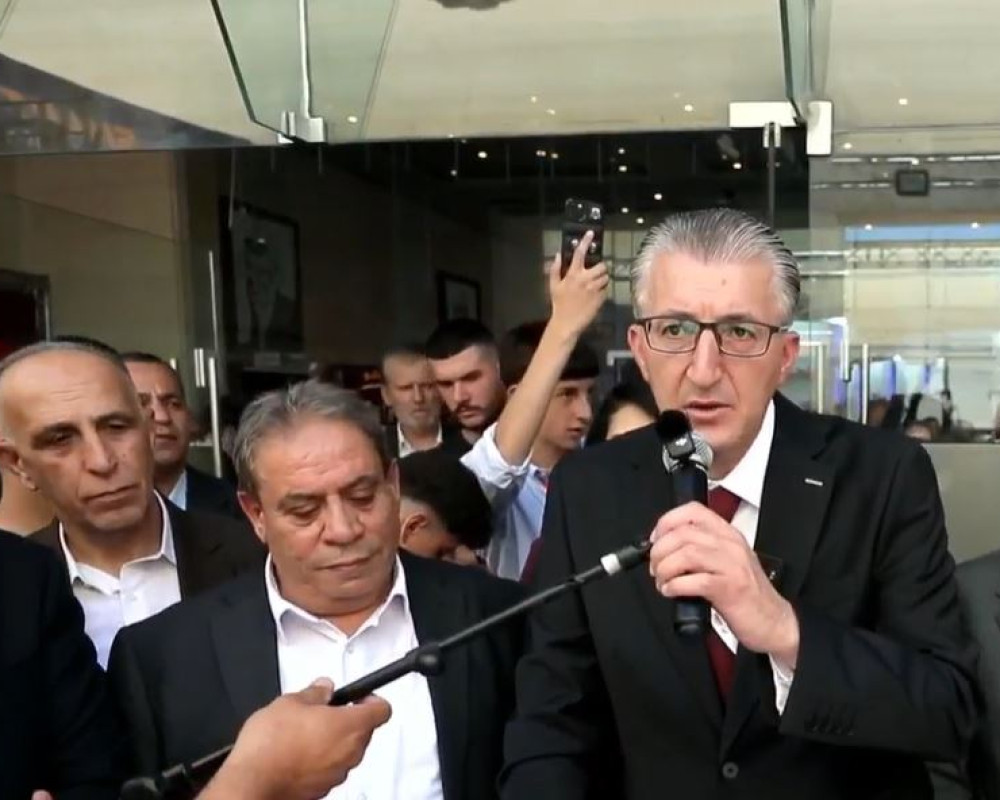
For his part, Al-Jaabari said the exhibition is among the largest specialised food industry events ever organised in Palestine, both in terms of participation and scale.
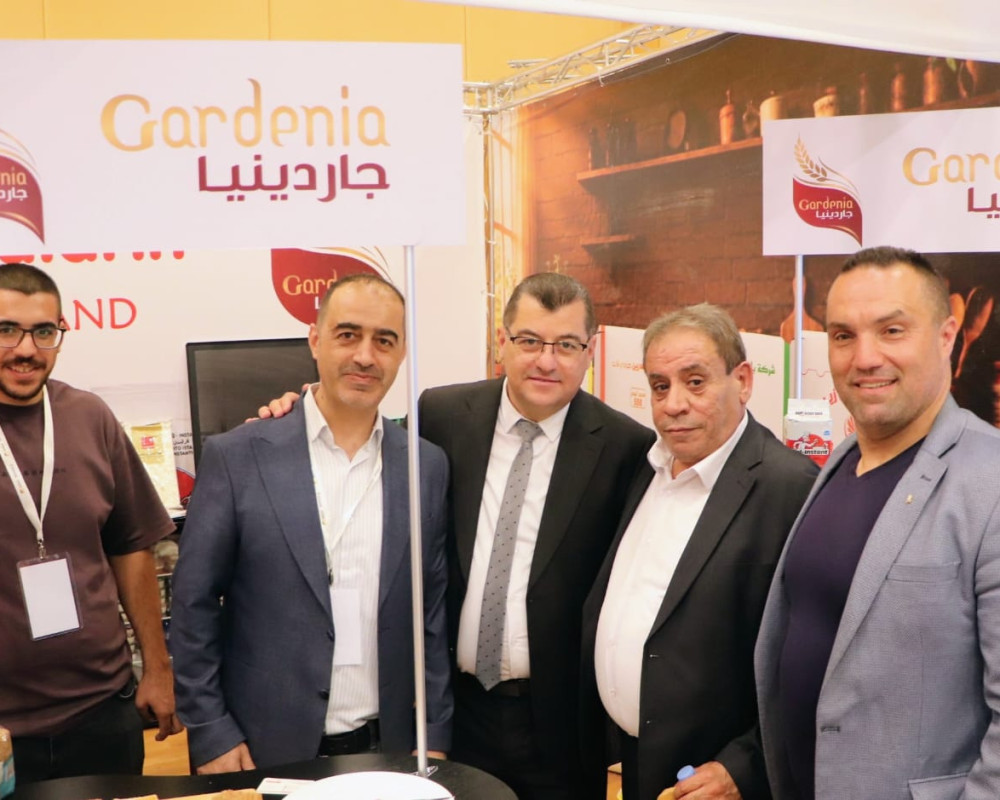
More than 60 companies and factories are exhibiting products ranging from food manufacturing and processing to distribution and trade services.
The exhibition aims to strengthen commercial ties between producers, traders and distributors, while creating opportunities for new business agreements and partnerships.
“Organising an event of this scale under current economic conditions is a challenge in itself,” Al-Jaabari said. “Its success sends a clear message that the Palestinian economy remains capable of growth and development despite the obstacles.”
He emphasised the importance of supporting Palestinian-made products and encouraging investment in local industries, noting that expanding domestic production contributes directly to job creation and economic growth.

Bethlehem Chamber of Commerce and Industry President Samir Hizboun said the exhibition marks the return of one of Palestine’s most important economic events after a three-year interruption.
He noted that 65 companies are participating in the exhibition, including 15 manufacturers producing goods locally in Palestine.
Hizboun said Israeli restrictions, including movement barriers, border controls and delays in clearing imported goods, remain among the main challenges facing Palestinian businesses.
“Today’s exhibition is a message of resilience and success,” he said. “Palestinian food products are highly competitive and meet international quality standards. We encourage consumers to support national products and local industries.”
Yousef Rahal, Secretary-General of the Bethlehem Chamber of Commerce and Industry, said the event reflects strong cooperation between economic institutions and demonstrates broad public and official support for initiatives that strengthen the Palestinian economy.
He added that the exhibition is expected to generate economic benefits for a range of sectors, including hotels, restaurants, transport services and retail businesses, while creating opportunities for direct engagement between producers and consumers.
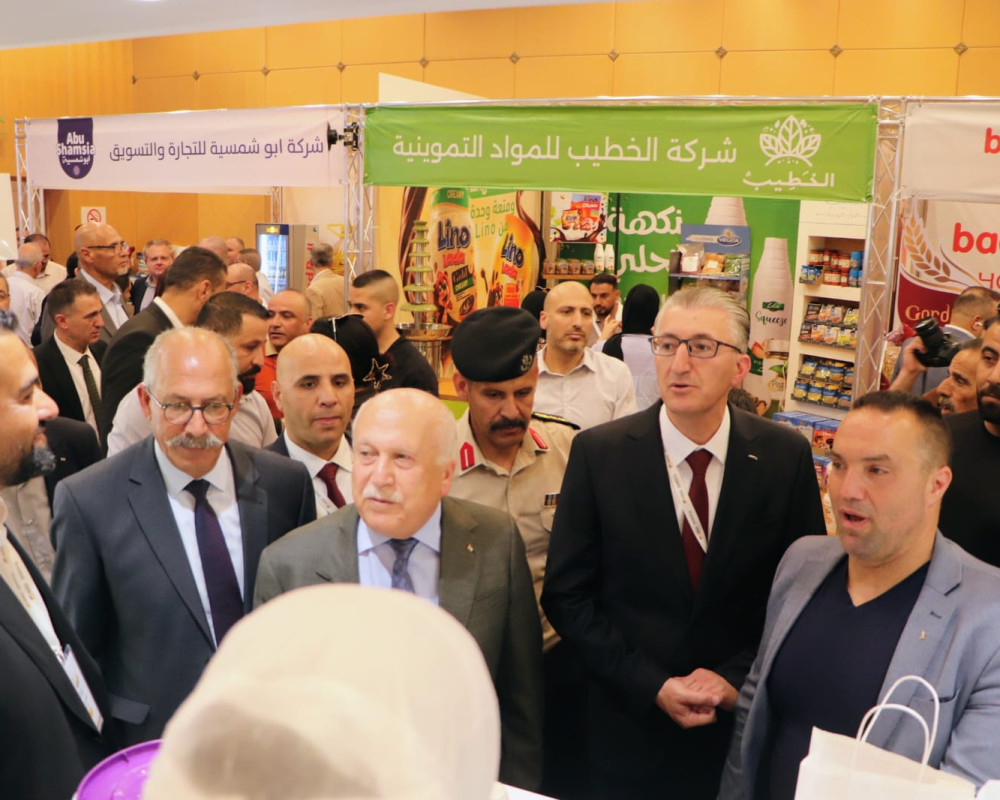
Artas Village Council Chairman Jameel Rabay’a said hosting the exhibition in the Solomon’s Pools area carries important national and economic messages, particularly at a time when the site faces growing settlement pressures.
Meanwhile, George Bassous of the Bethlehem Convention Palace said months of preparation had gone into organising the event, which he described as an important contribution to both economic development and the preservation of Palestinian presence in the area.
The exhibition is being held with strategic sponsorship from Bank of Palestine, diamond sponsorship from Unipal, technology sponsorship from Jawwal, insurance sponsorship from National Insurance Company, and support from several other Palestinian businesses.
Organisers expect tens of thousands of visitors to attend the exhibition during its three-day run, making it one of the largest economic events held in Palestine this year.