BETHLEHEM, West Bank / PNN /
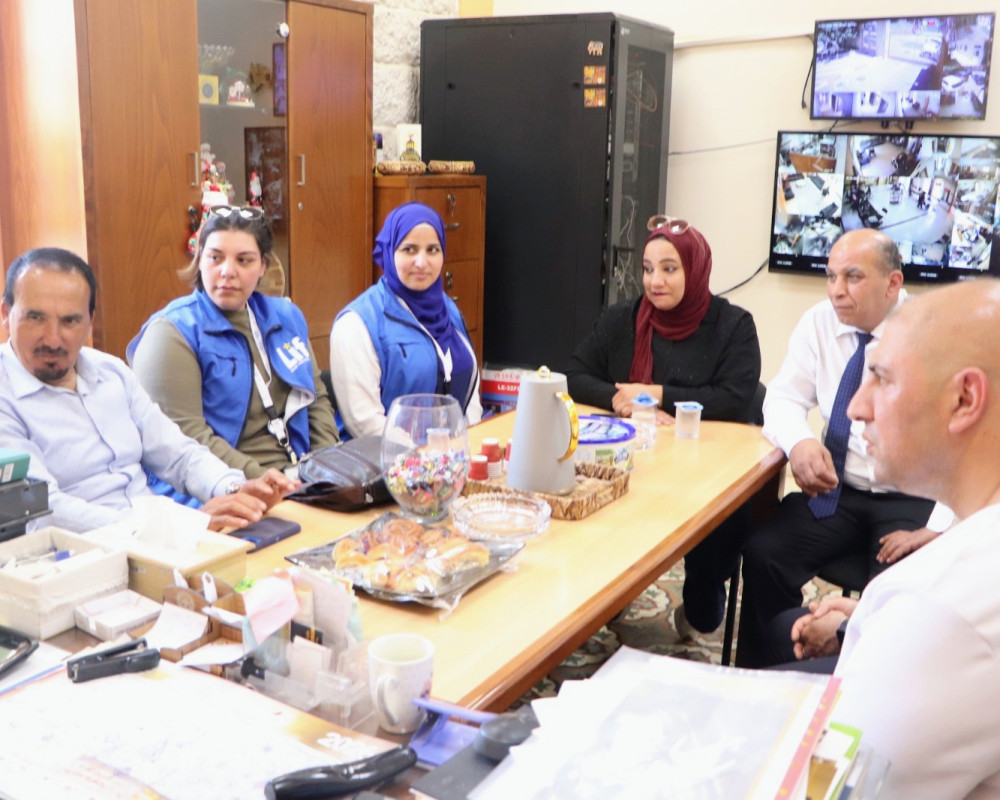
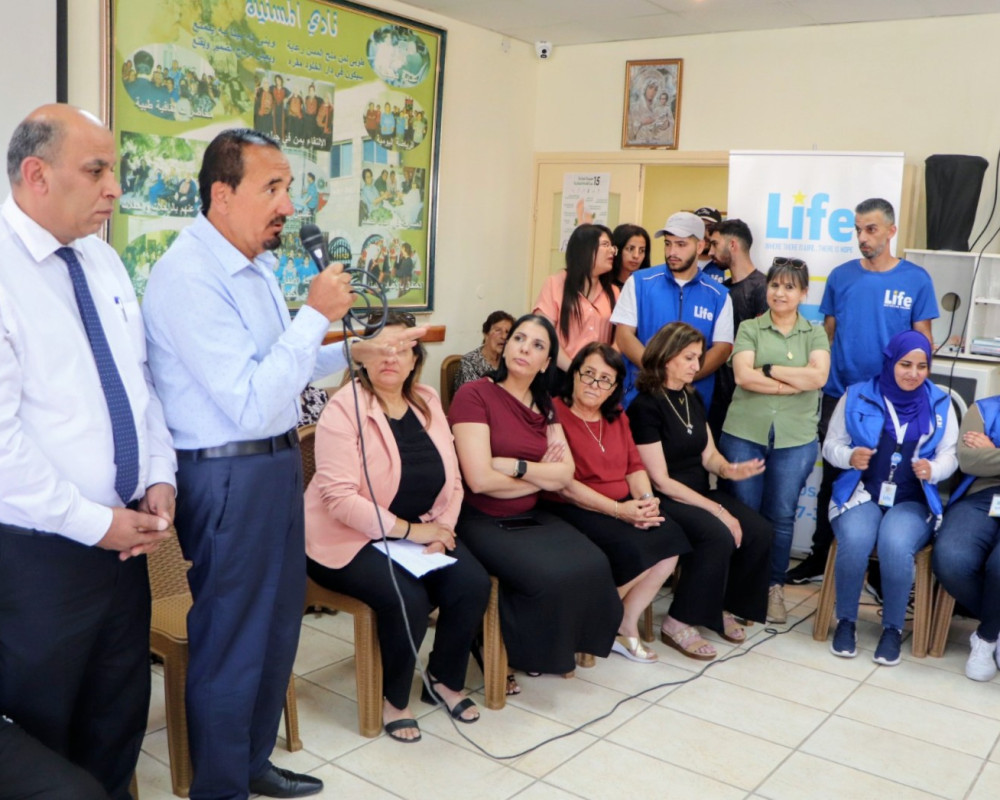
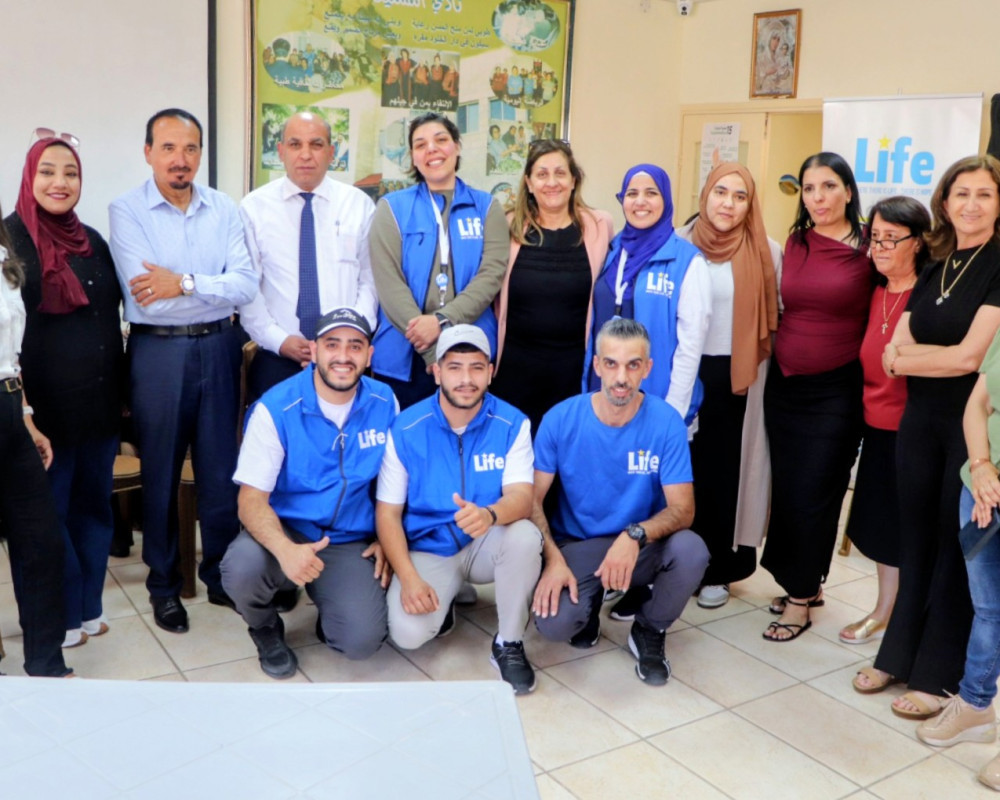
A delegation from the international humanitarian organization LIFE Foundation visited Bethlehem Governorate to assess local needs and explore opportunities for future cooperation, as part of ongoing efforts to support vulnerable communities in Palestine.
The delegation was received by Mohammad Al-Jaafari, Director General of Public Affairs at Bethlehem Governorate, and Fatima, Director of the Social Affairs Department.
As part of the visit, the governorate organized a field tour of several social and healthcare institutions, including the Beth Sahour Elderly Care Home, St. Nicholas Home for the Elderly in Beit Jala, and the Bethlehem Psychiatric Hospital. Representatives of the institutions briefed the delegation on their services, programs and current challenges.
The tour began at the elderly care center in Beit Sahour, where administrators outlined programs designed to support senior citizens through daytime care, social activities, meal services and ongoing follow-up assistance. Officials emphasized that the center serves as a community space that promotes active social engagement and counters isolation among older adults.
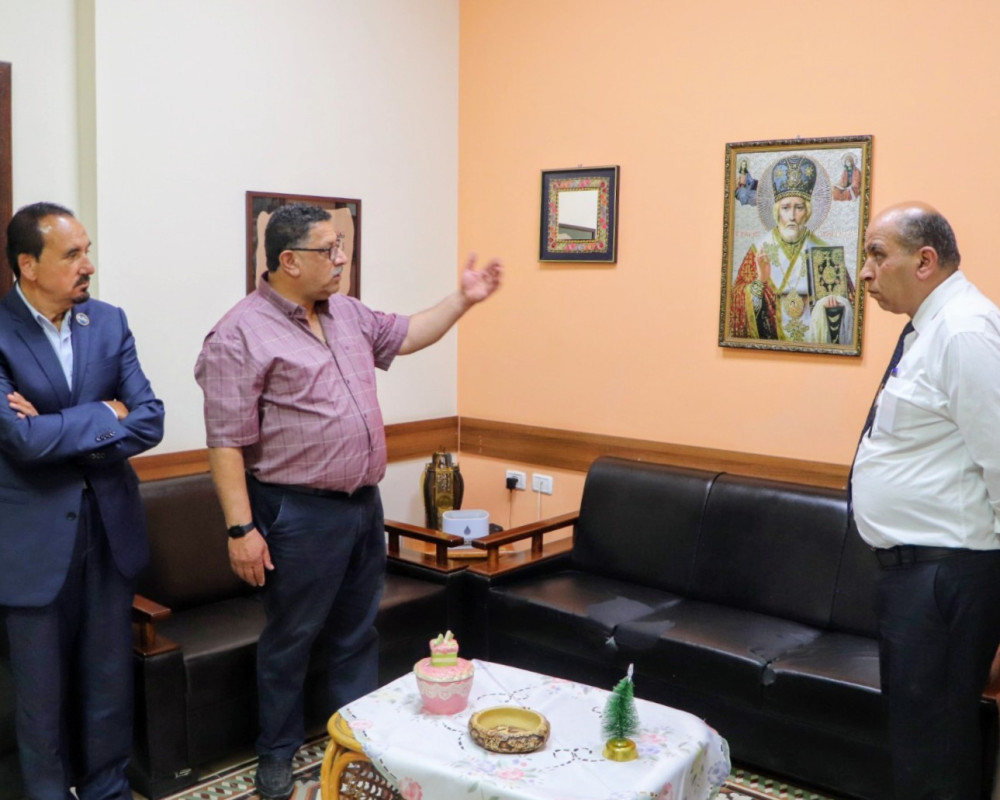
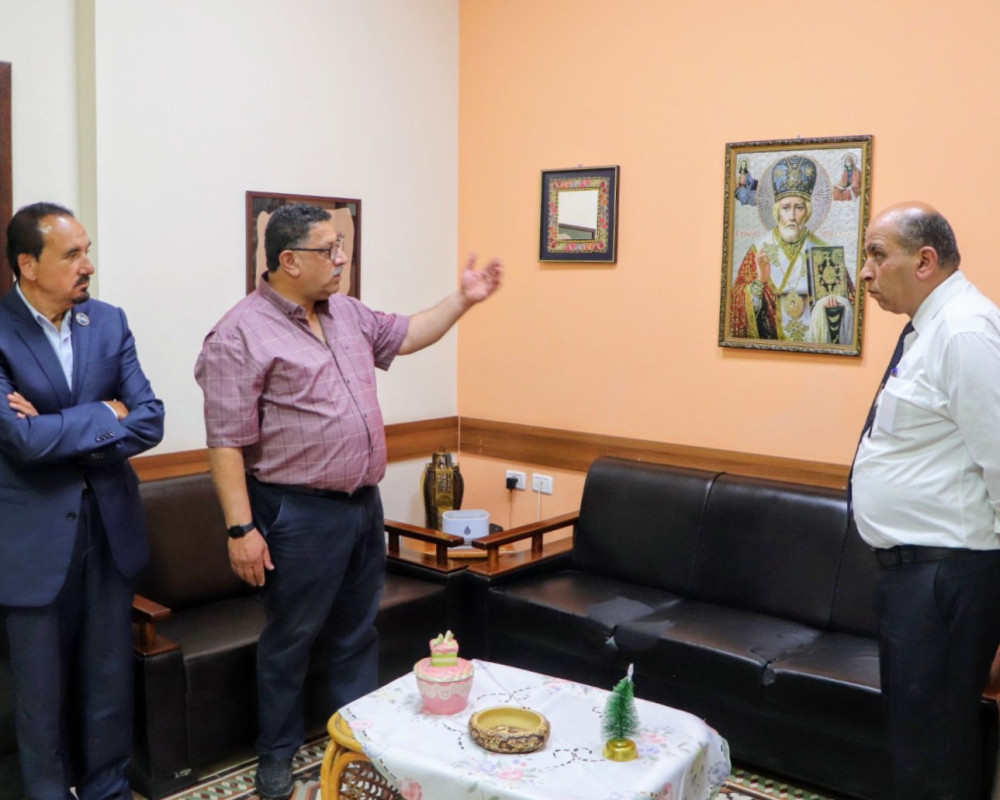
At St. Nicholas Home for the Elderly in Beit Jala, Director Nizar Al-Arja presented the institution’s vision, programs and development strategy, including training initiatives and support services provided to elderly people in their own homes.
Al-Arja highlighted the home's partnerships with universities and community organizations, as well as its close cooperation with Bethlehem Governorate. He expressed hope for developing sustainable partnerships to help address the institution’s growing needs amid ongoing political and economic challenges.
During the visit to Bethlehem Psychiatric Hospital, Administrative and Financial Director Anjad Zahran provided an overview of the hospital’s history and role as the only specialized psychiatric healthcare facility serving historic Palestine.
Zahran said the hospital is preparing to expand services for residents of the Gaza Strip in response to the mental health consequences of the ongoing war.
She noted that the facility currently accommodates 120 residents across five departments offering psychiatric treatment, rehabilitation and occupational therapy services. The hospital also operates a forensic psychiatry unit responsible for monitoring and evaluating individuals involved in criminal cases.
In addition to medical services, patients participate in a range of therapeutic activities, including greenhouse farming, embroidery and candle-making projects.
Zahran identified several challenges facing the hospital, including staffing shortages, training needs, limited supplies and infrastructure concerns. She said some facilities, including the kitchen and refrigeration units, require renovation, while gas and central heating systems also need upgrading.
She added that the hospital works closely with Palestinian universities, which regularly send medical and nursing students for practical training.
For his part, Dr. Abdul Wahab Alawneh, LIFE Foundation’s Regional Director, outlined the organization's humanitarian programs across several countries and emphasized its commitment to transparency and accountability.
Alawneh said LIFE has been implementing relief programs throughout Palestine, particularly in Gaza, including the provision of tents, humanitarian aid and emergency assistance. He added that the organization plans to expand its operations in the coming months.
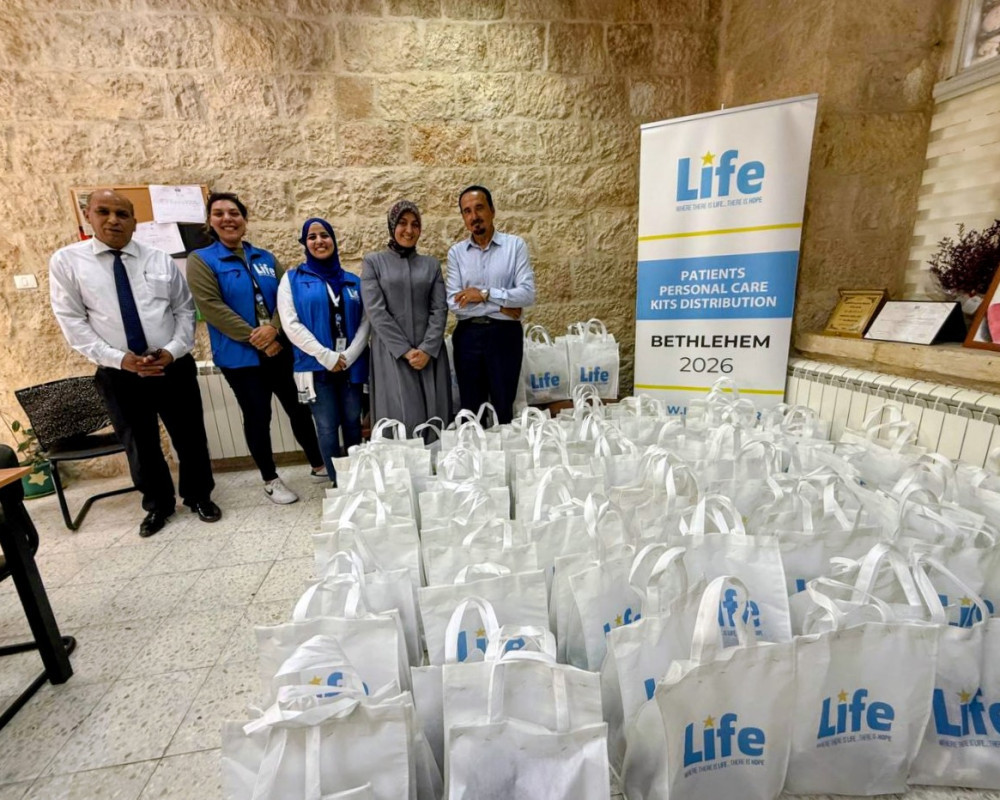
He noted that LIFE recently launched a project in Bethlehem in cooperation with the governorate, which included the distribution of assistance during the Ramadan period. The organization is now preparing additional initiatives, including a campaign to provide school bags and educational supplies to approximately 3,000 students based on field assessments.
Alawneh also announced plans to organize four fundraising events in the United States to support educational projects in Palestine, with the campaign set to be launched from Bethlehem.
In addition, he said the organization is exploring research initiatives focused on the psychological impact of occupation and conflict, particularly post-traumatic stress disorder.
Meanwhile, Doaa Issa, Director and Coordinator of LIFE Foundation in Palestine, presented an overview of the organization’s activities, which include food parcel distributions in the West Bank and humanitarian assistance programs in Gaza, such as the provision of tents, food supplies, hygiene products and medicines.
Issa said the purpose of the delegation’s visit was to better understand the needs of Bethlehem Governorate and evaluate potential projects that could be incorporated into the foundation’s future programs.
Potential initiatives include educational support programs and seasonal assistance projects, such as providing winter supplies for Bethlehem Psychiatric Hospital. She added that while LIFE’s work has largely focused on humanitarian relief, the organization is considering expanding into longer-term development and empowerment projects.
Mohammad Al-Jaafari said the visit reflects growing cooperation between Bethlehem Governorate and LIFE Foundation and builds on previous joint initiatives.
He noted that the institutions included in the tour were selected because of their significant role in serving local communities and vulnerable groups.
Al-Jaafari thanked the foundation for the symbolic assistance provided during the visit and expressed hope for the success of its planned “Back to School” campaign, which aims to support thousands of students ahead of the new academic year.