JERUSALEM / PNN/
The Jerusalem Governorate warned on Thursday against the Israeli authorities' decision to officially begin planning procedures for a massive colonial waste treatment project on the lands of Qalandiya village, northwest of occupied Jerusalem.
The move represents a dangerous escalation in the policies of annexation and land confiscation in the Palestinian territories, threatening the Palestinian population and agricultural presence in the area.
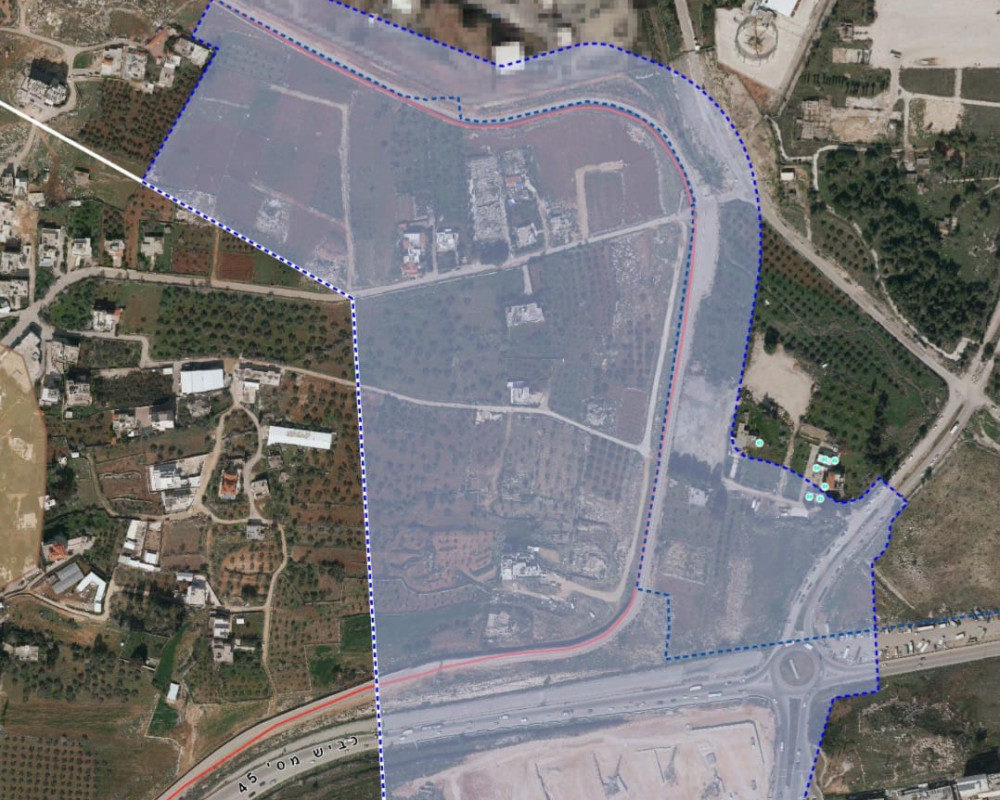
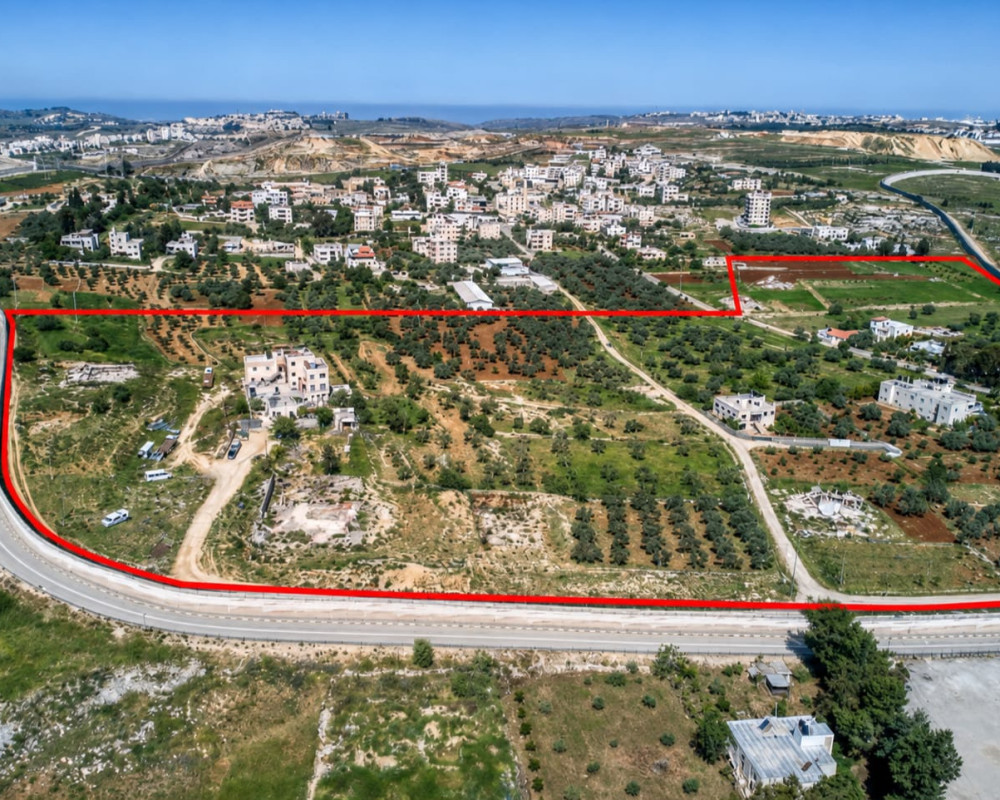
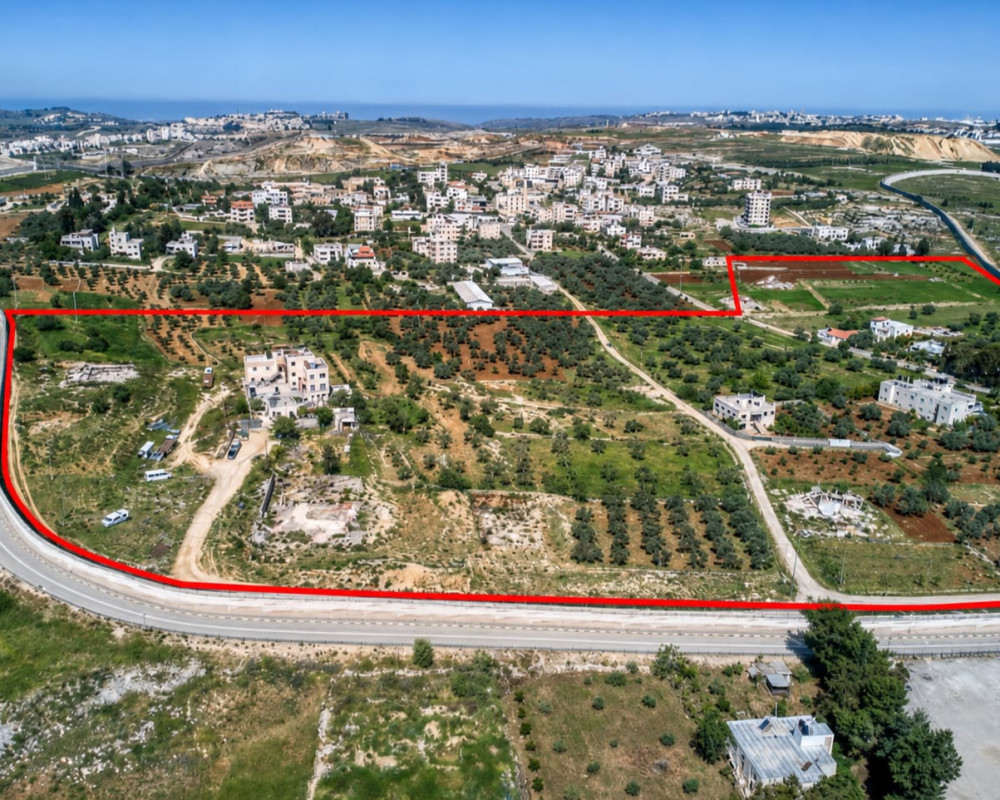
In a statement, the Governorate said that the published plans include the construction of a large-scale waste treatment project on Qalandiya village lands, accompanied by a change in the route of the existing separation wall, shifting it deeper into the village's territory.
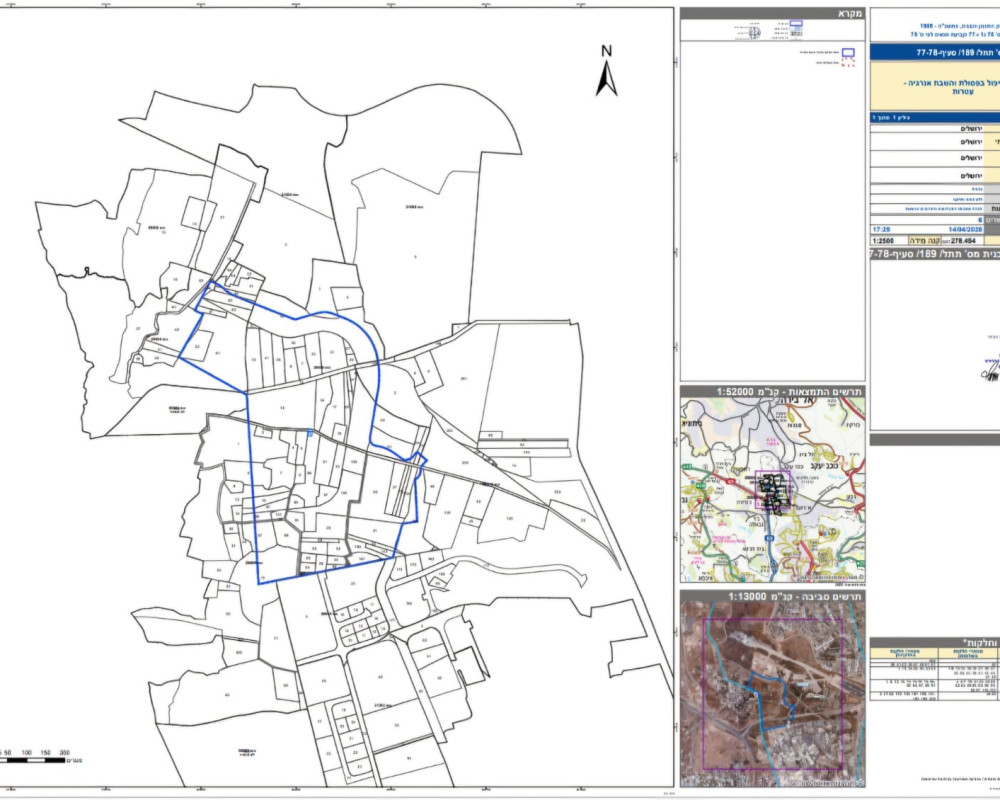
According to the plan, the project, in all its components, will result in the confiscation of approximately 278 dunams of Palestinian land, far exceeding the areas discussed in previous plans, revealing the broader scope and objectives of this colonial project.
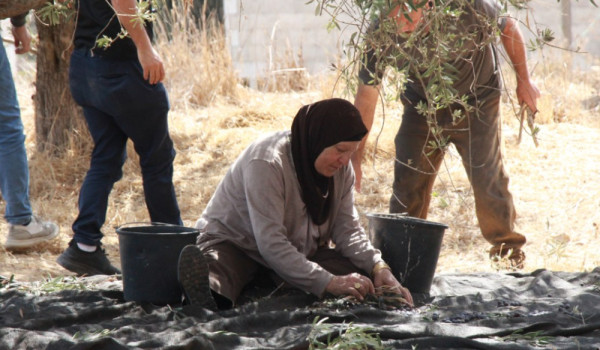
It also said that the targeted area includes approximately 40 inhabited homes, along with dozens of dunams of fertile agricultural land planted with olive trees, grains, and vegetables. This makes the project a direct threat to the livelihoods of the residents, their social stability, and their right to remain on their land.
According to the plan, a waste treatment and energy conversion facility will be built, with the waste being fed into the Israeli electricity grid. This facility will receive large quantities of various types of waste, including plastic, paper waste, and other flammable materials, as part of a broader Israeli plan to expand waste treatment infrastructure at the expense of occupied Palestinian land.
It said that the project's origins date back to June 2024, when the occupation government tasked the Eden Company, affiliated with the Jerusalem municipality, with identifying a site for the facility. The company proposed a 130-dunam plot of land in Qalandiya, containing at least seven residential buildings and agricultural land, as a prelude to establishing the waste treatment and energy recovery facility.
The Jerusalem Governorate added that in April 2025, the Israeli Finance Minister, Bezalel Smotrich, signed a notice under Article 19 of the "Land Order" to activate two old confiscations dating back to 1970 and 1982. The purpose of this action was to prepare the land for the new project.
The first confiscation, issued on August 30, 1970, encompassed approximately 1,200 dunams allocated for the industrial zone in Atarot, 390 of which belonged to residents of Qalandiya. The second confiscation, issued on June 1, 1982, covered 137 dunams designated for a so-called "security facility."
The Jerusalem Governorate emphasized that the project cannot be considered an environmental project, as the occupation authorities claim. Rather, it constitutes part of a comprehensive colonial system aimed at reshaping the Palestinian geography and demography in occupied Jerusalem and its surrounding areas.
It further affirmed that the project's dangers extend beyond land confiscation and the threat to homes, encompassing serious environmental and health dimensions. This is due to the targeted site's direct proximity to densely populated Palestinian residential areas in and around Qalandiya village.
The governorate warned that establishing a waste treatment facility in this area would lead to increased emissions of pollutants, odors, and particulate matter, with accompanying negative impacts on air quality, soil, groundwater, and public health.
It emphasized that global experiences with waste treatment facilities located near residential areas indicate increased risks to public health, including higher rates of respiratory and cardiovascular diseases and certain types of cancer, particularly among children and the elderly.
Furthermore, it highlighted the potential damage to agricultural production and local food security resulting from the targeting of productive agricultural land.
It deemed the project a clear example of "environmental racism," whereby Palestinian communities are burdened with the environmental risks and consequences of projects serving Israeli settlements and their infrastructure, violating the principles of environmental justice and the right to a safe and healthy environment.
The Jerusalem Governorate affirmed that the project constitutes a flagrant violation of international humanitarian law, particularly the Fourth Geneva Convention, which prohibits an occupying power from confiscating private property or exploiting occupied territory for its own interests. It also contravenes human rights principles and international environmental law.
The Governorate called upon the international community, the United Nations, and international human rights and environmental organizations to take immediate action to halt the project and hold the occupying authorities accountable for their policies targeting Palestinian land, people, and the environment in occupied Jerusalem.