HEBRON / PNN /
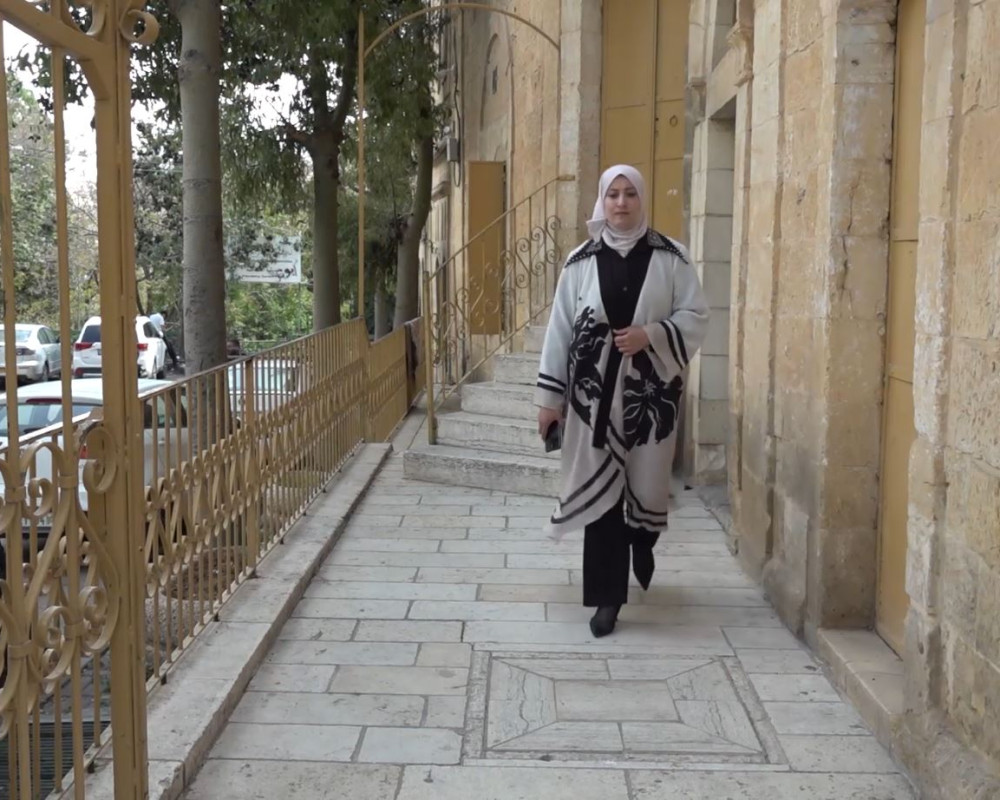
Palestinian human rights defender Areej Al-Jaabari says her camera has become her primary tool to protect residents in the besieged areas of Hebron and document violations committed against Palestinians by Israeli forces and settlers amid escalating restrictions since the outbreak of the war in Gaza in October 2023.
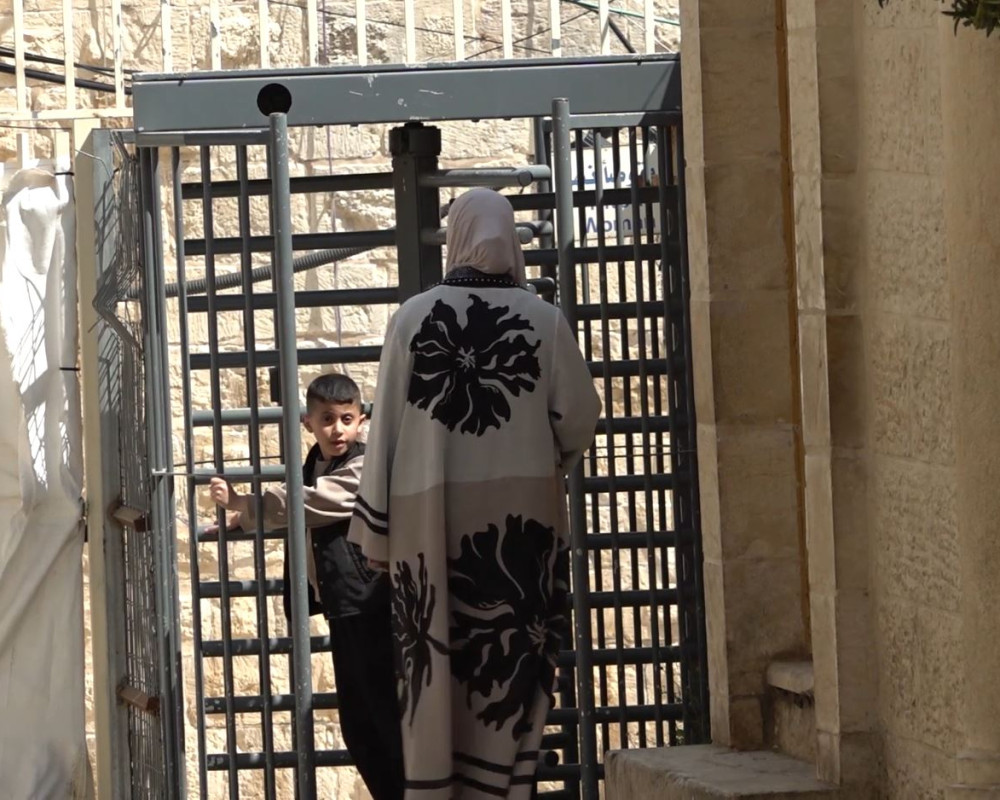
Al-Jaabari, an interior designer and volunteer activist with B'Tselem since 2007, lives in the Wadi al-Husain area of southern Hebron, a Palestinian neighborhood adjacent to Israeli settlements and subject to strict military measures, checkpoints and repeated closures.
She said her daily presence in the area pushed her to document what she described as attacks and violations against residents, particularly during the passage of settlers heading to the Ibrahimi Mosque compound for Jewish religious rituals, when the area frequently witnesses confrontations with Palestinian residents.
Al-Jaabari said video documentation has become an essential means of “exposing the crimes of the occupation” and revealing the reality on the ground, noting that without filming there would be no evidence of the abuses faced by residents.
“Documentation protects people’s rights and shows the truth about the assaults and attacks carried out against residents, whether by soldiers or settlers,” she said.
She said her human rights work has exposed her to a series of violations, including detention, physical assault and movement restrictions, as well as repeated intimidation attempts by Israeli settlers and soldiers aimed at preventing her from continuing to film.
Al-Jaabari said Israeli soldiers detained her for several hours during Ramadan while she was documenting events in the area, and that she was also beaten near a military checkpoint in the Rajabi neighborhood of Hebron. She added that Israeli forces confiscated her vehicle and prevented her from leaving her home or moving freely in the street, describing the measures as “similar to house arrest.”
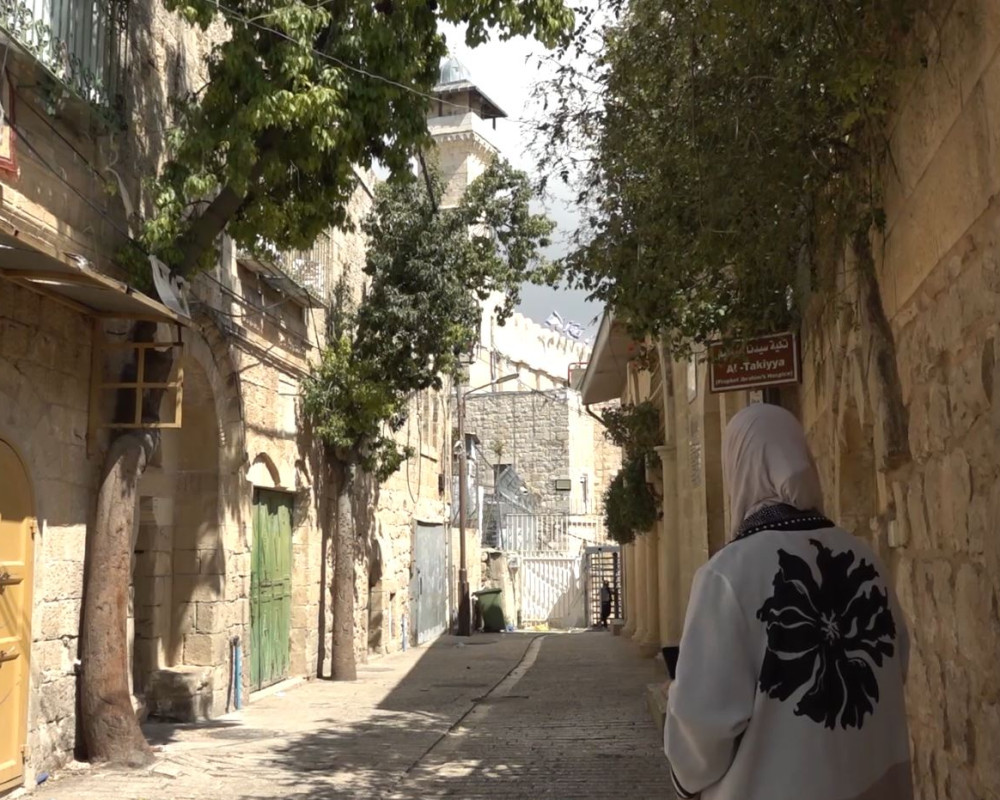
She also said settlers have repeatedly targeted her home because of her rights work, stressing that the pressure has not forced her to stop.
According to Al-Jaabari, documentation is not only about recording events, but can also help protect residents, especially children, from settler attacks or arrest. She said footage is sometimes used as legal evidence in court proceedings involving Palestinian detainees.
She added that many violations taking place in Wadi al-Husain previously received little attention or media coverage, but that publishing photos and videos helped convey residents’ suffering to rights groups and media outlets.
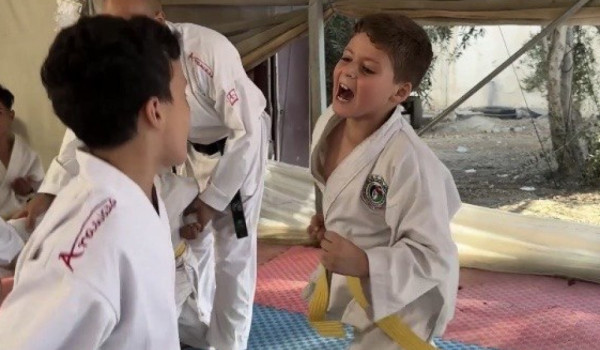
Residents of the area face harsh conditions, including closures, movement restrictions, obstacles preventing children from reaching schools and limited access to basic services, she said, adding that women and children are among the most affected by the measures.
Despite threats and attacks, Al-Jaabari said she remains committed to continuing her rights work and supporting women and children through community activities and psychosocial support programs, describing documentation as a form of protecting Palestinian society and exposing violations to the world.
She also urged Palestinian activists to continue their rights work despite mounting pressure, saying that “documentation protects people and exposes the crimes of the occupation.”
Local and international human rights organisations have reported an increase in the targeting of Palestinian human rights defenders and journalists, particularly in areas near Israeli settlements in the occupied West Bank, where activists are frequently subjected to arrest, detention, physical assault and confiscation of equipment while documenting events on the ground.