GENEVA / PNN /
Violence across the Eastern Mediterranean is rapidly escalating, with serious consequences for civilians and already strained health systems, the World Health Organization regional chief said Friday.
Hanan Balkhy, the regional director for the World Health Organization Regional Office for the Eastern Mediterranean, told reporters during a press briefing that more than 1,000 people have reportedly been killed and about 7,000 injured across the region in recent days.
One of the most alarming trends, she said, is the increasing number of attacks on health facilities.
“In the past week, WHO has verified 13 attacks on health care in the Iran and one in Lebanon,” Balkhy said.
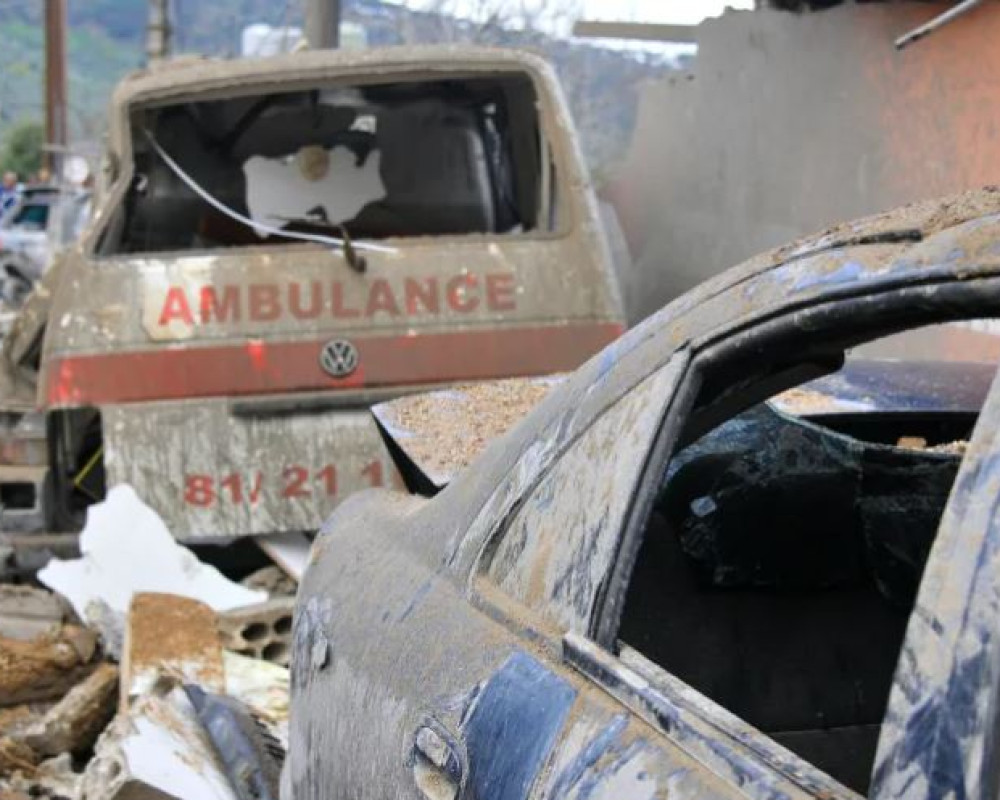
In Lebanon, evacuation orders have forced the closure of 43 primary health care centers and two hospitals. Violence has also affected emergency responders, with paramedics among those killed or injured, she said.
“Health workers, patients and health facilities must be protected at all times and in all places, even in war,” Balkhy added.
The WHO also warned that humanitarian health supply chains are increasingly at risk due to insecurity and transportation disruptions.
Operations at the agency’s global health emergencies logistics hub in Dubai — which last year fulfilled more than 500 emergency supply orders for 75 countries — have been temporarily suspended because of security concerns, airspace closures and restrictions affecting access through the Strait of Hormuz.
The disruption has blocked access to about $18 million worth of humanitarian health supplies, while an additional $8 million in shipments has been unable to reach the hub, Balkhy said.
More than 50 emergency supply requests from 25 countries have been affected, including about $6 million in medicines intended for Gaza Strip and $1.6 million in laboratory supplies used for Polio testing.
The Eastern Mediterranean region accounts for roughly half of global humanitarian needs, Balkhy said.
WHO teams are coordinating with health ministries and partners across affected countries to maintain essential medical services, strengthen disease surveillance and prepare for potential mass casualties and displacement.
The agency is also pre-positioning trauma supplies and essential medicines while helping countries maintain critical public health services and prepare for potential chemical, biological, radiological and nuclear threats.
Despite those efforts, WHO’s emergency operations in the region currently face a funding gap of about 70%, Balkhy said.
“Without urgent financial support, essential services will cease and preventable suffering will deepen,” she warned, adding that the organization remains committed to supporting people across the region.