Khan Younis / PNN /
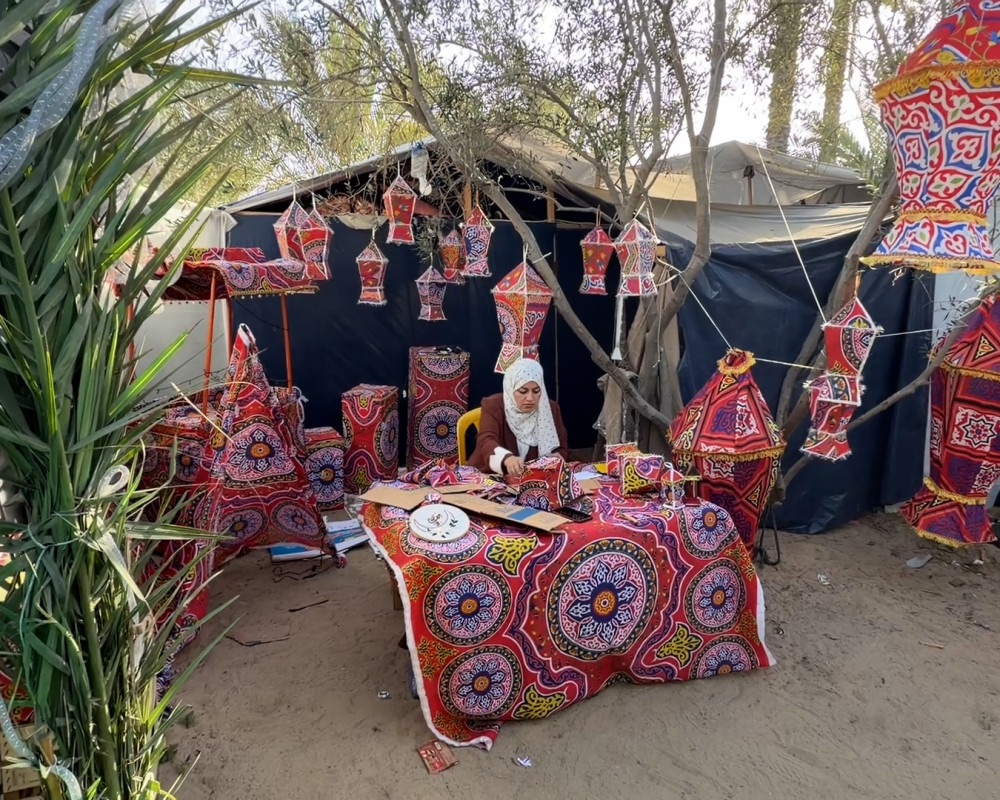
In the heart of Gaza, where daily life is overshadowed by conflict, women are determined to create life amid the rubble. Riham Sharab, 32, from the Nuseirat area, embodies this resilience, turning daily hardships into a source of creativity and work.
Sharab, a maker of Ramadan lanterns, has lived through years of war, enduring displacement and loss, yet she has not lost hope. "We went through very difficult days, and the displacement continued from place to place," she told PNN.
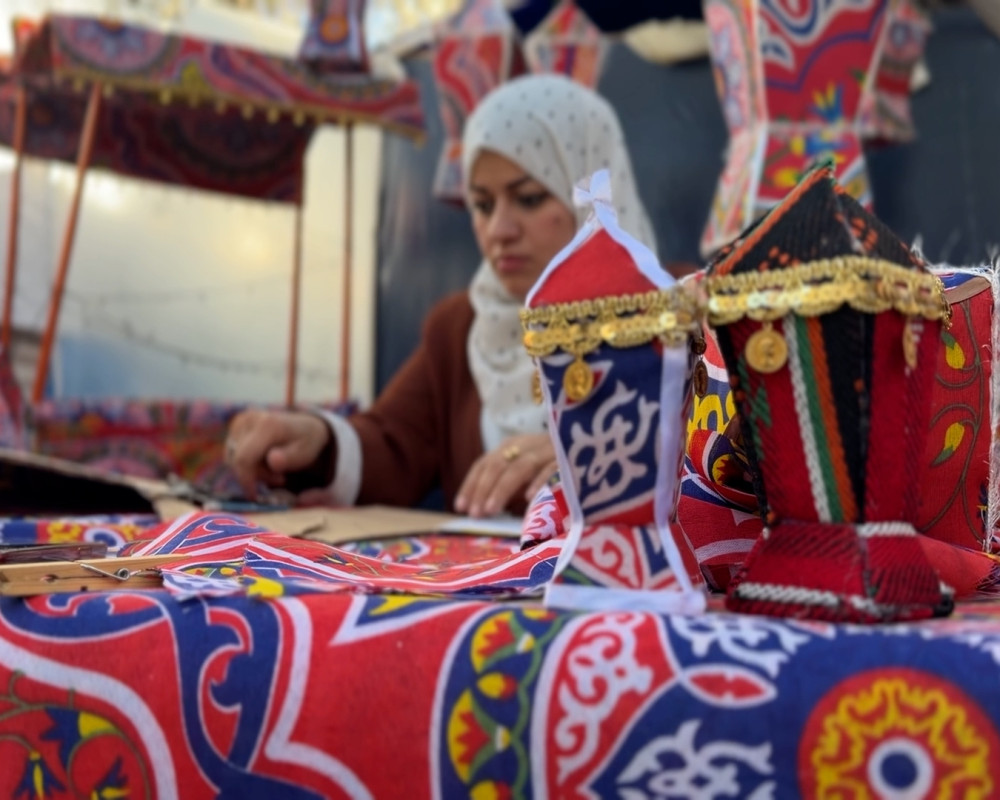
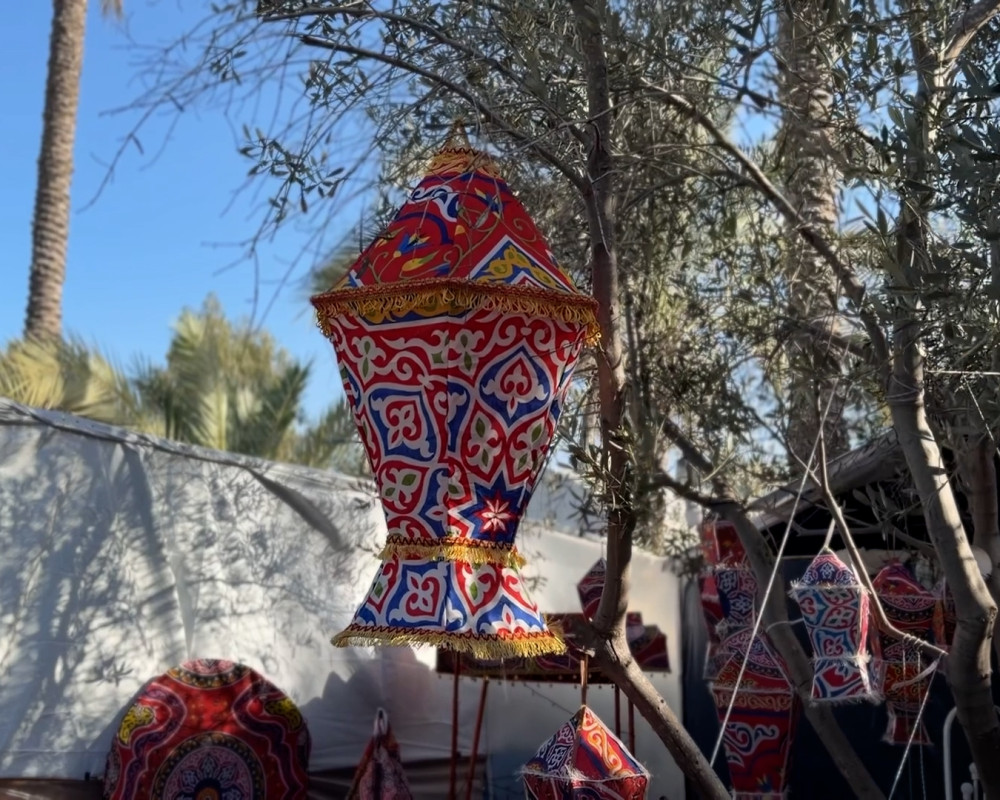
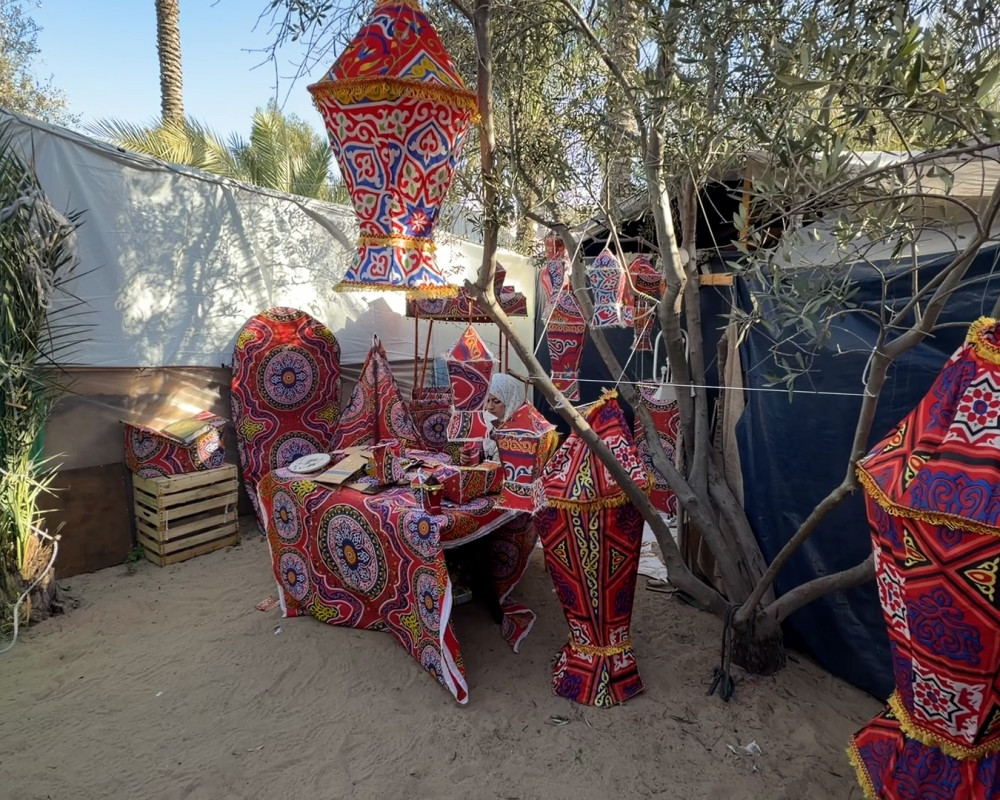
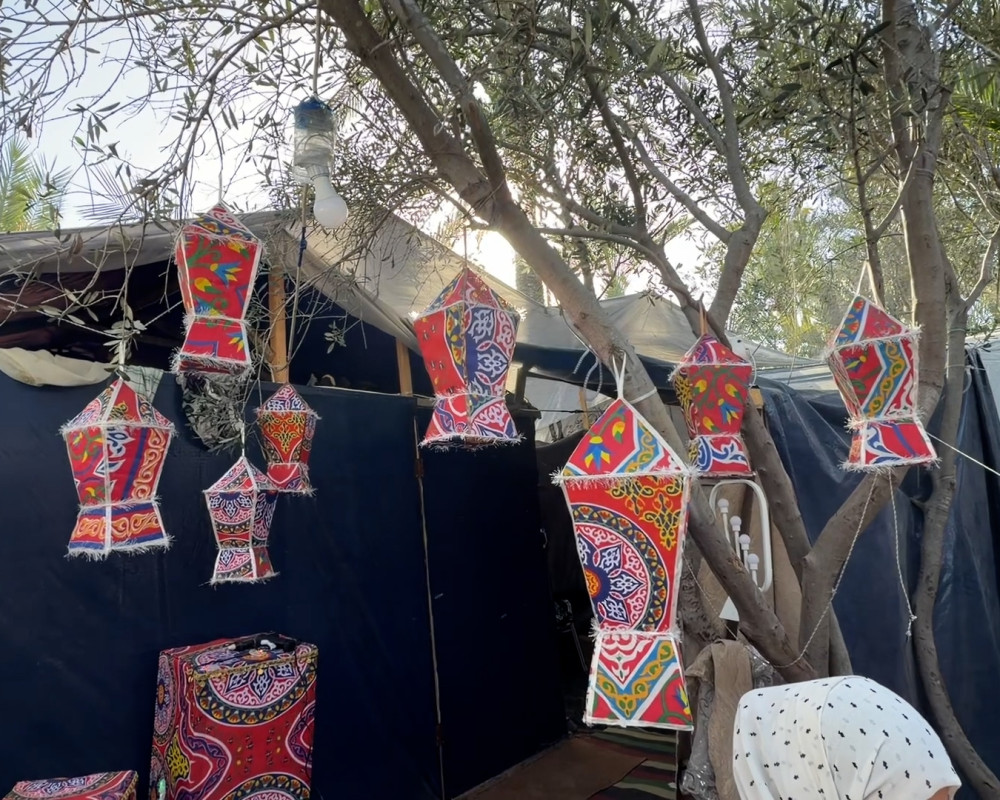
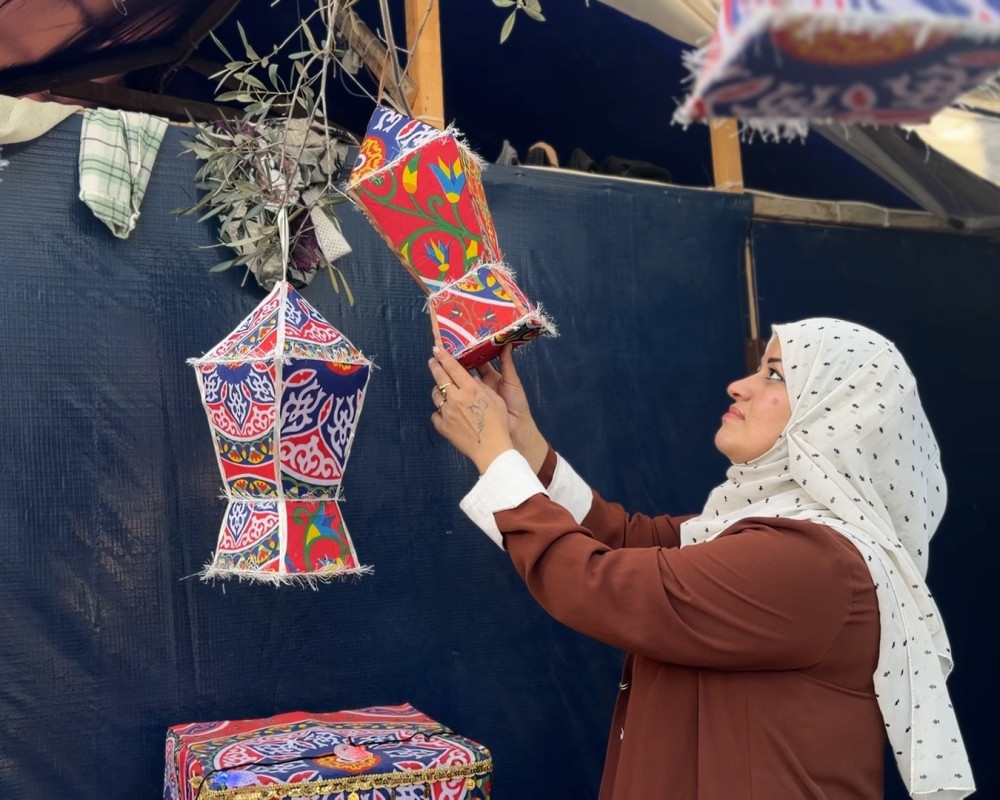
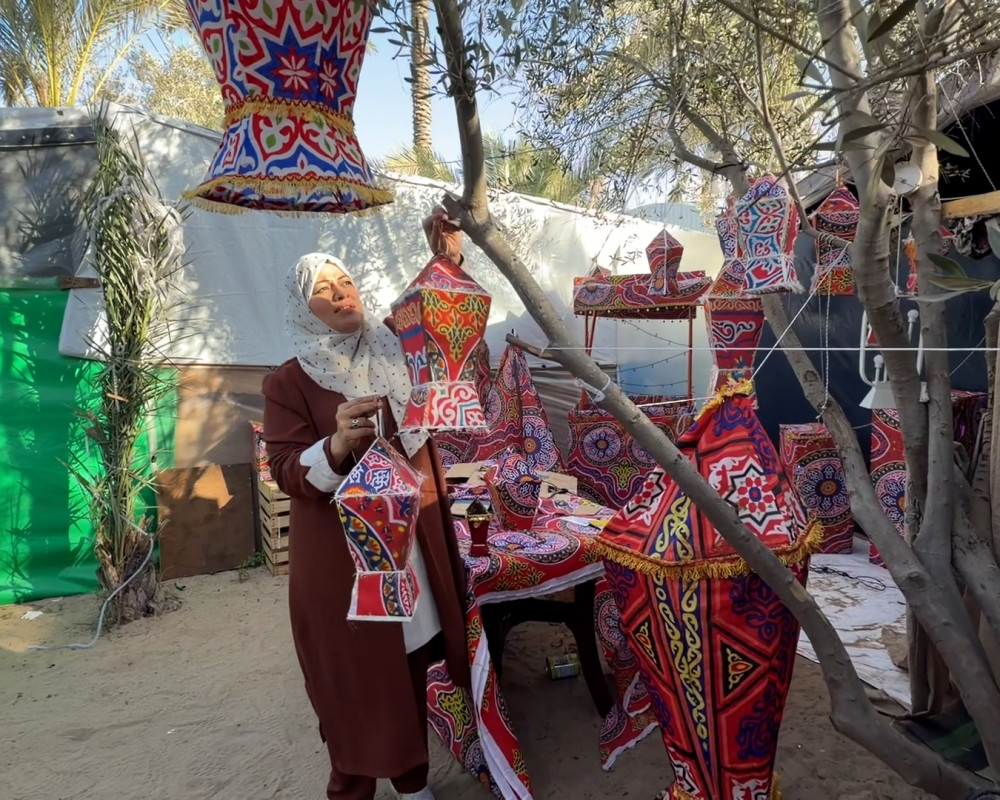
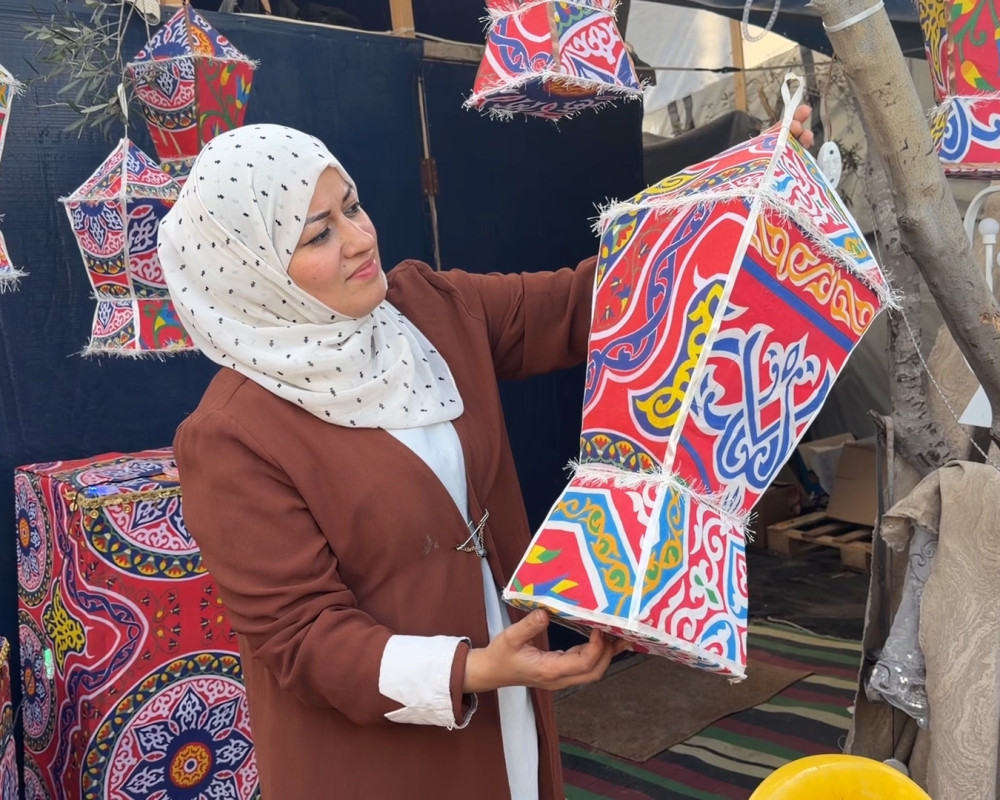
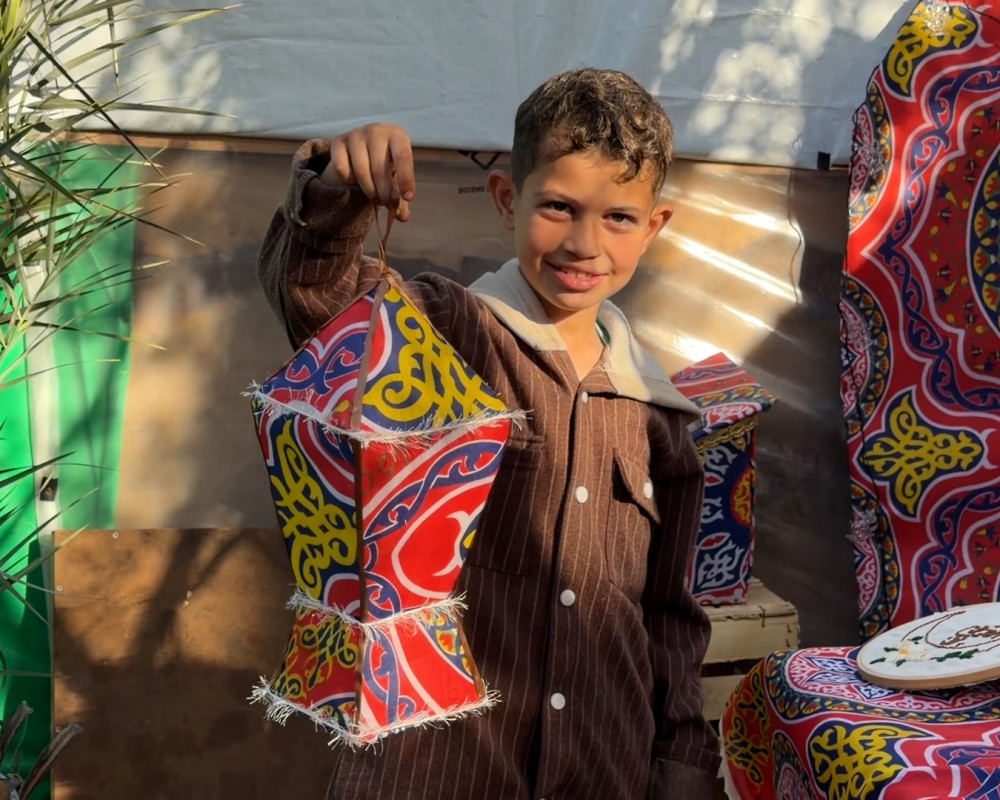
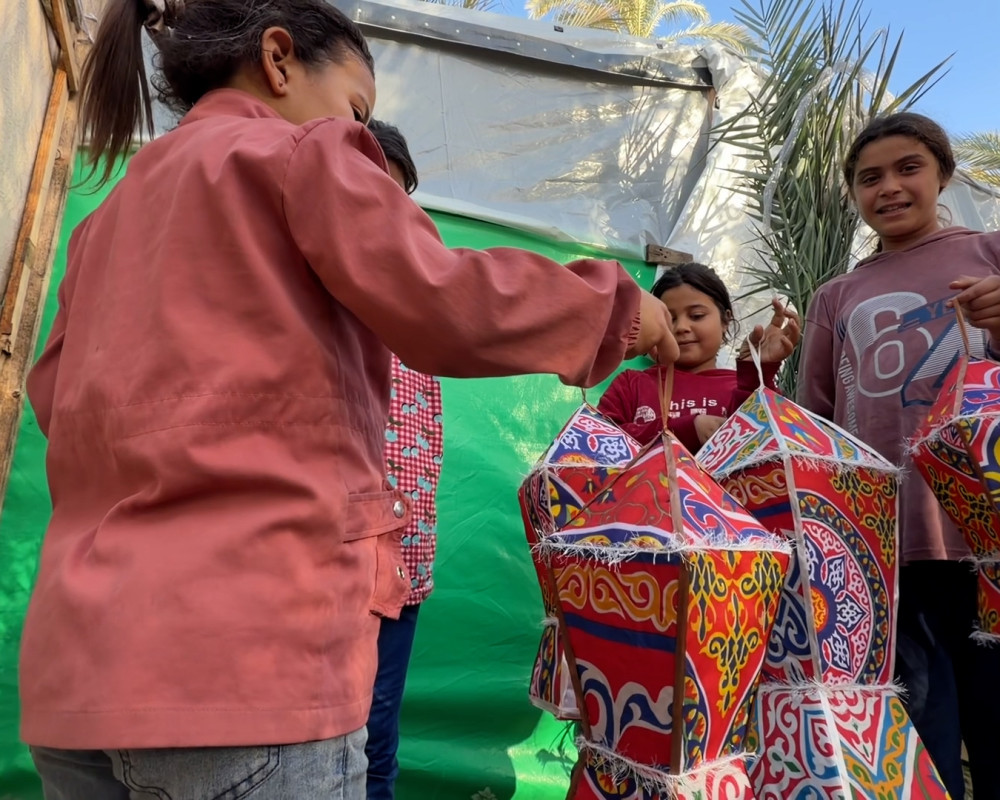
Despite scarce materials and limited access to supplies, Sharab has persisted in making lanterns that symbolize joy for children, women, and all residents of Gaza. "Since I was a child, I’ve held onto this tradition. The lantern represents joy and is a way of celebrating Ramadan," she said, smiling as she displayed her creations.
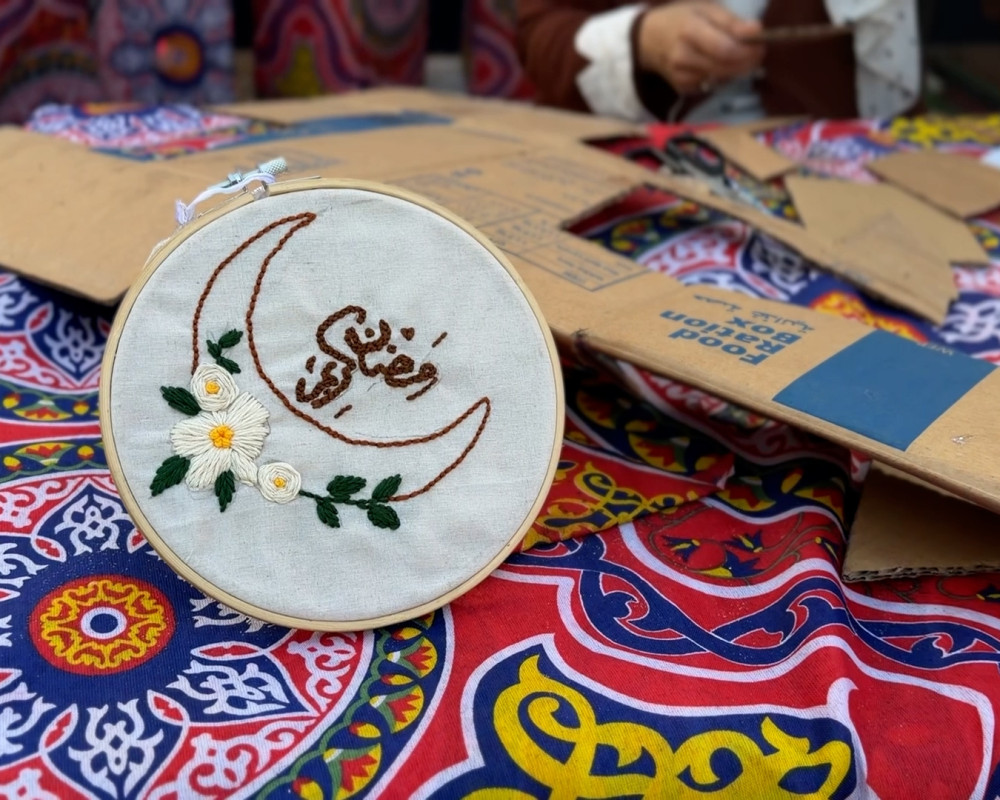
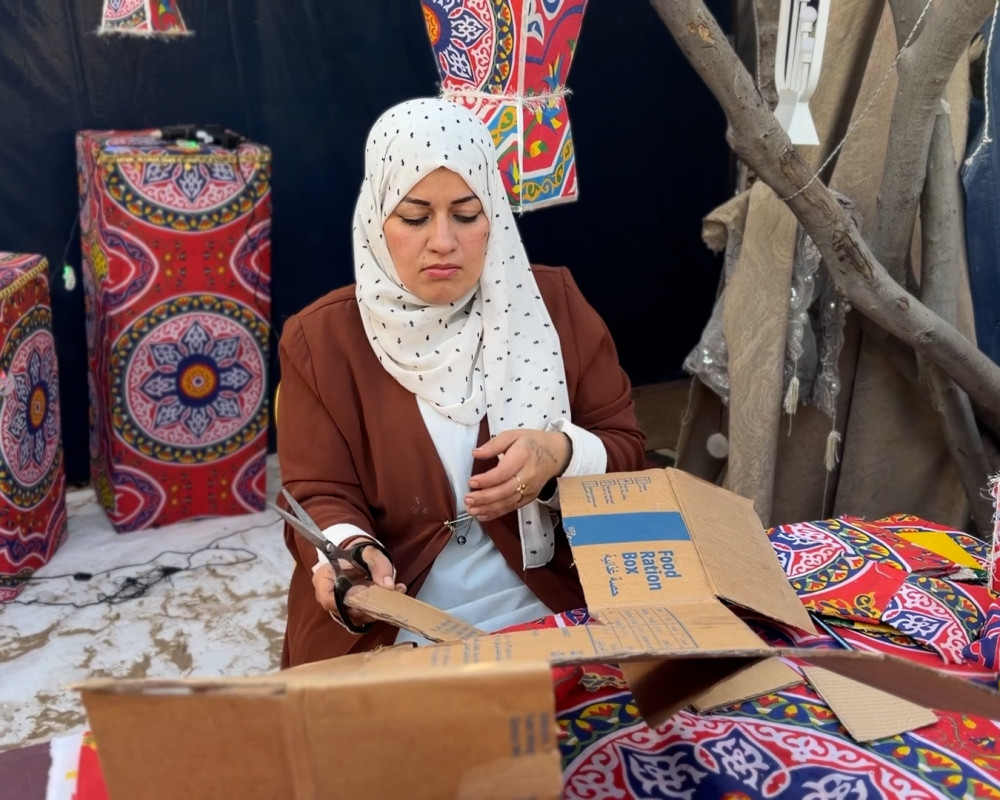
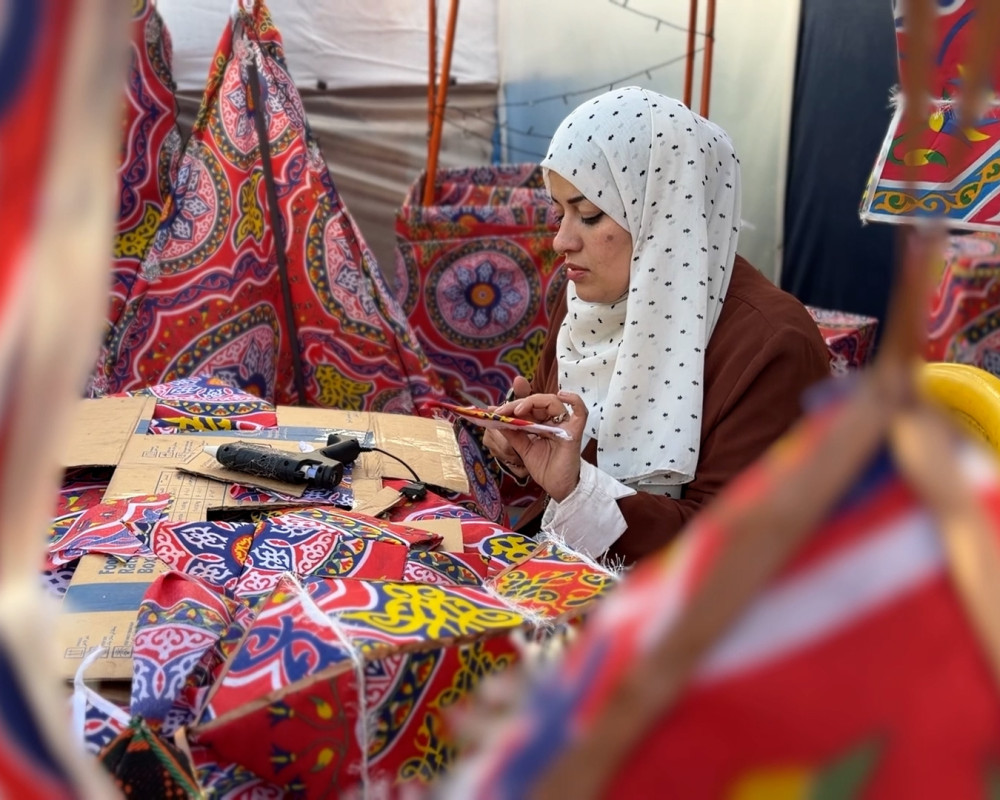
Sharab collected what she could from aid cardboard and fabric she managed to find from a few traders in Gaza City, recycling these materials into artistic pieces that carry the spirit of the holy month. "Even aid parcels are few, but I save what we get to use in making lanterns," she said.
She often faces difficult choices, deciding whether to store cardboard for her crafts or use it for cooking fuel. Ultimately, she chooses to preserve it for lantern-making.
Electricity shortages pose another challenge. Sharab relies on electric tools to heat silicone and attach fabric, but power is only available for three hours a day. She pays homeowners who rent her electricity, often sourced from solar panels, just to continue her work. "Some days, this disrupts my ability to work," she said.
After the war subsided, Sharab decided to revive the tradition of Ramadan lanterns using these basic materials. She wanted to bring joy back to people, especially children, as the lantern has been a central part of her Ramadan since childhood.
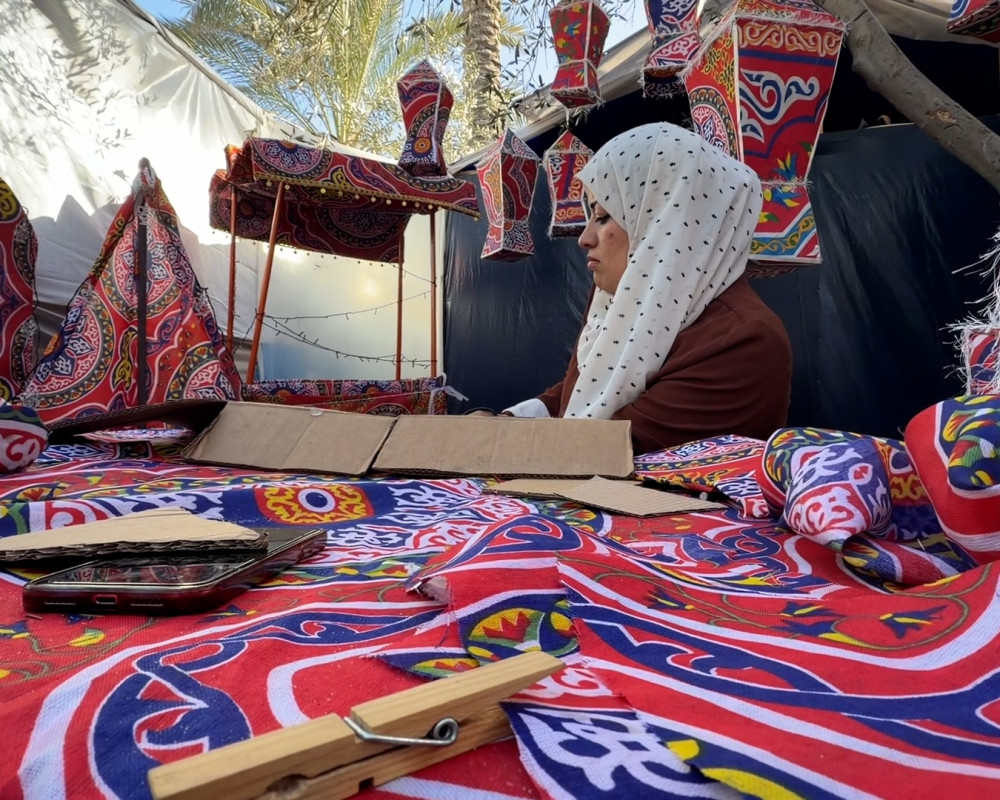
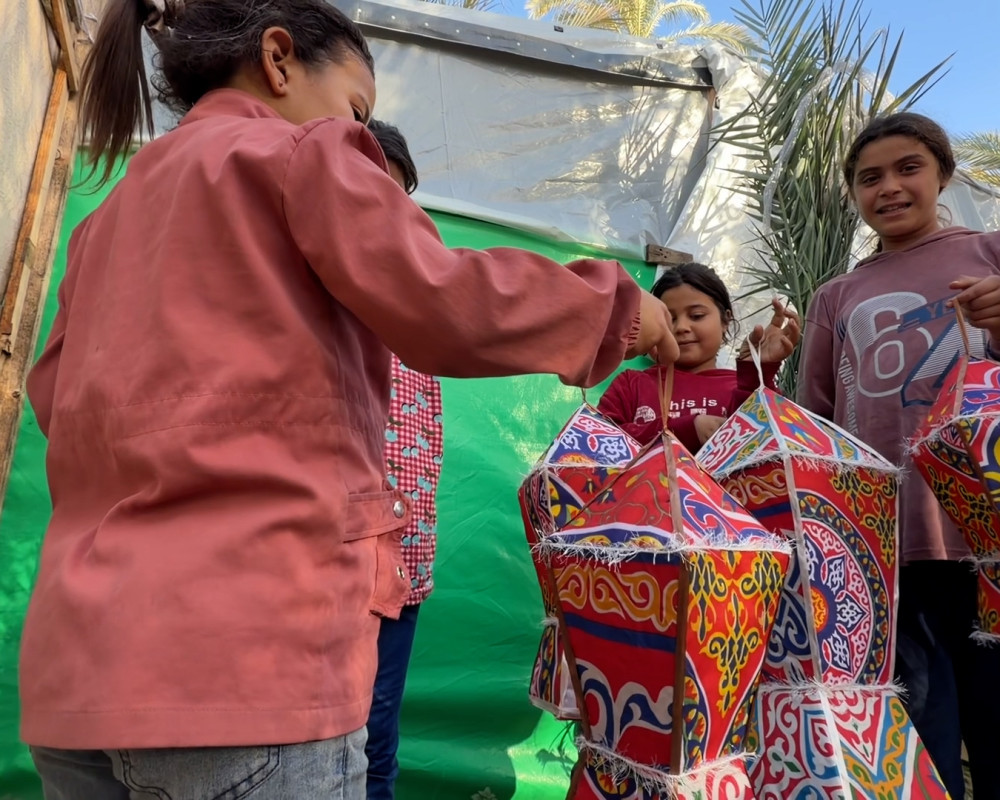
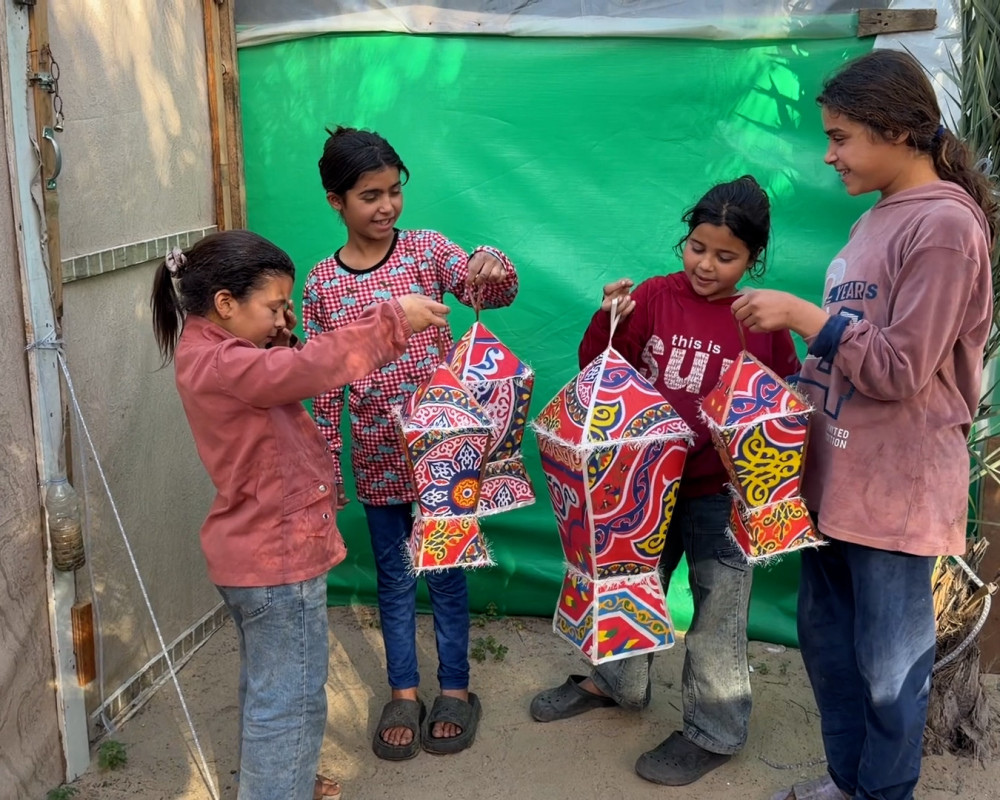
She finds great satisfaction in seeing children gather around her tent, where she displays and sells lanterns of all sizes. "Ramadan in Gaza has always been associated with lanterns. Today, I feel immense joy watching children and women come to see and buy Ramadan lanterns. Even if many live in displacement tents, this life is decorated with Ramadan lights," she said.
Sharab emphasized that despite losing homes, mosques, and loved ones, Palestinians still seek to celebrate the spiritual joy of Ramadan, and lanterns are a part of that tradition.
Emerging from the rubble, she has turned her craft into a source of happiness and resilience. "Despite the last two years of war, I managed to overcome these circumstances and accomplish meaningful work. As long as my hands can do it, I will continue," she said.
Sharab’s story reflects the experience of thousands of women in Gaza who persist in creating, working, and innovating despite siege and bombardment, becoming symbols of steadfastness.
This story was produced as part of the Qarib program, implemented by the French Media Development Agency (CFI) in partnership with and funded by the French Agency for International Cooperation (AFD).