Bethlehem, West Bank (PNN) —
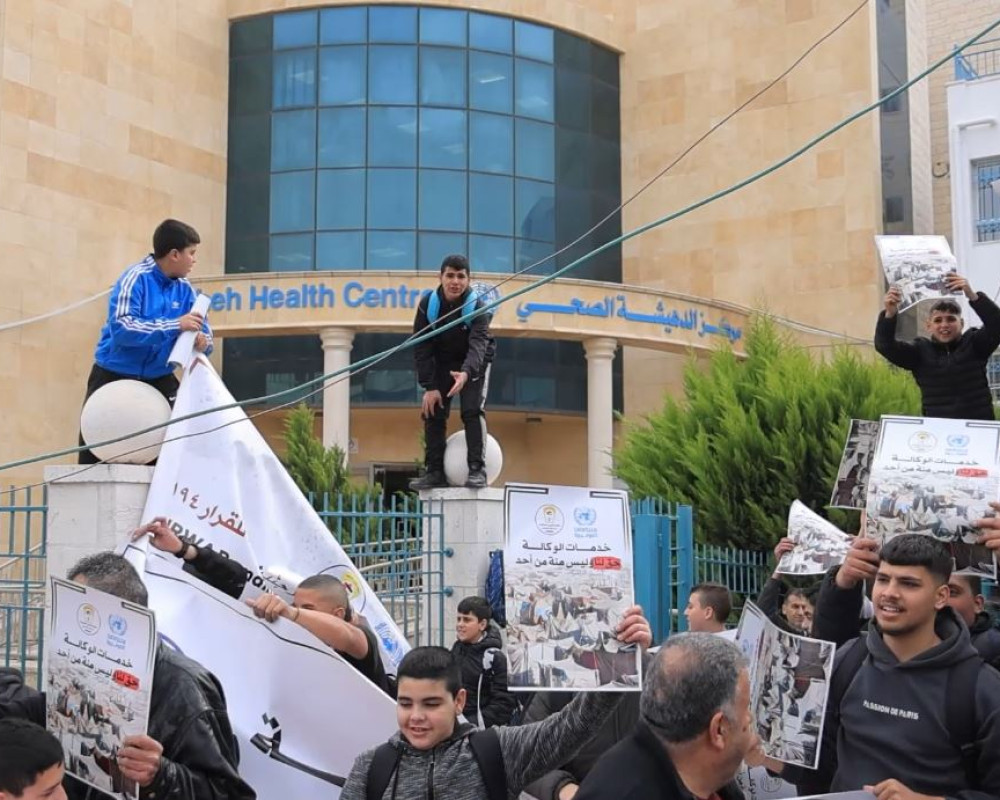
Palestinian refugee committees and officials from the Palestine Liberation Organization staged protests Monday outside UNRWA offices in the Dheisheh refugee camp, denouncing what they described as sweeping cuts to services that they say undermine refugees’ rights.
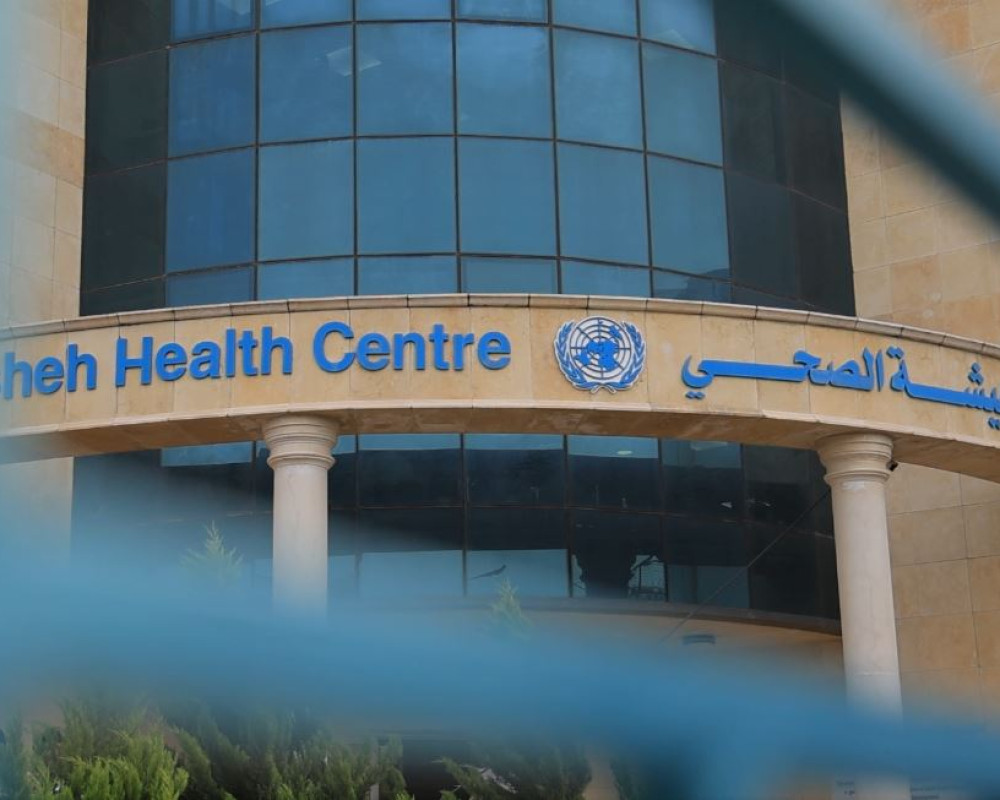
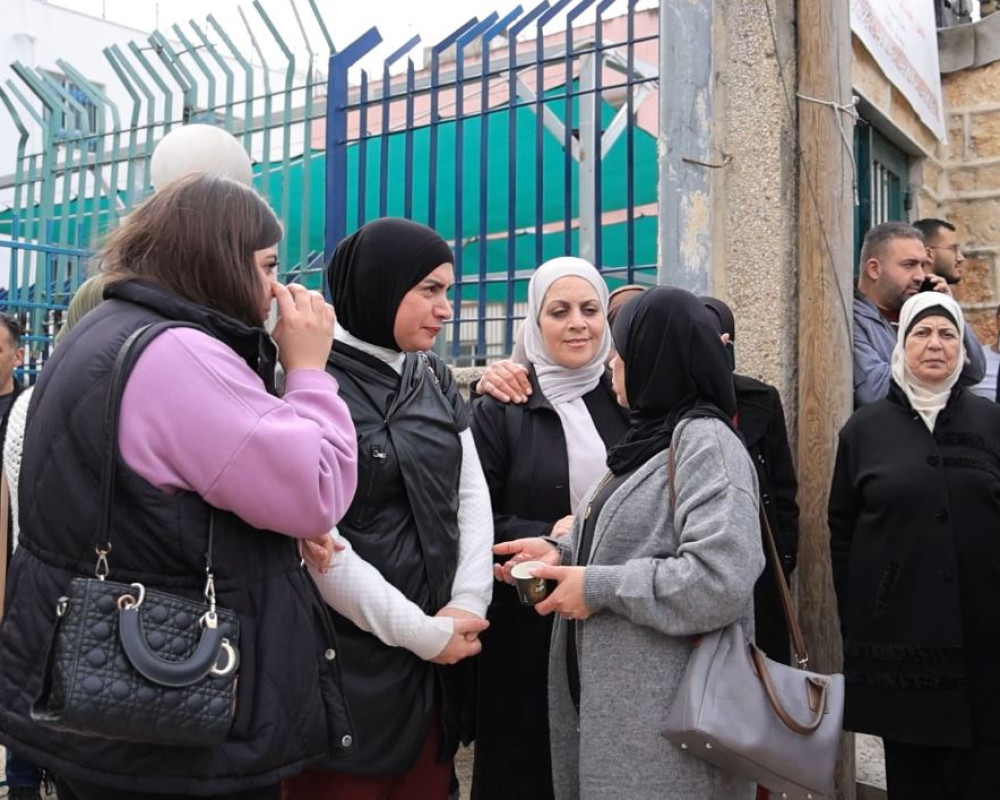
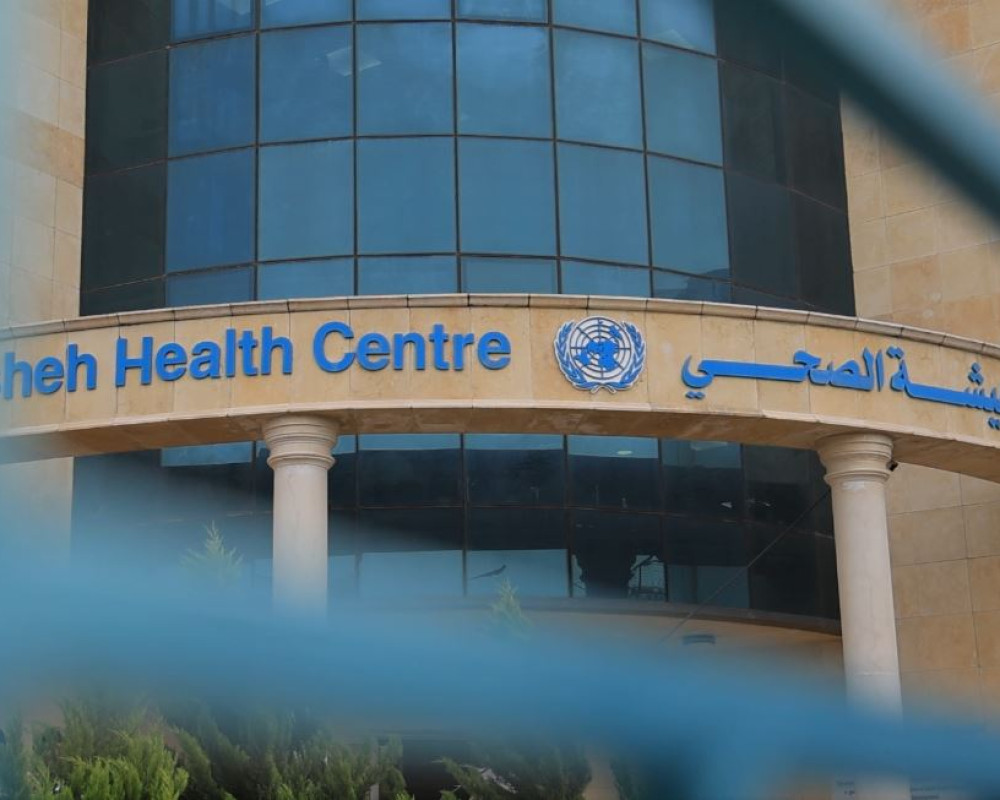
Dozens of representatives from popular committees, the PLO’s Department of Refugee Affairs and community organizations from the Dheisheh, Aida and Beit Jibrin (al-Azza) camps gathered outside the local headquarters and clinic of the U.N. agency for Palestinian refugees.
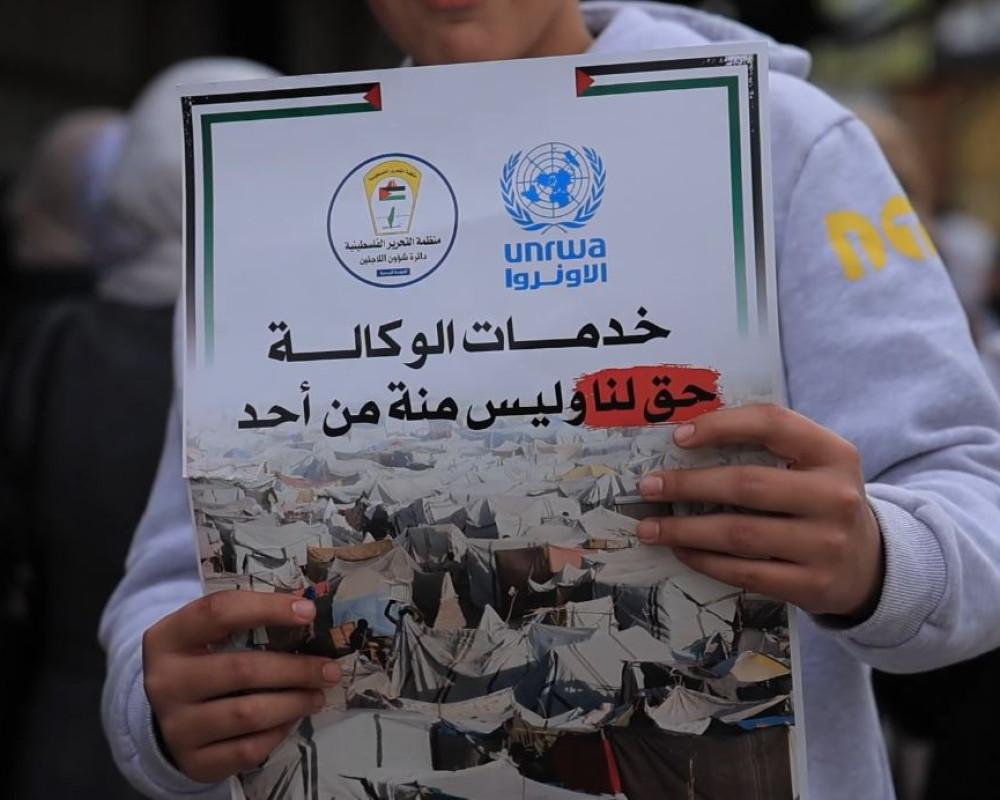
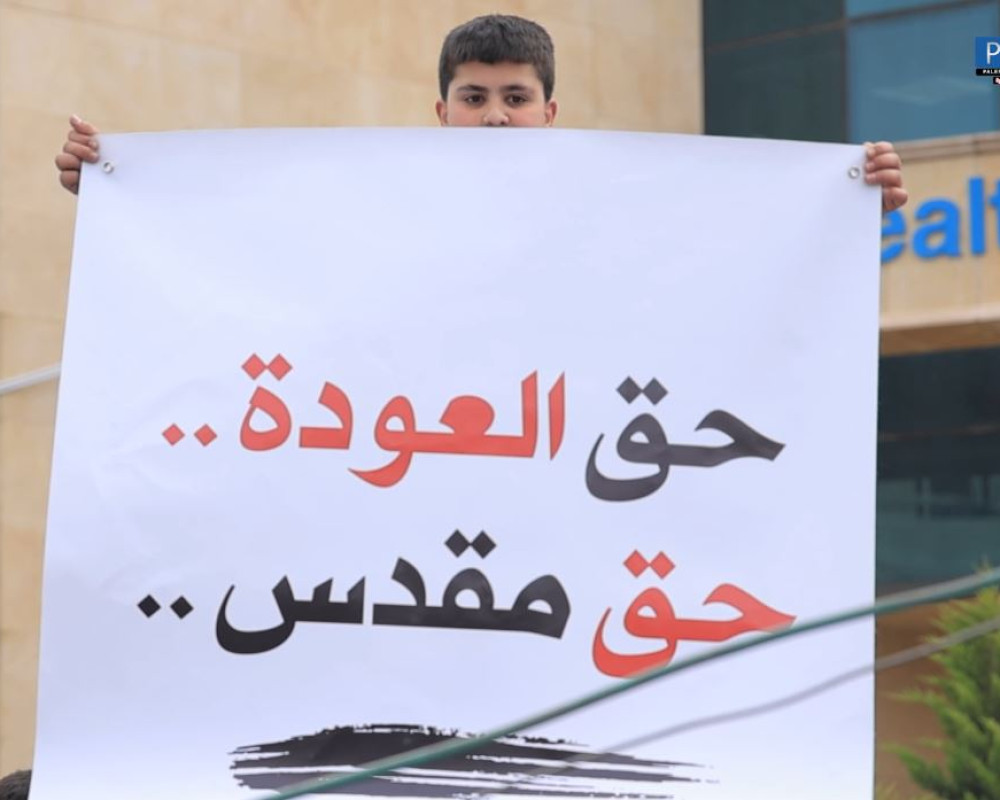
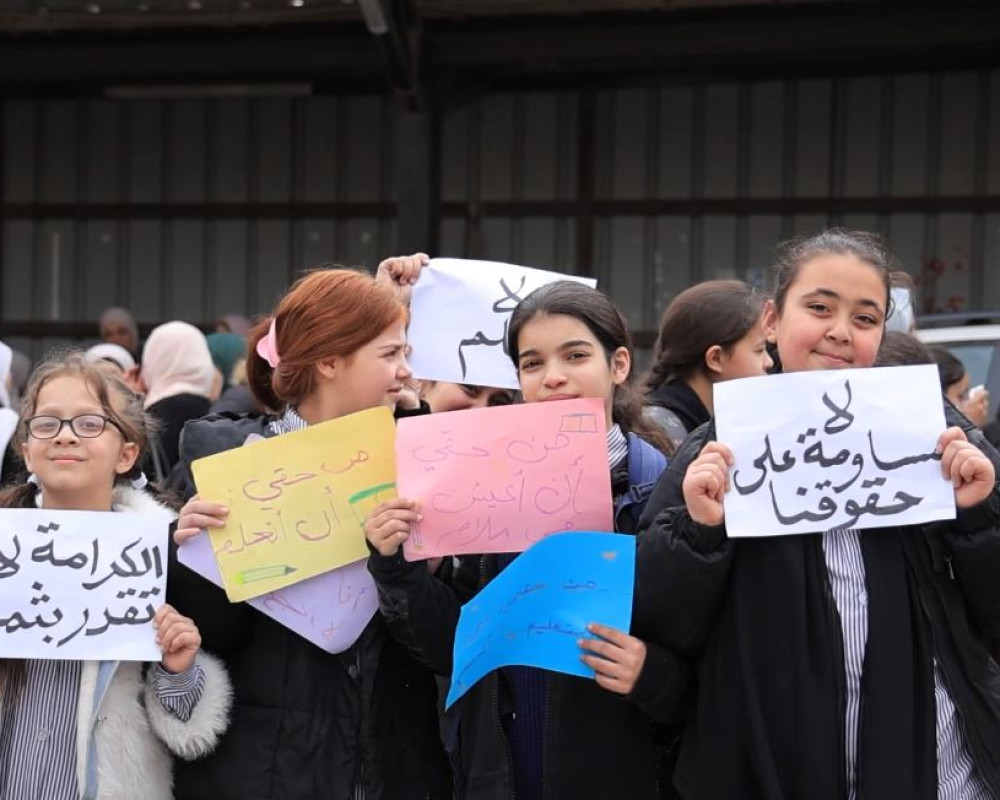
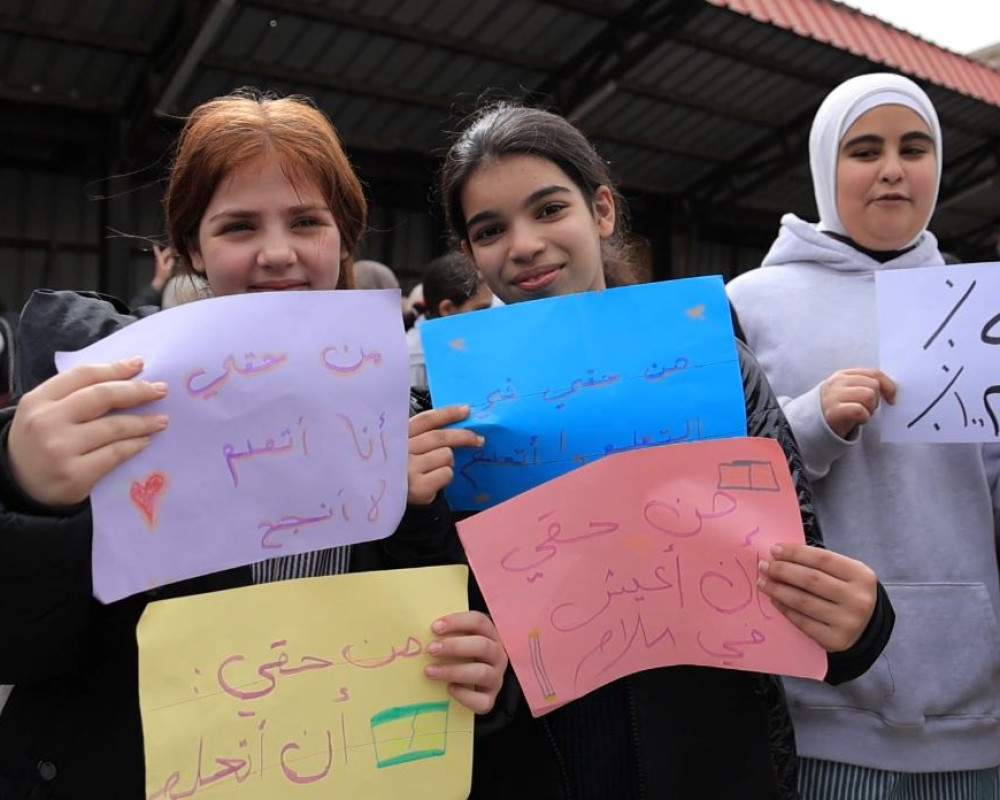
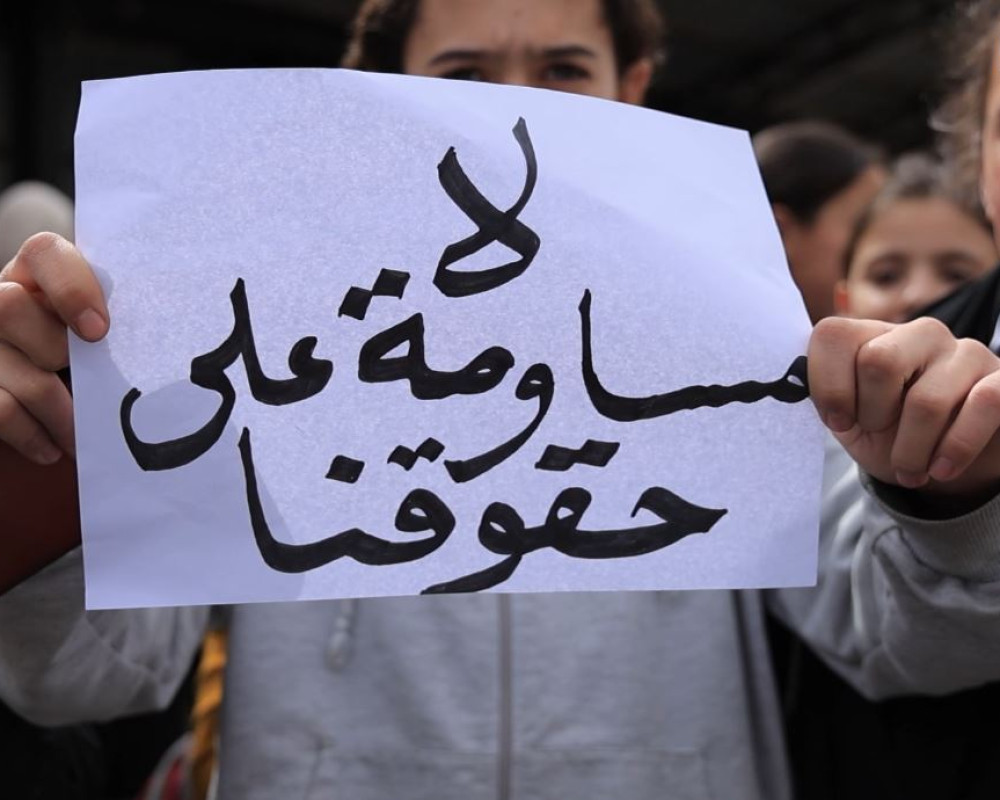
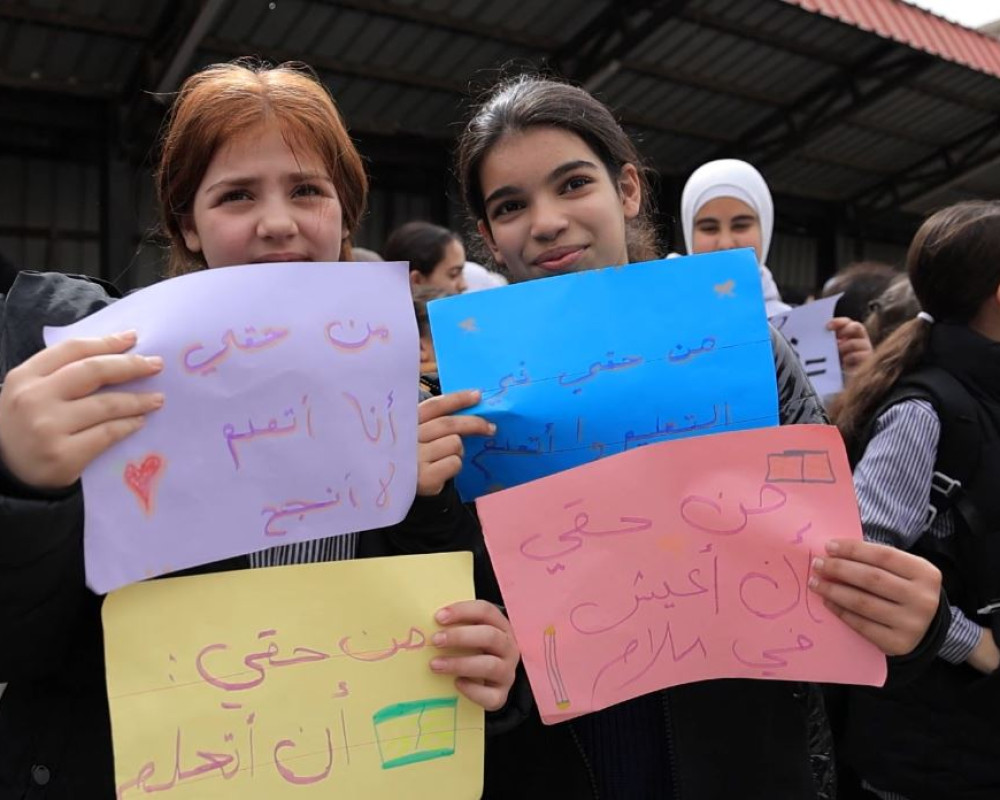
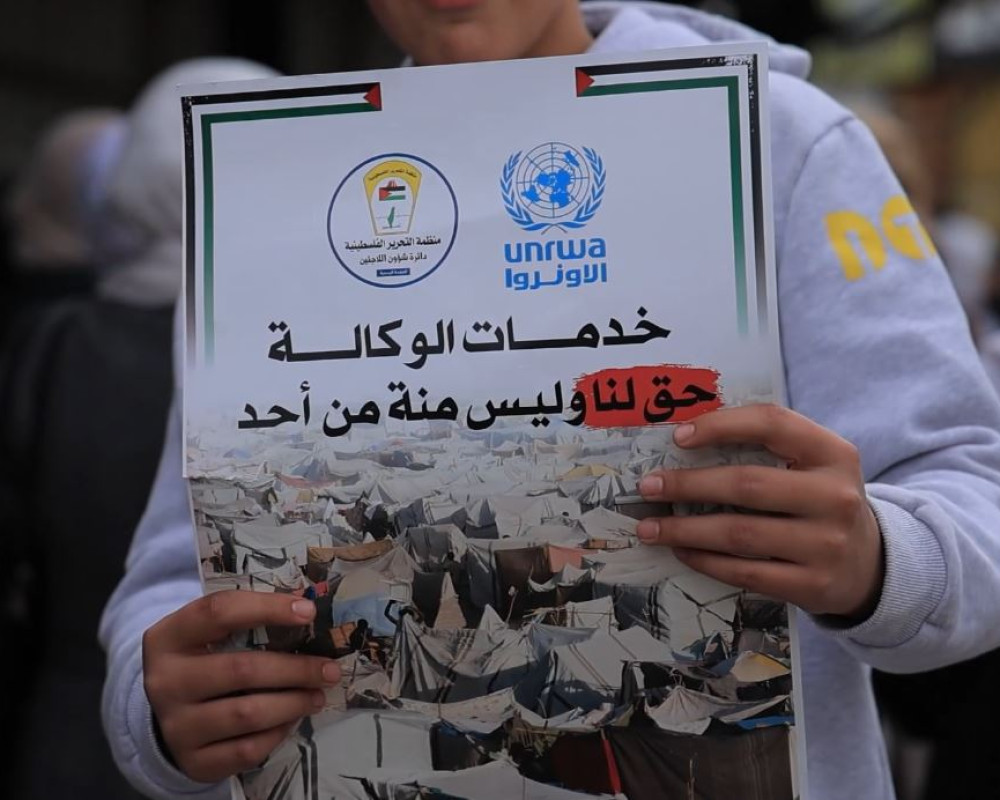
Protesters carried banners rejecting reductions in social assistance, health care and education services, as well as shorter working hours and salary cuts for employees. They said the measures harm refugees’ rights, particularly the right of return.
Participants also criticized what they called an international campaign targeting UNRWA through funding reductions and urged donor countries and the United Nations to meet their financial commitments.
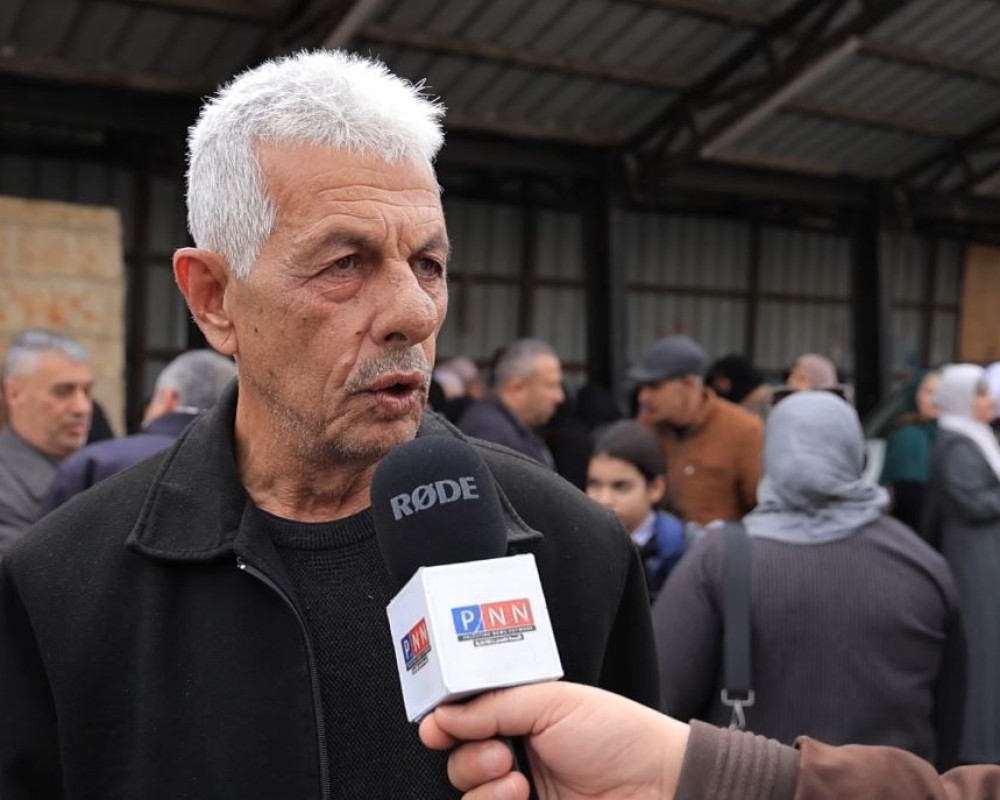
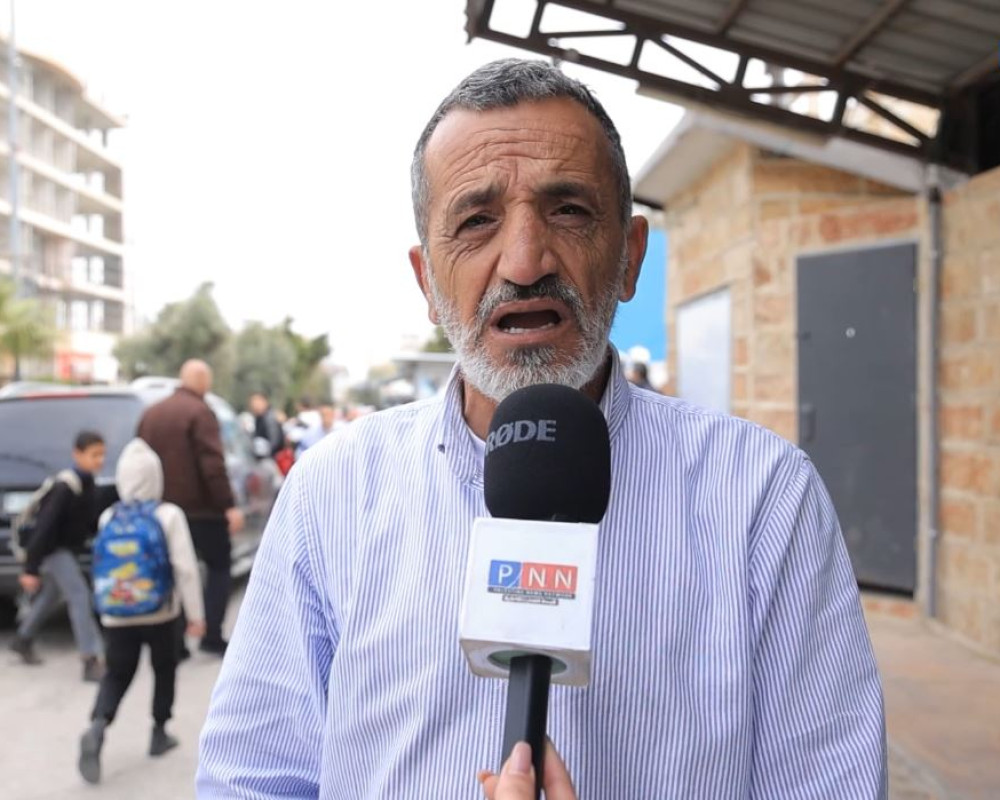
Nader Faraj, director of southern camps at the PLO’s Department of Refugee Affairs, said the protest followed a series of meetings over what he described as efforts to undermine Palestinian refugee rights by targeting UNRWA.
“There was an urgent need to sound the alarm and move immediately,” Faraj told the Palestine News Network.
He said the rally was part of broader activities across Bethlehem-area camps under the slogan: “No to cutting UNRWA services, no to salary reductions, and no to erasing refugee rights.”
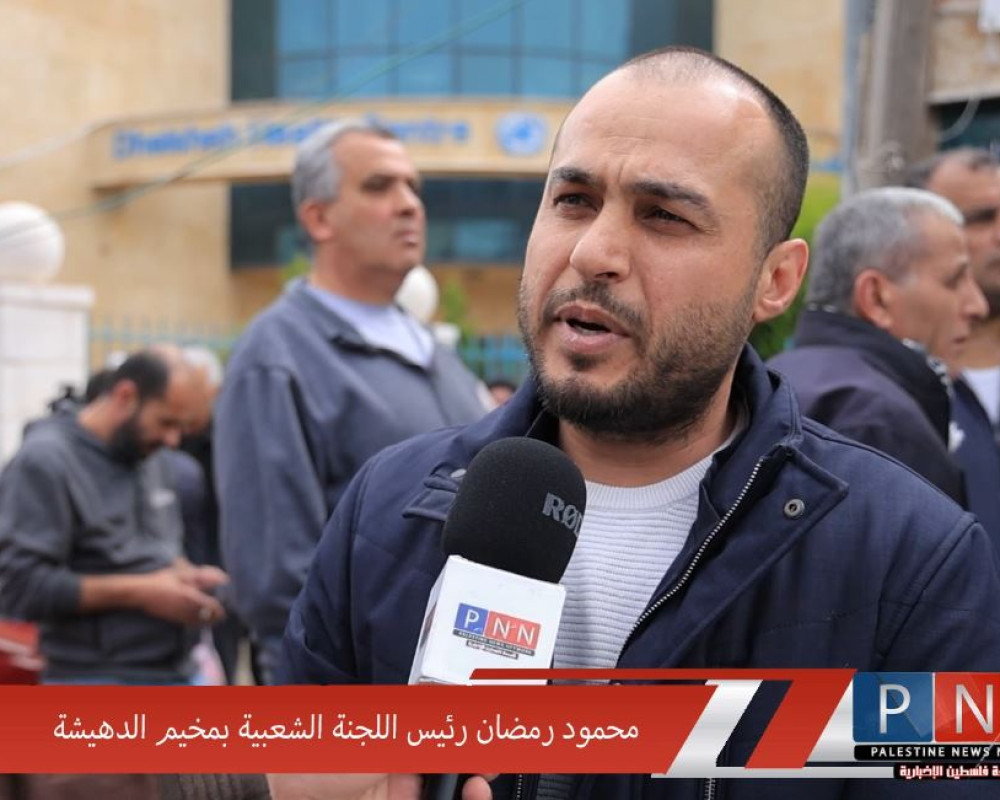
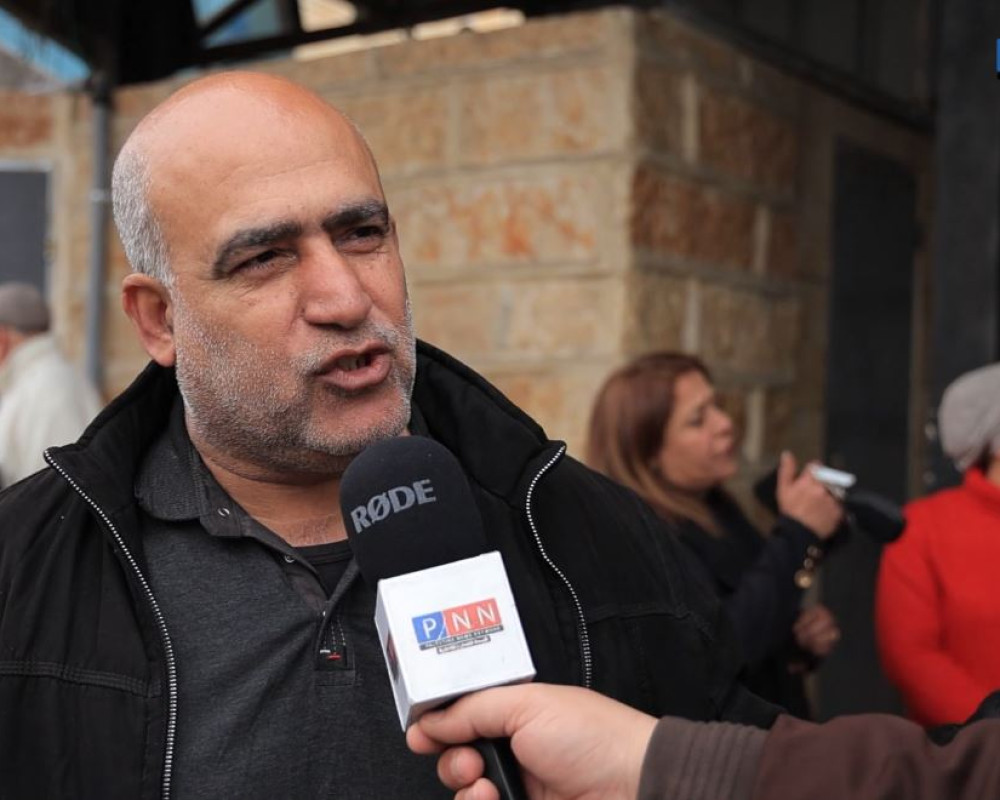
Mahmoud Ramadan, head of the Dheisheh camp’s popular services committee, said the protest carried a “clear message” rejecting the agency’s decisions and service cuts “in all refugee camps at home and in the diaspora.”
“This is the first action of its kind, but it will not be the last,” Ramadan said. He added that camp leaders had met with the PLO’s refugee affairs department and other committees to discuss next steps, including a campaign to send messages abroad urging countries to prevent what they described as attempts to dismantle UNRWA.
Saeed al-Azzha, head of the popular committee in Aida camp, said the protest aimed to show that refugees and their institutions oppose policies that target camps by reducing UNRWA services. He noted that the agency was established by U.N. General Assembly Resolution 302 in 1949 to assist Palestinian refugees.
“These cuts are presented as a funding issue, but they are political and target refugee rights,” al-Azzha said.
He called on host countries, including the Palestinian Authority, to take a firm stance and press donor nations to meet their financial obligations.
Mohammed al-Adawain, head of the popular services committee in Beit Jibrin (al-Azza) camp, described the decisions as “unjust” toward employees and refugees.
“The message today is solidarity with all refugee camps, especially those in the northern West Bank facing systematic targeting,” he said, adding that the service reductions coincide with broader pressures on camps.
Across generations, refugees at the rally said their demands were clear: that UNRWA and the United Nations honor their commitments, arguing that services are rights pending a political resolution, not charity.
Hala, a student at the Dheisheh girls’ school who gave only her first name, said she joined the protest to defend her right to education and support employees facing cuts.
“I am here to reject what UNRWA is doing and to demand our rights,” she said.
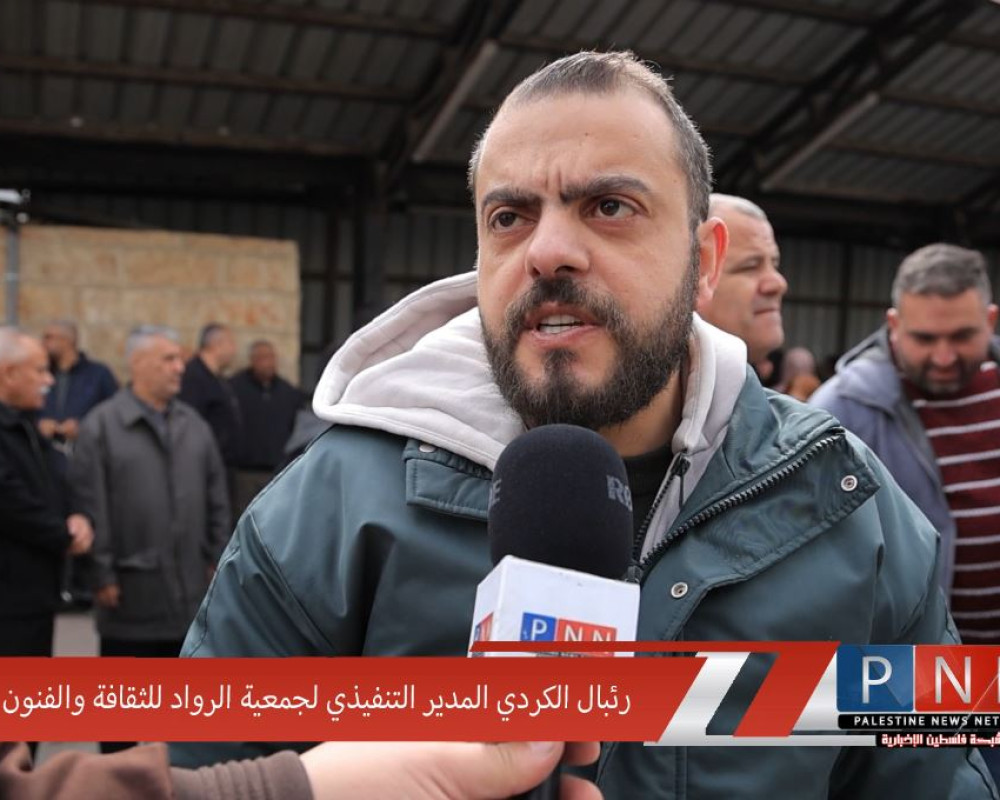
Raebal al-Kurd, executive director of the Rowad Association for Culture, said the protest was “a cry of anger” over what he called the agency’s retreat from its core responsibilities.
“These services are an international responsibility,” he said. “Instead of reducing them, the agency should pressure the world to provide the necessary funding.”
He described the accumulation of service cuts as a violation of international decisions related to Palestinian refugee rights and called on UNRWA to reverse its measures.
Hajjah Hiyam al-Azza, a refugee from Aida camp, said she attended to show solidarity with teachers and doctors.
“We are here to reject the erasure of our rights in health and education,” she said. “Refugees are not asking for charity. These are our rights.”