Gaza / PNN/
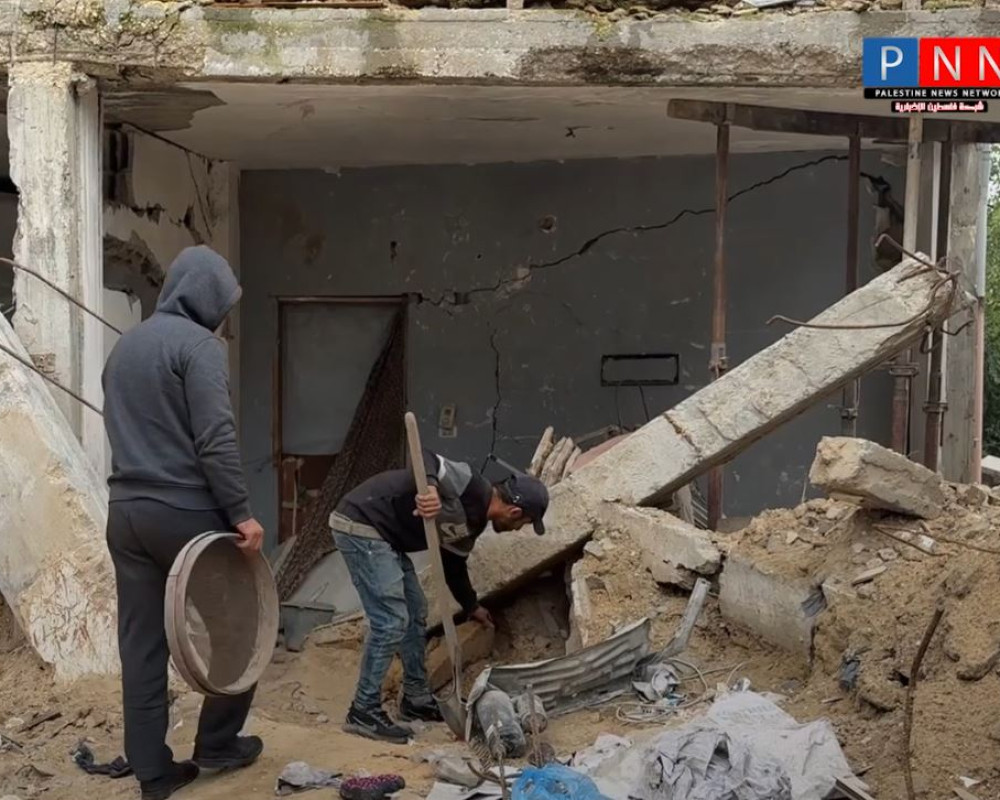
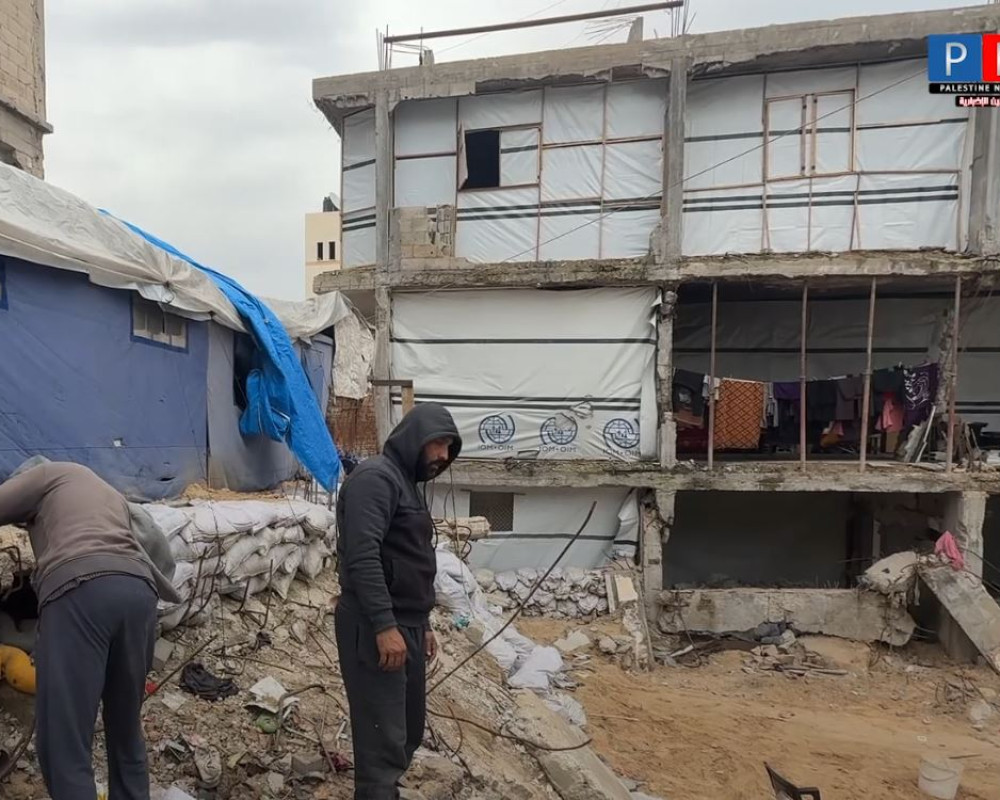
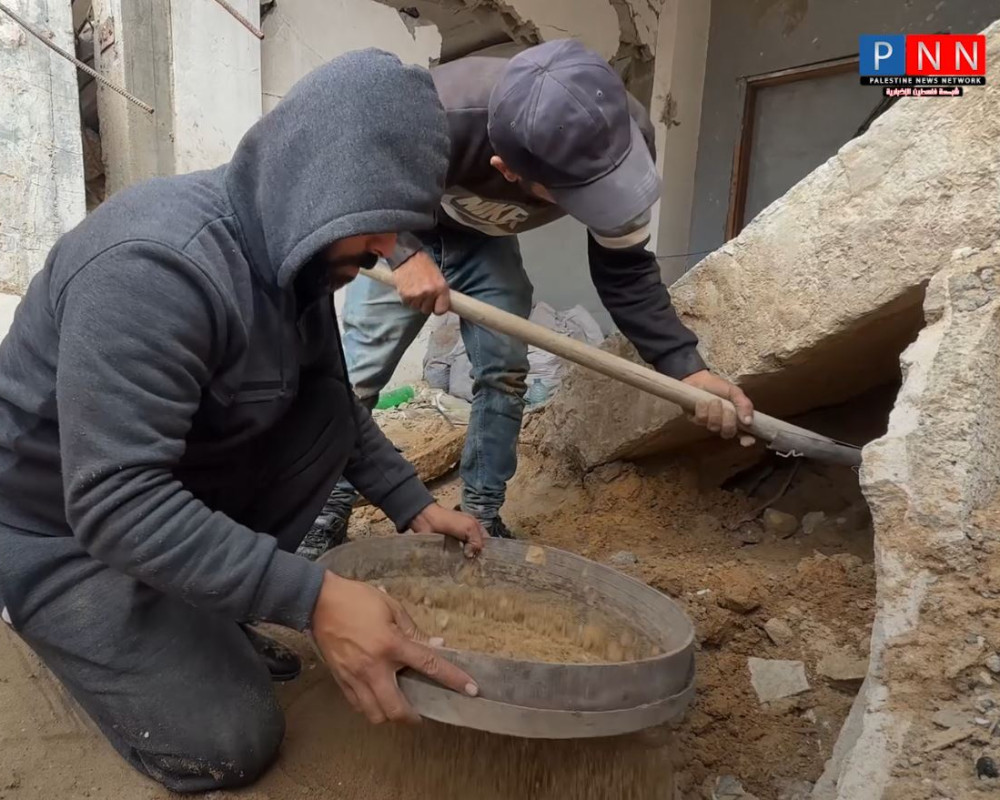
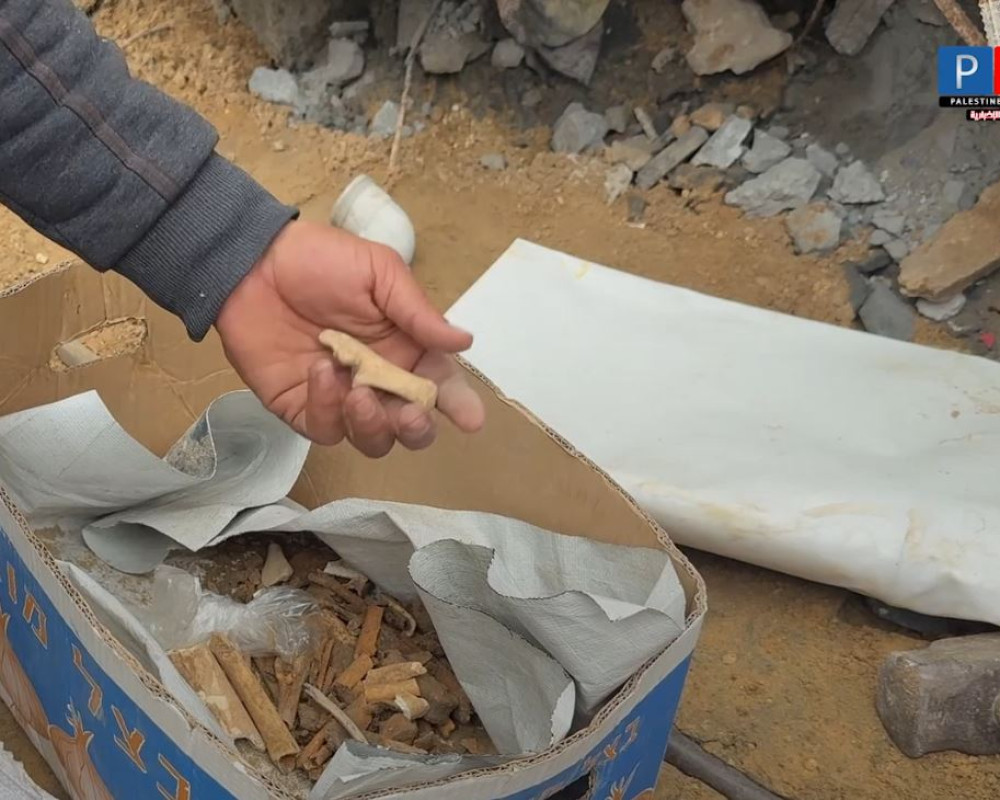
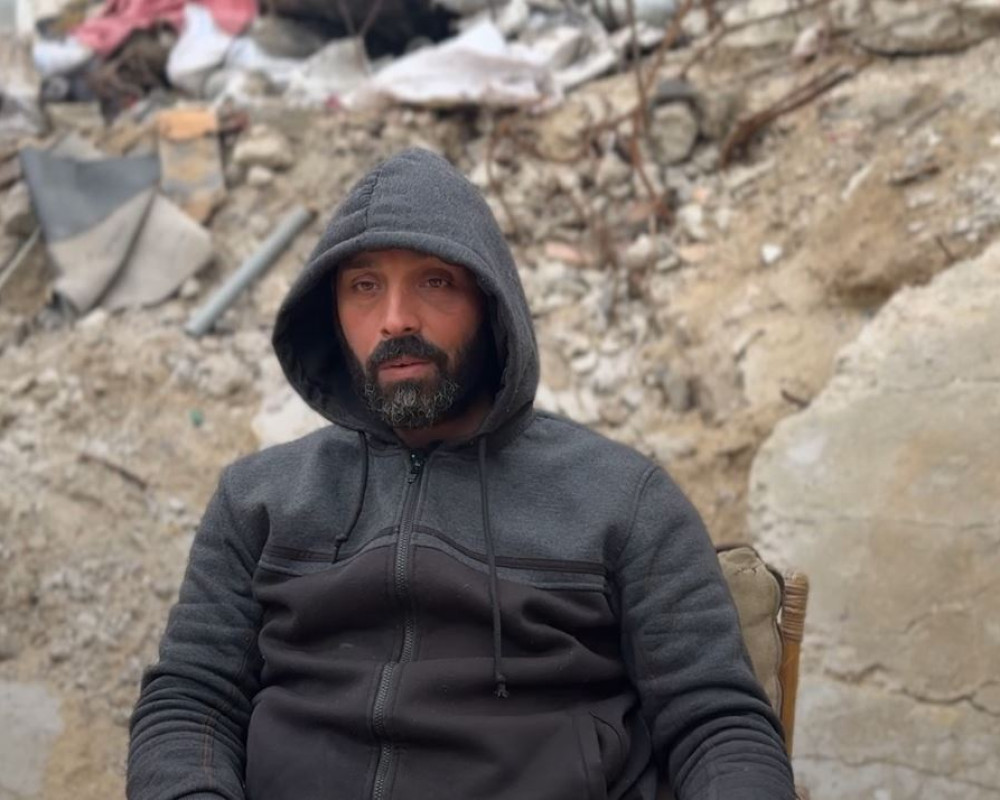
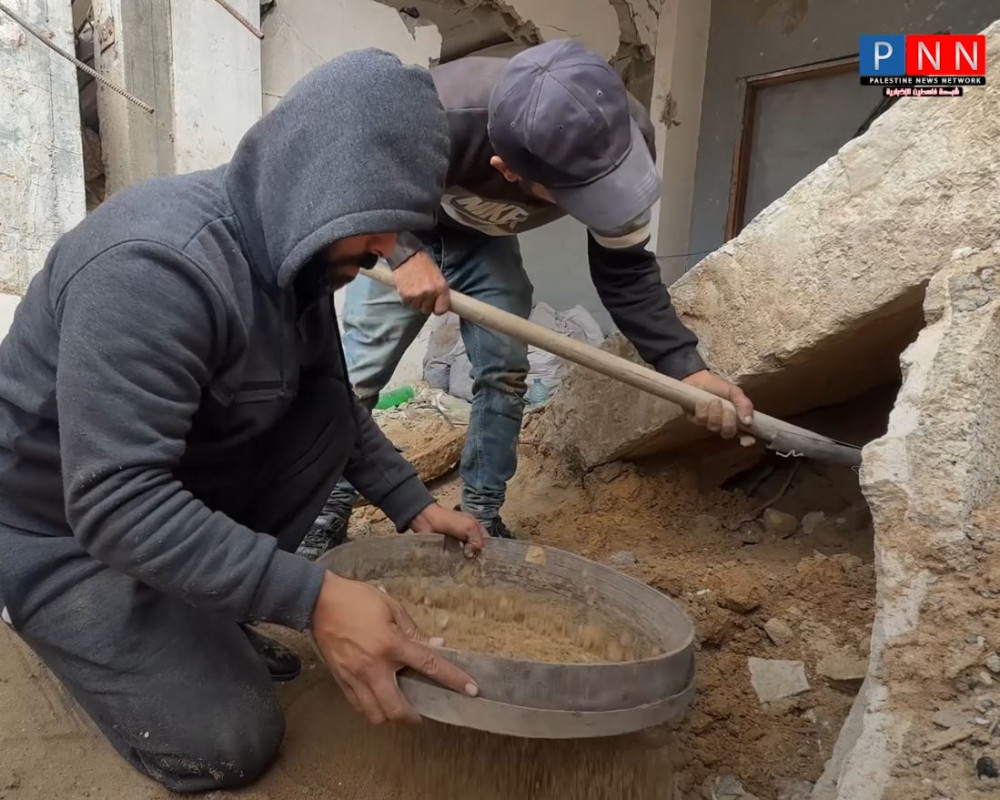
Amid the ruins of southern Gaza City, Mahmoud Ismail Hammad, known as Abu Ismail, stands in what remains of his home in the Sabra neighborhood, where he spent more than two years searching by hand for the remains of family members killed in a strike during the war.
Hammad says the search was not only about recovering fragments from beneath the rubble, but about restoring dignity to his loved ones and ensuring them a proper burial.
“When I began finding the remains of my family and loved ones, I felt a sense of peace and psychological relief,” he said. “Especially when I found the remains of my wife and her unborn child. Then I felt I had fulfilled the vow I made to myself.”
Hammad had been living in the house with his wife, who was nine months pregnant, and their six children when military operations intensified in the Gaza Strip. He said leaflets were dropped in the area urging residents to move south, but he chose to remain at home with his family.
“We decided to stay in our house, whatever the circumstances,” he said.
According to his account, the area was subjected to heavy bombardment, and the house was directly hit. He said his wife and children who were inside were killed in the strike, while he was the only survivor.
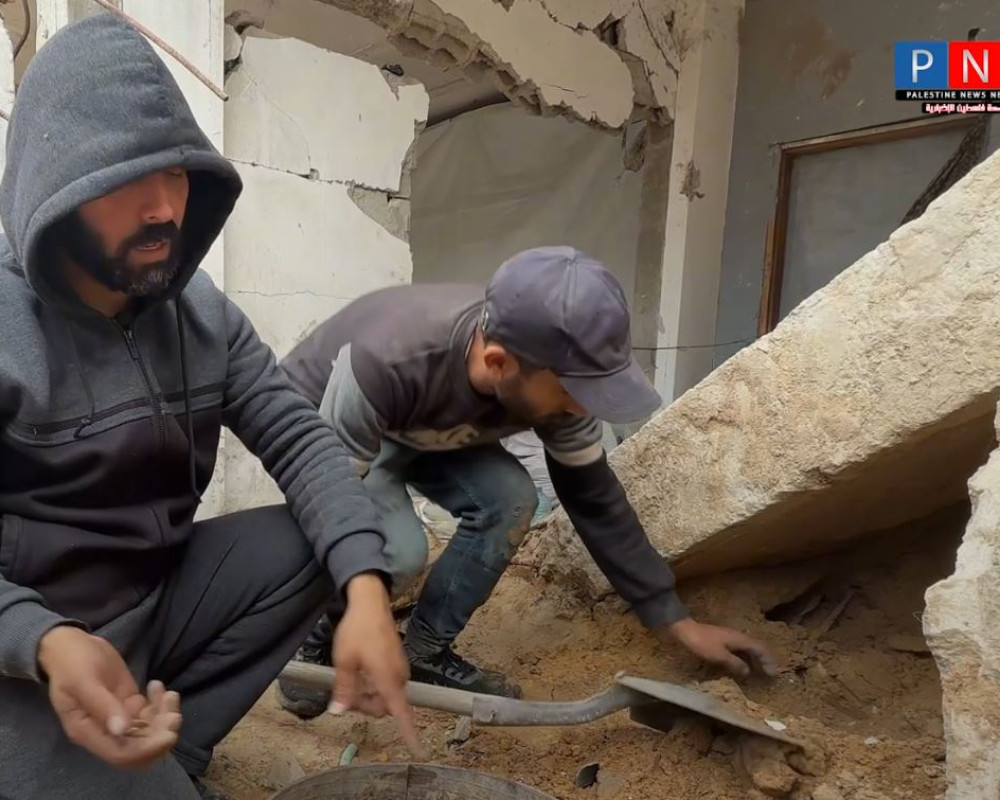
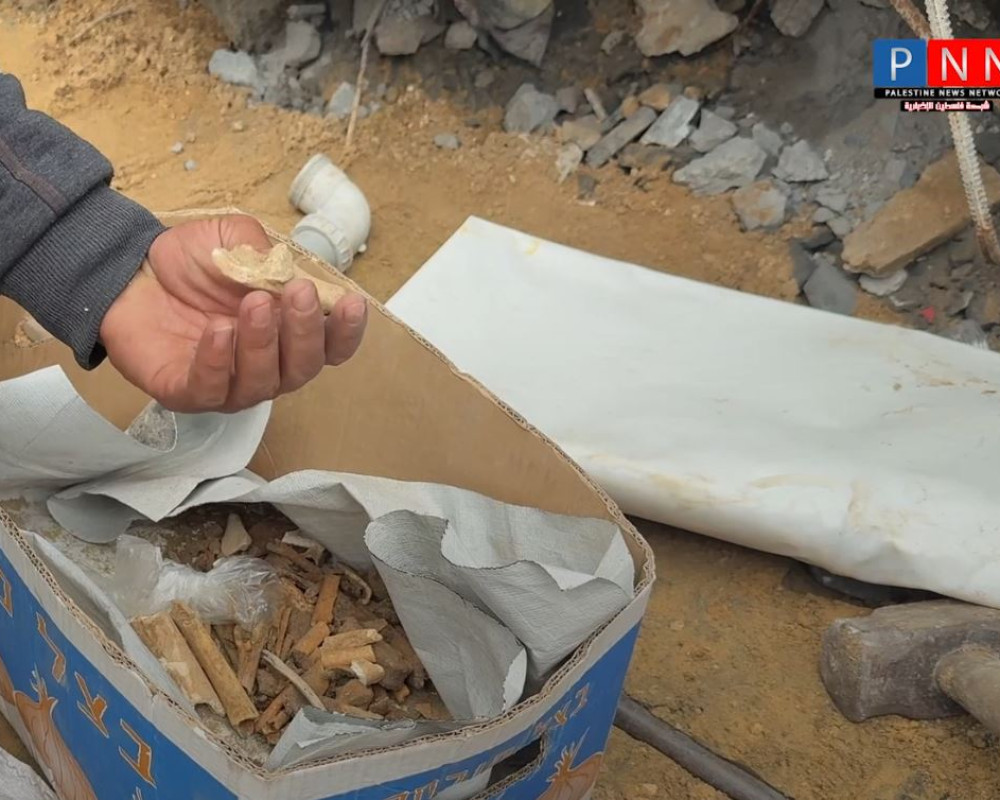
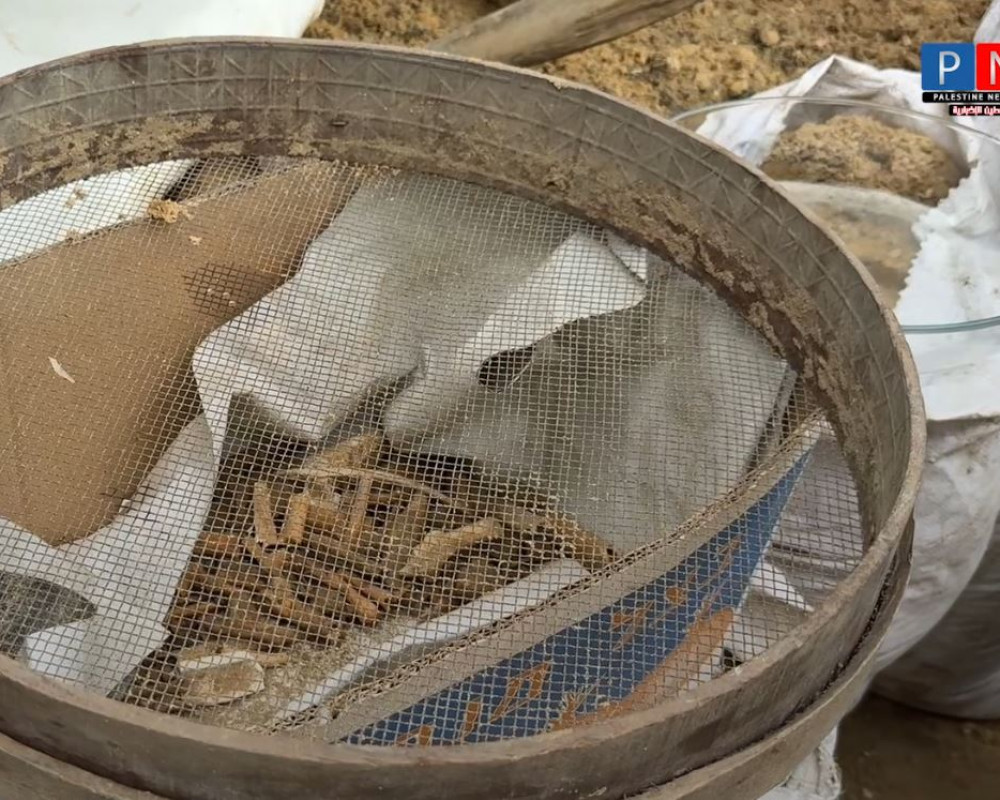
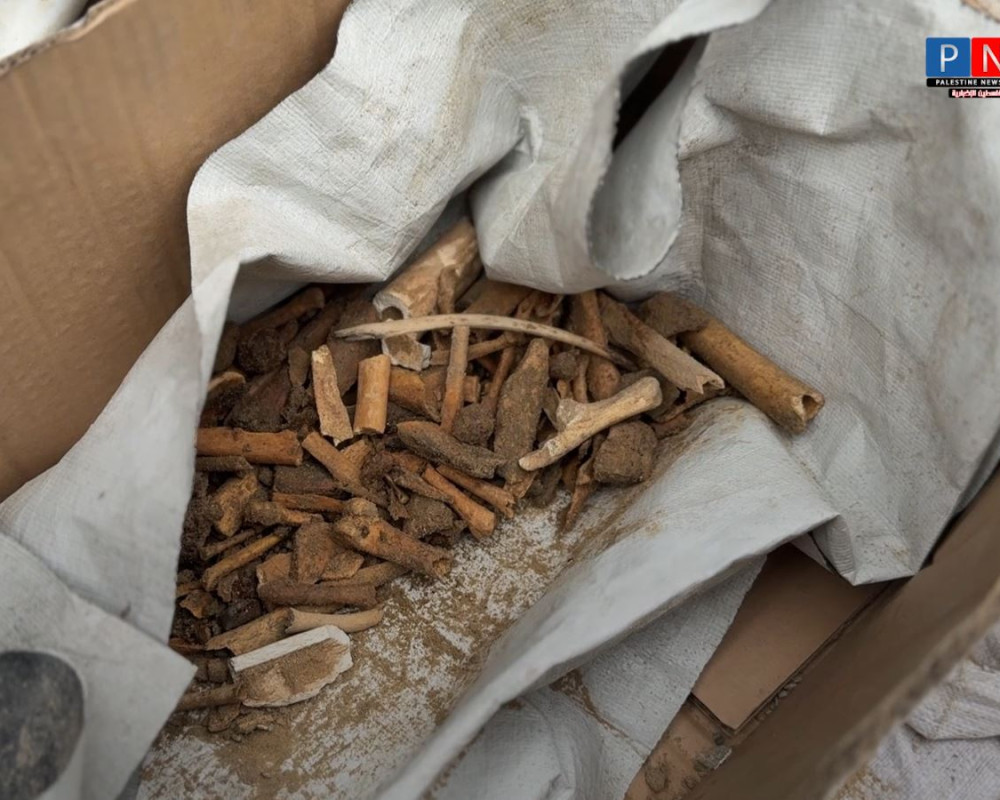
He described the destruction as so severe that human remains were reduced to small fragments mixed with dust and debris. “I had to crawl through the rubble to distinguish between stones and the remains of my family,” he said, adding that he did not sleep at night for nearly 27 months.
With no access to heavy machinery and limited assistance from specialized crews, Hammad began clearing the rubble manually using basic tools. He said the task was physically and emotionally exhausting, as well as financially burdensome.
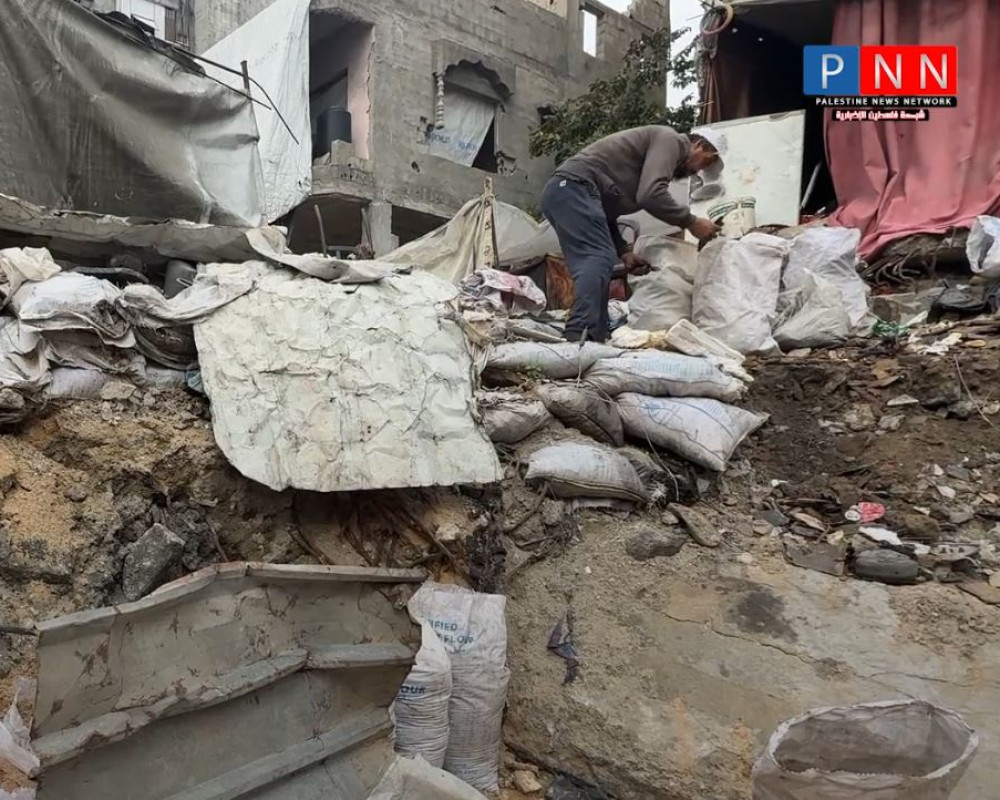
“I bought nearly 5,000 empty flour sacks, each costing about a dollar, so I could collect the debris without blocking the roads,” he said. He used the filled sacks to build makeshift walls that served as shelter and helped organize the shattered site that had once been his home.
He said the walls also provided some protection from gunfire in the area, including from drones, according to his account.
Hammad’s story reflects the broader humanitarian toll of the war in Gaza, where many families continue to search for missing relatives or attempt to recover remains from beneath collapsed buildings, amid shortages of equipment and resources for large-scale debris removal.
Finding the remains of his wife and unborn child marked a turning point in his search, Hammad said.
“I felt a sense of calm,” he said. “I felt I had done my duty toward them.”
This story was produced as part of the Qarib project, implemented by the French media development agency CFI in partnership with and funded by the French Development Agency (AFD).