Bethlehem / PNN /
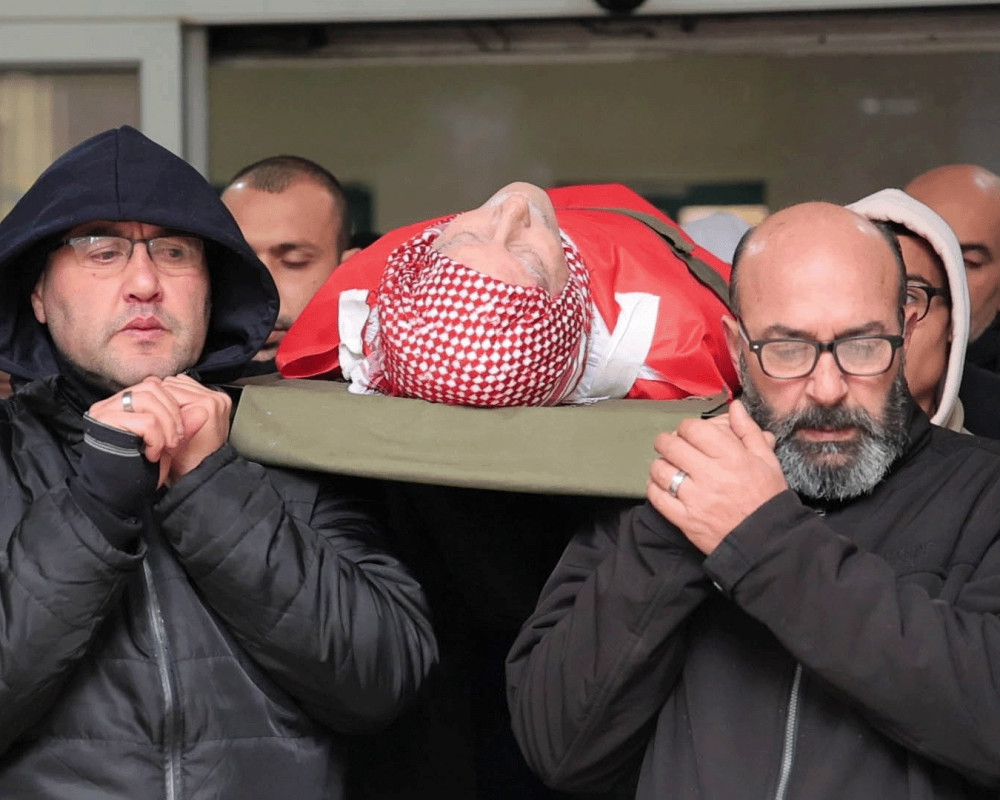
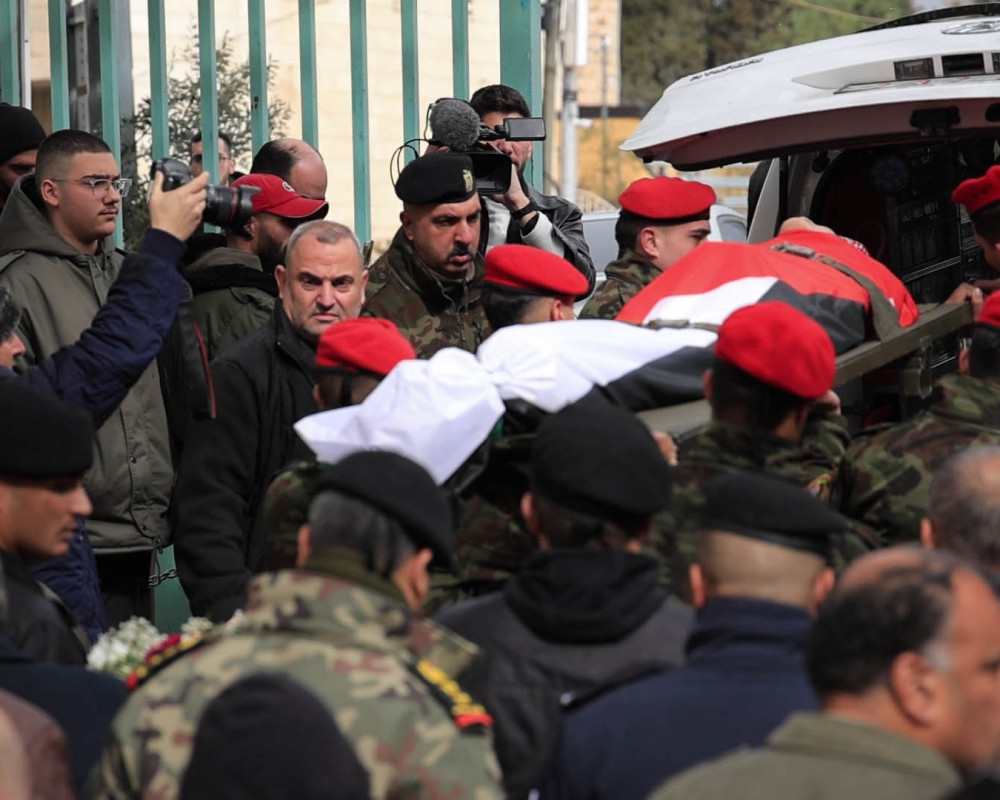
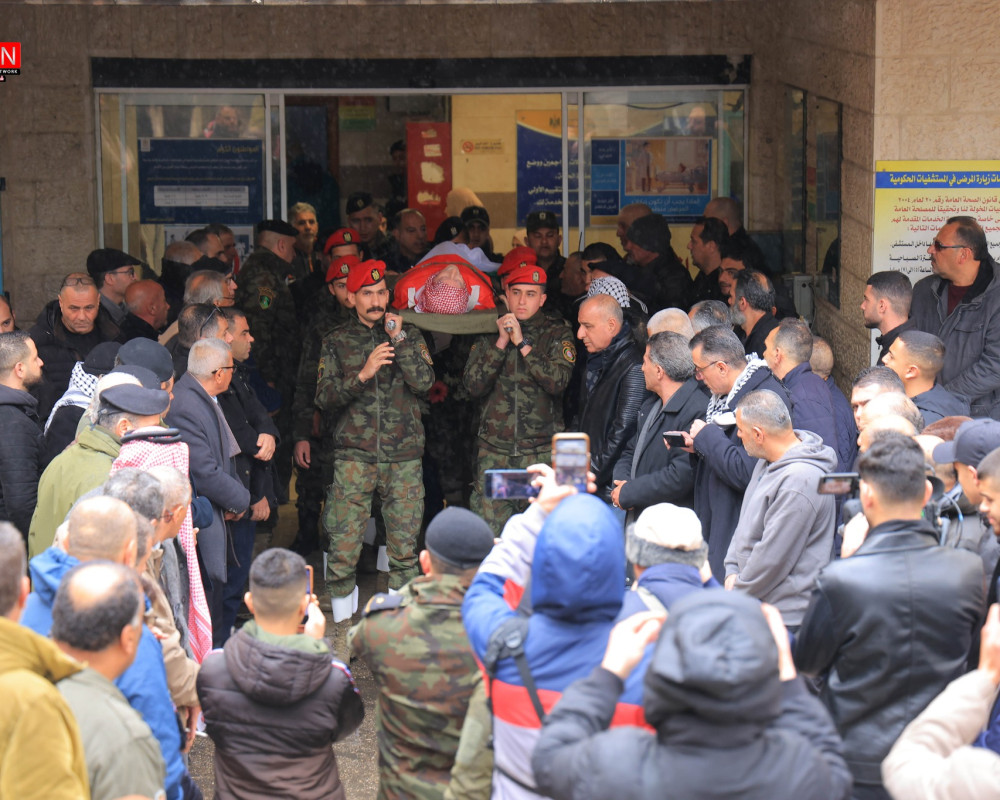
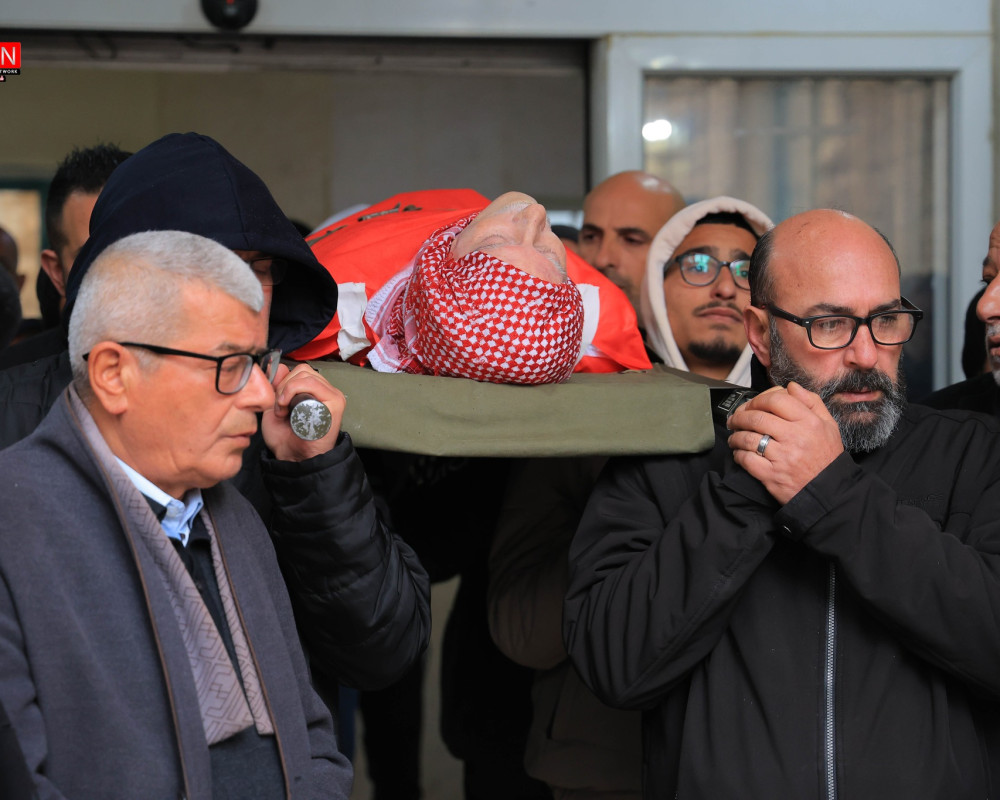
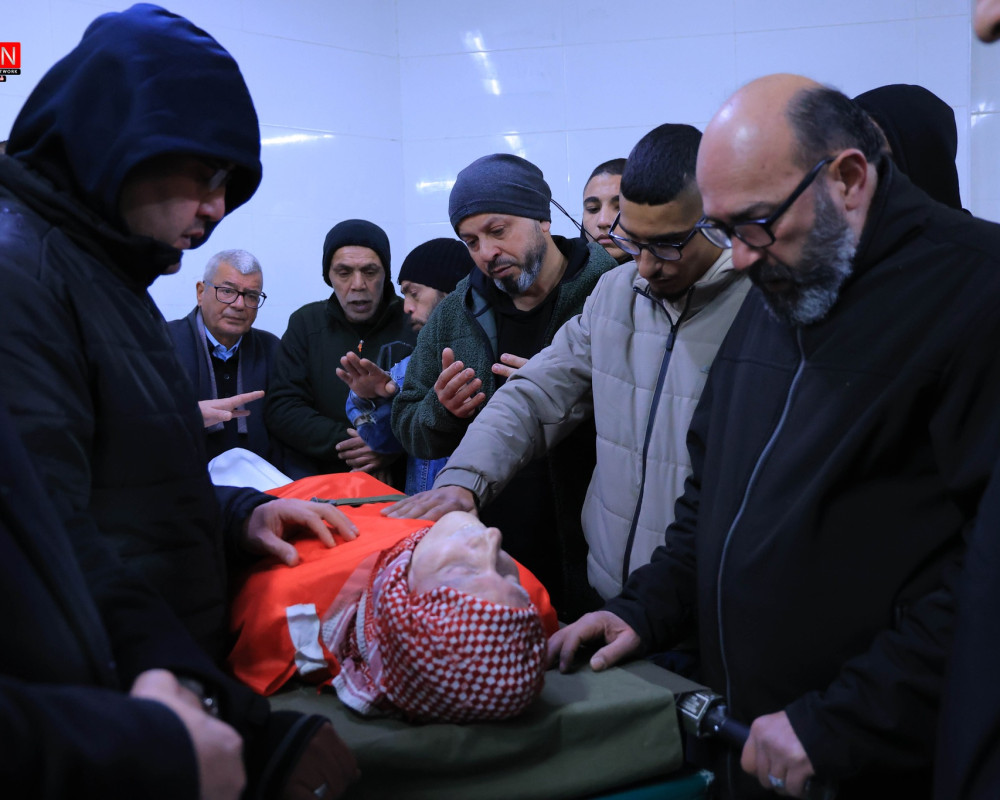
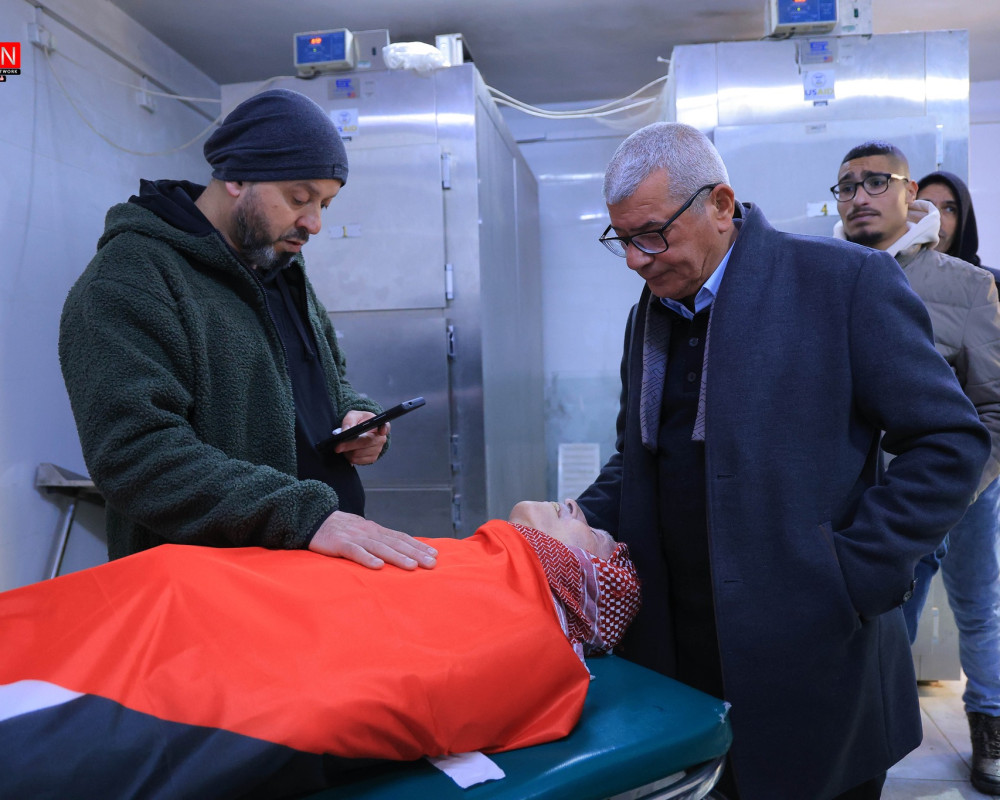
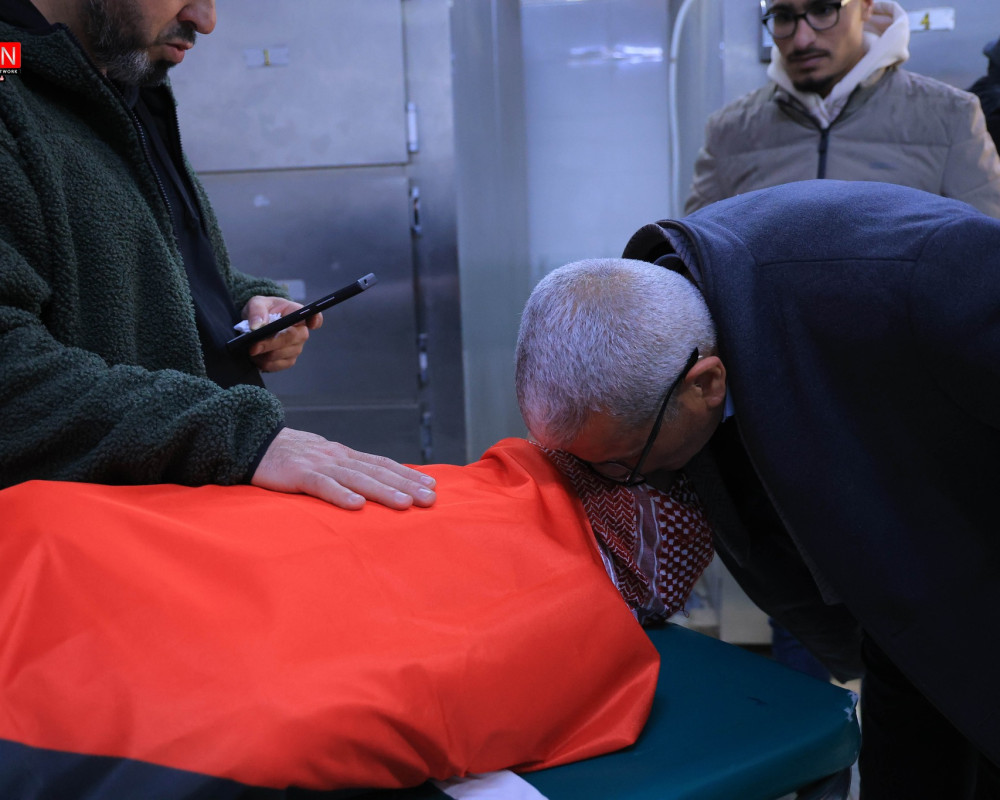
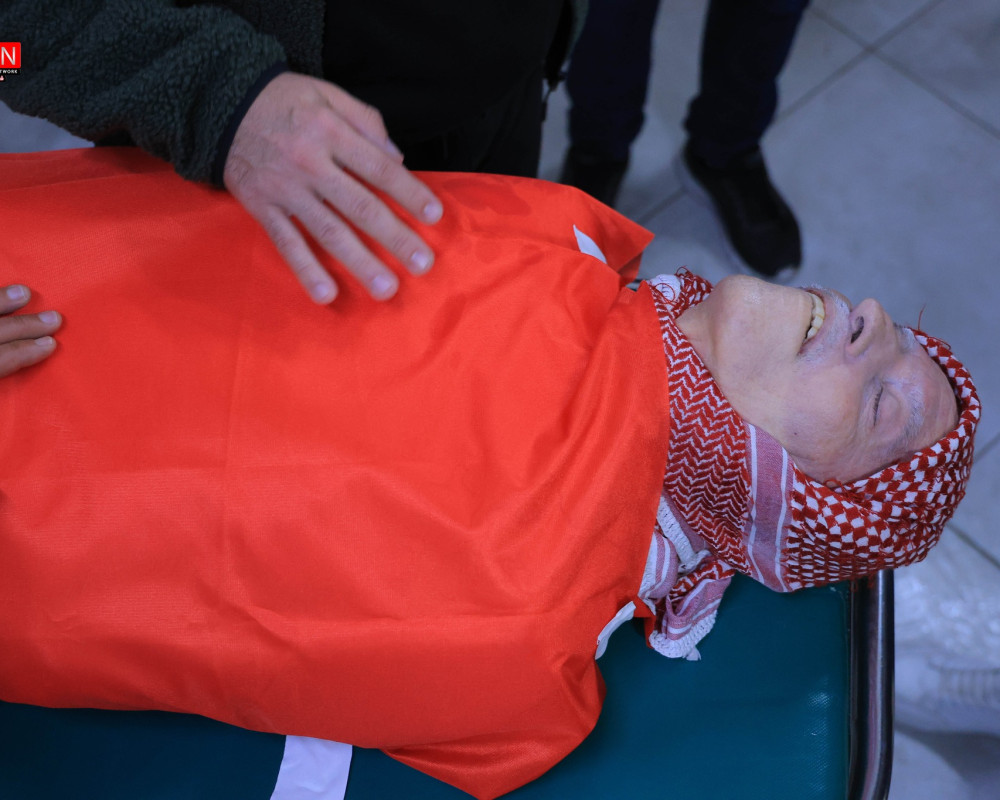
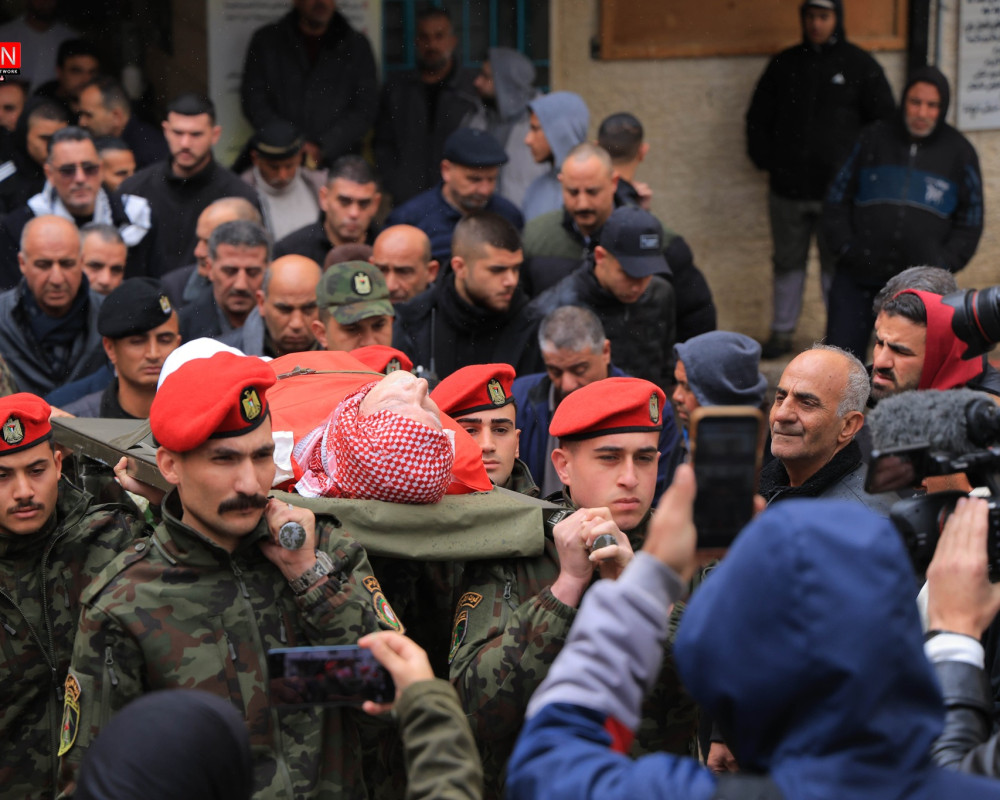
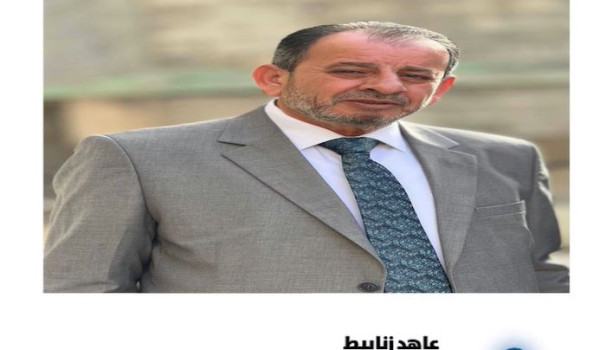
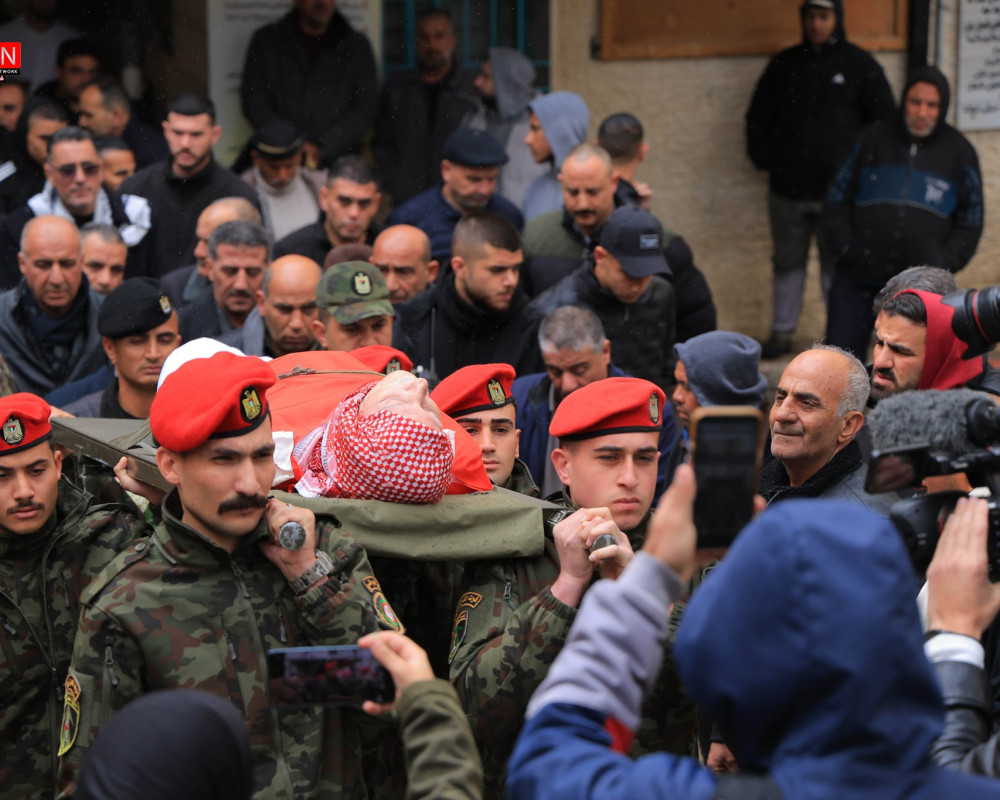
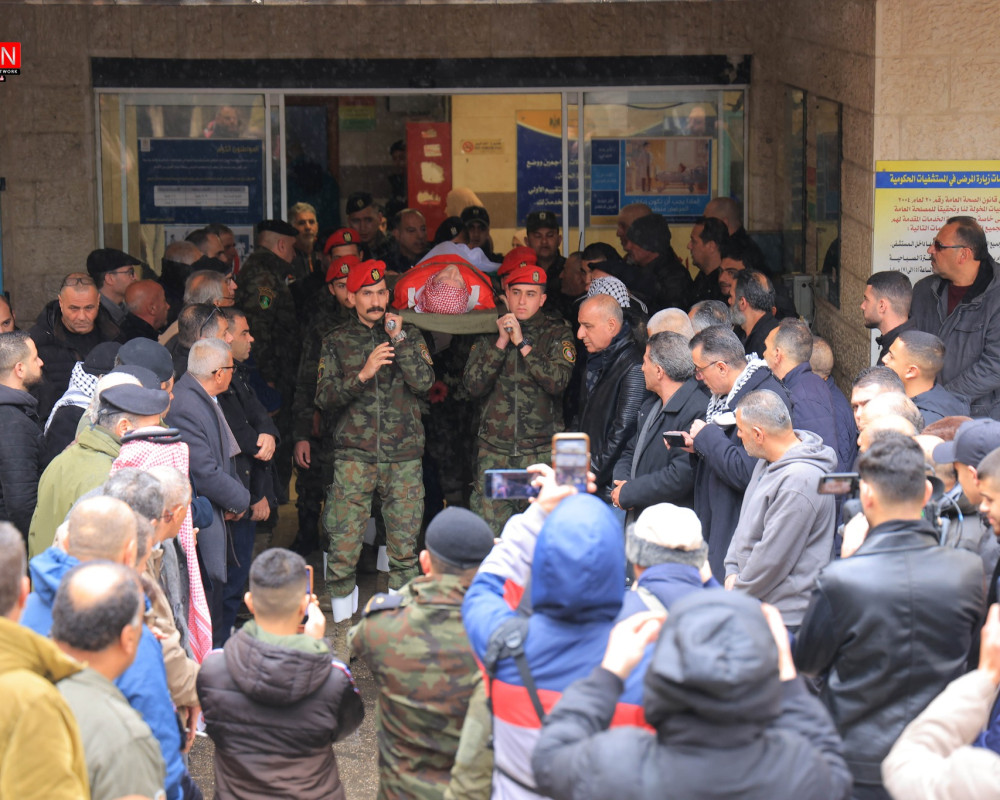
The Commission of Detainees’ Affairs and the Palestinian Prisoner’s Society (PPS) announced the martyrdom of freed Palestinian political prisoner and educator Khaled al-Saifi from Dheisheh Refugee Camp in Bethlehem, who was killed just one week after his release from Israeli occupation prisons.
Al-Saifi was released in an extremely critical medical condition, the direct result of systematic crimes committed against him during his most recent detention, which lasted four months under arbitrary administrative detention without trial or charge.
In a joint statement, the Commission and the PPS revealed that al-Saifi testified after his release that before his health sharply deteriorated and prior to his transfer from Ofer Prison to the so-called “Ramla Prison Clinic,” prison authorities injected him with a substance they claimed was an influenza vaccine. The injection caused severe inflammation and serious complications, after which he was given a second injection that further worsened his condition and necessitated his transfer to Ramla.
These facts provide clear evidence that the occupation deliberately targeted Al-Saifi for physical liquidation through a policy of “slow execution.” When prison authorities became certain that his health had irreversibly collapsed and that he was approaching death, they released him in an attempt to evade direct responsibility for his killing.
The two institutions affirmed that the martyr Khaled Al-Saifi—founder and director of the Ibda’a Cultural Foundation, and one of the most prominent cultural, social, and political figures in Dheisheh Camp—was a constant and deliberate target of the occupation. He was subjected to administrative detention twice since the start of the genocidal war, despite his advanced age, rapidly deteriorating health, and urgent need for medical care. This pattern confirms that his persecution was intentional and that the occupation was determined to eliminate him.
The Commission and the PPS further emphasized that al-Saifi had been repeatedly arrested since the 1980s and is one of thousands of former prisoners whose lives were consumed by arbitrary detention under Israel’s systematic administrative detention policy. This policy has reached unprecedented levels since the start of the genocide, with the number of administrative detainees now at its highest point in history. The occupation continues to imprison more than 3,380 administrative detainees, including women and children, without charge or trial, through the direct complicity of military courts that institutionalize this crime as one of the most dangerous tools of repression against Palestinians.
The two institutions stressed that the crimes committed against prisoners do not end at the prison gates. Their effects persist long after release, as the majority of freed prisoners—particularly in the current period—suffer from severe and often life-threatening physical and psychological conditions. Many require immediate and complex surgical interventions upon release, while others endure chronic illnesses and deep psychological trauma resulting from systematic torture, physical and sexual assaults, medical neglect, starvation, and policies that deliberately spread disease inside prisons.
Prisoners’ institutions held the occupation fully and unequivocally responsible for the martyrdom of Khaled Al-Saifi, affirming that he was deliberately killed. Since the start of the genocide, the occupation has killed more than 100 Palestinian political prisoners, with the identities of 87 of them officially announced by authorities. Dozens of martyrs from Gaza remain victims of enforced disappearance, as the occupation continues to conceal their fate. These crimes coincide with the actions of the extremist occupation government, which has openly adopted the execution of prisoners as a political program, advancing unprecedented legislation aimed at legalizing their execution.
In a final humanitarian gesture that embodied his steadfastness and moral clarity, the Commission and the PPS noted that the last request made by the martyr Khaled al-Saifi upon his release was to contact the families of Gaza prisoners, to reassure them about their ill sons detained in the Ramla Prison Clinic. He provided the phone numbers of their families—numbers he had memorized despite his suffering.