Ramallah / PNN / By Wasal Abu Alia
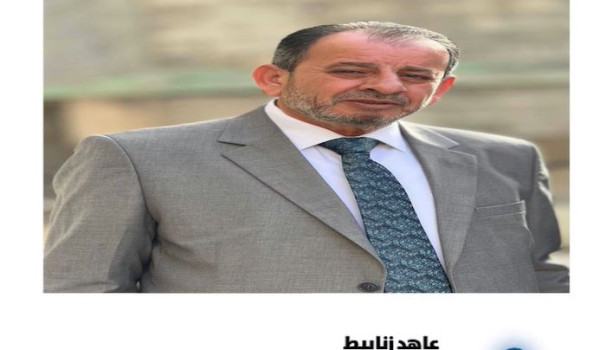
From Beitunia, a city known for mirroring its people’s simplicity and generosity, Rabhi Dawleh entered public life early—not in search of status, but driven by a deep sense of responsibility toward others. From the age of 17, when he first experienced detention and political affiliation, to today as he completes the final chapter of a PhD in public and international law, a single thread has run through his journey: the belief that office is a means, and giving is the goal.
This is not a conventional biography. It is the story of a man who turned an idea into an institution, and intention into lasting action.
The road begins in Beitunia
Born and raised in Beitunia, where he still lives, Dawleh began his path in public and political life from his hometown. At 17, he joined Fatah and was detained—an early experience that sharpened his awareness and cemented his conviction that belonging is not a slogan, but a commitment.
Academically, Dawleh continued to learn despite the demands of public service. He earned a diploma in journalism and media in 1992, a bachelor’s degree in law in 2018, and a master’s degree in governance and local government. He is now in the final semester of a PhD in public and international law.
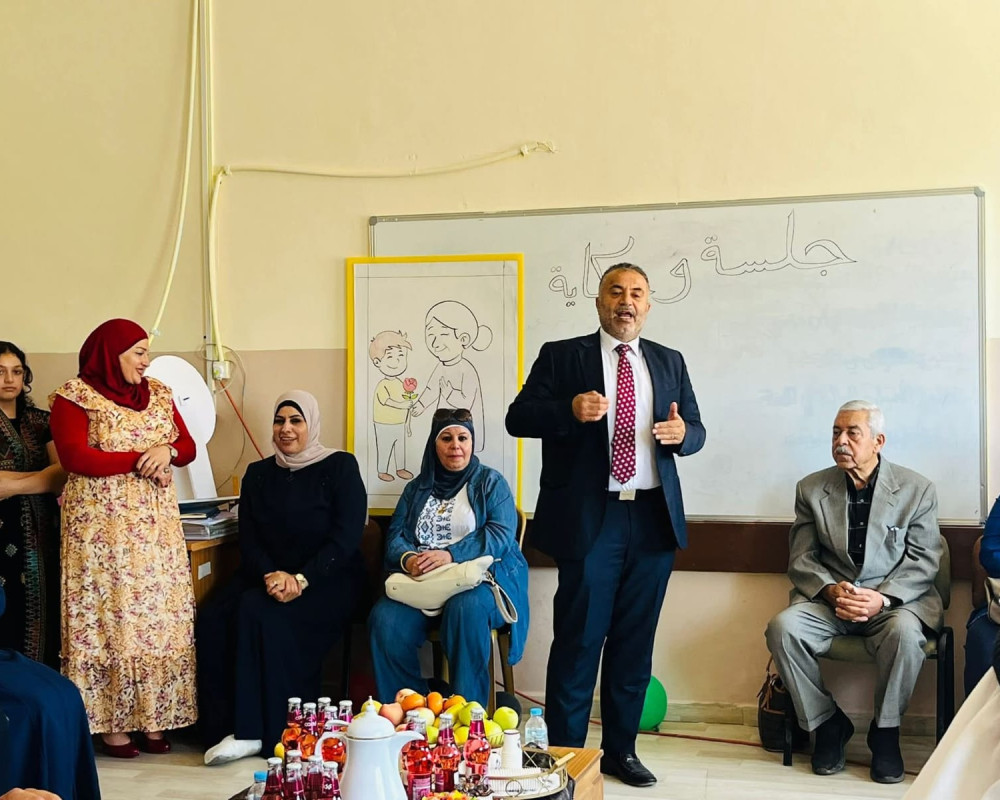
“I’m an ambitious person,” Dawleh says. “I always want to offer something meaningful to my country, because public service for me is a moral duty before it is a career.”
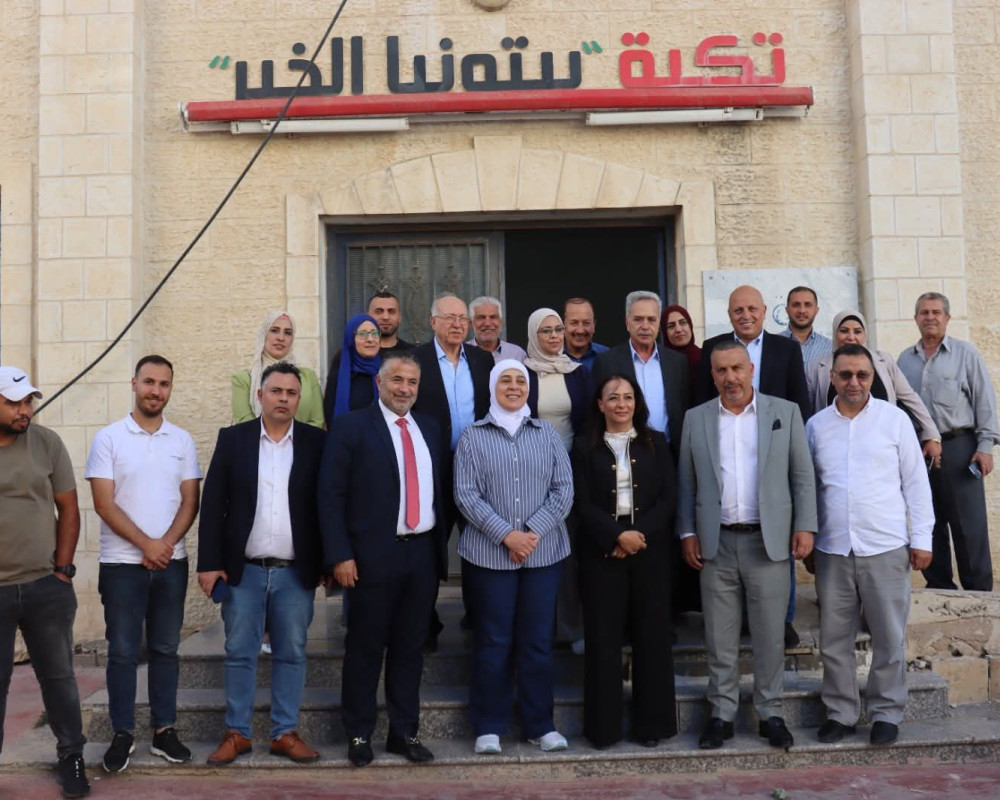
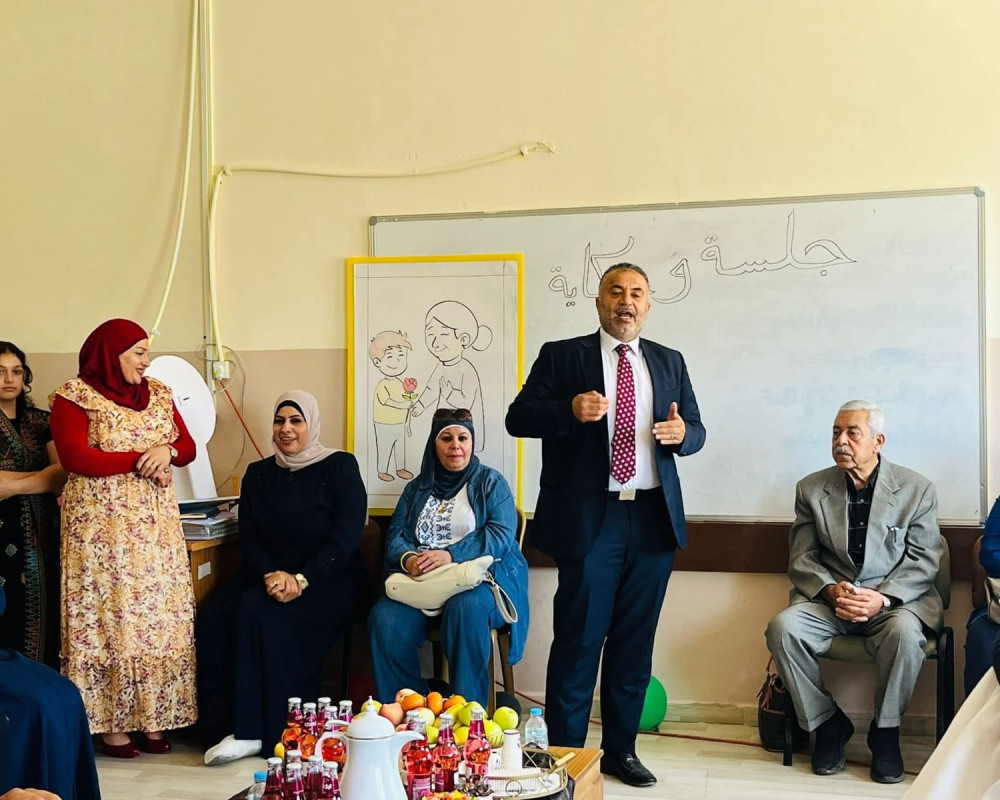
He has held several leadership roles, including mayor of Beitunia, president of Beitunia Sports Club, head of Beitunia’s community kitchen (Takiyya), and currently chair of the Zakat Committee in Ramallah and al-Bireh governorate. Married and a father of six daughters, Dawleh—an athlete and a politician—sees family and community as extensions of one another.
The Takiyya: when an idea becomes a mission
The idea of the Beitunia Takiyya, Dawleh explains, emerged from deep discussions during a visit to the Ministry of Awqaf while he was mayor. He asked himself how a municipality could provide real social support, and whether legal texts alone were sufficient to confront poverty and need.
“I realised that responsibility is not only legal,” he says, “but moral, ethical and national towards our people. That’s where the idea of the Takiyya came from, beyond the constraints of municipal law.”
Inspired by Palestinian heritage and the historic Takiyya of Hebron’s Ibrahimi Mosque, Dawleh sought to revive a model of social solidarity in Beitunia. The beginning was not easy and came with hesitation. “I wondered,” he recalls, “is it possible for someone to stand in front of a Takiyya and ask for food? That was a real challenge.”
From 150 meals to a comprehensive social institution
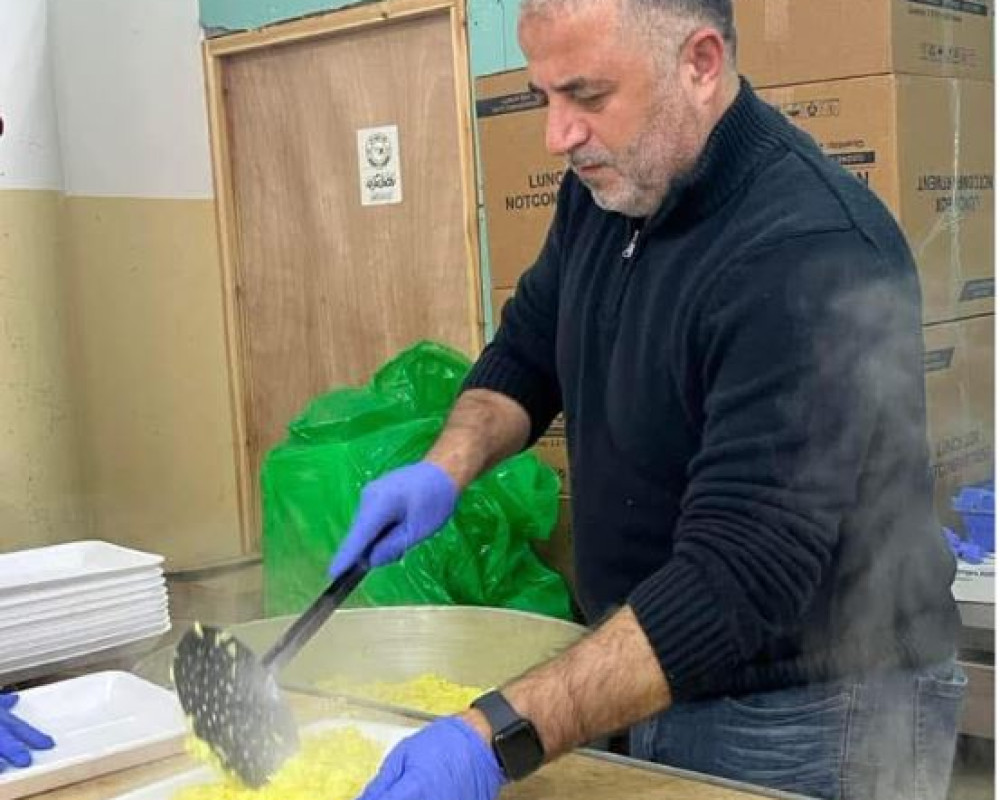
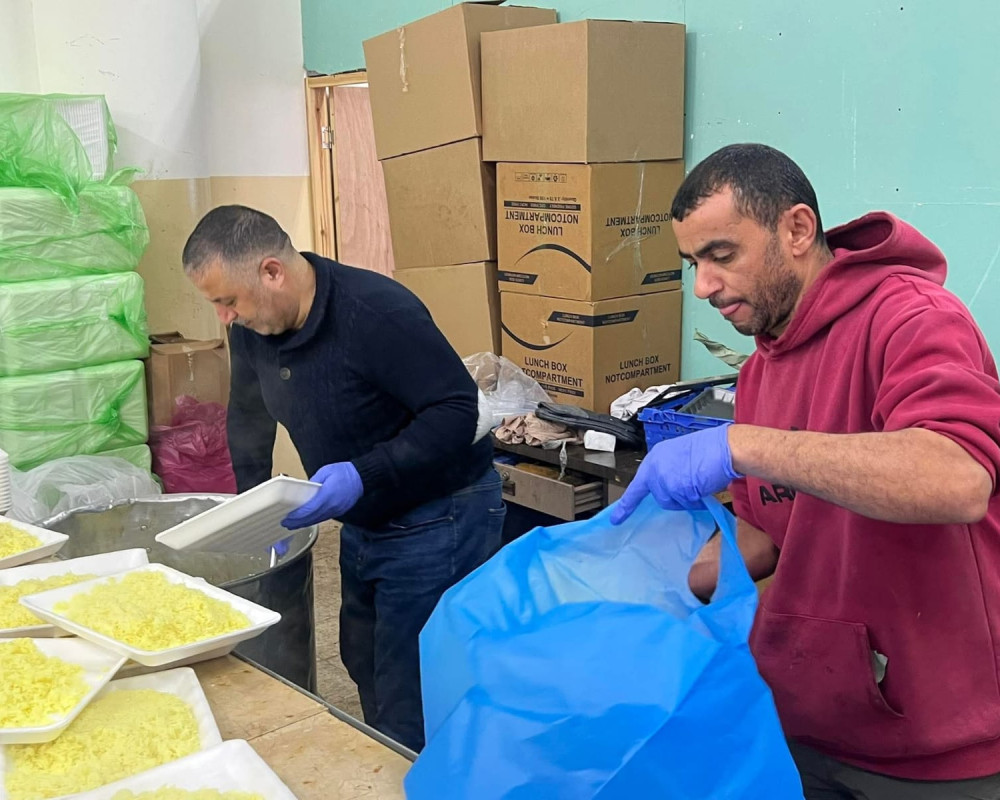
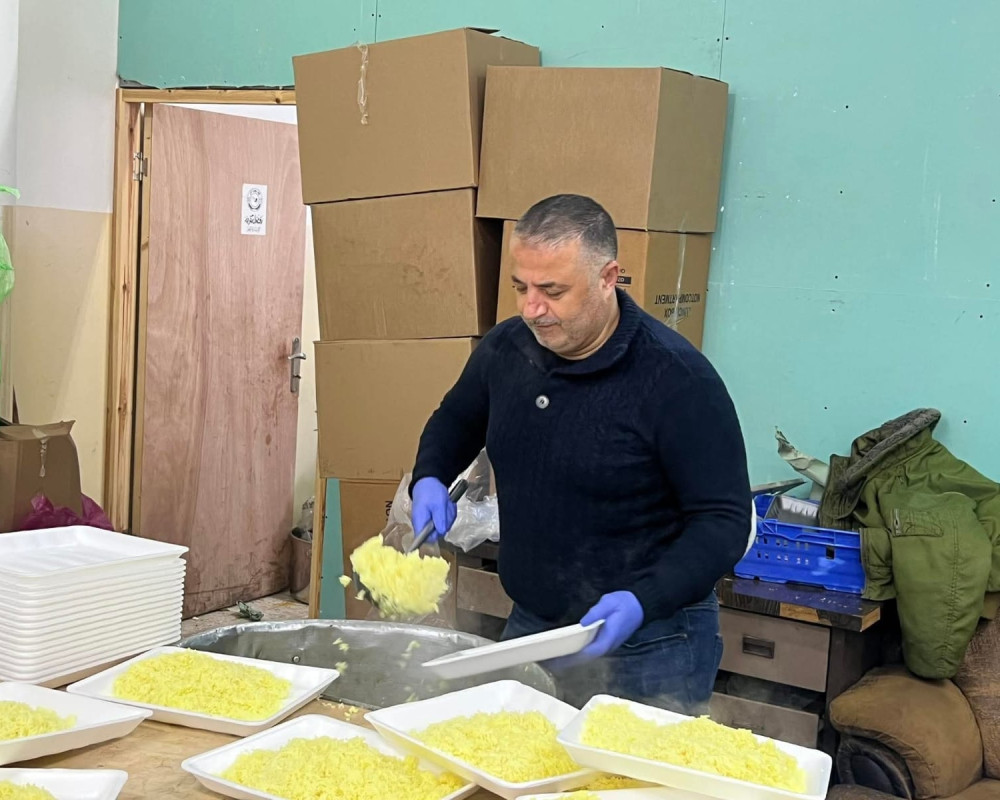
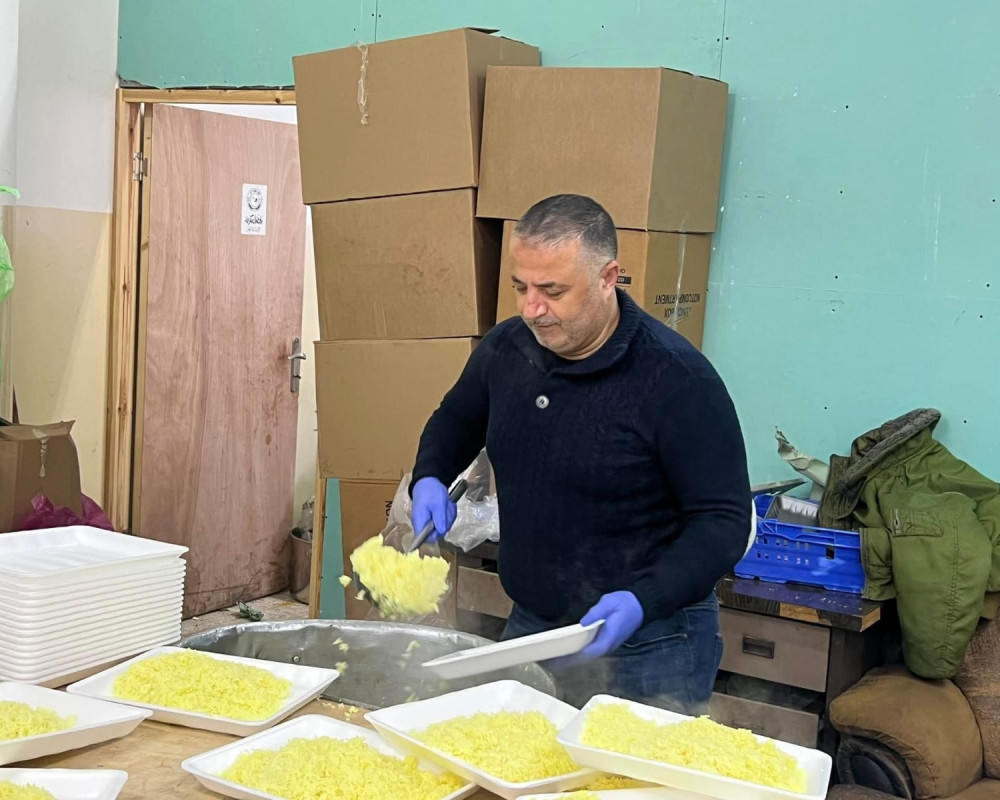
The Beitunia Takiyya was officially established in 2015, initially providing 150 hot meals for iftar during Ramadan. Today, it serves around 2,500 meals daily, evolving from a limited initiative into a comprehensive social institution.
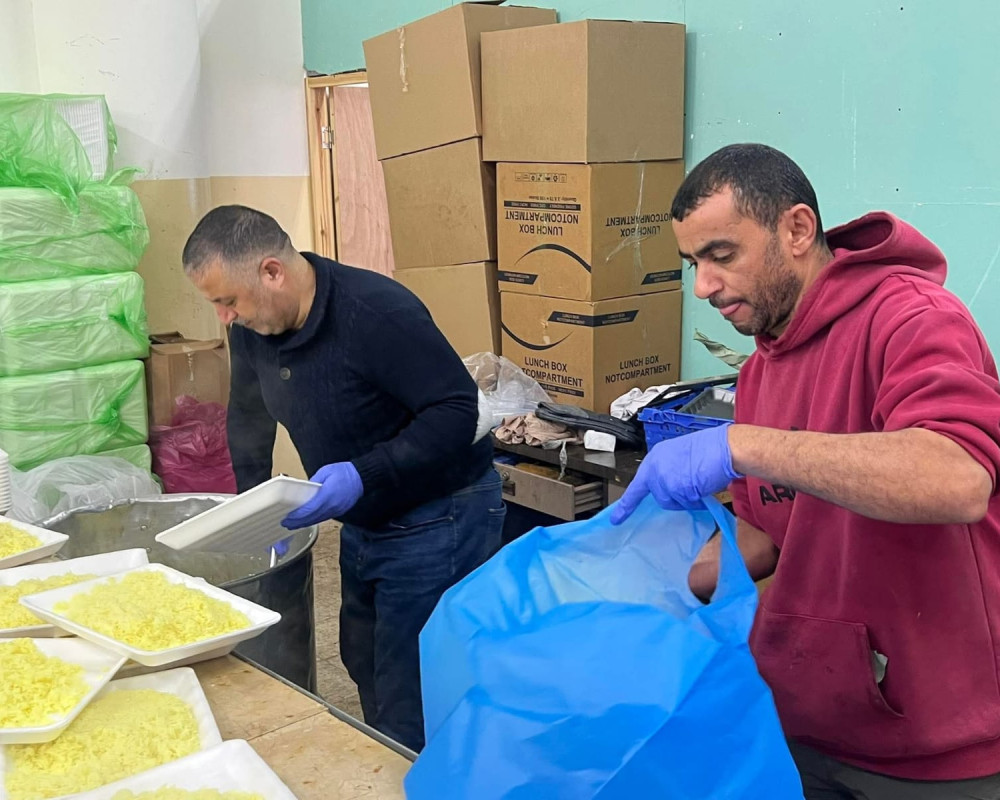
Its role now extends far beyond food, encompassing food parcels, clothing, household kits, medical supplies, assistance with university tuition—and even the construction of a home for a family in need, funded by a benefactor.
The goal, Dawleh says, is simple: “That Beitunia becomes a city where no one goes to bed hungry—and that we reach a homeland with no hungry people.”
To ensure aid reaches those who need it most, the Takiyya relies on detailed social assessments, an integrated database, and ongoing coordination with the governorate’s Zakat Committee and the Ministry of Social Development.
Trust: the real capital
Over time, the Takiyya has grown from a personal idea into a community institution embraced by volunteers and residents alike. Broad networking with the governorate, official bodies, Zakat committees and the Palestinian diaspora forms the backbone of its annual budget.
“We receive financial and in-kind donations and operate with full transparency,” Dawleh says. “That’s why people view this institution with respect and trust.”
Challenges have not been absent—from acceptance of the idea, to financial pressures, to attempts at obstruction by what Dawleh describes as “those who resent success”. Yet, he notes, “The more negative talk there was about the Takiyya, the more giving increased—and the stronger our determination became.”
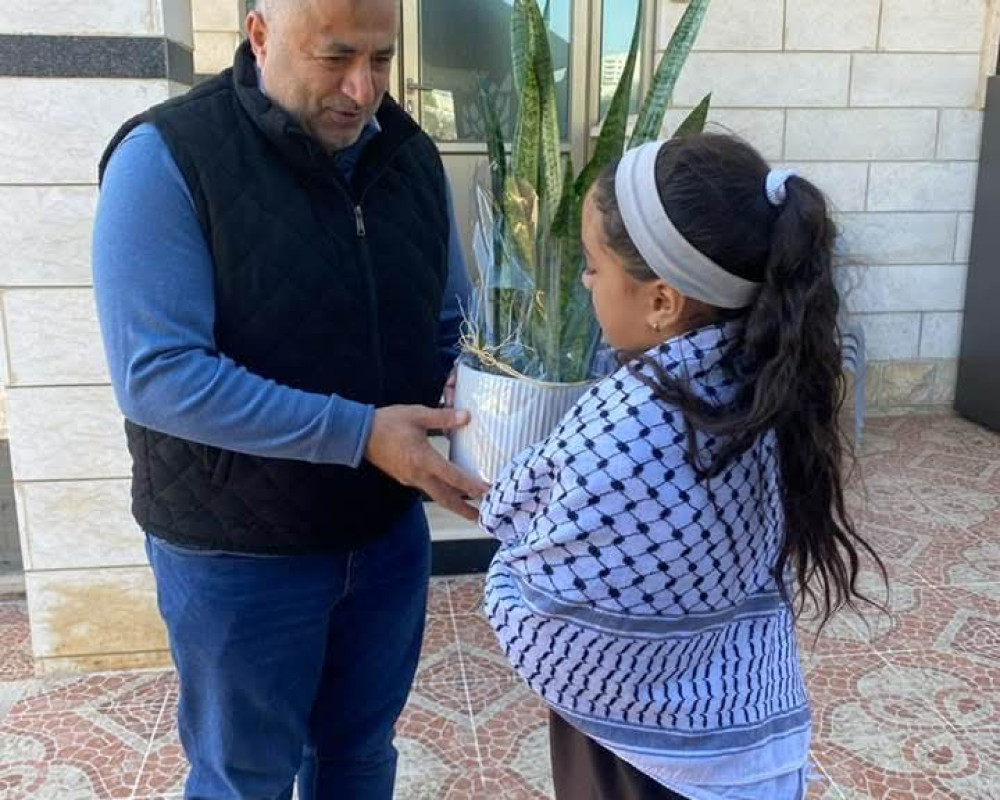
Today, the Takiyya receives support from beyond Beitunia and has become part of social life itself. Surplus food from weddings, funerals and gatherings is turned into meals for those in need. More than 30 young men and women volunteer their time and effort without compensation.
Giving is more than money
The philosophy of the Beitunia Takiyya is not limited to financial donations, but embraces a broader concept of solidarity. Some offer advice, guidance, time or ideas. From this emerged initiatives such as “10 shekels” and “100 shekels”, carrying a clear message: charity is not reserved for the wealthy, and giving is not only about money—giving is happiness.
The Takiyya also focuses on empowering families rather than keeping them dependent, through small projects that support productivity and self-sufficiency.
Dawleh does not see what has been achieved as an endpoint, but as an ongoing path. He believes the initiative will evolve into a formal association, passed on to future generations to keep social solidarity alive.
“We may leave this world one day,” he says, “but giving remains and endures.”
In a time when faces and positions change, genuine experiences leave the deepest mark. The story of Rabhi Dawleh stands as a testament to how public service, when embraced as a mission, can leave an impact that outlasts a lifetime.
This story was produced as part of the “Steps” project, funded by the European Union.