Ramallah, Occupied West Bank / PNN / Story by Wisal Abu Alia
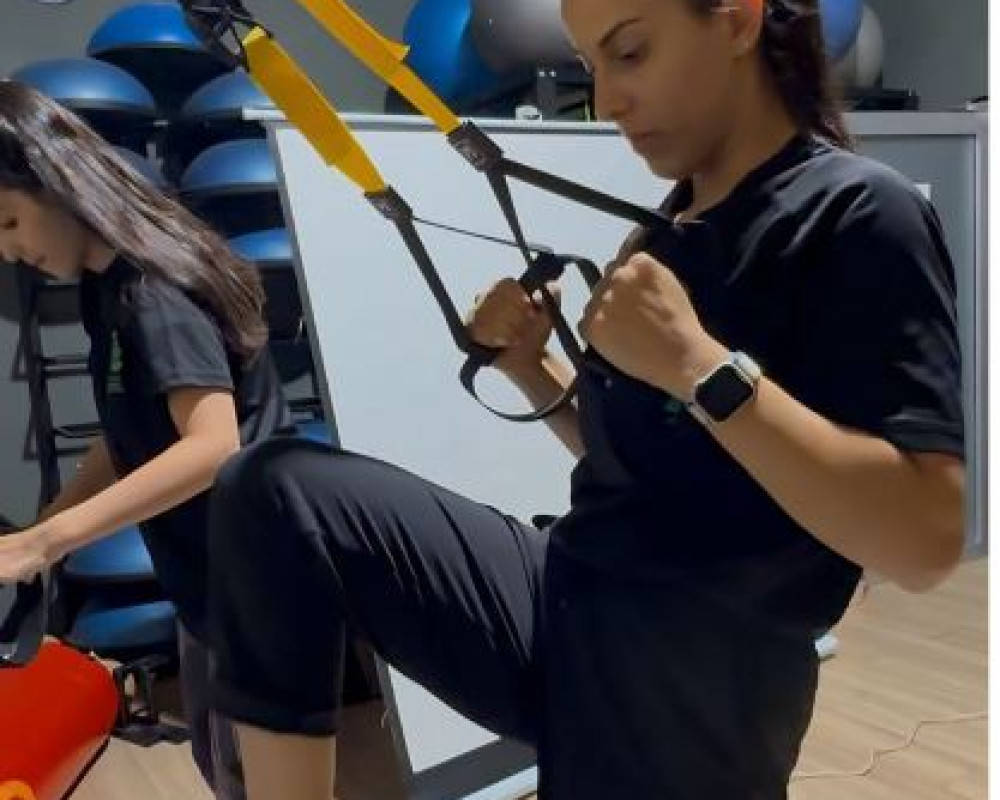
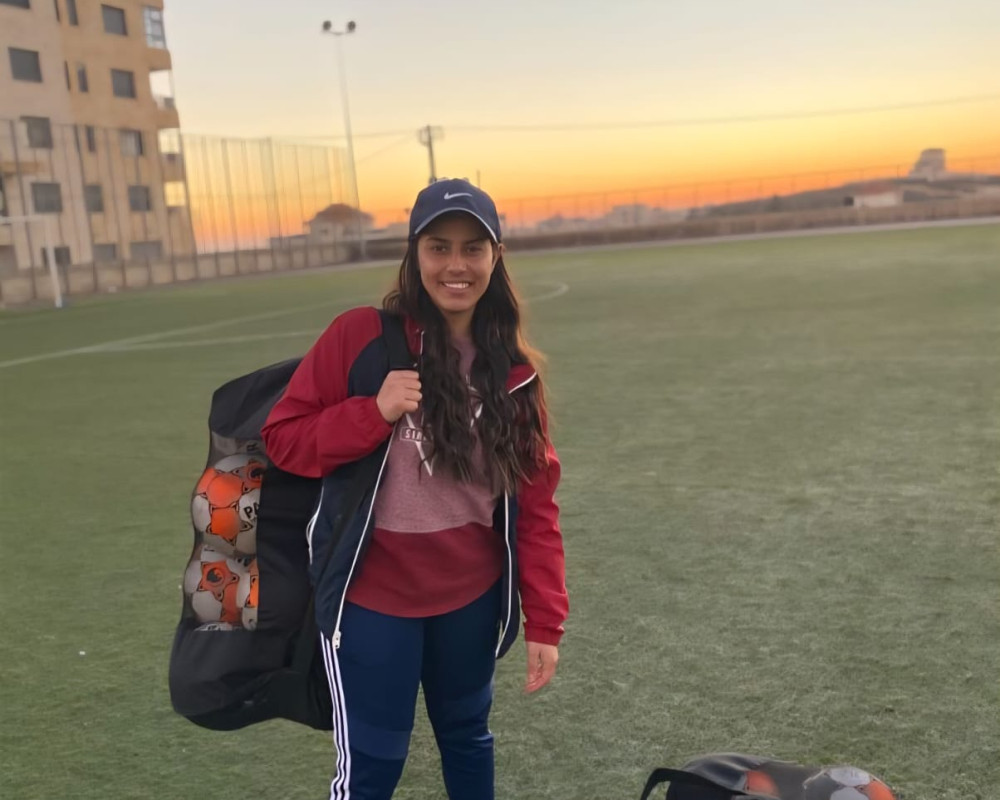
In the village of Al-Mazra’a Al-Sharqiya, where opportunities for girls are limited, 27-year-old Basma Al-Mansi has opened a new door to sport and empowerment. A Birzeit University graduate with a bachelor’s degree in physical education and an executive certificate in sports management from the Centre for Continuing Education, Al-Mansi works as a football coach and holds specialised certifications in fitness and indoor training. She says her journey did not begin with qualifications, but with a personal experience of deprivation that shaped her awareness and motivation.
From personal deprivation to community drive
Al-Mansi says the idea of establishing the women-only Power Zone Gym emerged from the complete absence of sports activities for girls and the lack of any female fitness centre in Al-Mazra’a Al-Sharqiya and the surrounding area.
“I didn’t want girls to be deprived of sport the way I was when I was young,” she said. “I wanted sport to be a right accessible to all women.”
What began as a deferred personal dream soon evolved into a community initiative responding to a real need in the village.
Reality’s challenges and the will to persist
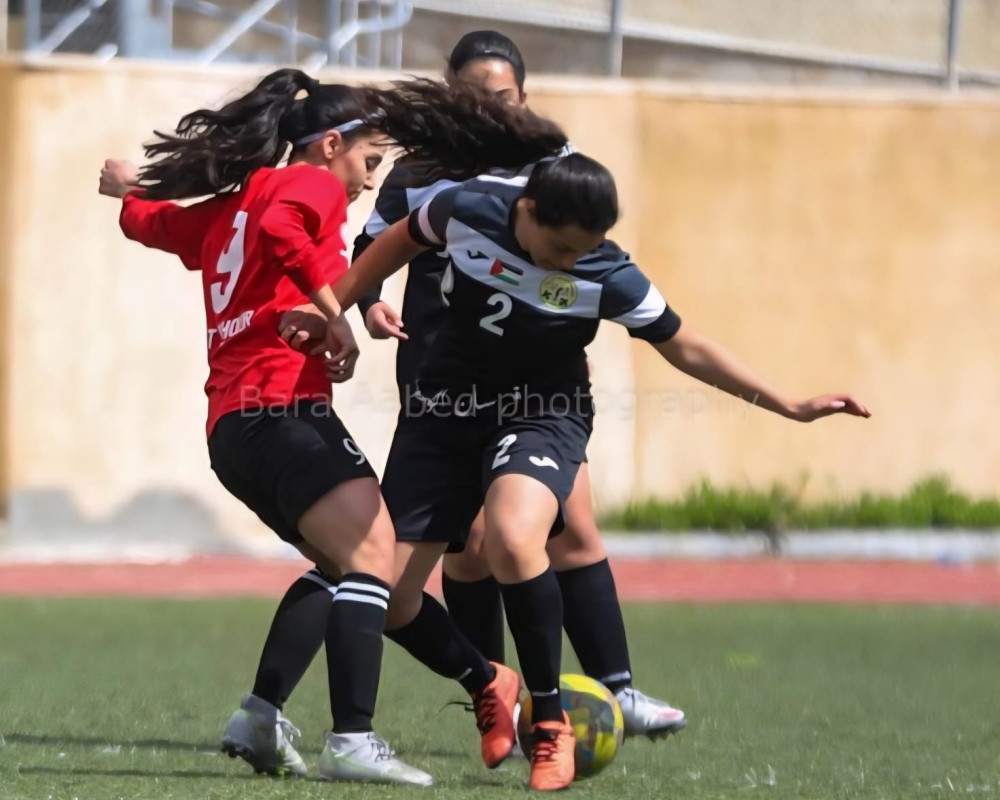
From the outset, the project faced major challenges, Al-Mansi said, including limited financial and logistical resources amid a difficult economic climate and the absence of national companies specialising in sports equipment manufacturing. Israel’s occupation, she added, also affects daily life in ways that complicate such initiatives.
Social attitudes toward women, particularly in rural areas, posed an additional obstacle. Still, she said determination and perseverance proved decisive in overcoming the hurdles and sustaining the project.
Empowerment beyond the body
Al-Mansi said Power Zone was never intended to be a space for physical training alone, but a comprehensive environment addressing mental and social wellbeing alongside physical health. Professional, science-based supervision, combined with close-knit village relationships rooted in mutual support, helped create a safe and encouraging space, she said.
That environment has visibly boosted participants’ self-confidence and sustained their commitment to regular exercise.
A tangible shift in awareness and behaviour
The project’s impact varies from one woman to another depending on age and personal goals, Al-Mansi said. What they share, however, is a growing acceptance of physical activity, heightened awareness of its importance, and recognition of its direct effects on physical and mental health. For many, sport has become part of daily life.

Empowerment as a management approach, not a slogan
Al-Mansi said empowerment guides every administrative decision at the gym. That principle is reflected in providing a safe, non-judgmental environment, fair and flexible pricing, and organisational systems that protect the rights of both trainees and staff.
Financial and administrative sustainability, she added, is essential to maintaining long-term impact. “True empowerment requires conscious management that balances the mission with continuity,” she said.
Al-Mansi describes the experience as a turning point both personally and as a leader, strengthening her professional skills, self-confidence, and capacity for patience and resilience. She ended with a message to girls and women with entrepreneurial ideas in rural areas: “Study your reality, engage with it confidently and boldly. With determination and perseverance, any idea can become reality. You can do it.
This story was produced as part of the Steps Project, funded by the European Union.