Bethlehem, West Bank / PNN /
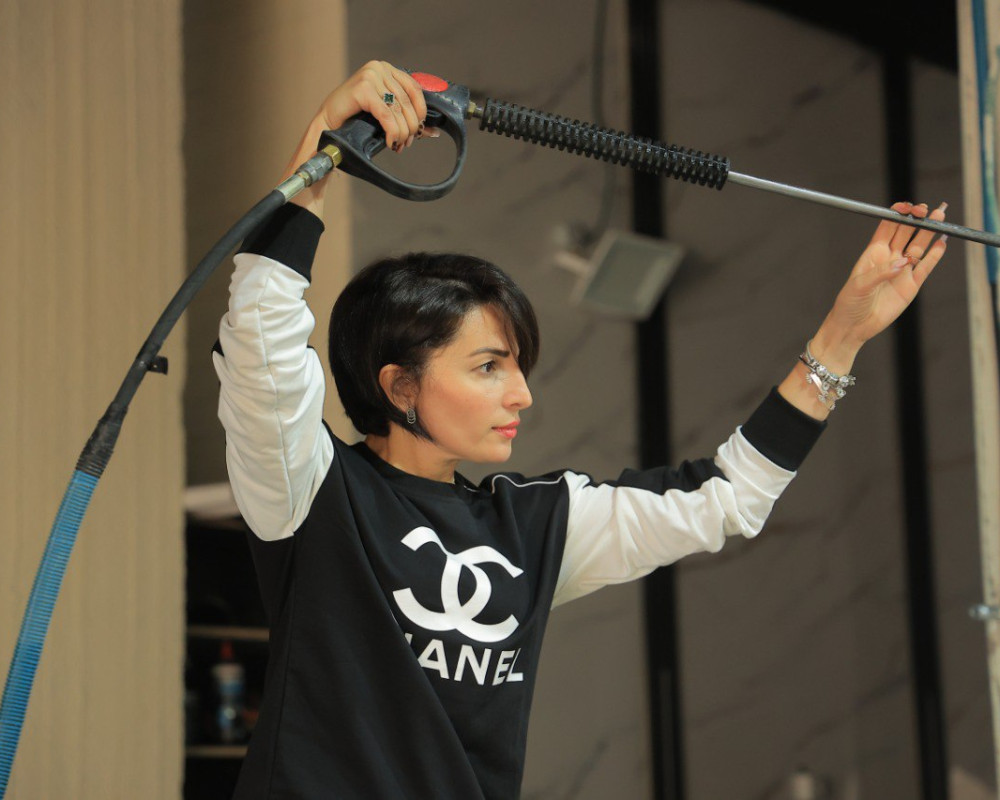
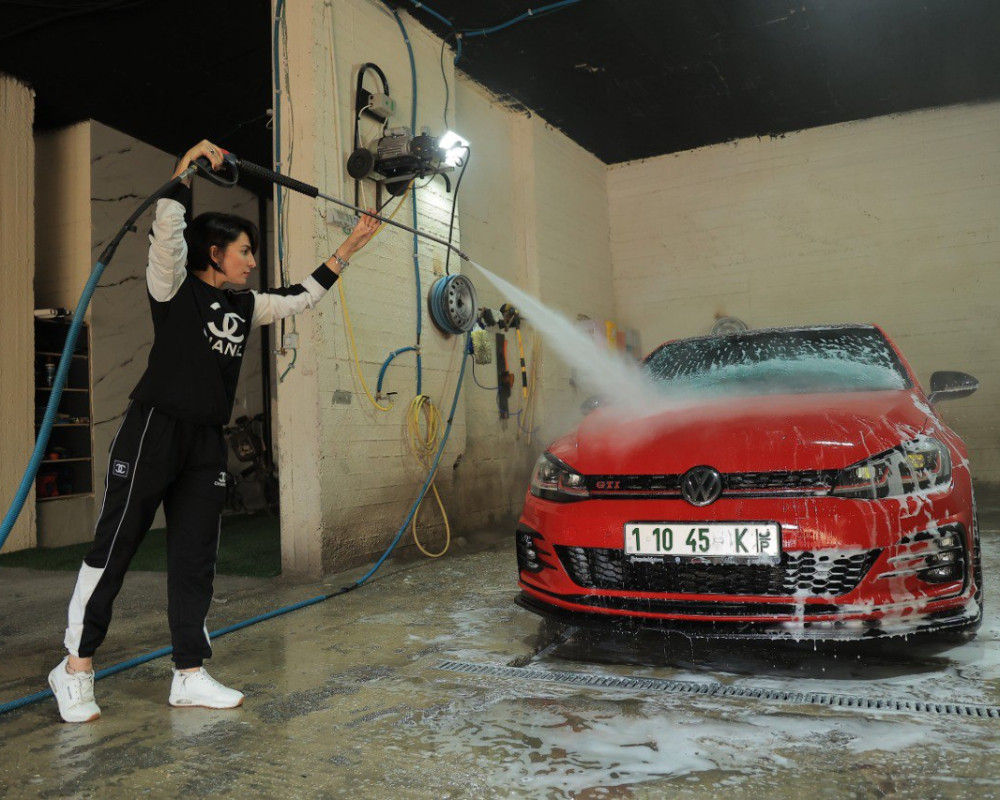
In a profession long dominated by men, Palestinian woman Hanadi Hadia has carved out her own space in the automotive sector, opening a car care and washing station in the city of Bethlehem and challenging entrenched social norms with confidence and skill.
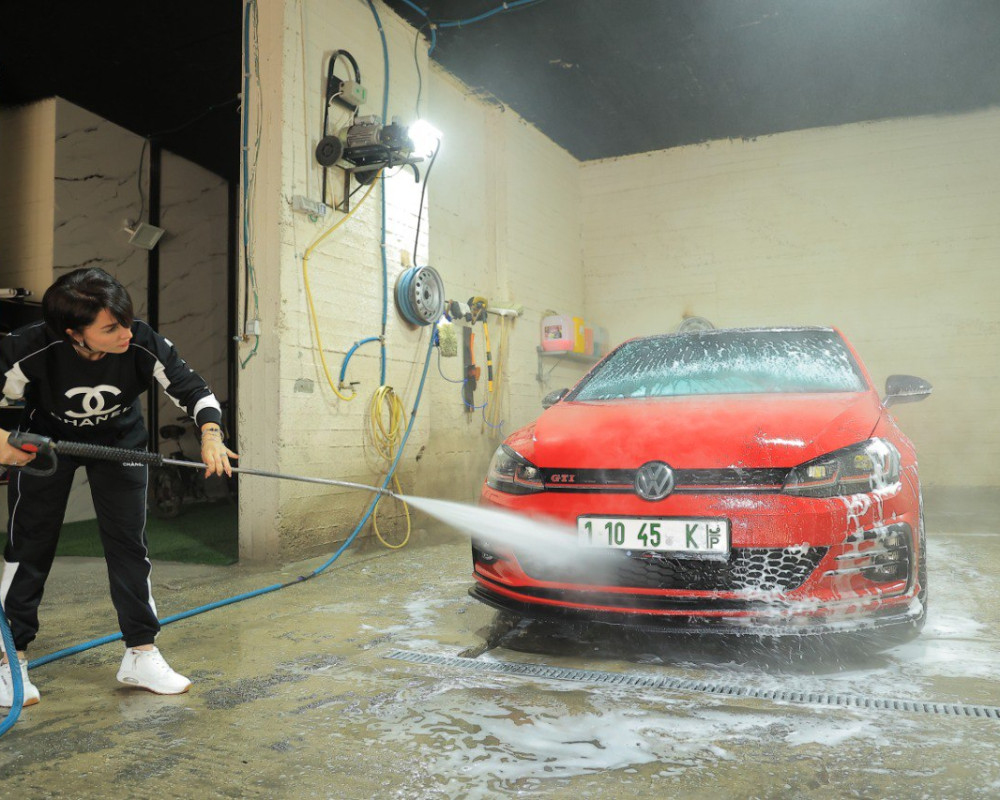
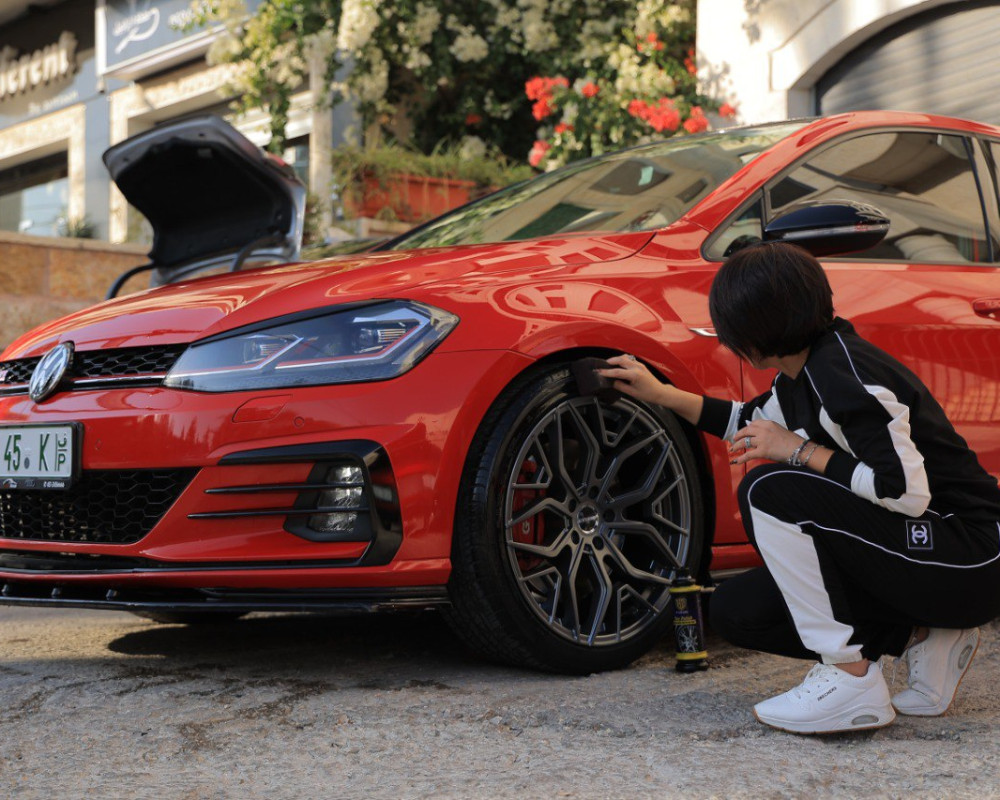
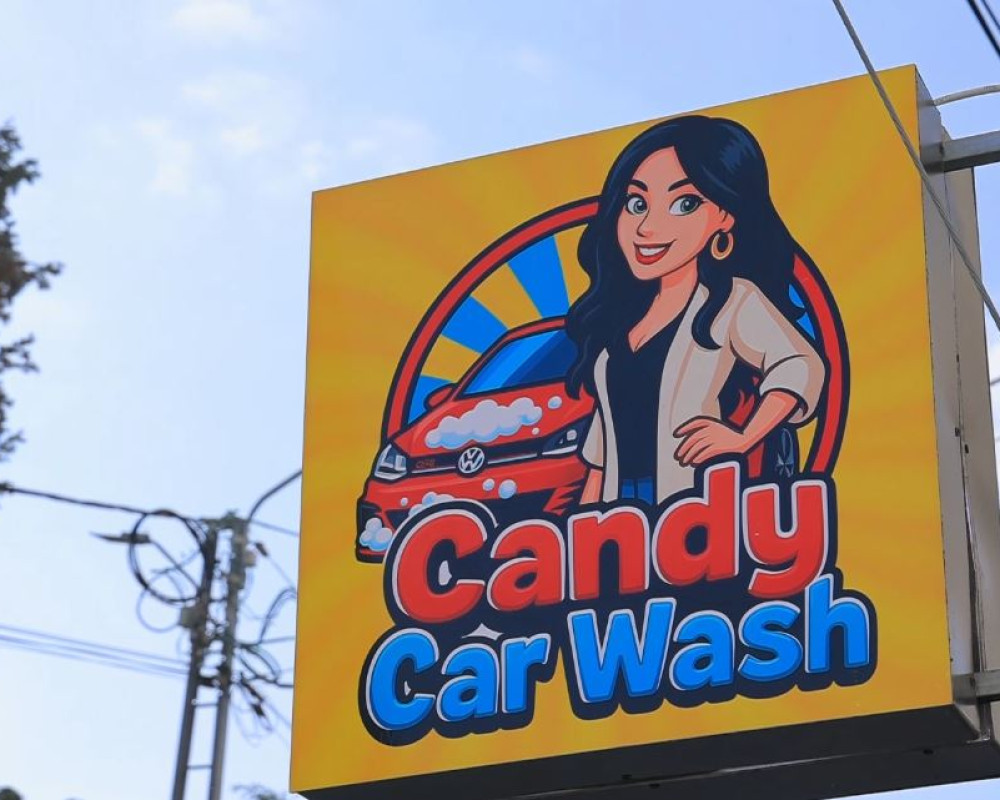
Hadia is the founder of Candy Car Wash, a small but growing business offering car washing, polishing, paint installation and detailing services — work traditionally associated with men in Palestinian society. What began as a personal passion for cars has turned into a source of pride and a statement of independence.
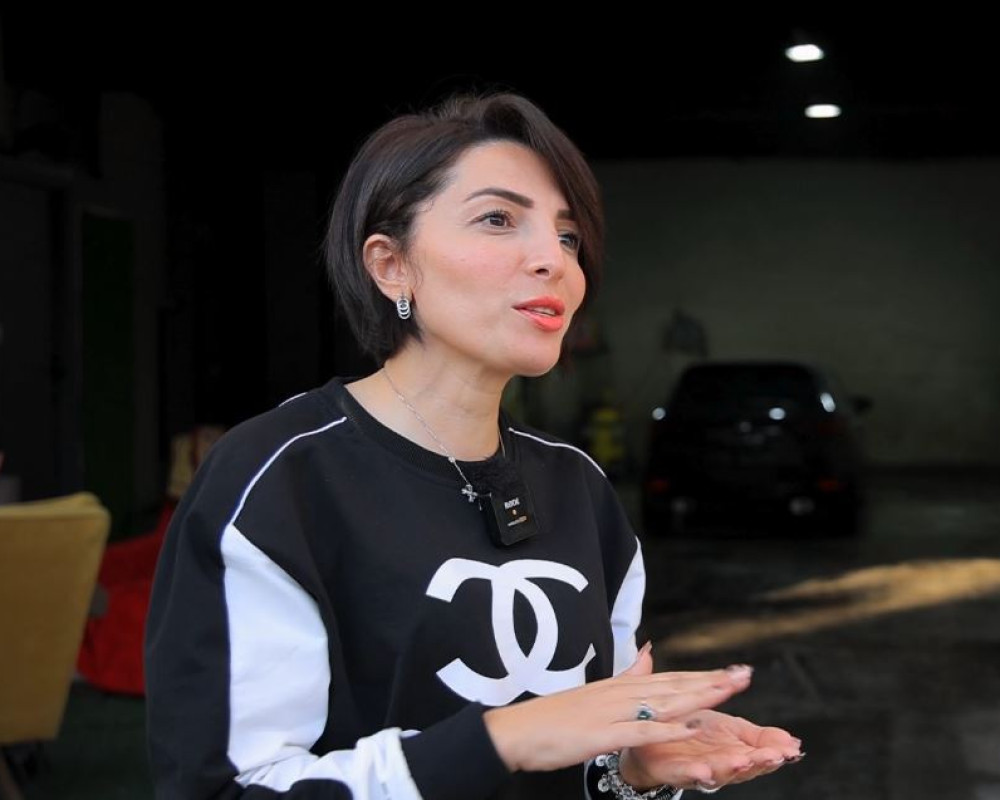
“I love working with cars. There’s energy in it — something unusual and beautiful at the same time,” Hadia said, standing inside her workshop surrounded by tools, hoses and freshly polished vehicles.
Unlike many women who face resistance when entering male-dominated fields, Hadia says her strongest support came from her immediate circle, particularly her husband. “A married woman needs her partner to stand by her. He was my main supporter,” she said, adding that encouragement from friends and colleagues helped her move forward.
Hadia says the most rewarding moment of her work comes when customers return to inspect their vehicles. “When a customer leaf satisfied and says, ‘Well done,’ that’s what makes me happiest,” she said.
Despite that, criticism has not been absent. Some questioned why a woman would work in an automotive garage, calling it inappropriate or unsuitable. Hadia dismisses those arguments, pointing to the double standards women face.
“Why isn’t a female lawyer criticised for working with men? Or a female doctor?” she asked. “What makes this field different?”
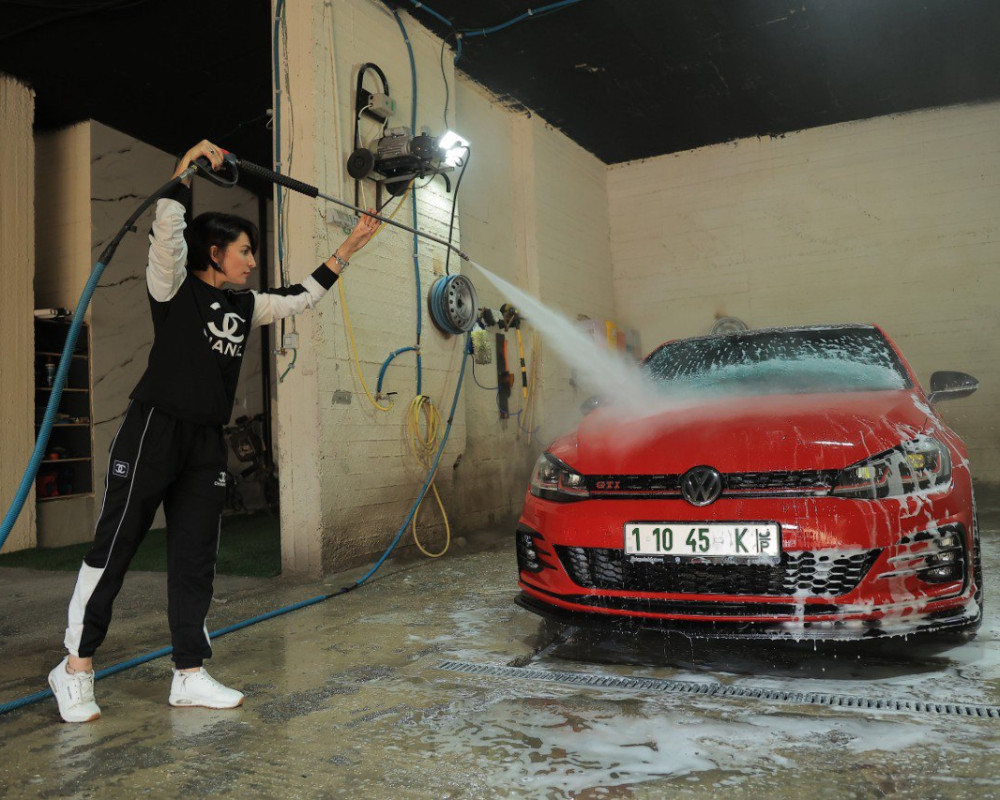
She describes the work as physically demanding and highly technical, involving heavy equipment, precision and constant interaction with customers. “This job is not easy,” she said. “You work with metal, with people, and with results. The car must leave looking perfect.”
Contrary to common stereotypes, Hadia says much of the support she received came from young men, while women showed even stronger encouragement. She believes her presence has also made the space more comfortable for female customers.
“Many women feel judged going alone to a garage,” she said. “But when the place is run by a woman, it feels safer — for them and for their families.”
Hadia now operates in several automotive services, including car washing, polishing, paint installation and detailing, and says she is proud of every aspect of her work. For her, the distinction is not between men and women, but between commitment and quality.
“There’s no such thing as men’s work and women’s work,” she said. “There is only work.”
In a society facing economic pressure and limited opportunities, Hadia believes self-reliance is essential. “A woman must depend on herself,” she said. “Especially here.”
For Hadia, challenge and freedom are inseparable. “Without challenge, there is no freedom,” she said. “And without freedom, there is no work.”
This story was produced as part of the Qarib project, implemented by the French media development agency CFI in partnership with and funded by the French Development Agency (AFD).