Occupied Jerusalem / PNN / Wisal Abu Alia
In Jerusalem, education is not measured by the number of classrooms or the sophistication of smart boards, but by its ability to protect memory, safeguard identity and shape individuals capable of resilience in a settler-colonial reality that seeks to reshape consciousness before geography. Here, every idea is a stance, and every school a chance of survival. Within this context, the story of Walaa Abu Asab stands out as an exceptional example of a Palestinian woman from Jerusalem who bridged law and education, transforming her personal experience into a quiet national project that views education as the deepest and most sustainable form of survival.
Roots: When a city shapes the consciousness of its people
Walaa Abu Asab was born in Jerusalem’s Old City to a Jerusalemite family of Hebronite origin, in a city that offers its children little space for an ordinary life. From an early age, they are confronted with fundamental questions of identity, belonging and survival. Narrow alleys, checkpoints and the constant presence of occupation fostered an early awareness that justice is not an abstract concept but a daily necessity.
“We grew up in Jerusalem understanding that identity is not something we simply possess, but something we must protect every single day,” Abu Asab said.
That awareness later guided her academic path. She chose to study law at Al-Quds University in Abu Dis, obtaining her licence to practise law in 2011, driven by a deep conviction that the struggle in Jerusalem is not only over land, but also over rights, narrative and the future. She currently works as a legal adviser in the Jerusalem Affairs Department of the Palestine Liberation Organisation, using her legal expertise as a line of defence for both people and city.
The idea: Motherhood becomes a community project
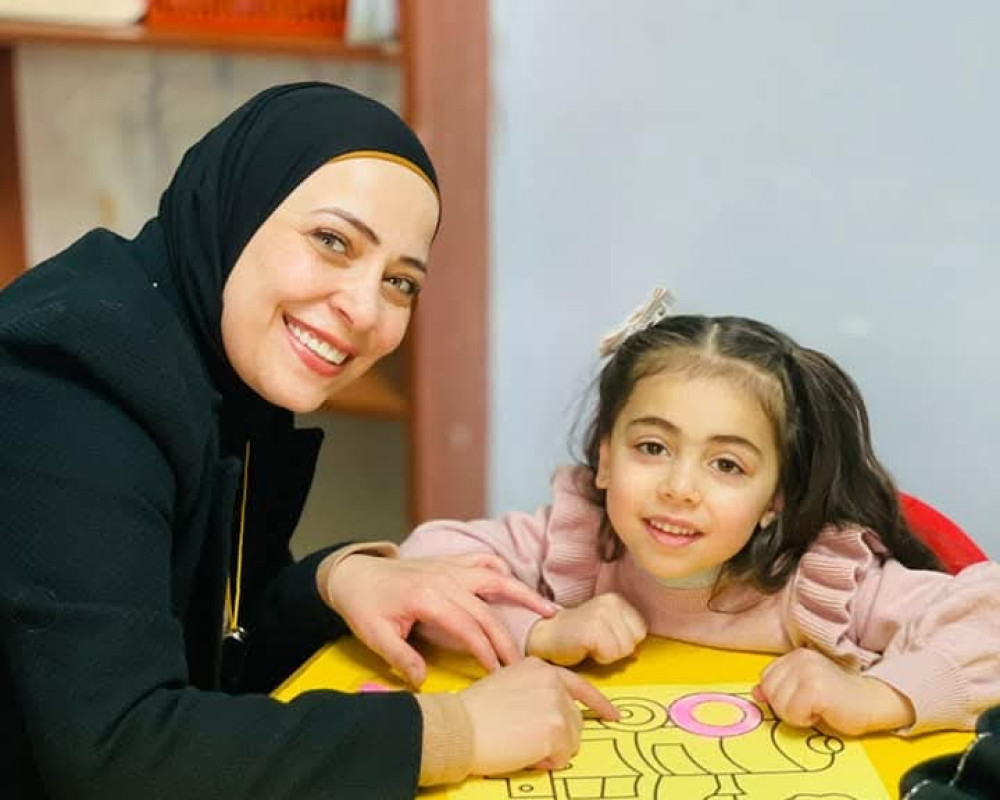
The idea of entering the education sector did not stem from a feasibility study or an investment plan, but from a mother’s search for a safe educational environment for her two sons, Jihad and Yassin. From this personal need emerged her first small initiative: Angels Nursery, which began with just seven children, including her own.
“I was not thinking of establishing a project,” Abu Asab recalled. “I was simply looking for a place where I could feel my children were safe – psychologically and humanly – before anything else.”
Within a month, enrolment rose to 25 children, transforming the initiative from an individual solution into a community demand. Abu Asab realised that what began as an act of motherhood could evolve into a broader mission.
From a small initiative to an educational institution
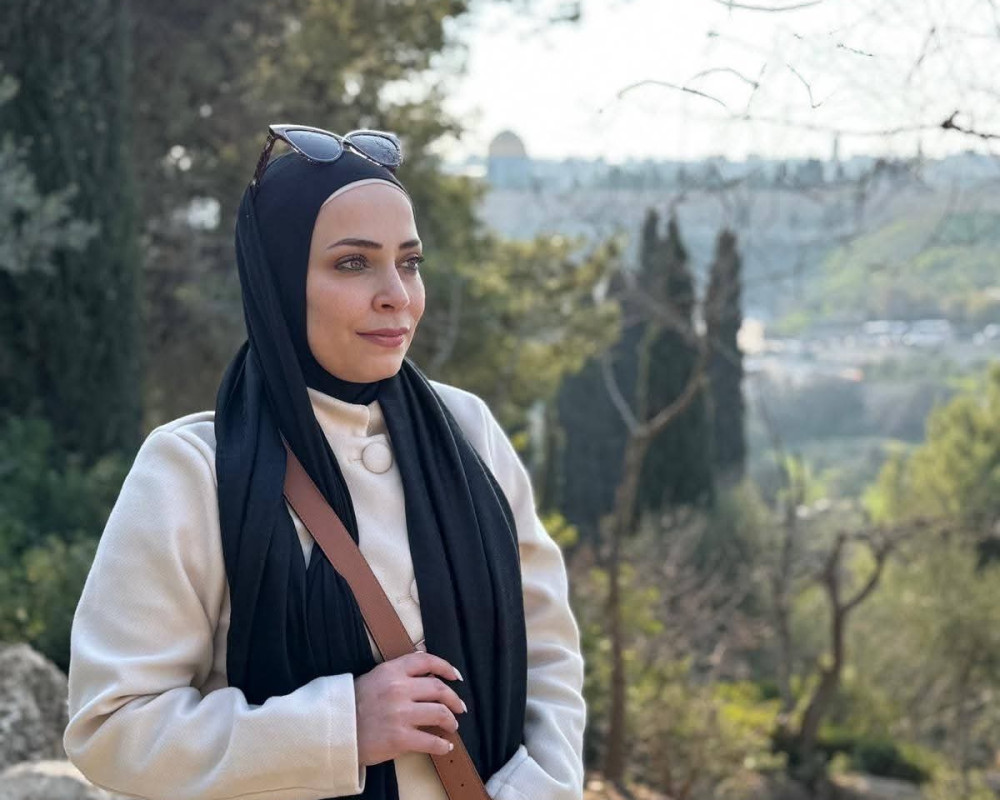
Motivated by her love for children and her belief in the formative importance of early childhood, Abu Asab pursued a diploma in early childhood resources and kindergarten management. She then embarked on the lengthy process of licensing and development across educational stages, placing educational quality at the forefront. Over nine years, the project grew steadily and quietly. What began with one employee has expanded into an educational institution employing more than 30 staff members.
“Every academic stage I went through changed the way I think,” she said. “After my bachelor’s degree, my perspective changed. After my master’s, my tools changed. Now, during my doctoral studies, I see education as an existential issue.”
As parents’ trust grew and successive cohorts of children graduated, calls mounted to establish a school that would complete the educational journey. In 2022, the founding of Ajyal School marked a pivotal step.
Education in Jerusalem: Challenges beyond the classroom
The goal was not simply to open another school, but to create an educational space that reasserts Palestinian identity and presents an accurate national narrative in the face of erasure and distortion. Ajyal School operates in a highly complex environment, where politics intersects with law and geography with residency status.
Among the most pressing challenges is internal migration towards so-called Area C, which brings legal fragility and threatens recognition of education without jeopardising Jerusalem residency status. The school also faces infrastructure challenges resulting from limited building permits, cramped spaces and strict requirements related to ventilation and lighting.
Drawing on her legal background, Abu Asab approached these obstacles as “a cause, not a barrier”, finding legal pathways that enabled the school to secure necessary licences without compromising students’ rights.
“When education in Jerusalem is threatened, I do not see it as an administrative challenge,” she said. “It is a legal and national battle that must be fought to the end.”
An unequal struggle over education
In Jerusalem, private Palestinian education faces an unequal battle against the Israeli education system, which has poured billions of shekels into infrastructure, offers symbolic tuition fees and provides higher salaries for teachers. National schools, by contrast, suffer from limited resources, creating a real educational gap and prompting some families to withdraw their children.
Despite this, a significant segment of Jerusalemite society remains committed to private Palestinian schools, aware of the risks posed by Israeli curricula. “In municipal occupation schools, Israel is taught as the homeland, as if Palestine never existed,” Abu Asab said. “That is ethically and educationally unacceptable.”
An educational philosophy that shapes the individual
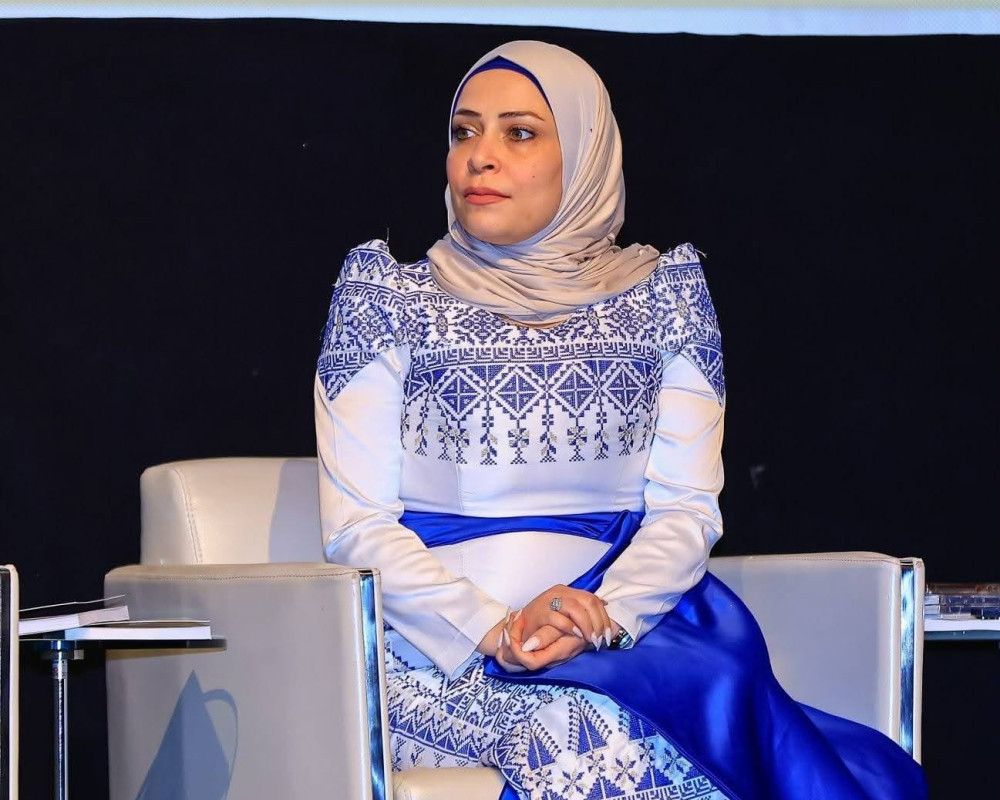
At Ajyal School, students are not treated as numbers or passive recipients, but as individuals in the making. The school adopts play-based learning in early stages, and exploration and critical thinking at the preparatory level. Character development begins at the age of three through innovative programmes such as “The Young Leader”, “The Young Farmer” and “The Young Chef”, designed to instil responsibility and life skills early on.
“We are not producing students who only achieve high marks,” Abu Asab said. “We are building personalities capable of confronting the auditory, visual and intellectual occupation that surrounds us.”
This philosophy is reinforced through summer camps, visits to depopulated villages, volunteer work and partnerships with local communities, municipalities and Palestinian institutions, ensuring that the homeland remains present in daily experience, not confined to textbooks.
A school at the heart of its community
The school provides a safe and stimulating environment, participates in educational and sports competitions across Jerusalem and Palestine, and has taken part in international activities. It also offers fee exemptions for the children of martyrs and prisoners amid difficult economic conditions. Looking ahead, the school aims to expand to the Tawjihi level, introduce an integrated technological system and strengthen community-based volunteer work.
The story of Walaa Abu Asab is not one of individual success alone. It is living proof that education in Jerusalem is an act of survival, and that when women possess knowledge, they can turn motherhood into a project, law into protection, and a school into a living memory. At Ajyal School, the future is not merely preserved – it is written, child by child and story by story, in a city that daily seeks to strip its people of this right, only for them to reclaim it through awareness.
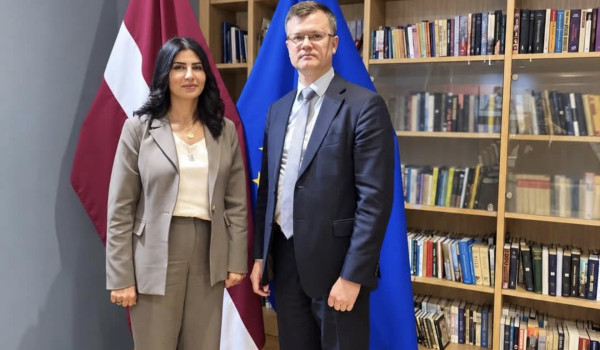
This story was prepared and produced as part of the “Steps” project, funded by the European Union.