Bethlehem / PNN /
Bethlehem enters this year’s Christmas season amid an economic reality described as the toughest in years, as the repercussions of the war on Gaza continue and key sectors that historically formed the backbone of the city’s economy, particularly tourism, remain stalled.
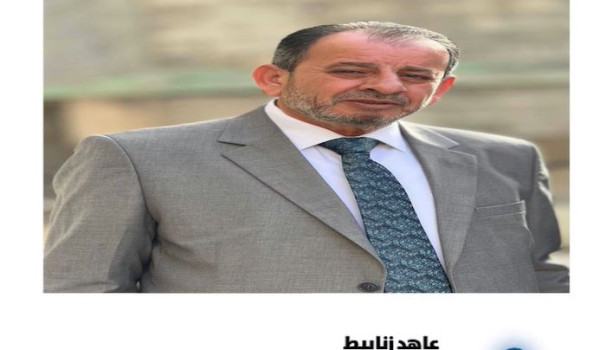
Dr. Samir Habboon, President of the Bethlehem Chamber of Commerce and Industry, said the governorate is experiencing unprecedented economic stagnation due to multiple intertwined factors, chiefly the halt of the tourism sector, which employs around 10,000 workers, the suspension of work for Palestinians from the occupied territories, and irregular public sector salary payments covering only about 60% of employees.
Habboon noted that the decline in income has forced a large segment of citizens to exhaust their savings over the past two years, placing Bethlehem in a severe economic situation directly affecting citizens’ livelihoods, especially during the holiday season.
He added that financial support from Palestinians inside the Green Line has at times acted as an economic lifeline, contributing between 30–35% to the city’s economy, yet this support remains contingent on Israeli restrictions, particularly those affecting movement through the Rachel’s Tomb Crossing (Checkpoint 300), which negatively impacts shopping and commercial activity.
Habboon emphasized that the current economic situation cannot be compared to the past five years, pointing out that Bethlehem has entered “lean years” following the COVID-19 pandemic and the war on Gaza, which exhausted the local economy and weakened its recovery capacity.
He also highlighted efforts by the Ministry of Tourism and Antiquities, the private tourism sector, and Bethlehem Municipality to re-promote the city internationally, noting that these initiatives helped restore Bethlehem’s position on the global tourism map after it had declined due to the Gaza war.
Habboon explained that the political and religious decision to revive Christmas celebrations this year carries significance beyond religious rituals, sending a reassuring message to international tourism institutions and visitors about the city’s accessibility and security. He noted that lighting Christmas trees across the governorate is part of this effort, with hopes of positively impacting upcoming seasons, particularly Easter in April.
He added that the early closure of the main Bethlehem crossing at 1 p.m. continues to hinder movement. Efforts are underway in coordination with the Civil Affairs Authority, church leaders, and European interventions to ease restrictions and increase permits for Christian visitors. Habboon described these measures as a clear restriction on religious freedom, linking its practice to Israeli approval.
While noting that the city no longer faces a central checkpoint crisis as in previous years, Habboon warned of rising settler attacks and the proliferation of iron gates, which threaten stability and create concerns about citizens’ ability to celebrate safely.
Despite the bleak economic scene, he emphasized that celebrating the holidays represents a manifestation of resilience and a glimmer of hope amid ongoing hardship. These occasions carry a clear political message rejecting Israeli restrictions and urging the international community to ensure Palestinians’ right to live and practice their rituals freely.
On a broader political note, Habboon pointed out that recent visits by the Palestinian President to Rome, the Vatican, and France included initiatives to revive political momentum, with expectations that five new countries may soon recognize the State of Palestine — sending a message to the occupation that the diplomatic struggle continues.
Regarding the scale of losses, he stated that preliminary estimates indicate Bethlehem has incurred direct losses exceeding $1 billion, alongside indirect losses that are difficult to quantify, due to the paralysis of the tourism sector, including hotels, souvenir shops, tourism offices, guides, and street vendors.
Investments in the hotel sector alone are estimated at around $550 million, with no financial return achieved, raising concerns that the labor force may abandon tourism due to the lack of guarantees and safety nets.
Habboon revealed that the Palestinian national income dropped from approximately $30 billion to $15 billion over the past two years, while tourism’s contribution fell from 16% to only 8–9%, noting that these figures do not reflect the full social and economic losses accumulated amid the absence of a comprehensive political solution.
He concluded by affirming that despite its vulnerability to political events, the tourism sector retains strong recovery potential, calling for continued hope and government programs, in partnership with the private sector, to ensure its sustainability and protection from collapse.