Bethlehem / PNN /
Amid a suffocating siege and ongoing settlement expansion, Bethlehem Governorate is marking Christmas this year as a message of steadfastness affirming the Palestinian people’s right to remain on their land.
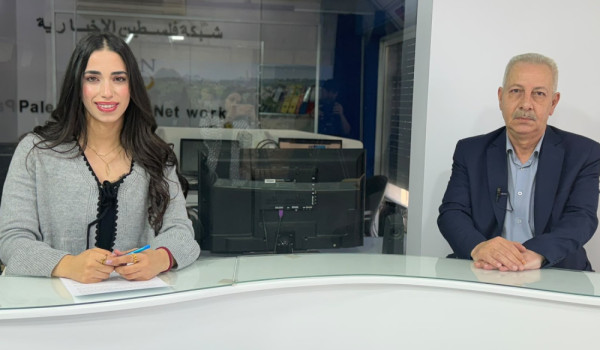
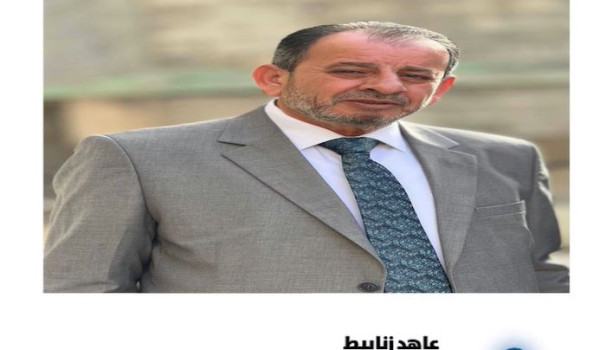
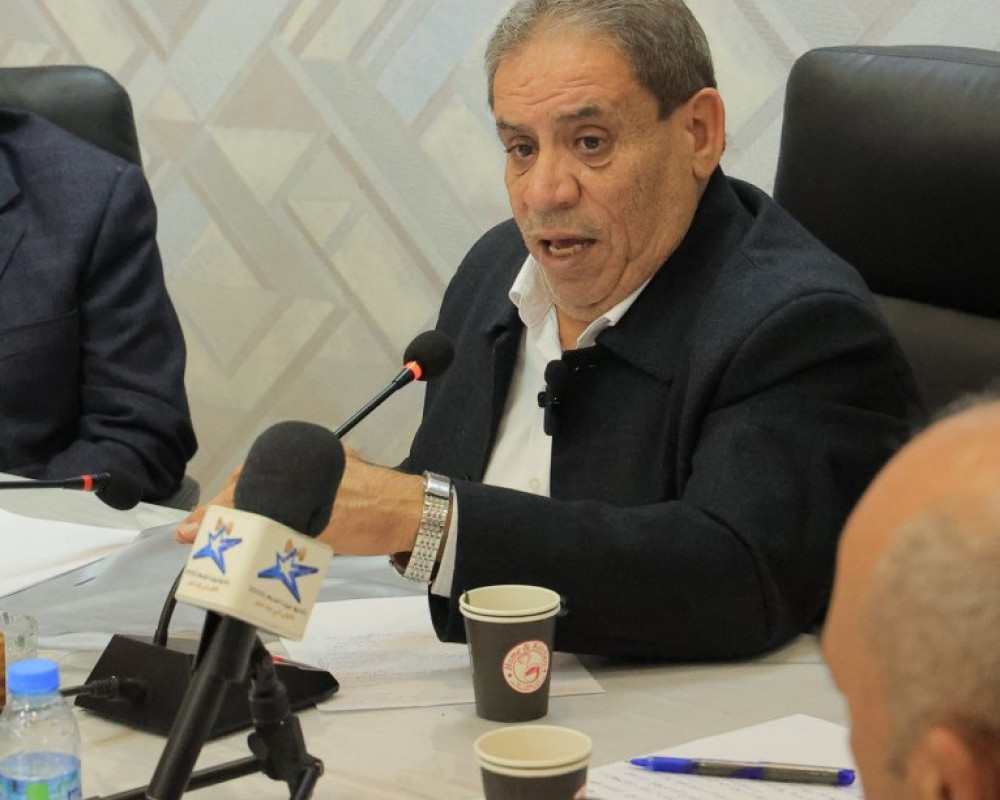
Bethlehem Governor Mohammad Taha Abu Alia said in a special interview with Palestine News Network (PNN) on the occasion of the holidays that the city is facing unprecedented economic and security challenges due to the Israeli siege and policies of forced displacement. He stressed that this year’s celebrations carry both national and religious symbolism, reflecting Palestinians’ determination to cling to life despite mounting hardships.
Abu Alia said Bethlehem’s economy is experiencing an unprecedented downturn as a result of the economic blockade imposed on the Palestinian people. He noted that the governorate relies heavily on tourism, which has come to an almost complete halt since Oct. 7, driving unemployment to more than 40% — the highest rate nationwide.
He explained that the tourism sector accounts for between 10% and 15% of the workforce, alongside the suspension of other income sources due to Israel’s withholding of clearance revenues, which has led to widespread economic paralysis. The crisis, he added, is compounded by the fact that Bethlehem is not an agricultural governorate, largely due to Israel’s control over water resources, leaving it without viable economic alternatives to offset the losses.
Abu Alia said Palestinians have decided that Christmas this year will be marked differently from previous years. Lighting the Christmas tree and celebrating the holiday, he said, conveys a message of life and steadfastness that goes beyond religious rituals, reflecting Palestinians’ attachment to their land at a time when Israeli leaders openly declare displacement as a goal. He said the peak of the celebrations will be on Dec. 24, with the participation of dozens of consuls and ambassadors from around the world, along with international media outlets.
During the holiday events, Abu Alia said diplomats were briefed on the suffering of the Palestinian people and on what he described as dangerous settler practices, particularly in eastern Bethlehem, carried out with the support and protection of the Israeli army. He said these daily practices aim to force Palestinians off their land through economic strangulation and repressive policies, stressing that Palestinians have the right to live freely in an independent state without occupation — a message he said must reach the international community clearly.
Abu Alia said Bethlehem’s hotels have hosted diplomatic delegations from the European Union since early December, coinciding with Christmas celebrations. He stressed that the governorate is safe — safer, he said, than many Israeli cities — and that the real obstacle to tourism, particularly religious and international tourism, is Israel’s control over the sector.
He said visitors can travel to Bethlehem, stay in its hotels, visit the Church of the Nativity and walk through its markets safely, aside from what he described as daily Israeli violations.
Abu Alia added that dozens of consuls and ambassadors from Europe and South America have visited the governorate as part of tours organised by the Ministry of Tourism, during which they were shown settlements, outposts and daily Israeli practices. He said the diplomats were urged to encourage their citizens and communities to visit Bethlehem for religious and tourism purposes, noting that the positive impressions from these visits could help revive tourism in the coming period.
He also extended a special invitation to Palestinian communities abroad, particularly in Latin America and Chile — home to a large number of residents originally from Beit Jala — to visit Palestine and support the steadfastness of its people. Such visits, he stressed, do not constitute normalisation, but rather represent, in the words of the Palestinian president, “a visit by family to a prisoner in an open-air prison.”
Abu Alia said Palestinian security forces have put in place a comprehensive plan to secure the Christmas season, despite complex conditions and the absence of any guarantees that Israeli incursions or raids will not occur during the holidays. Official messages were sent to the Israeli side calling for violations to cease during the festive period, he said.
Addressing Israeli attempts to interfere in the reception of the patriarch in Beit Jala, Abu Alia said the event is a Palestinian entitlement on Palestinian land. He rejected Israeli efforts to present themselves as facilitators, pointing to the separation wall that has confiscated vast areas of land from Bethlehem and Beit Jala for settlement expansion. He also dismissed Israeli claims that Palestinian “terrorism” is responsible for Christian emigration, saying the real cause is Israel’s occupation practices and land seizures — including church-owned and Christian-owned lands — most recently through the establishment of a settlement outpost on citizens’ land in the Ush Ghurab area.
In closing, Abu Alia extended holiday greetings to the people of Bethlehem and to Palestinians everywhere, praying for mercy for the martyrs and freedom for prisoners in Israeli jails. He reaffirmed solidarity with Gaza’s residents amid what he described as a war of genocide and an ongoing siege, as well as with communities in the northern West Bank, particularly the Jenin and Tulkarm refugee camps.
He expressed hope that 2026 will be a year of peace and the year of an independent Palestinian state with Jerusalem as its capital, allowing Palestinians to live and worship freely without checkpoints, permits or restrictions. Despite all challenges, he said, the Palestinian people will remain steadfast on their land “like the phoenix rising from the ashes,” holding firmly to their right to life, freedom and independence.