Bethlehem /PNN /
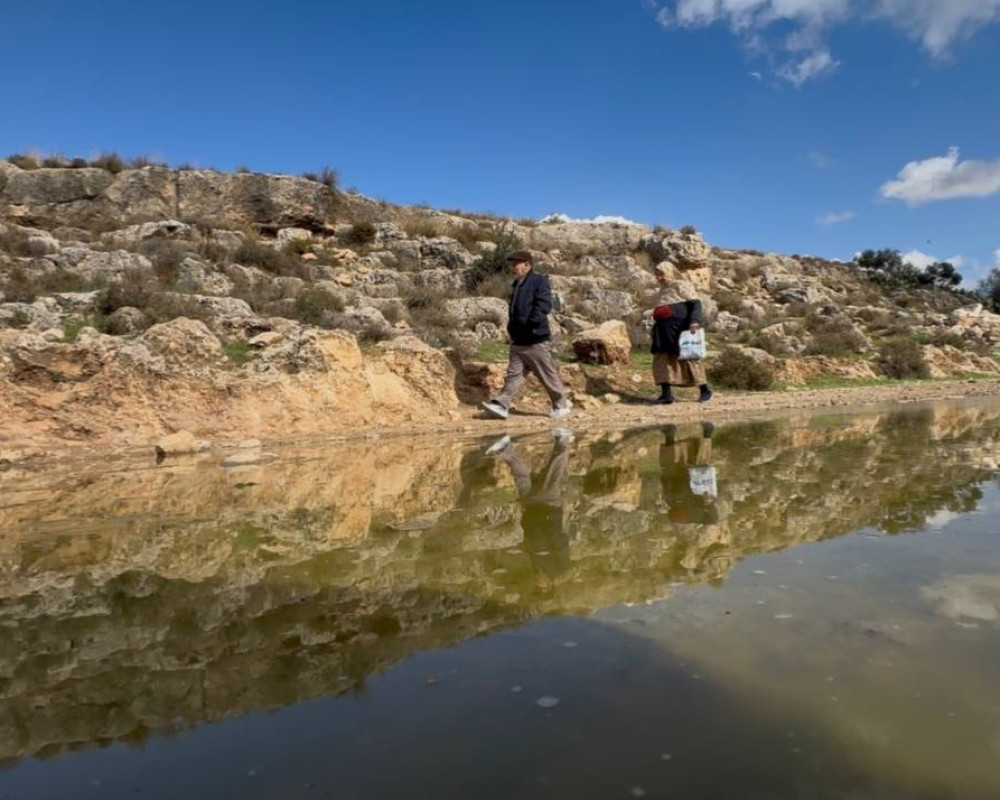
Residents of the village of Nahalin, west of Bethlehem, say their agricultural environment and natural water sources—particularly the historic Ein Faris spring—are deteriorating rapidly due to wastewater discharged from the Beitar Illit settlement, which overlooks the village. Locals describe the practice as “the most dangerous threat to their agricultural existence” in years.
Ein Faris and the surrounding farmland are facing a critical phase of environmental and agricultural degradation as a result of settlement activity, amid what villagers describe as an ongoing disregard for their rights and a lack of international accountability.
Villagers warn that the continued pollution threatens food security and the agricultural identity of Bethlehem’s western rural belt, urging international action to protect one of the region’s most vital natural resources.
Deliberate pollution targets a historic spring
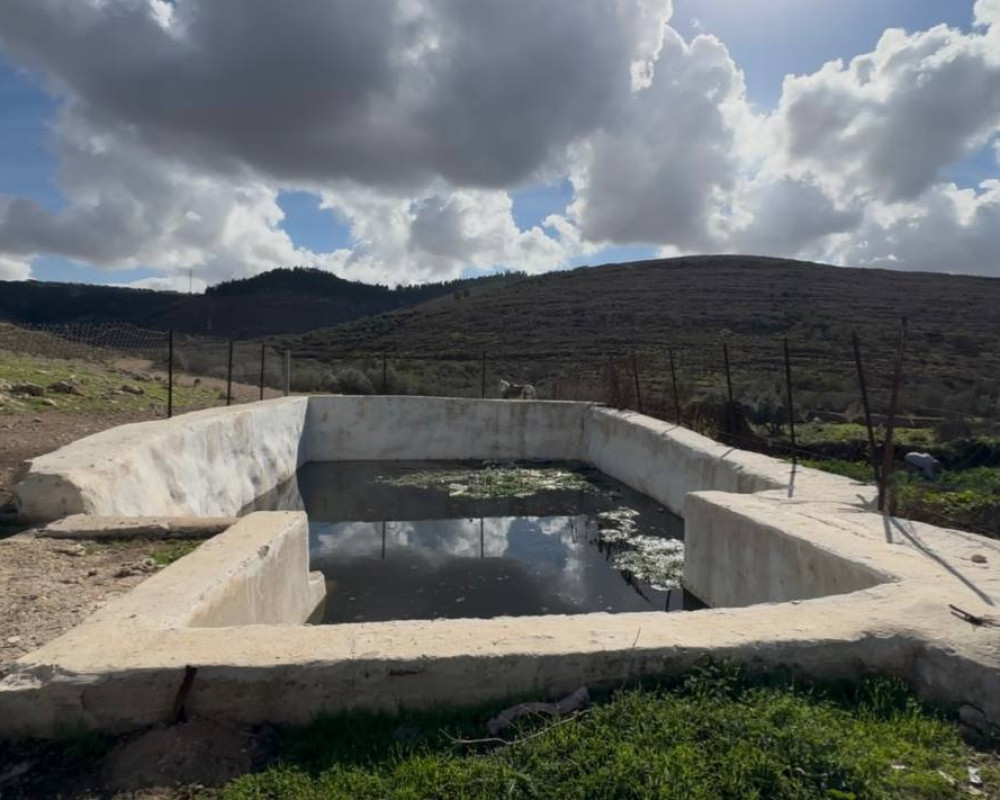
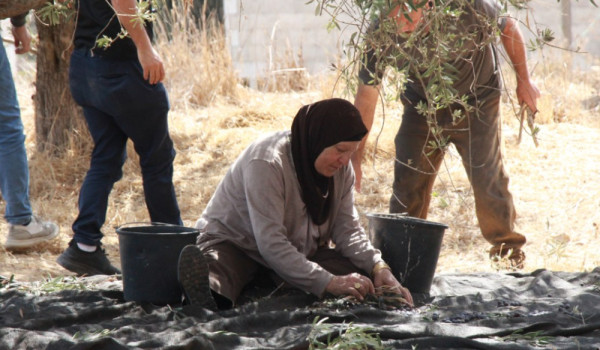
Farmers in Nahalin describe Ein Faris as the “lifeline” of local agriculture, long providing irrigation water for between 300 and 500 dunams of land planted with olives, almonds and vegetables. But the spring’s water has become contaminated and unfit for irrigation after years of wastewater discharge from the settlement, residents say.
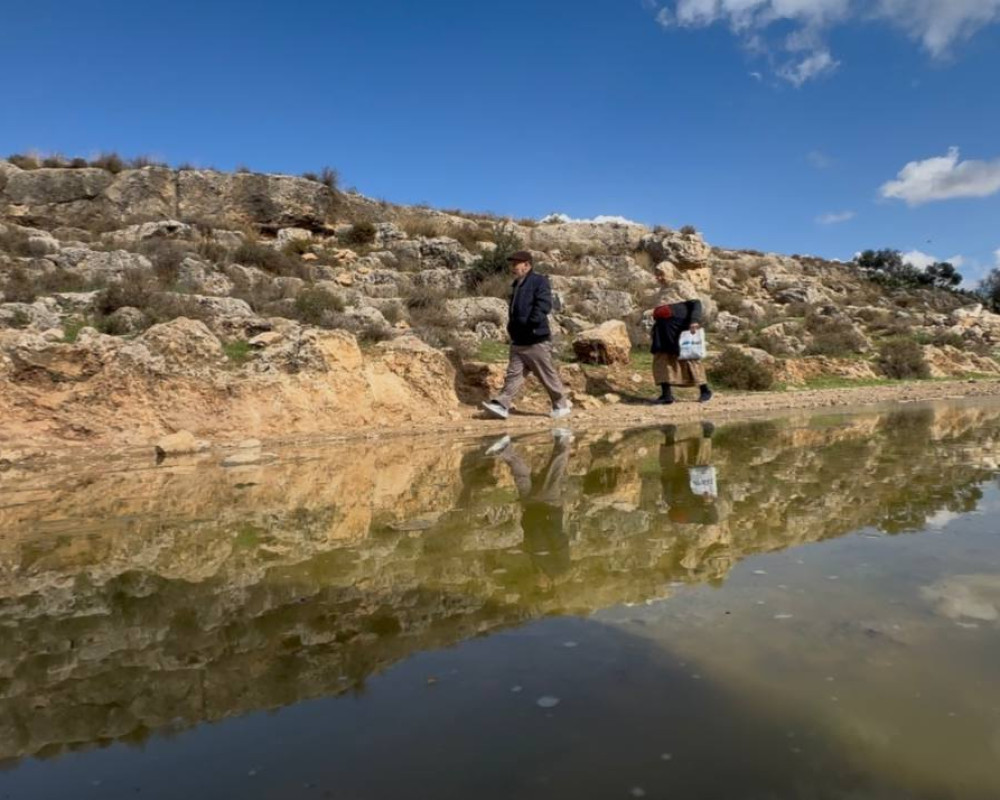
Farmer Mohammed Khaled Fanoun says his land no longer produces as it once did. “The water is no longer suitable for irrigation. Large areas of olive trees have been ruined. We go down once or twice a week, but things are getting harder with the restrictions and assaults,” he said.
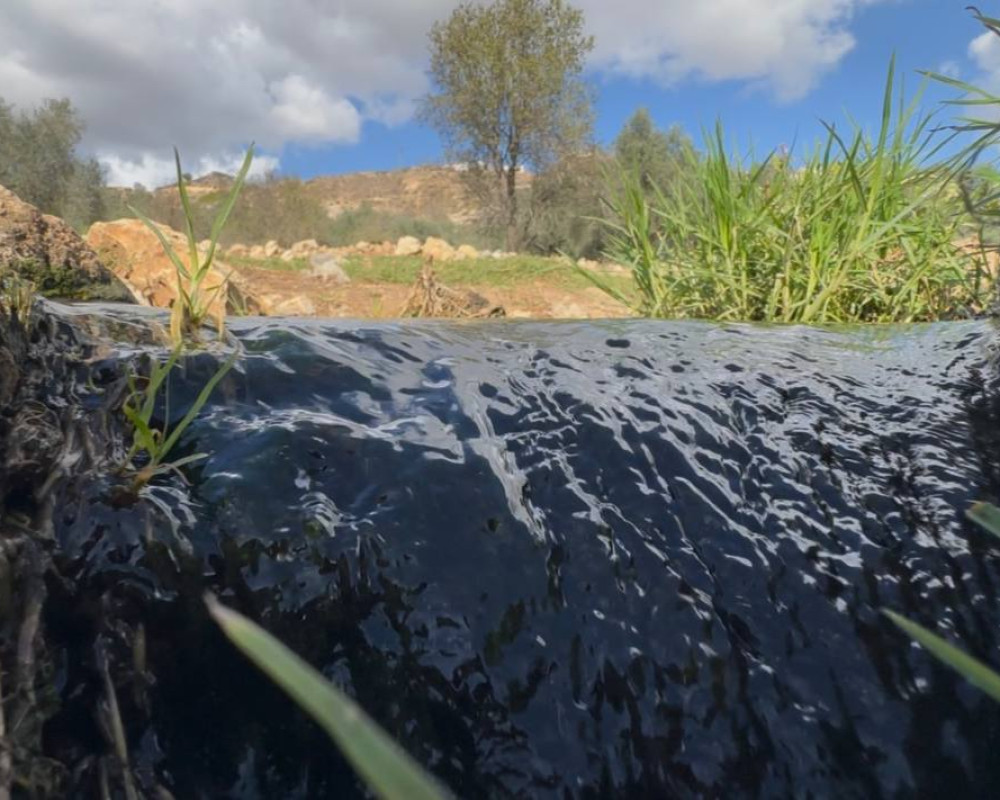
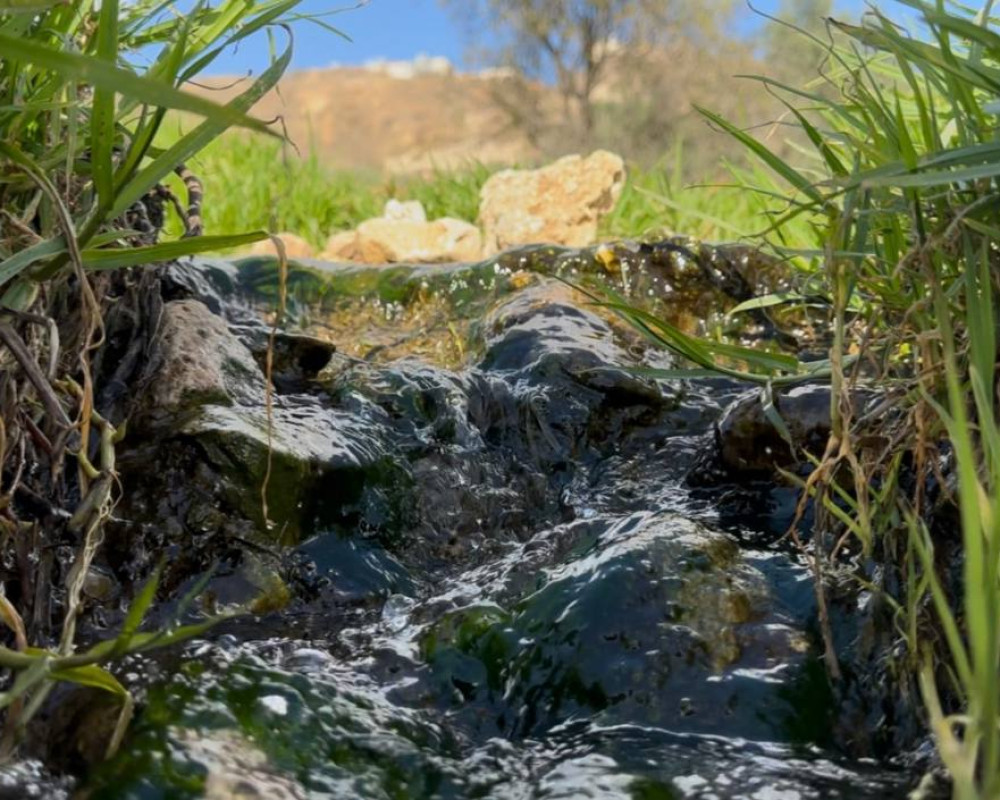
Residents report that the settlement releases sewage through two channels: one that seeps underground into the aquifer, and another that flows directly through the valley to the vicinity of the spring, causing foul odours, insect infestations and rapid soil degradation.
Widespread environmental and agricultural harm
Jana Hilal, director of the Water and Environment Unit at ARIJ, says Ein Faris has become “a living example of the occupation’s attacks on Palestinian water sources.” She notes that Israel and its settlers have taken full control of 30 out of 56 Palestinian springs in the West Bank, depriving Palestinians of a fundamental natural right.
“Beitar Illit settlers are pumping wastewater towards Ein Faris, contaminating it and destroying agricultural land. Farmers—especially women—are the most affected by this direct assault,” she said.Nahalin Municipality says the ongoing pollution has increased soil salinity and damaged large areas of olive groves and vegetable crops, causing a sharp drop in agricultural output and depriving dozens of families—particularly women working in agriculture—of their main source of income.
Restrictions on accessing farmland
Naeem Najajreh, acting mayor of Nahalin, says the six surrounding settlements—chief among them Beitar Illit—impose tight restrictions on farmers’ movement. “Residents are prevented from accessing their land, and anyone who approaches risks arrest or assault. The occupation has closed agricultural roads and erected earth mounds as a form of punishment,” he said.
He adds that the sewage discharge policy has “systematically destroyed farmland in an effort to push residents off their land and reduce the Palestinian agricultural presence.”
A threat to human rights and international law
A 2012 report by the UN Office for the Coordination of Humanitarian Affairs found that settlers had taken complete control of 30 Palestinian springs, depriving local communities of access in clear violation of international law and conventions related to economic, social and environmental rights.
Hilal says the assault on Ein Faris “constitutes a direct violation of the rights to clean water, food and a healthy environment,” calling on international bodies to “provide urgent protection for the spring and its residents.”
Local efforts to preserve the land
Despite restrictions, farmers continue clearing irrigation channels and rehabilitating their land whenever possible, while the municipality is working to build drainage infrastructure to divert contaminated water away from the spring.
Engineer Ali Ghiyatha says soil restoration is possible if pollution stops. “If the wastewater discharge ends, we can wash the soil, plough it and extend its agricultural life. The main problem is the ongoing assault,” he said.
Expressing steadfastness, villager Umm Mousa, Fahiema Issa Ghiyatha, said: “This land is ours and will remain ours—whether they like it or not.”
Calls for protection and rehabilitation
Residents, along with rights groups, are calling on the international community to stop the discharge of settlement wastewater onto farmland, ensure farmers’ access to their land and rehabilitate the damaged areas. They also stress the need for strengthened documentation and legal support to protect farmers’ rights.
This report is part of an advocacy project aimed at raising international awareness about water management issues and settlement violations targeting springs in Bethlehem Governorate.
The report implemented by the Applied Research Institute – Jerusalem (ARIJ) with support from the Heinrich Böll Foundation.
The views expressed do not necessarily reflect those of the supporting institution.
Executive Producer: Palestine News Network PNN