BETHLEHEM, West Bank / PNN /
The idea for Um Eyad’s small business grew out of the difficult economic circumstances facing her family and her and her husband’s desire to create an additional source of income to help meet the rising costs of living.
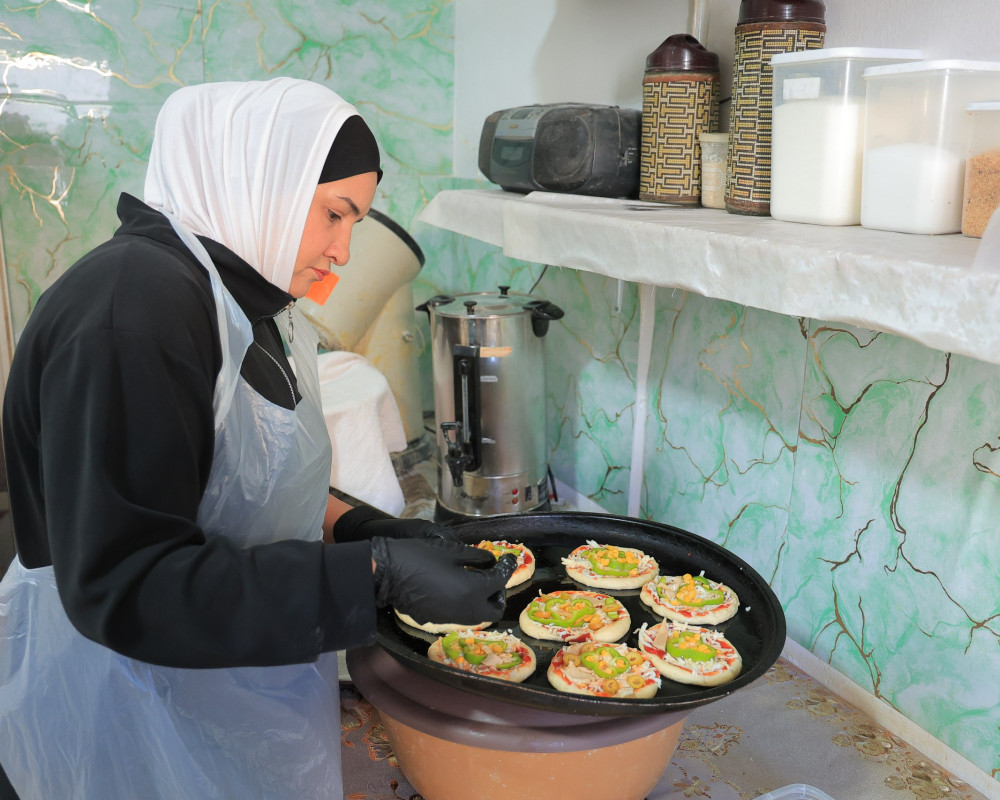
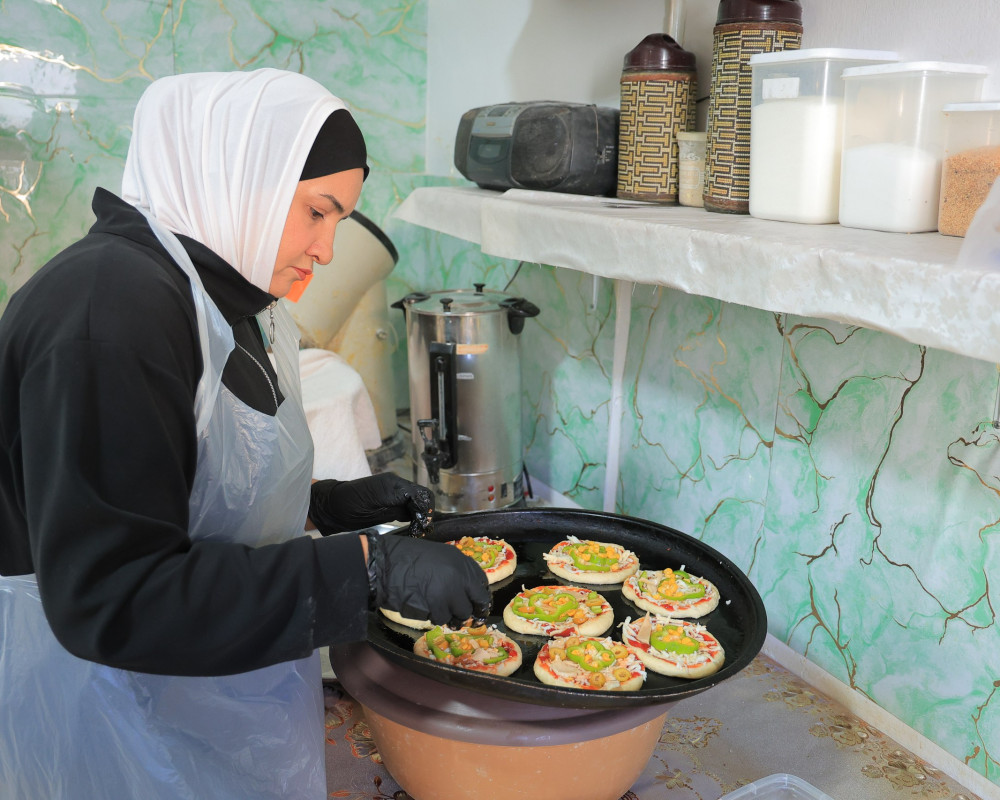
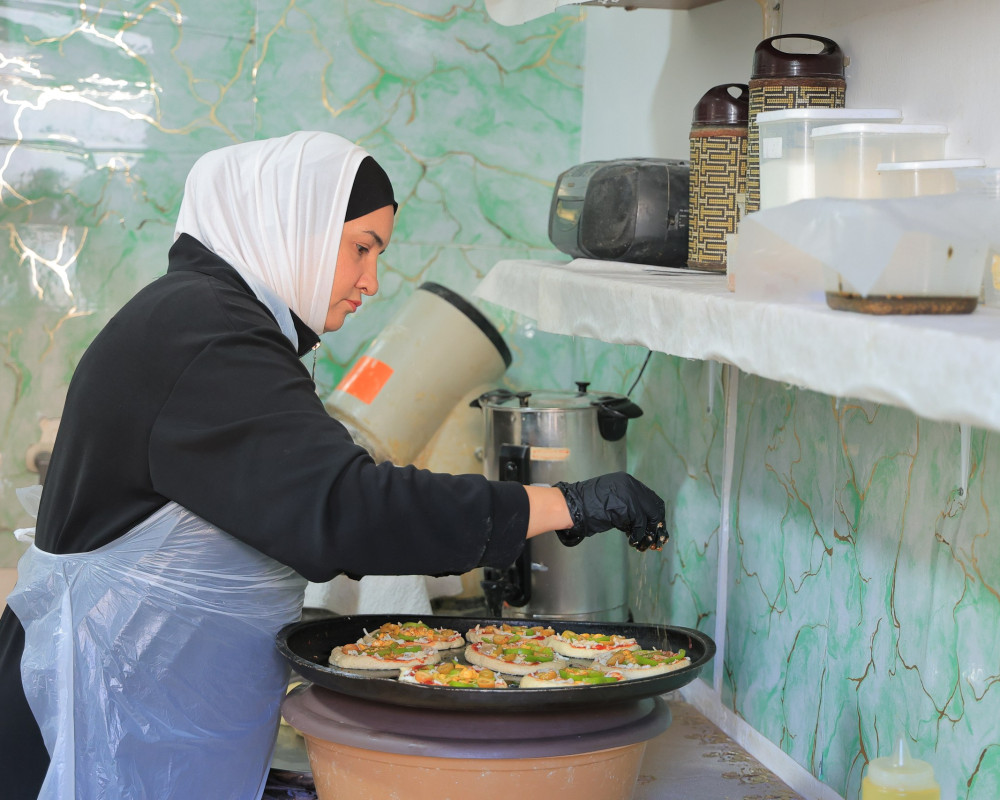
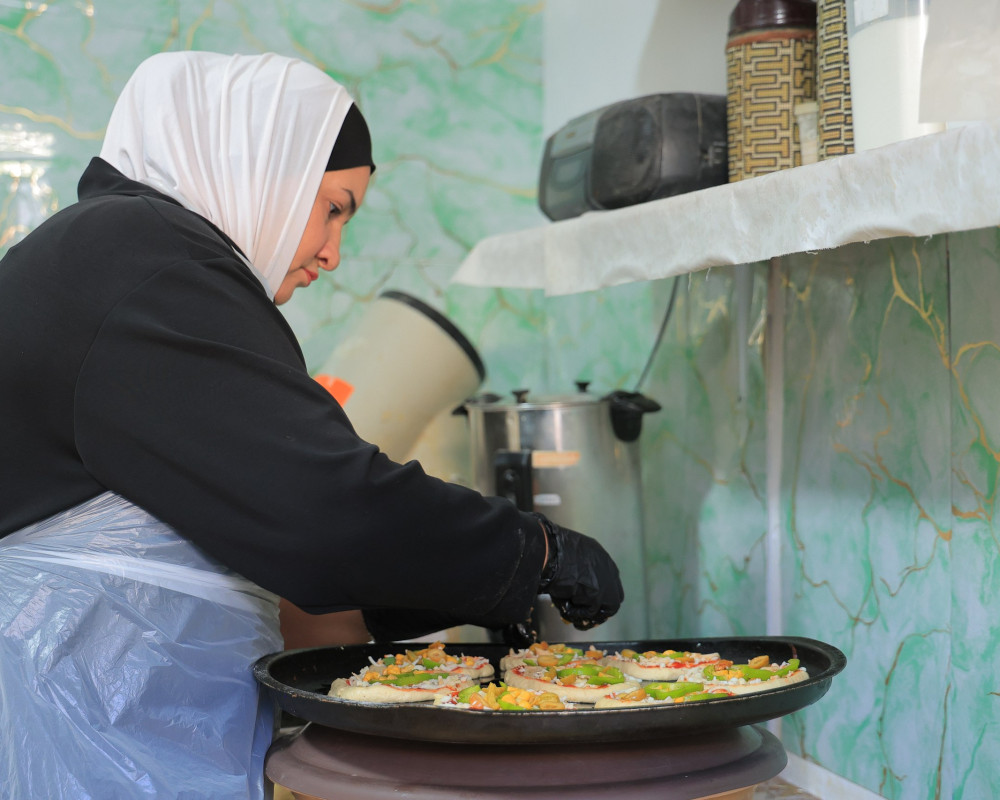
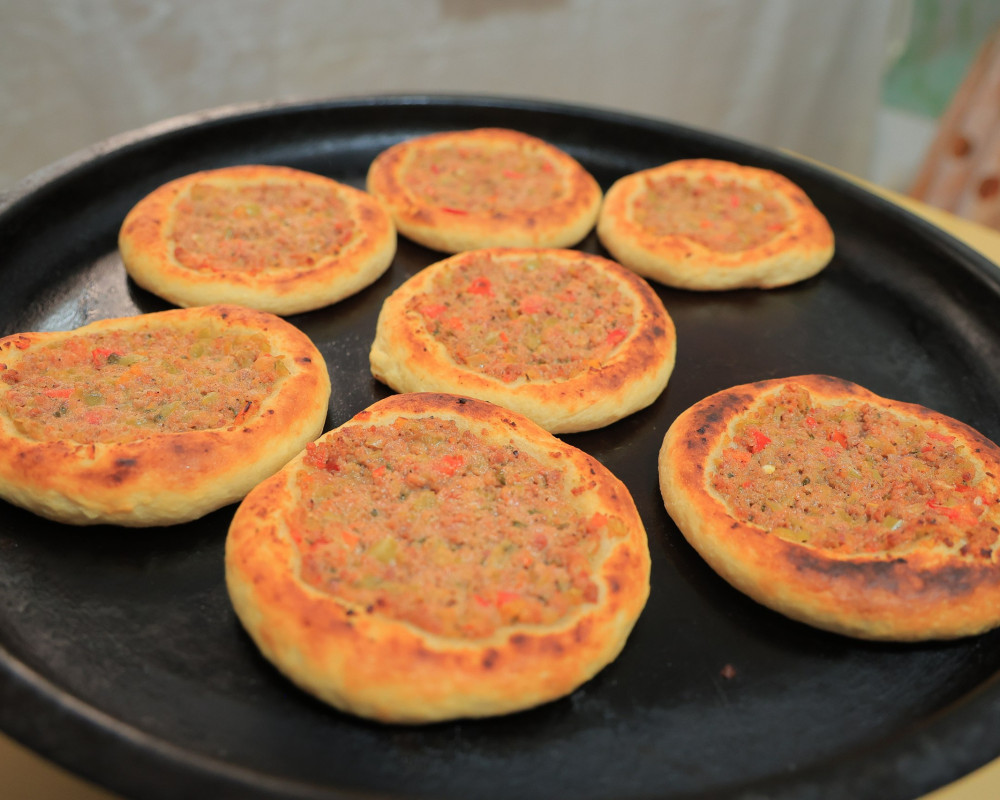
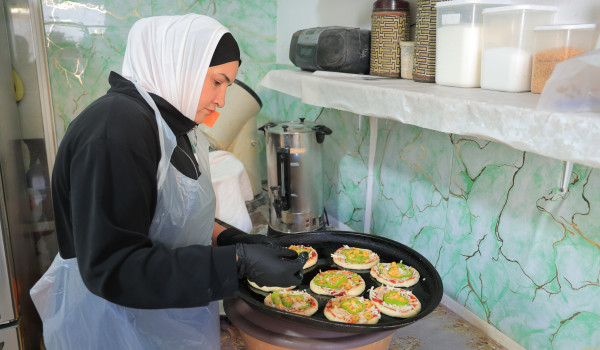
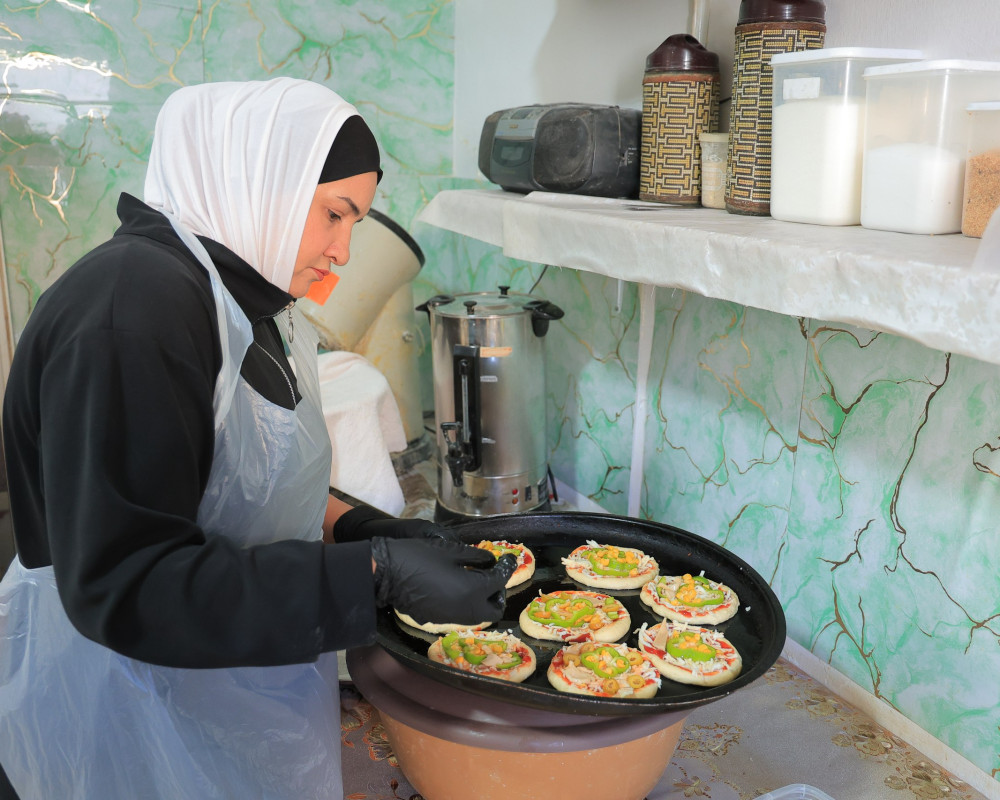
Drawing on years of experience preparing pastries and sweets, Um Eyad began considering how she could turn her skills into a small business that could help improve her family’s financial situation.
She said the encouragement of family members and friends played a key role in her decision to start the project. Those around her had noticed the quality and presentation of her work and repeatedly encouraged her to establish her own business and expand her production.
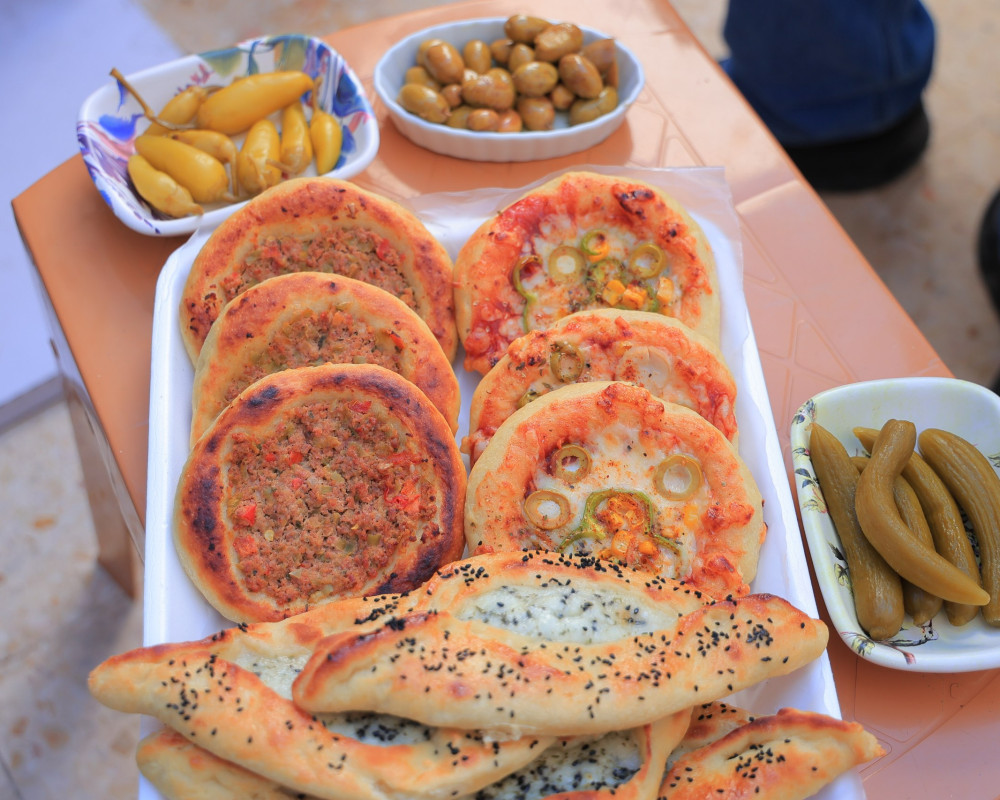
Um Eyad initially began by taking individual orders before moving into distribution, supplying her products to local shops in an effort to expand her reach and attract more customers. She also began supplying a number of shops and hospitals, while seeking to reach schools and universities through her distribution activities.
At the beginning of the project, Um Eyad managed to supply about 15 shops. She continued until the COVID-19 pandemic brought new challenges and forced her to suspend operations for a period before resuming once conditions improved.
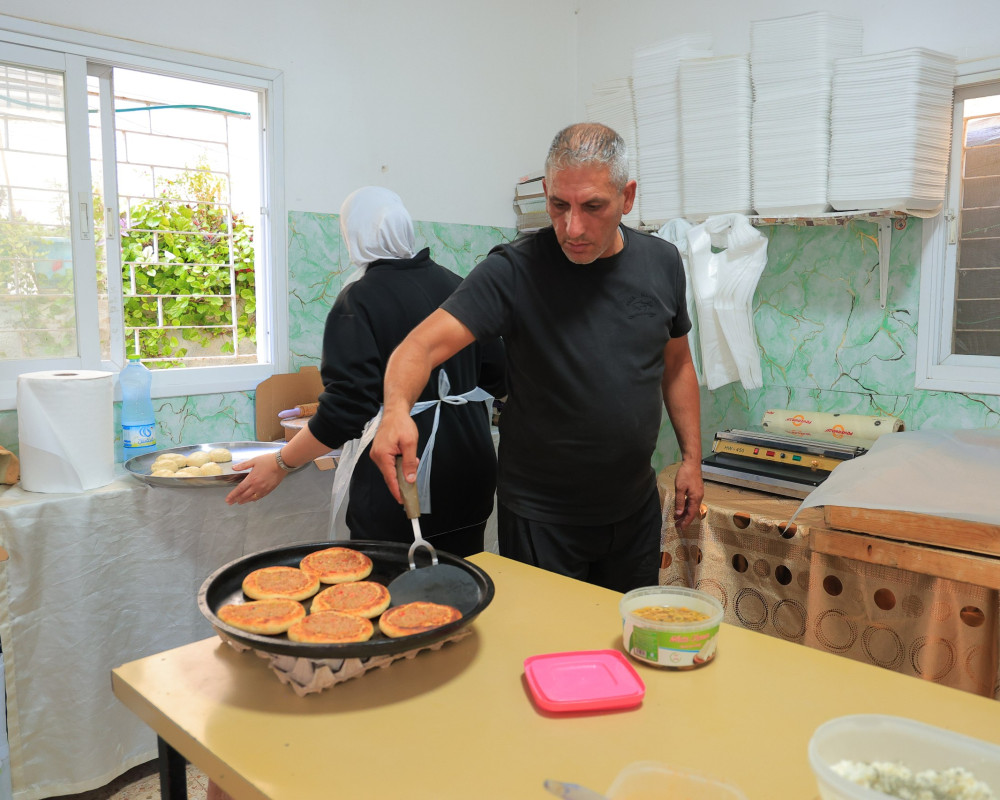
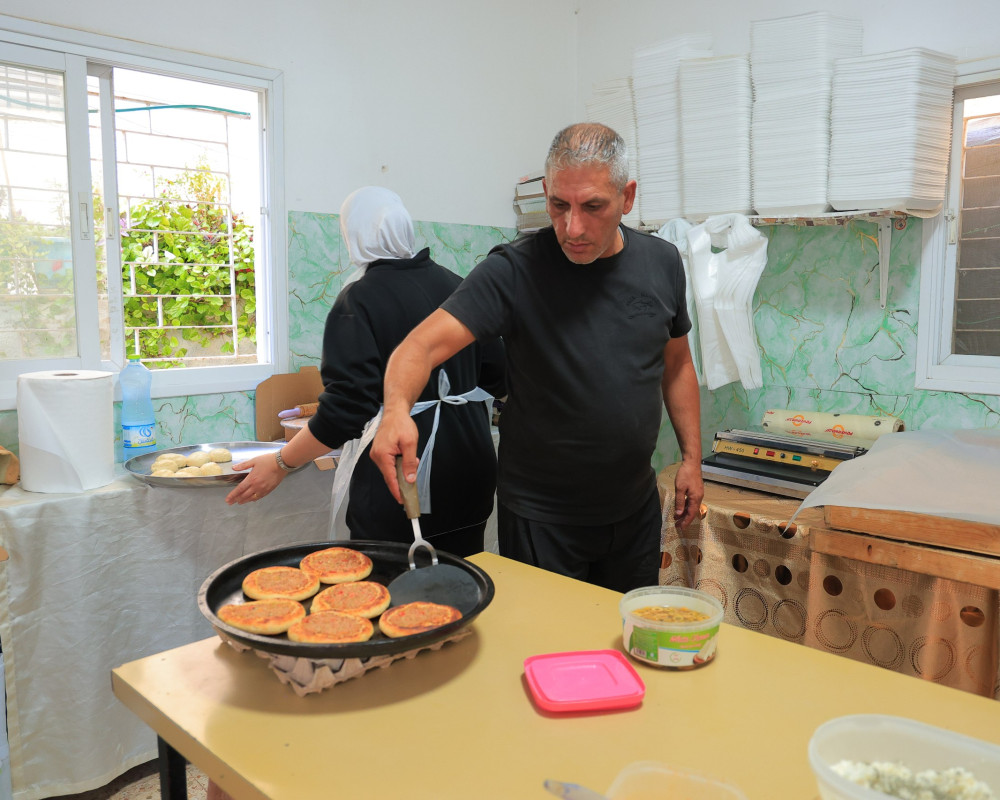
When work resumed, Um Eyad was not managing the project alone. Her husband and children became involved in different stages of the business, from preparing and packaging the products to helping fulfil orders. The project gradually evolved into a family enterprise, with family members working together to keep it running and help it grow.
War increases the burden
With the outbreak of war and the worsening economic situation, Um Eyad faced a new challenge: her pastry business became the family’s main source of income as her husband was no longer able to provide the same level of support as before.
She said the project became the family’s only source of income during this period, making her even more determined to keep it going despite the difficulties she faced.
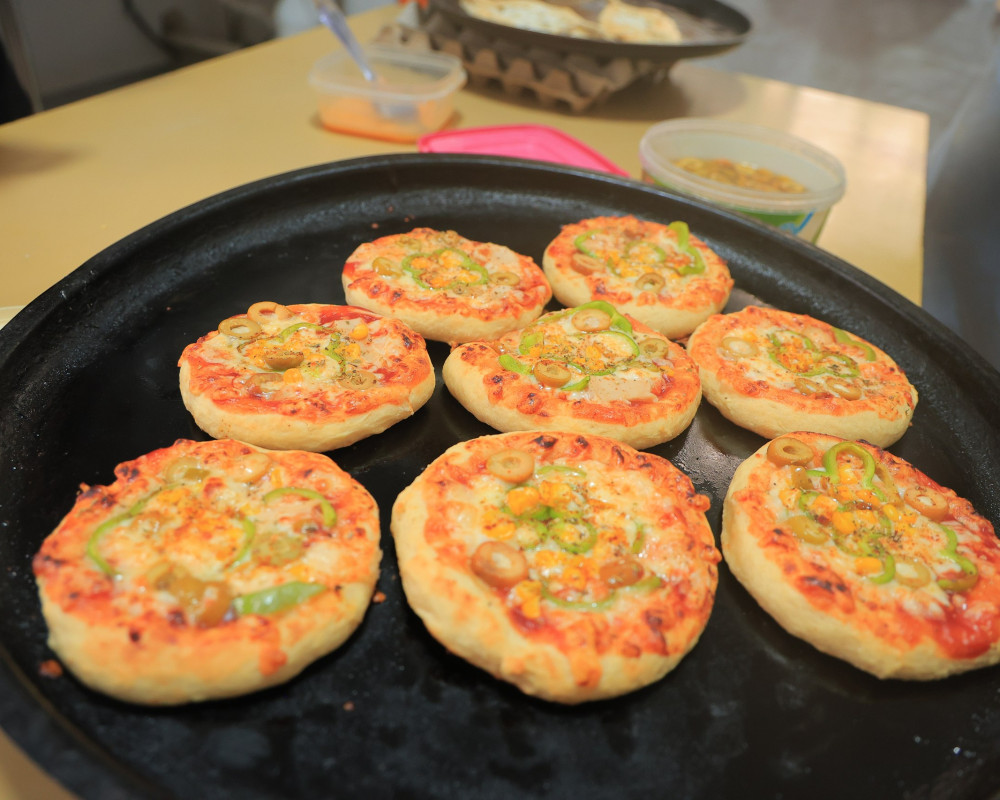
Rather than give in to the economic pressures, Um Eyad worked to expand her business and diversify the orders she accepted. She began preparing pastries and sweets for a range of occasions, including weddings, birthday parties and private celebrations.
The expansion helped raise awareness of the business. Over time, she built a customer base that relied on her products for different occasions, helping the project survive despite the difficult circumstances.
Looking to expand
Um Eyad hopes to develop the business further in the coming period, increase production and reach more customers. She said keeping the project operating is important to her and her family because it has become a source of income they depend on.
She also called on relevant institutions to pay greater attention to small businesses and provide support to their owners, particularly women-led enterprises. Such support, she said, should not be limited to financial assistance but should also include encouragement, emotional support and practical backing.
Um Eyad said her experience reflects that of many women who have started small businesses in refugee camps and villages in an effort to provide an income for their families and improve their economic circumstances. She stressed the importance of supporting such enterprises so their owners can keep operating and expand their work.
Despite the challenges she has faced — from the COVID-19 pandemic to the deteriorating economic situation and war — Um Eyad said her business remains open and that she is determined to continue working and developing it, hoping it will grow in the coming period and become better able to meet her family’s needs.
For Um Eyad, the experience is ultimately about continuing to work despite adversity. She remains confident in her business’s ability to survive and grow, while hoping that small businesses, particularly women-led enterprises, will receive greater attention and support to help their owners overcome difficult circumstances and continue producing.
This video was produced as part of the Media Support in Times of Crisis project, supported by the Palestinian Network and implemented in cooperation with Palestine Journalism Hub.