GAZA CITY, Gaza Strip / PNN /
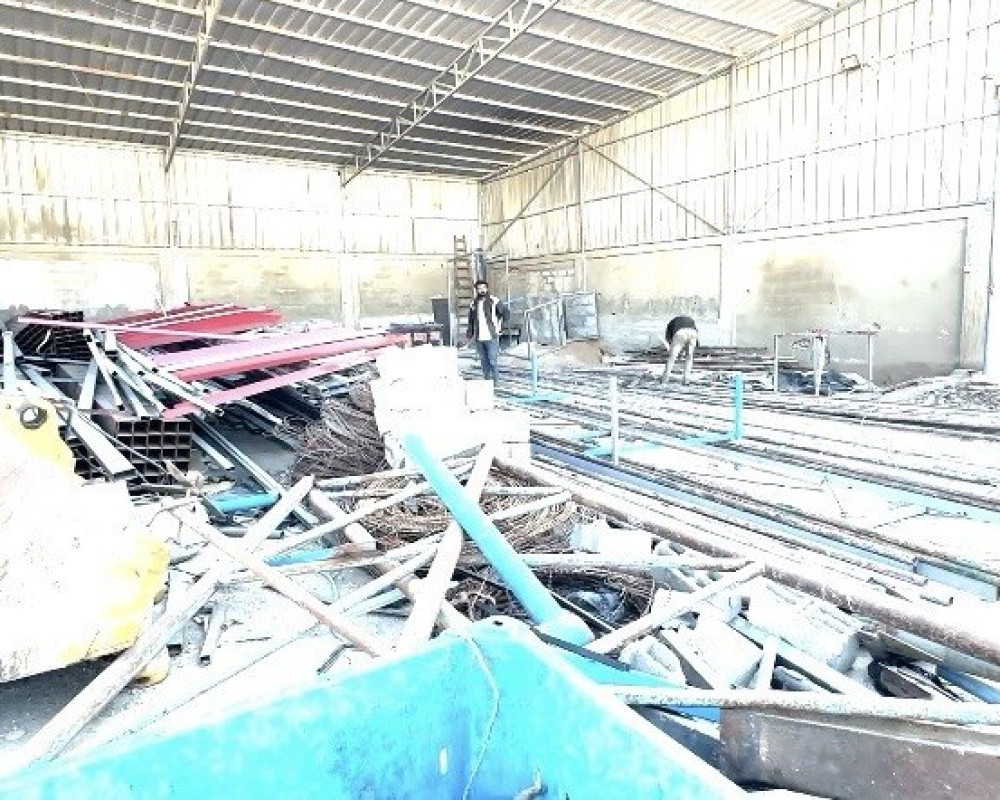
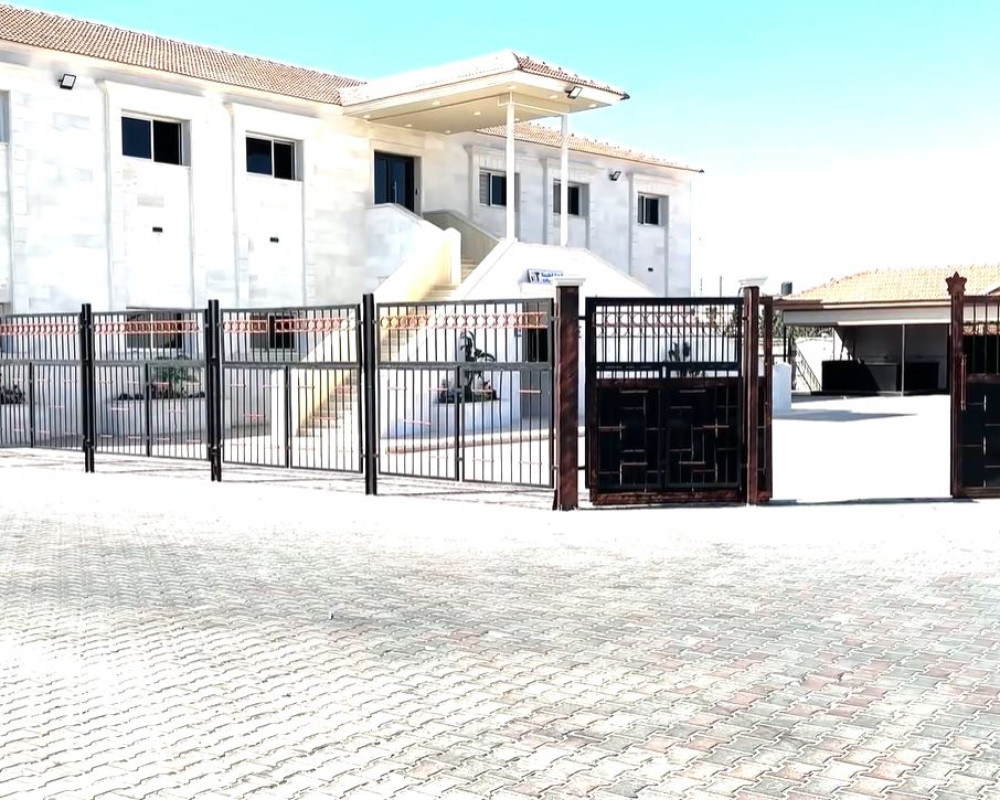
Amid a severe shortage of construction materials and widespread destruction caused by the war in Gaza, engineers working on a building for the World Food Programme have turned to unconventional solutions, salvaging steel from damaged structures and reusing stone and other materials recovered from the rubble to construct a facility serving humanitarian organisations operating in the territory.
Awni Ahmed Sharaf, the engineer supervising the project, said the building was designed for the World Food Programme, a humanitarian and relief organisation providing assistance to Palestinians amid Gaza’s difficult humanitarian conditions.
Sharaf said the project was carried out by Al-Rimal Al-Tayba Co. as part of efforts to provide prefabricated shelters and facilities for humanitarian organisations serving Gaza’s population.
He said the original plan was to construct the building using stone and metal sheets, but the scale of destruction across Gaza had made most basic construction materials unavailable.
Many buildings and facilities previously used for storage had also been heavily damaged or destroyed, prompting the team to search for materials that could be salvaged and reused.
After consultations with the company’s general manager and adviser, Younis Abu Mahdi, the team agreed to construct the building using steel frames and metal profiles, while designing it to resemble traditional residential buildings made of concrete.
Sharaf said the war had severely disrupted access to construction and finishing materials, including cement and stone. The team therefore salvaged steel from damaged buildings and rubble and reused it as the building’s structural framework.
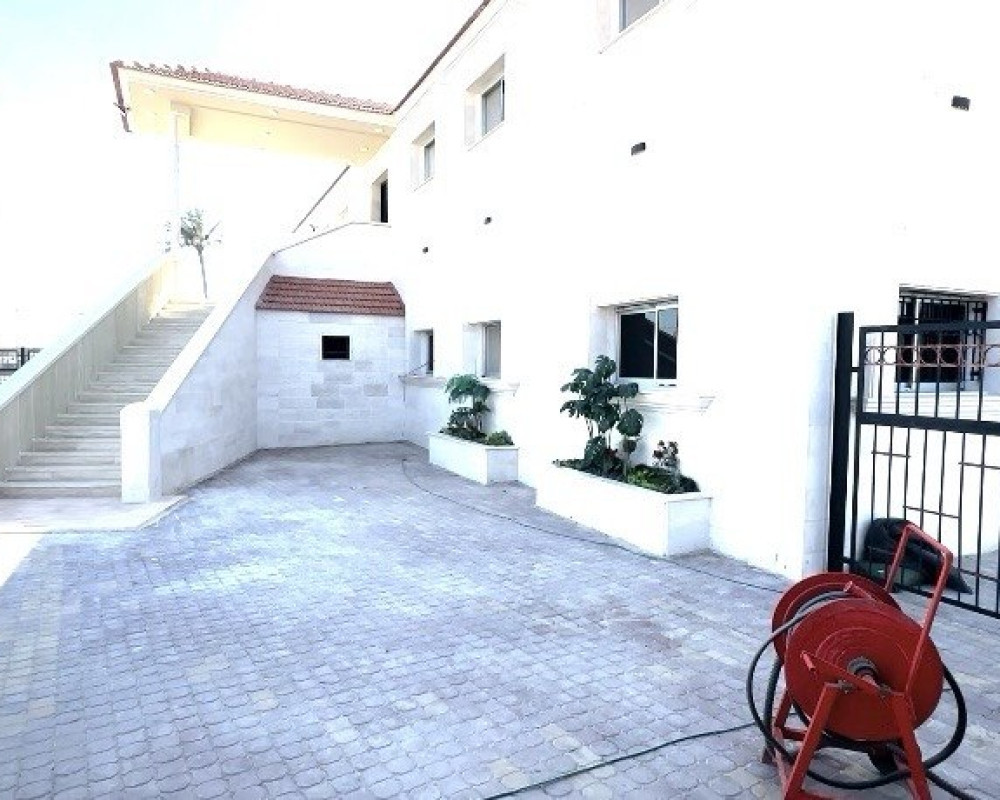
To give the exterior a distinctive architectural appearance, the team used Jerusalem stone recovered from damaged buildings and structures. The stone was reinstalled on the steel frame using a specialised engineering system, with metal angles and supports connected to the building’s internal structure.
Inside the building, the team sought alternatives to drywall, which has become scarce and difficult to obtain in sufficient quantities in Gaza.
Sharaf said the team used large panels measuring 80 by 160 centimetres, along with aluminium materials that had been stored or left unused, some of which had been damaged during the war.
The aluminium was shaped into U-shaped and inverted-U profiles, allowing the pieces to serve as a fastening system for the panels from above and below and extending toward the ceiling. This enabled the team to complete the interior finishing using available and repurposed materials rather than relying on new construction supplies.
Sharaf said the finished building initially appears to be a modern facility with little indication of the difficult circumstances from which its materials were recovered.
He said people who see the building often ask how such a structure could have been built in Gaza, describing the project as an example of how debris and materials recovered from destroyed buildings can be recycled and transformed into a new facility serving humanitarian work.
With Gaza facing widespread destruction and an acute shortage of construction materials, restrictions on construction have forced engineers and contractors to seek alternatives by reusing available resources and drawing on the expertise of local engineers and skilled workers.
Against that backdrop, Al-Rimal Al-Tayba Co. carried out the project to prepare a site supporting the World Food Programme’s operations, using materials salvaged and recycled from damaged buildings and structures.
Yousef Abu Mueiliq, the company’s executive director, said the company has implemented several projects in cooperation with U.N. organisations, providing them with facilities and logistical services, including for the World Food Programme.
The project includes warehouse space, truck parking areas and maintenance facilities, as well as an administrative building that serves as its main component, Abu Mueiliq said.
He said the original plan called for the building to be constructed using alternatives to cement, which was unavailable, with a steel frame covered by metal sheets.
But after the steel structure was completed, the team discovered that metal sheets were also unavailable, forcing them to find another solution.
The alternative was a mechanical construction system that combines a steel frame with external facades and cladding, a method widely used in countries around the world, Abu Mueiliq said.
Because the composite or aluminium panels normally used for such systems were unavailable, the team turned to Jerusalem stone as an alternative.
Some of the stone was purchased, while the team searched for additional quantities in damaged homes and buildings, recovering, collecting and reusing the material to cover the building’s exterior.
Abu Mueiliq said reinstalling the stone was not an easy task because each piece had a different shape and distinctive characteristics, requiring considerable work by engineers and skilled craftsmen to assemble and fit the pieces to the building’s facade.
Inside the building, the team relied on surplus materials stored in warehouses, particularly unused aluminium, which was repurposed for interior partitions instead of finishing materials that are difficult to obtain under current conditions.
Abu Mueiliq said the project was more than an effort to overcome the shortage of construction materials. It also demonstrated the ability of local professionals to develop innovative solutions under extremely difficult circumstances.
He said the work carried out by the engineers and craftsmen sends a message to the world that, if opportunities are available, crossings are opened and supply chains are restored, Gaza has the local expertise needed to rebuild itself through its engineers, skilled workers and other professionals.
The building has therefore become more than a service facility. It represents a small-scale example of locally driven reconstruction, turning remnants of destroyed buildings and unused materials into new components for facilities supporting humanitarian work in Gaza.
This video was produced with financial support from CFI, Expertise France and the European Union. The content of this document is the sole responsibility of the beneficiary and may not, under any circumstances, be considered to reflect the views or position of CFI, Expertise France or the European Union.