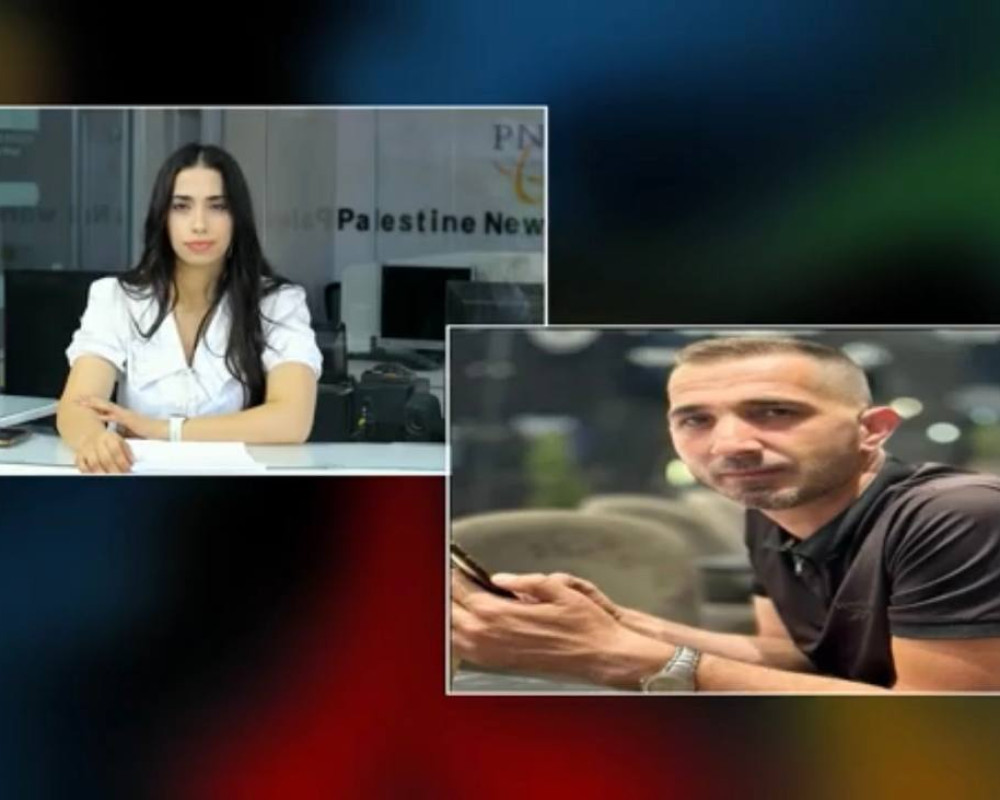
BETHLEHEM, West Bank (PNN) —
Palestine News Network (PNN), as part of its cooperation with the Palestine Press Workshop, has launched a new television programme, “PNN Accountability,” focusing on stories from the lives of Palestinian citizens and their everyday needs.
This episode examined two issues closely linked to the right to safety, dignity, protection and care. The first focused on the escalation of home demolitions and displacement in Masafer Yatta and their impact on Palestinian families determined to remain on their land despite difficult circumstances. The second addressed the needs of children with disabilities and their families, highlighting the importance of providing protection, support, care and rehabilitation services tailored to their individual needs.
The first segment focused on the escalation of demolitions in Masafer Yatta and the direct threat they pose to Palestinian homes and other structures, as well as their impact on families living in the area and seeking to remain on their land.
Mohammad Darwish of the Palestinian Wall and Settlement Resistance Commission told “PNN Accountability” that more than 20 demolition notices and orders have been issued since August, leading to the displacement of entire villages and communities, including Al-Deirat, Al-Taban, Khirbet Al-Fakhit and Mughayir Al-Obeid.
Darwish said the commission provides legal assistance to residents through lawyers from the West Bank and Palestinian citizens of Israel, as well as teams working to support families’ ability to remain on their land and follow up on demolition orders before the courts.
He said the demolitions are taking place within the context of settlement expansion plans and efforts to impose a new reality in the area. He added that the commission works with municipalities and rights organisations to help meet residents’ needs and strengthen their ability to remain on their land.
Darwish called for increased support for Masafer Yatta, warning that continued demolitions and displacement could eventually empty the area of its residents. He said the immediate priority is to protect residents and enable them to remain on their land.
The second segment addressed the right to protection, support and care through the story of a father facing difficult living conditions while raising three children with disabilities who require continuous care and rehabilitation.
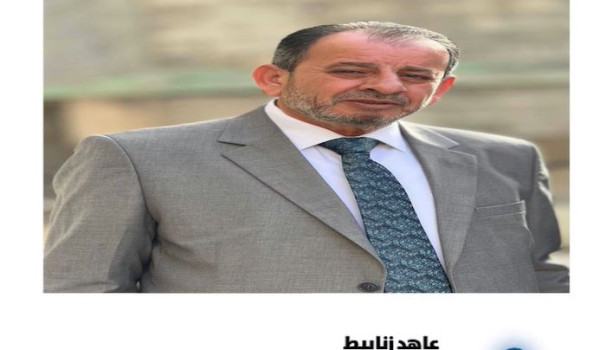
Odeh Obeidat of the Arab Rehabilitation Society’s Community-Based Rehabilitation Department said the organisation provides comprehensive services to children and people with disabilities, including rehabilitation and support services. He said the process begins with an individual assessment of each child’s needs and rehabilitation requirements.
The services may include assistive devices and equipment, therapeutic interventions, physical therapy, and medical and rehabilitation supplies, depending on each child’s condition and needs, Obeidat said. Following the assessment, cases are referred to specialised units within the organisation’s programmes or to other service providers.
He explained that rehabilitation pathways vary according to individual needs and are not limited to medical treatment. They can also include economic and social empowerment and community-based rehabilitation, with the aim of providing a comprehensive response for both the individual and the family.
The type of treatment and rehabilitation is determined through an assessment and may include physical therapy, occupational therapy, speech and language therapy, as well as psychological and social services. Assistive devices and other supplies may also be provided to help children improve their mobility, communication and ability to live more independently, he said.
Obeidat stressed that supporting children with disabilities cannot rely on a single service, but requires an integrated package of interventions tailored to each child’s needs and family circumstances, ensuring access to the care, rehabilitation and support they require.
“PNN Accountability” seeks to document citizens’ experiences, bring their concerns to the attention of relevant institutions and examine the responses and measures needed to address challenges affecting Palestinian communities.
Watch the full episode at the link below.