HEBRON, occupied West Bank – By PNN Staff
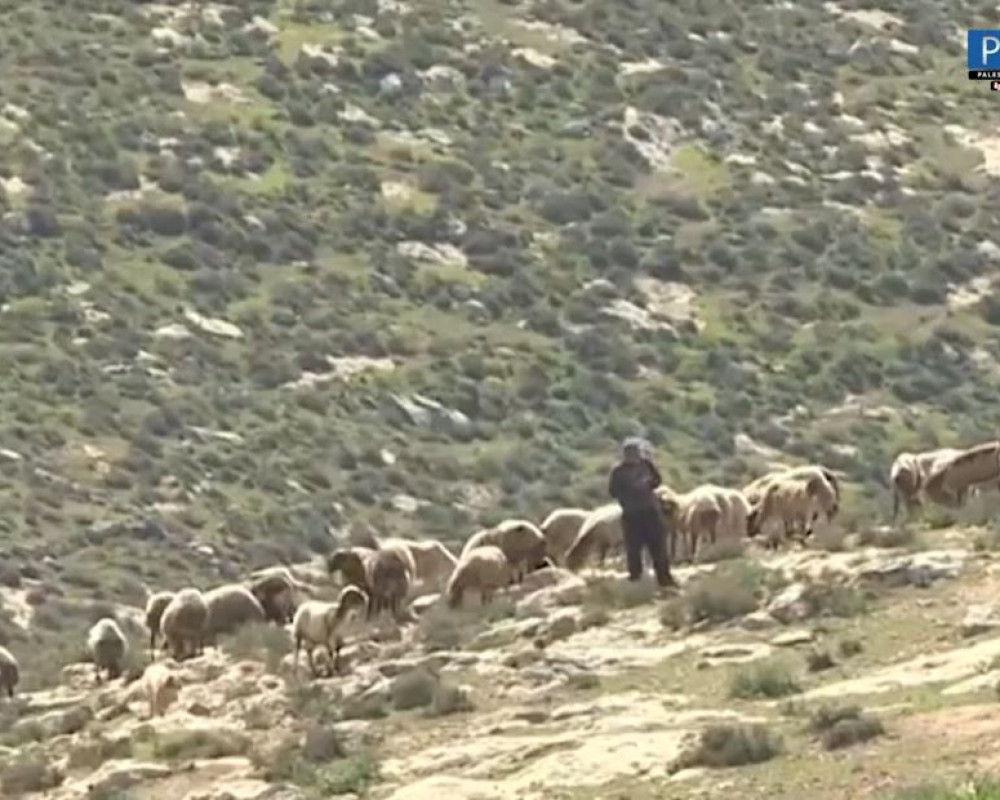
Palestinian shepherds in the rural communities of Masafer Yatta, south of Hebron, say organized thefts of livestock by Israeli settlers are escalating, threatening the only source of income for dozens of families and intensifying pressure on residents to leave their land.
Residents of Khallet Al-Amiri, one of the area's pastoral communities, say the thefts go beyond financial losses. They describe them as part of a broader pattern of attacks targeting the Palestinian livestock sector through violence, grazing restrictions and repeated raids that undermine their ability to remain in the area.
Local herders are urging the Palestinian government to provide greater support for the livestock sector, arguing that official assistance remains insufficient as they confront mounting economic and security challenges.
Livestock Under Increasing Pressure
Palestinian livestock breeders across the occupied West Bank have faced growing difficulties in recent years, including shrinking grazing areas, soaring feed prices and repeated attacks by Israeli settlers.
Residents say those attacks range from harassment of shepherds and physical assaults to confiscation and theft of livestock, leaving many families struggling to survive.
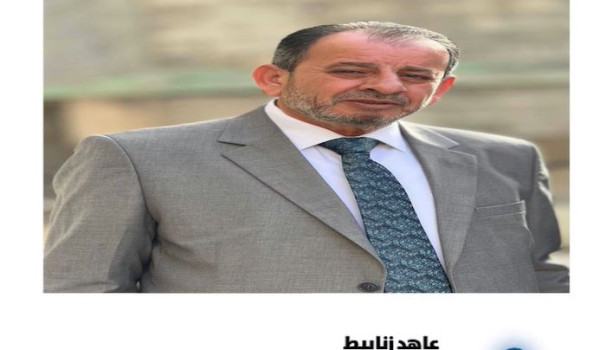
Khalil Ismail Al-Adra, a resident of Khallet Al-Amiri, said groups of Israeli settlers have carried out what he described as organized nighttime raids targeting both shepherds and their flocks.
According to Al-Adra, the operations are conducted systematically and under the protection of Israeli forces.
"They Came After Midnight"
Al-Adra said the latest incident occurred around 1 a.m., when three or four settlers entered his property, opened the sheep enclosure and drove the flock toward a nearby valley leading to the vicinity of an Israeli settlement.
After discovering the theft, residents contacted Israeli police and military authorities but were told that no theft had been officially recorded.
Shortly afterward, local residents received information about the flock's location and organized a search.
"We searched for nearly an hour," Al-Adra said.
The community succeeded in recovering most of the flock, although several sheep remain missing.
He estimated that approximately 200 sheep had been taken during the raid before residents managed to recover the majority.
"Our Sheep Are Our Life"
Al-Adra said livestock represent far more than property.
"For us, sheep are our livelihood," he said. "They are our capital. Losing them means losing our lives."
He said most families in the area rely almost entirely on sheep farming because employment opportunities are virtually nonexistent and alternative sources of income have largely disappeared.
According to Al-Adra, settlers are deliberately targeting the livestock sector in an effort to eliminate Palestinians' means of survival and force them to abandon their land.
"They want to destroy our livestock and drive us from our homes," he said.
Appeal for Government Support
Al-Adra called on the Palestinian government to strengthen support for communities living in pastoral areas, saying livestock breeders have become a primary target of settler attacks.
He urged authorities to provide assistance that would help farmers protect and expand their herds, arguing that preserving the livestock sector is essential to maintaining the resilience of rural Palestinian communities.
Grazing Restrictions Deepen Crisis
Beyond repeated attacks, herders say their economic situation has deteriorated because access to traditional grazing land has become increasingly restricted.
Al-Adra said shepherds once relied almost entirely on natural pastures, purchasing feed for only two or three months each year.
Today, he said, most flocks depend on purchased feed throughout the year because shepherds are frequently prevented from accessing grazing areas.
The result has been sharply rising production costs and growing financial pressure on farming families.
"We Will Not Leave"
Al-Adra said taking sheep out to graze has become increasingly dangerous.
"A shepherd now feels as though he is committing a crime simply by trying to reach his own land," he said, describing repeated harassment by settlers and restrictions imposed by Israeli authorities.
Despite the pressure, he insisted residents would remain.
"If our sheep disappear, life disappears with them," he said. "But we will stay on our land. We will either live here or die here."
Livestock Seen as Key to Survival
Residents say the repeated theft of livestock reflects the broader reality facing Palestinian pastoral communities throughout Masafer Yatta, where sheep farming remains the primary—and often only—source of income for dozens of families.
With natural grazing land shrinking, feed prices rising and movement restrictions limiting access to pastures, local families say each attack further undermines their ability to survive.
Despite the escalating challenges, residents say they remain committed to their land and continue raising livestock as both a livelihood and a symbol of their resilience.
They are calling for greater protection, stronger support for the livestock sector and practical measures that would enable pastoral communities to remain on their land, arguing that safeguarding livestock means protecting not only their economy but also their continued presence in the area.
This report was produced as part of PNN's Media Support in Times of Crisis project in cooperation with the Palestine Journalism Hub.