BETHLEHEM, West Bank / PNN /
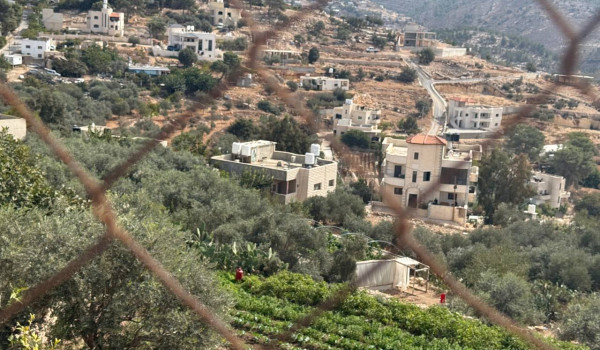
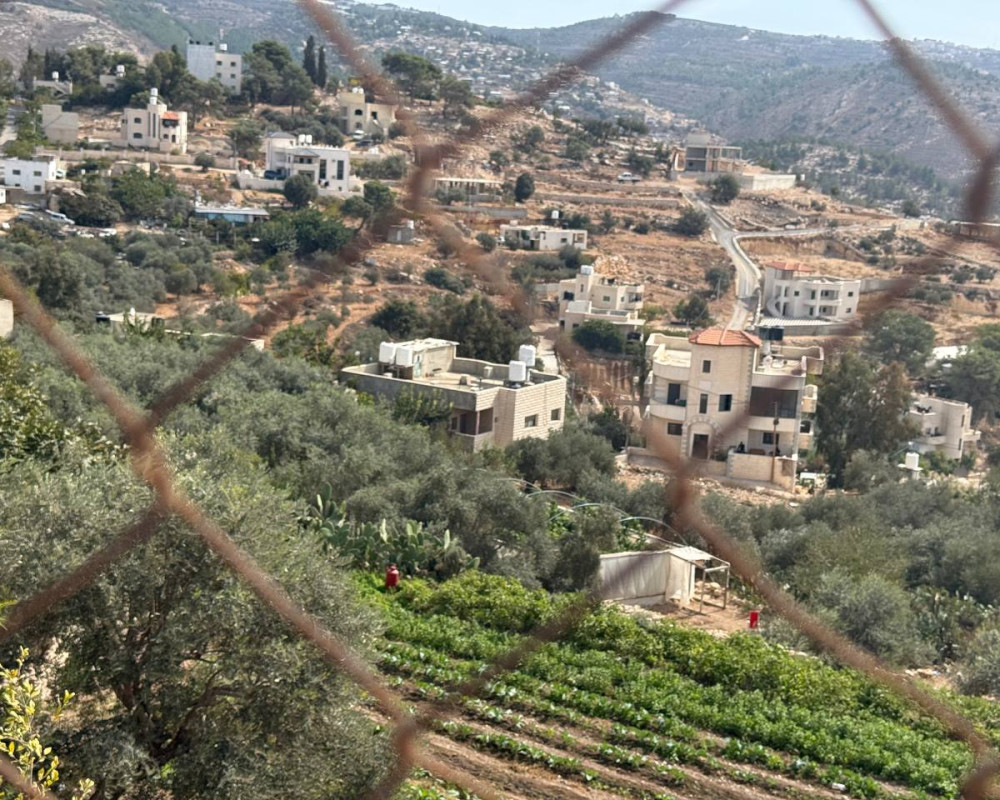
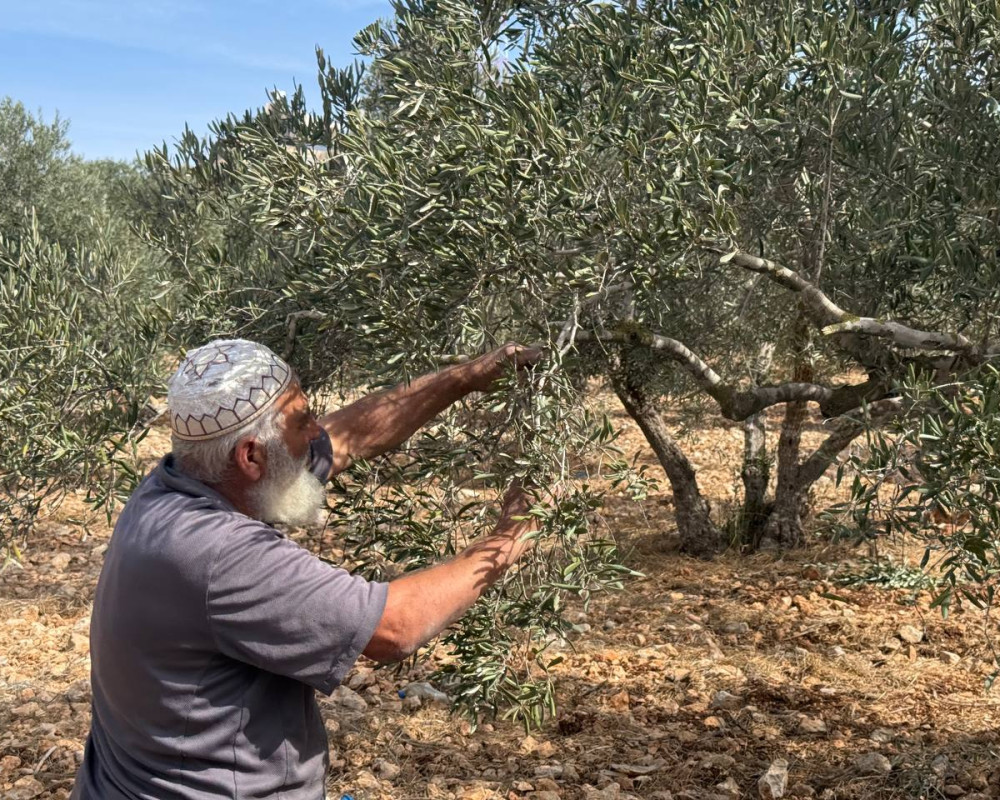
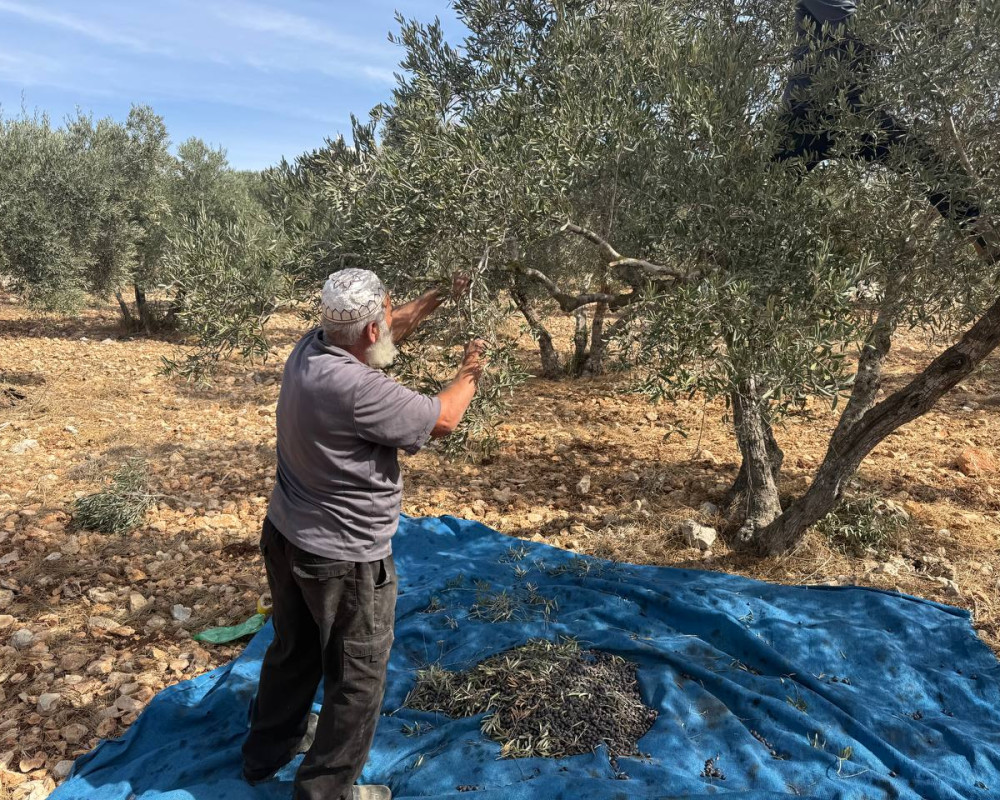
The olive harvest in the village of Al-Jab’a, west of Bethlehem, is no longer the season its residents remember. For generations, families gathered beneath the trees, with adults and children working side by side, sharing meals and tea as they picked the fruit. Today, reaching those same fields has become fraught with fear and danger. Many families are forced to leave olives hanging on the branches, unable to reach their land or protect their crops from theft and damage.
In Al-Jab’a, the story goes beyond a farming season in which much of the harvest has been lost. It is about families whose ties to their land span generations, and who now face the possible loss of their livelihoods, memories and connection to the place they call home. Road closures, gates, repeated attacks and restrictions on access to farmland have made it increasingly difficult for residents to reach their olive groves.
The film was produced by the Applied Research Institute–Jerusalem (ARIJ) as part of a programme documenting violations by Israeli forces and settlers against farmers during the olive harvest season in the Bethlehem governorate. and produced by Palestine News Network (PNN).
Farmers’ stories of resilience
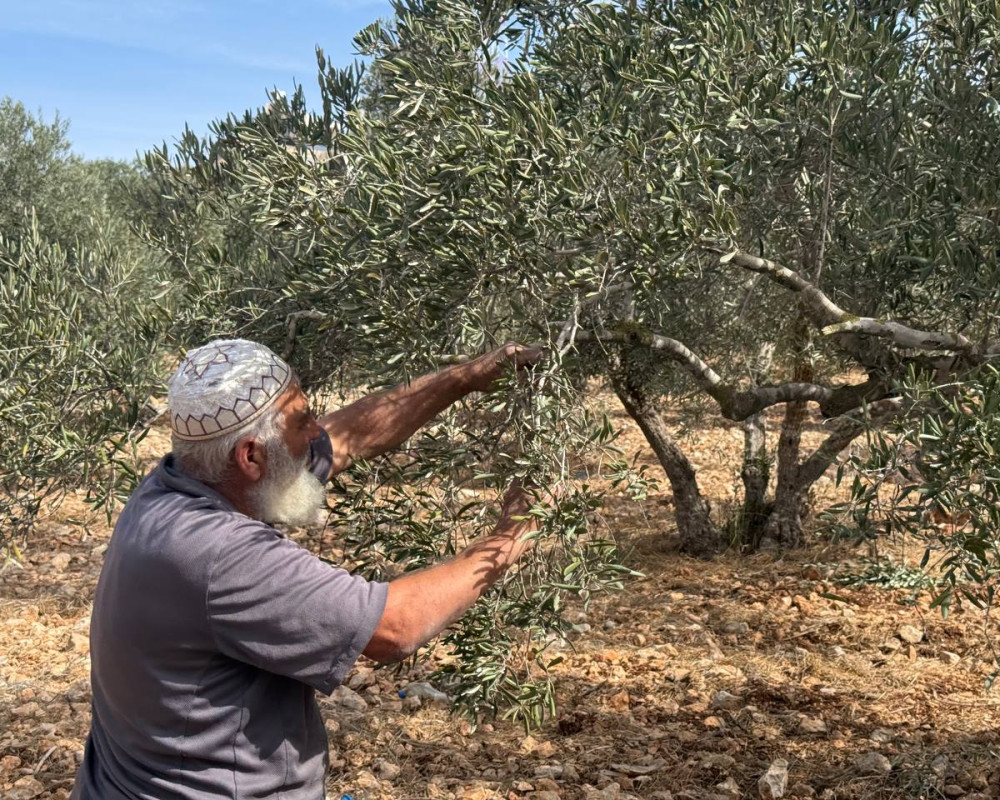
For 82-year-old farmer Ezzat Abu Latifa, the connection to his land began in 1964, when he and his father planted olive trees, three years before the 1967 war. Over the decades, the trees became more than a source of olives and oil. They became part of his family’s life and history.
Abu Latifa owns a plot of about 25 dunams (2.5 hectares), which once held approximately 350 olive trees. After years of caring for them, he says repeated attacks resulted in the destruction and uprooting of many of the trees. About 150 were uprooted, leaving roughly 200 still standing.
He recalls several attacks on his land. In 2012, settlers cut down trees using chainsaws. But he did not give up. He returned to the field, pruning, watering and tending the remaining trees until they recovered and began growing again.
The attacks resumed in 2016, when the trees were cut down again and substances he described as corrosive were poured on them, damaging and weakening them. Another attack, which he believes took place in either 2019 or 2021, involved uprooting trees and placing them in pits in the ground, leaving him unable to replant them.
Despite the damage, Abu Latifa still speaks of the olive trees that remain and continue to bear fruit. But he can no longer reach them or care for them as he once did, fearing he could be attacked or forced to leave.
He says even thinking about going to his land fills him with sadness. The trees he planted and nurtured have become places he can barely reach.
He sums up his bond with them in a phrase that reflects the deep significance of the olive tree to Palestinians: “For us, the olive tree is like an identity.”
Fruit left on the branches, farmers kept away
The experience of farmer Saeedi Ali Hamdan is not unlike Abu Latifa’s. His family, he says, has been unable to harvest its olives since the outbreak of the war, amid repeated settler attacks and threats that have made reaching their farmland dangerous.
The family owns about 200 olive trees in the al-Khour area and another 100 near al-Mahsoom, as well as land and trees in other locations, including Wadi Abu Zarata near al-Jamjam and the al-Halla area. These plots once provided an important source of income, but are now largely beyond the family’s reach.
Hamdan recalls an attack on members of his family and other farmers in al-Halla, also known as al-Halla al-Taqdis, when dozens of settlers approached and threw stones at them. He estimated their number at between 200 and 300.
The family members were accompanied by children, and only four or five men were present, according to his account. As the attack escalated and they found themselves unable to confront the attackers, they were forced to leave the land to protect their safety.
Hamdan says farmers feel powerless when confronted by such large groups, particularly when women and children are with them. The fear does not end when an attack is over; it follows them each time they consider returning to their fields to harvest their olives.
He says neighbouring olive groves have also been targeted. In one case, olives were stolen from a neighbour’s land after the owner objected to being forced off his property. Hamdan also described threats during a confrontation in which Israeli forces ordered farmers to leave the area. They withdrew and returned only after the soldiers and settlers had left.
The concerns extend beyond the loss of the harvest. Hamdan says residents have also faced harassment, attacks on children and the seizure of livestock, leaving families feeling unsafe in their daily lives, even in areas close to their homes.
A season that once brought families together is now marked by fear
For farmer Fatima Abu Sabha, memories of past olive harvests are inseparable from family life. Families would bring their children to the fields and spend long hours among the trees, preparing food, baking bread and making tea. The harvest was an occasion that brought relatives together and strengthened their connection to the land.
Those scenes have largely disappeared, she says, as attacks and restrictions have prevented farmers from reaching their fields. For women and children, the olive season has become a source of anxiety and fear rather than a time of shared work and celebration.
Abu Sabha says farmers are not only prevented from reaching their land; they are sometimes restricted in how long they can stay. Even when prior coordination has been secured, they may be allowed only one or two hours in the fields and then ordered to leave by midday. Such restrictions make it extremely difficult to complete the harvest and benefit from the season.
Her family worked its land for about 10 to 15 years before the olive trees were burned, cut down and destroyed. As the number of trees declined and the remaining ones were damaged, the family stopped producing oil and harvesting olives as it had in the past. Reaching the land, tending the trees and cultivating the fields had all become increasingly difficult.
The impact, Abu Sabha says, extends beyond farmers to women, children and entire families. Children remain anxious even after school, amid road closures and fears that they could be attacked by settlers.
She says settlers arrived in the agricultural areas early in the current season, raising concerns that the olives would be stolen and the trees damaged before their owners could reach them. Many families were unable to collect their crops, while some trees were cut down or vandalised.
Abu Sabha is appealing to institutions and relevant authorities to intervene, support farmers and women, and help ensure residents can reach their land, protect their olive trees and harvest their crops.
A village surrounded, with farmland beyond its residents’ reach
Al-Jab’a lies west of Bethlehem, near the 1967 boundary, and is the westernmost village in the governorate. It has a population of about 1,300 people and covers approximately 11,000 dunams (1,100 hectares), most of it agricultural land planted with olive trees and other fruit trees.
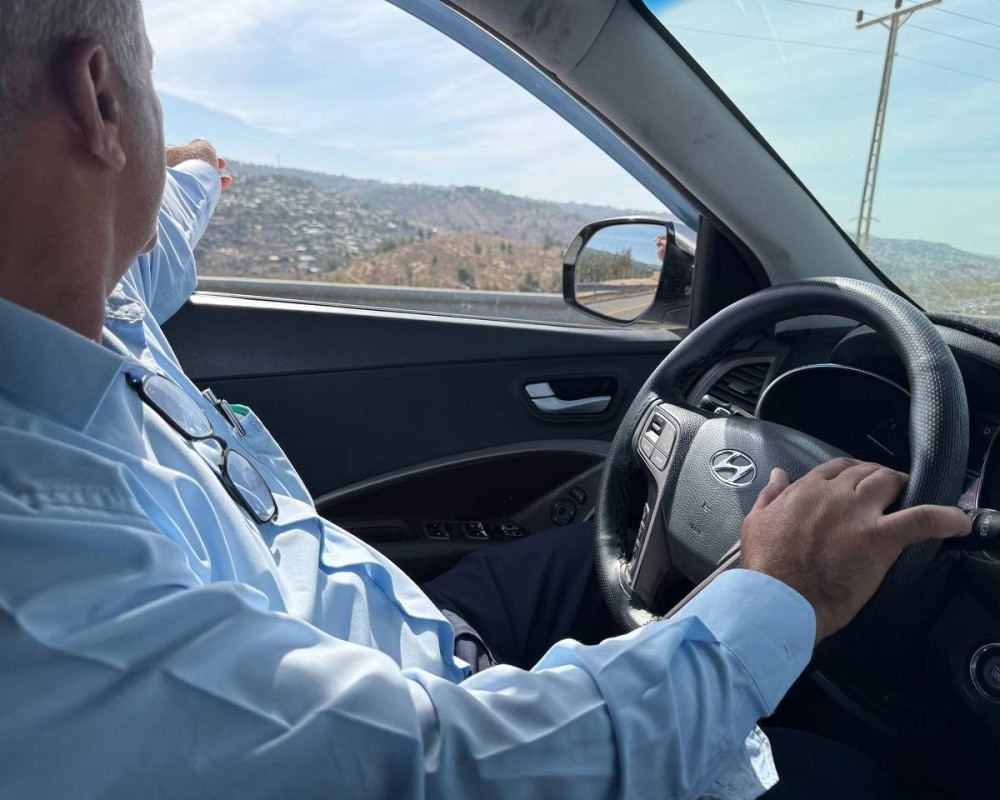
Dhiab Masha'leh, a member of the village council, says the community faces near-total restrictions on access through its entrances. Metal gates surround the village, while its main entrance has been closed since 2000, with intermittent openings and closures since the outbreak of the war.
He says the Etzion Road, which had been the only route that remained relatively accessible because settlers used it, was completely closed from Oct. 7. Palestinians were barred from travelling along it, including holders of West Bank identity cards and Israeli identity cards.
Farmers face additional difficulties because most of the village’s olive-growing land lies in Area C, where access requires prior coordination through the Palestinian Civil Affairs office with the Israeli side. This comes amid repeated attacks on landowners.
Masha'leh says the escalation in attacks this year has made it impossible to secure the necessary coordination in many cases. As a result, farmers have been unable to reach their trees, harvest the olives or maintain their land, while settlers have taken advantage of their absence to access the groves and collect the fruit.
Wadi al-Khanzeer and al-Janjoun are among the main agricultural areas facing severe access restrictions. Several village families own land there, across hundreds of dunams containing at least 1,000 olive trees. Restrictions affect not only the harvest but also year-round farming activities, including ploughing, pruning, watering and caring for the trees.
Masha'leh says attacks have also extended beyond farmland. In the months before the olive harvest, the village experienced three attacks in different locations, resulting in the burning of vehicles and homes, as well as the cutting, breaking and uprooting of olive trees and the theft of their fruit. The incidents have heightened residents’ fears for their safety and property.
When farmers are asked to prove they own their land
The difficulties do not end with direct attacks. Masha'leh says residents turn to the Palestinian Civil Affairs office when attacks occur. The office then contacts the Israeli side and requests that the army and police be sent to the affected areas.
But, according to Masha'leh, landowners are often surprised to find themselves being told to leave their fields or provide documents proving ownership, rather than seeing settlers removed and the attacks stopped.
Producing such documents immediately is not always possible, he says. Farmers do not carry all their land ownership papers with them when they go to work in the fields, while obtaining official proof can involve time-consuming administrative and legal procedures.
In the end, landowners may find themselves forced to leave their property and go to Israeli police stations to file complaints — a process that can take longer than the olive harvest season itself.
Masha'leh says the current season has brought little economic return for most families in the village. Many depend on olives, pressing them into oil and selling part of the production to help meet household needs, particularly amid difficult economic conditions and limited sources of income.
More than a harvest
For Al-Jab’a’s farmers, the loss cannot be measured only by the number of trees uprooted or the amount of fruit left hanging on the branches. It also represents years of labour and care, an important source of income for entire families, and a seasonal tradition that once brought generations together around the land.
Abu Latifa, who planted trees with his father decades ago; Hamdan, whose family can no longer reach hundreds of olive trees; and Abu Sabha, who remembers the family gatherings of earlier harvests, each tell a different part of the same story: the land is still there, the trees are bearing fruit, but their owners cannot reach them safely.
Despite the losses, attacks and road closures, residents of Al-Jab’a say they remain determined to hold on to their land and continue caring for their trees rather than abandon them. They see the groves as part of their history and their connection to a place shaped by generations of family life.
In this village, the olive trees are still waiting for their owners, while the farmers wait for the chance to return to their fields and gather the fruit of their labour. As another season passes and crops are left at risk of being lost, residents continue to insist on their right to their land — and on the hope that the trees they planted with their own hands will remain a testament to their presence and their lives there.