GAZA / PNN/
Medical aid group Doctors Without Borders said conditions in the Gaza Strip remain “catastrophic” six months after a ceasefire took effect, warning that ongoing violence and restrictions on aid are continuing to cost lives.
In a statement marking six months since the Oct. 10, 2025 ceasefire, the organization, known by its French acronym MSF, said its medical teams are still treating injuries caused by violence on a regular basis, adding that the situation on the ground “does not reflect a real ceasefire.”
According to Gaza’s Health Ministry, at least 733 people have been killed and 1,913 wounded since the ceasefire began through April 8. MSF said its teams have responded to repeated mass casualty incidents and treated hundreds of wounded patients, including many children.
The organization said it has carried out more than 40,000 wound dressings since October and treated over 15,000 cases in its field hospitals, in addition to thousands more at its clinics in Gaza City.
Claire San Filippo, MSF’s emergency coordinator, said the ceasefire “has failed to end the suffering of Palestinians,” citing continued Israeli restrictions on humanitarian aid entering the territory.
Residents are facing severe shortages of clean water, food, electricity and health care, while the already strained health system continues to deteriorate. MSF said Israeli authorities have prevented it from bringing medical and humanitarian supplies into Gaza since the beginning of 2026, while also restricting medical evacuations.
The World Health Organization says more than 18,500 patients in Gaza still require medical evacuation, including about 4,000 children.
MSF also reported critical shortages of essential medicines and supplies, including drugs for chronic conditions such as diabetes, worsening the suffering of patients. A nurse with the organization said many elderly people had died due to lack of treatment during the war.
The group cited testimonies from patients struggling to access basic medication amid harsh living conditions marked by widespread displacement and lack of shelter and services.
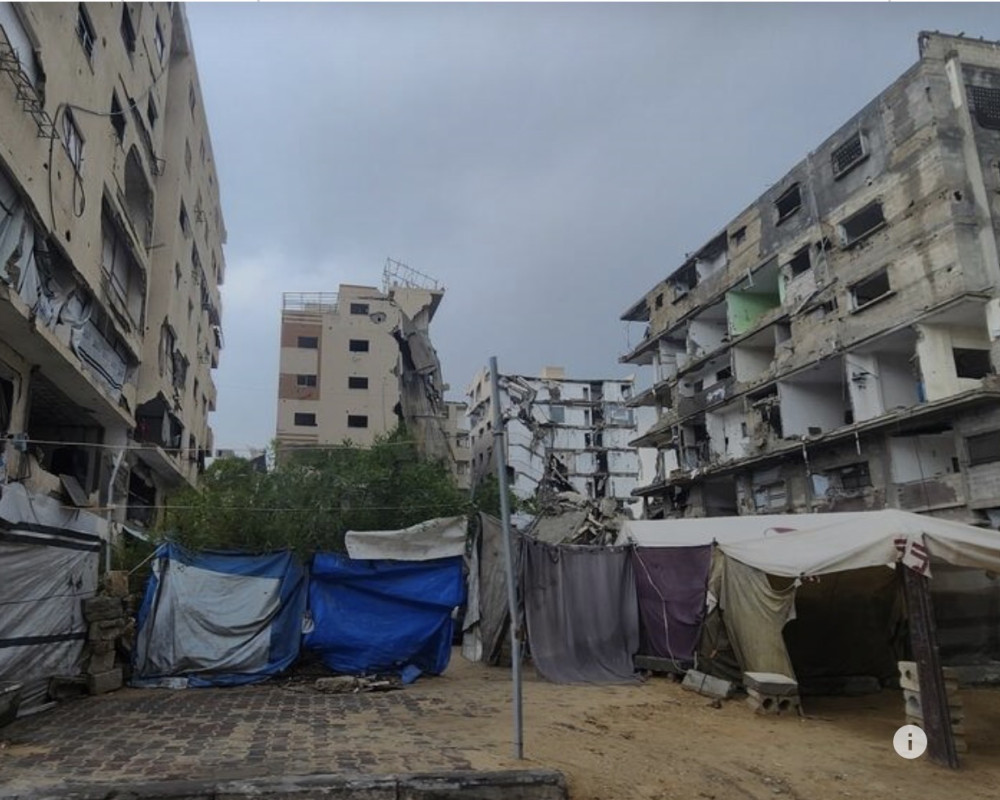
About 90% of Gaza’s population has been displaced, often multiple times, with many living in tents or temporary shelters where overcrowding and poor sanitation have contributed to the spread of respiratory infections, skin diseases and diarrhea.
MSF said available living space has shrunk significantly, with large areas of the territory under Israeli military control, forcing hundreds of thousands of people into increasingly crowded zones.
In a recent incident, MSF teams treated wounded patients following a strike near the Maghazi refugee camp, including critically injured children, highlighting the strain on limited medical resources.
The organization called on the international community, including the United States, the European Union and Arab countries, to pressure Israel to allow the unimpeded entry of humanitarian aid and to ensure the protection of civilians and the restoration of basic living conditions in Gaza.