TUBAS, West Bank /PNN/
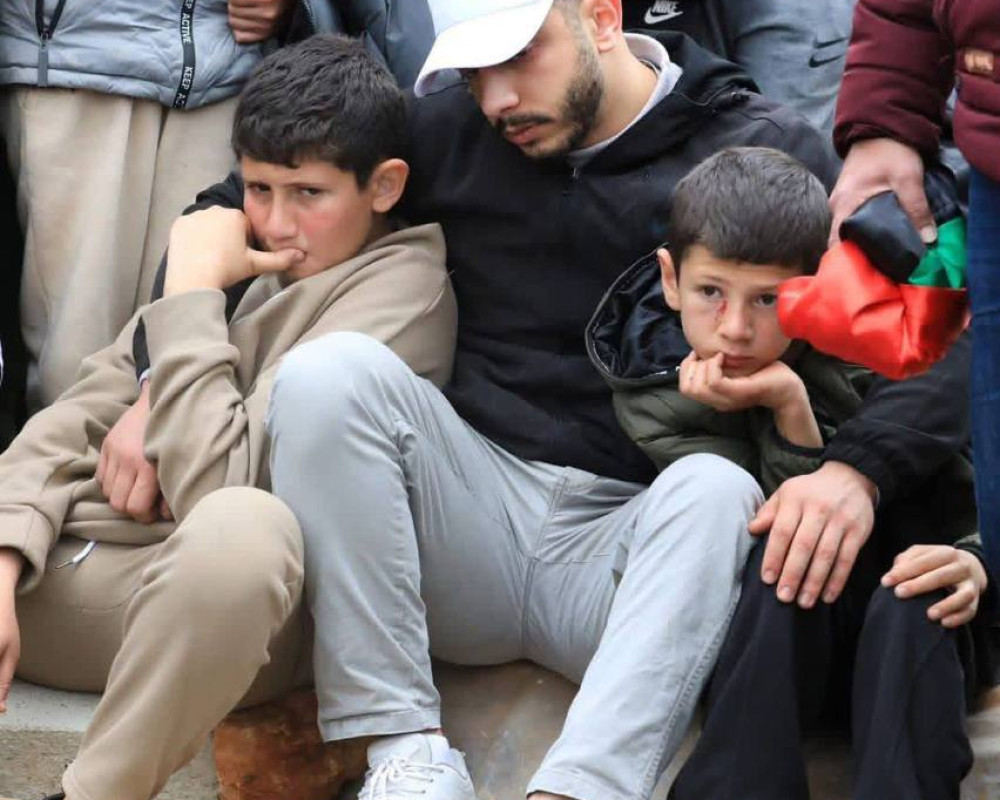
In the pale hours before dawn on Sunday, inside a bullet-riddled car on a quiet road in the town of Tamoun, 11-year-old Khaled Bani Odeh says he learned how suddenly a family can disappear.
His voice, still carrying the innocence of childhood, struggles to recount the moment Israeli forces opened fire on the vehicle carrying his parents and siblings as they returned home from the nearby city of Nablus.
Only Khaled and his younger brother, Mustafa, survived.Their father, mother and two brothers were killed.
Khaled speaks quietly, as if trying to make sense of a scene that even adults struggle to comprehend — a moment he says lasted only minutes but changed everything.
“We were driving back home,” the boy recalled. “Suddenly there was heavy shooting. It kept going for minutes. Then it stopped. I felt that everyone in the car had been killed.”
Hidden beneath the seat, Khaled says he listened to the final sounds of his family.
“My mother shouted loudly, ‘Khalas,’” he said softly, using the Arabic word for it’s over. “Then she went silent.”
“I heard my father saying :"there is no god except god and that Prophet Mohammad is the masnger".The boy added, recalling the Islamic declaration of faith many Muslims utter at the moment they believe death is near.
He added“I didn’t hear my brothers breathing.” Just moments before the shooting, the car had been filled with laughter.
Khaled remembers his younger brother Mohammad standing between his parents’ seats while their father joked with him as they drove through the dark road back to Tamoun. Then the gunfire erupted.
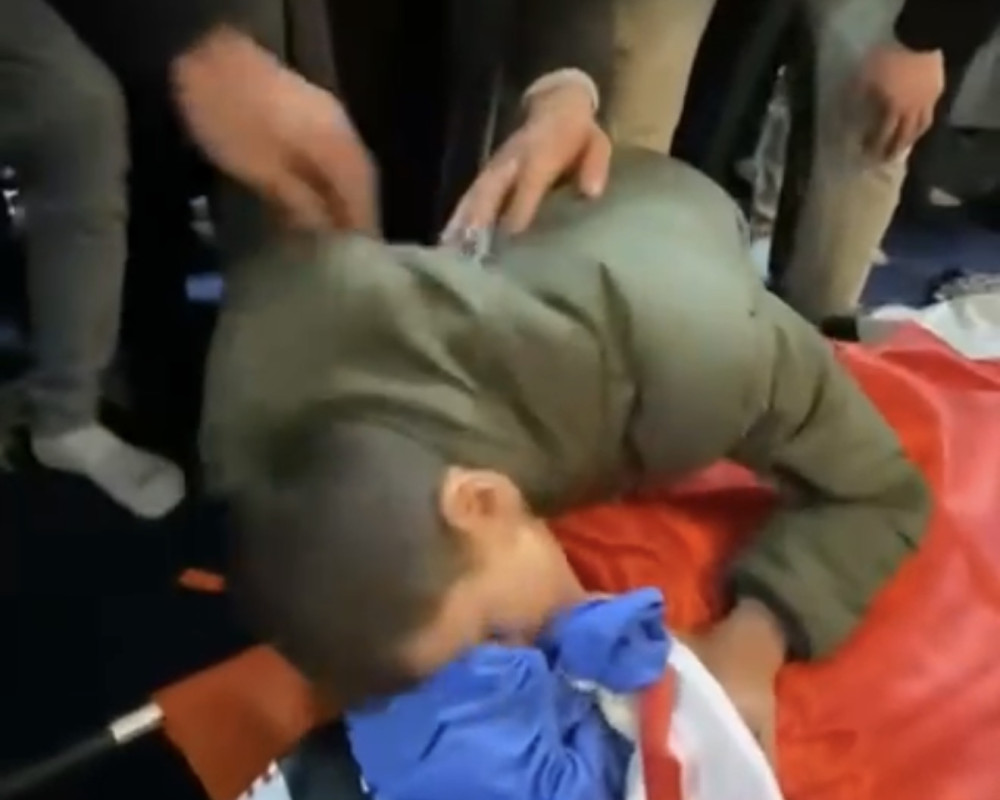
“I hid under the seat,” Khaled said. “I tried to pull my brother Mohammad down with me, but I couldn’t.”
He says he did not raise his head until soldiers opened the car doors after the shooting ended.
“They pulled us out of the car and made us stand beside it,” he said.
According to Khaled, one soldier struck him while another tried to hit his younger brother. Adding “I stood between the soldier and my brother,” the boy said. “Then they beat me more and said those who died were just dogs.”
At one point, Khaled says he asked a soldier a question — the kind of question only a child might still believe deserves an honest answer.“Do you love your mother and father?” he asked.
The soldier replied yes. “So I asked him, ‘Why did you kill my father and mother?’
The boy says the soldier responded with a punch to his face.
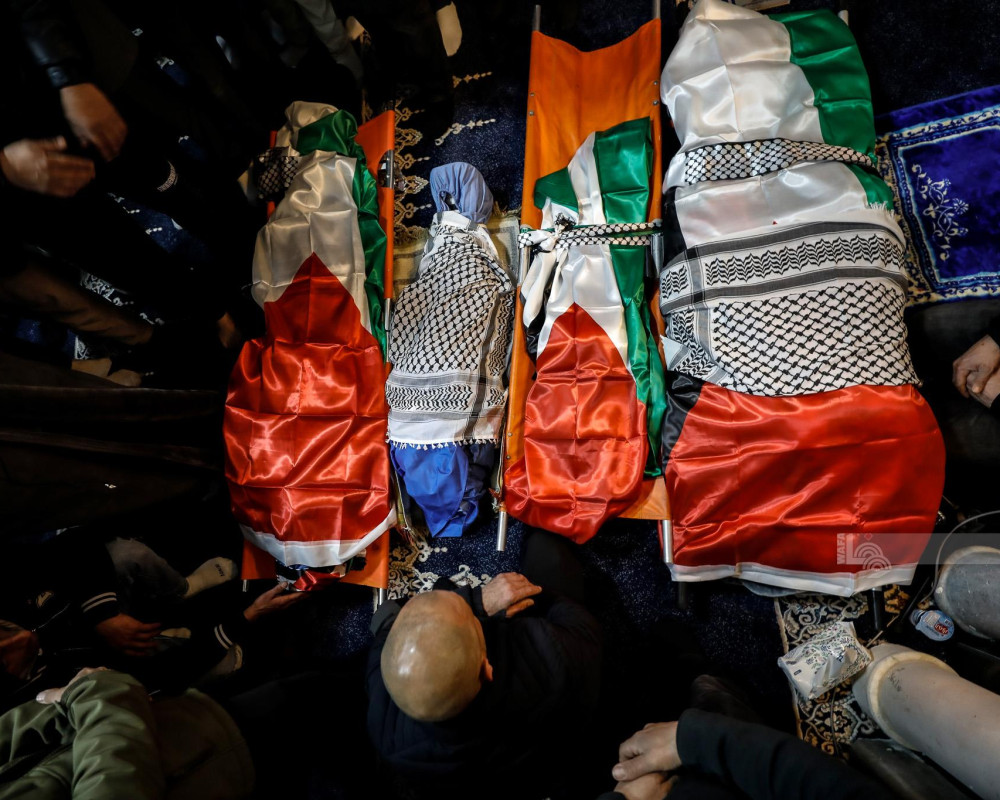
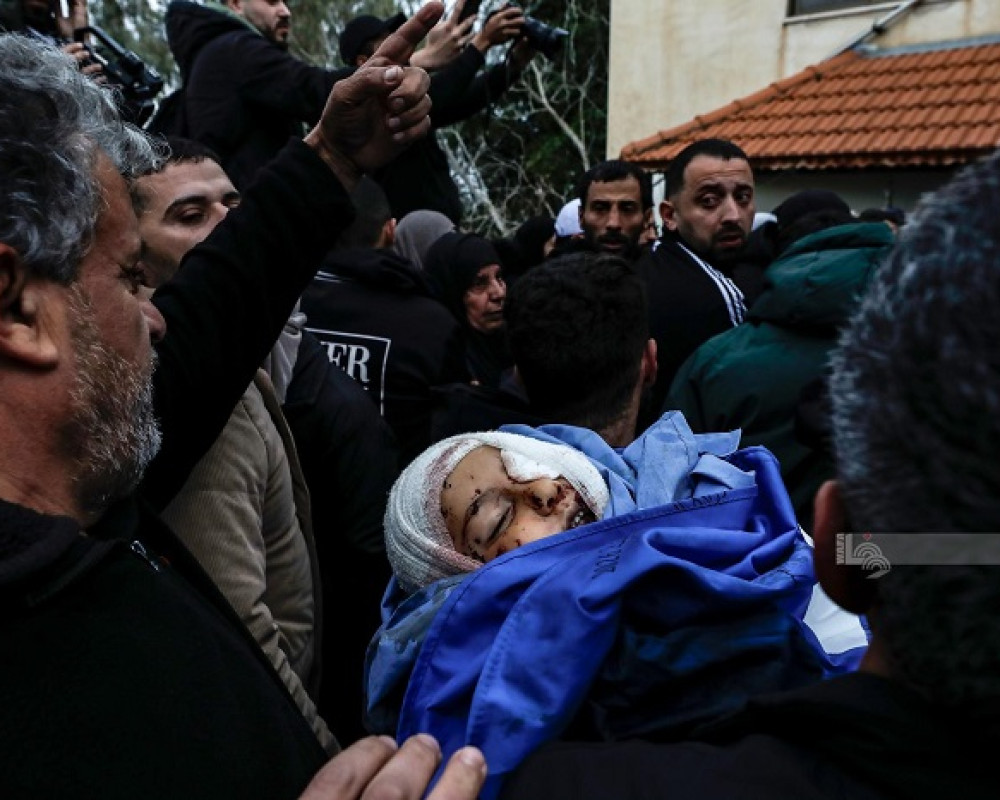
Later that morning, hundreds of mourners filled the streets of Tamoun, carrying the bodies of the four family members in an angry funeral procession.
In the family home, grief hung heavily in the air as relatives gathered to receive condolences.
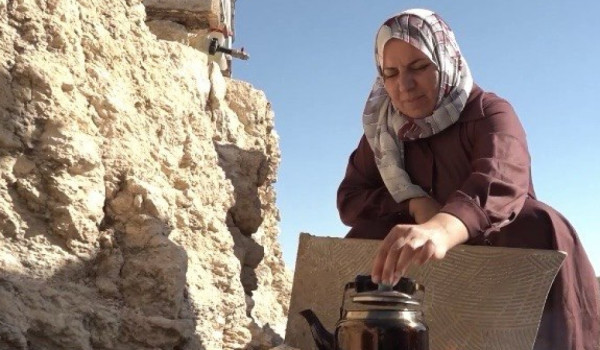
Ali’s mother tried to hold herself together while speaking about the final hours of her son’s life.
“He missed his children,” she said. “He came home yesterday after being away for two months working. He wanted to make up for the time he was gone.”
So he took them to Nablus, she said, to buy clothes for the upcoming Eid holiday and spend time together.
“After midnight we heard about a car being targeted in the town,” she recalled. “I called my son and his wife again and again but there was no answer.”
Then another son arrived, shouting that the targeted vehicle belonged to his brother.
Her voice broke as she described the man she lost.
“He was gentle and kind,” she said. “My grandsons told me that on the way back from Nablus he bought food for the pre-dawn suhoor meal. He wanted them all to eat suhoor with me and his father.”
The Palestinian Health Ministry said four members of the same family were brought dead to the Turkish Government Hospital in Tubas after the shooting in Tamoun.
The victims were identified as Ali Khaled Sayel Bani Odeh, 37, and his wife Waad Othman Aql Bani Odeh, 35.
Their two young sons were also killed: Mohammad, 5, and Othman, 7.
Medical officials said both parents suffered multiple gunshot wounds, including to the head and face. The two children were also shot in the head and face.
Khaled, 11, and Mustafa, 8, survived with minor shrapnel injuries to the head and face.
Local sources said Israeli undercover units had entered the town shortly before the shooting, followed by military reinforcements from nearby checkpoints.
The Palestinian Red Crescent Society said Israeli forces initially prevented its ambulance teams from reaching the vehicle and forced them to leave the scene before later allowing medics to retrieve the bodies.
For Khaled, the questions remain unanswered.
In a world that often measures tragedy in statistics and statements, his story lingers as something harder to quantify: a child’s memory of laughter in the back seat, a mother’s last word, and a question that echoes far beyond the small West Bank town where his family’s journey ended.
Why?