Ramallah / PNN /
The Palestinian Journalists Syndicate said attacks by Israeli settlers against Palestinian and foreign journalists marked a “dangerous structural shift” in 2025, moving from sporadic incidents to what it described as a systematic policy aimed at silencing the press.
According to documentation by the syndicate’s Freedoms Committee, at least 66 attacks against journalists were recorded in 2025, compared with 27 in 2023 and 36 in 2024. The syndicate said the increase was not only quantitative but reflected a qualitative change in the nature and objectives of the assaults.
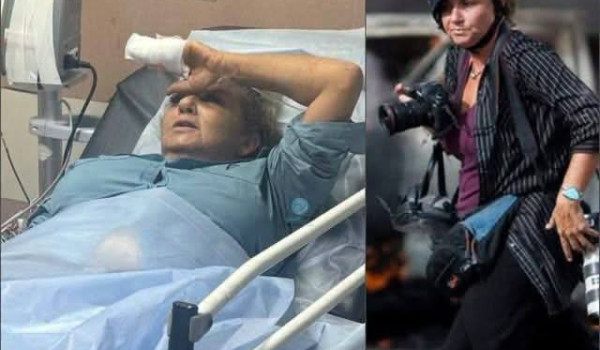
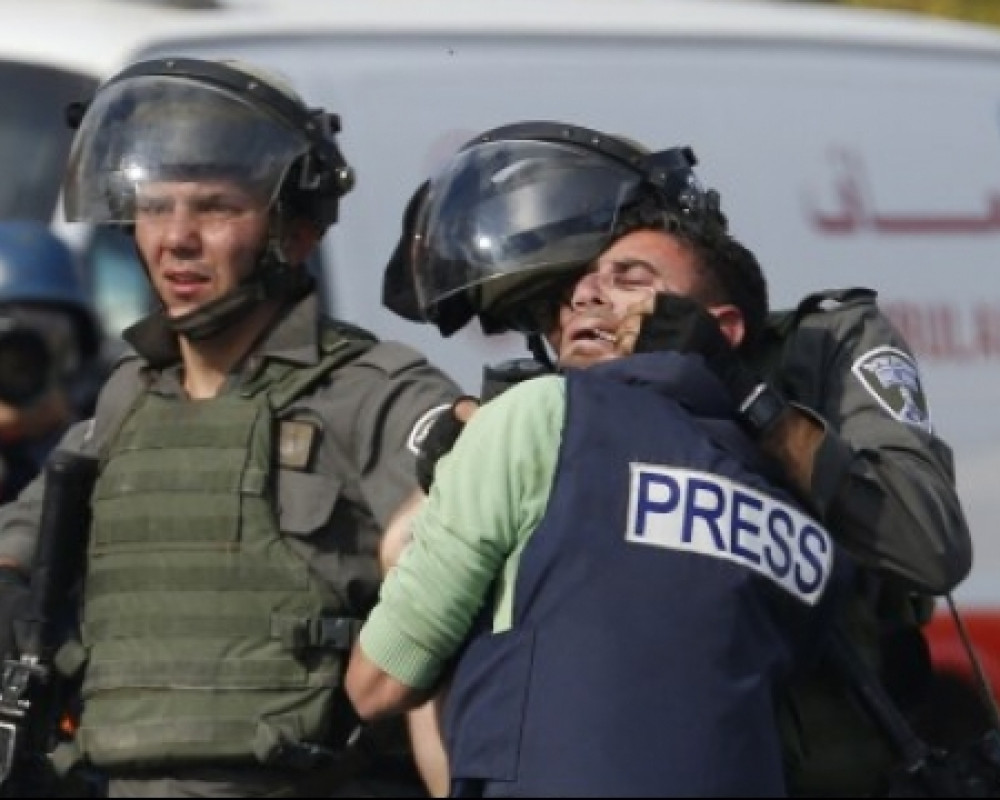
In previous years, violations largely involved obstruction of coverage or verbal harassment. In 2025, however, journalists were subjected to field pursuits, severe physical assaults, live gunfire and tear gas, as well as the destruction of media equipment and the burning of vehicles, the syndicate said. It added that journalists have increasingly become “deliberate targets rather than incidental obstacles.”
The committee documented repeated attacks following the same pattern in multiple locations across the occupied West Bank, including Masafer Yatta, al-Mughayyir, Beita, Sinjil, Hebron and Turmus Ayya. The recurrence of similar practices in different areas indicates an organized pattern rather than isolated individual behavior, it said.
The syndicate accused Israeli forces of structural complicity with settlers, noting that most attacks occurred under three main scenarios: Israeli army protection of settlers during assaults, direct participation by Israeli forces in preventing coverage or carrying out arrests, or a division of roles in which settlers attack journalists and the army follows up with detention or gunfire. The syndicate said this amounts to state responsibility under international humanitarian law.
The report said the attacks cannot be separated from the battle over media narratives, pointing to the targeting of coverage related to sensitive issues, particularly the olive harvest season, village raids and settlement expansion. In several cases, journalists were prevented from covering events before or during reporting, indicating an intent to block content production altogether.
The syndicate also documented instances of prior digital incitement against journalists that were followed by physical attacks, signaling a clear shift of violence from online platforms to the field.
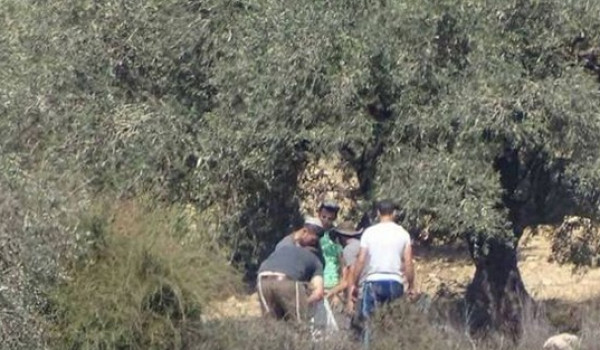
More than one-third of the recorded attacks occurred during the olive harvest season, which carries high national symbolism, attracts extensive media coverage and is closely linked to land and property rights. The syndicate said the targeting of journalists during this period aims to erase documentation and leave farmers without witnesses.
According to the report, 2025 was marked by the use of unprecedented levels of violence, including live ammunition, arson attacks, serious injuries and cases of subsequent killings following incitement, indicating that journalism in some areas has entered what it described as an “existential danger zone.”
The Freedoms Committee also recorded attacks against international media crews, including teams from CNN and Deutsche Welle, as well as American and Chinese journalists. These incidents, the syndicate said, should not be viewed as field errors but as political deterrence messages intended to test international reactions and reduce global media coverage amid the absence of effective accountability.
The syndicate warned that continued impunity could lead to a gradual withdrawal of field reporting, increased risks of journalists being killed, heightened self-censorship, the transformation of entire areas into media blackouts and further erosion of confidence in international protections for journalists.
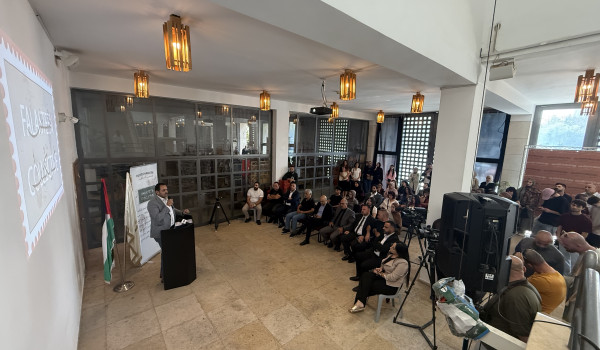
Mohammed al-Lahham, head of the syndicate’s Freedoms Committee, said 2025 does not represent merely a difficult year for Palestinian journalists but a strategic shift in dealing with the media as a “field enemy” to be silenced by force.
He added that the situation places urgent responsibility on the Palestinian Journalists Syndicate, the International Federation of Journalists and international human rights organizations to move beyond documentation toward legal and political action at the international level to hold those responsible accountable and ensure protection for journalists.