HEBRON /West Bank
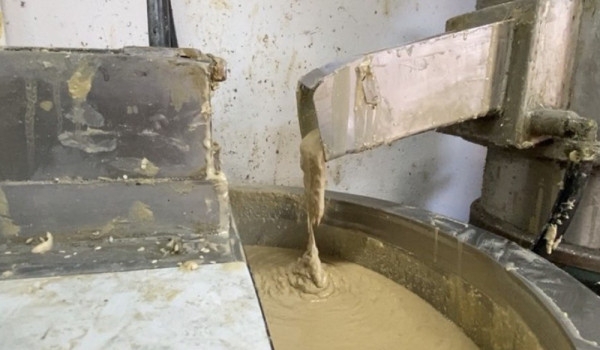
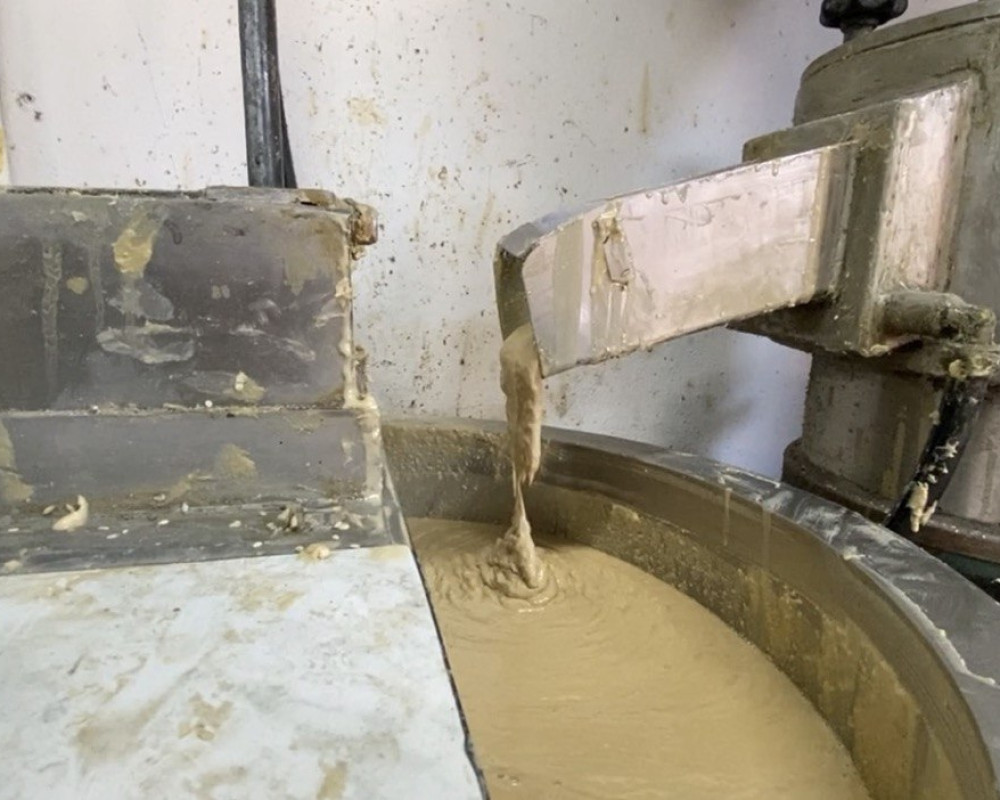
Inside the bustling factory floor in the ancient city of Hebron, the rich, earthy aroma of roasted sesame seeds fills the air, just as it has for the past century. Standing beside a row of modern processing machines, Abdullah Shawar monitors the smooth, warm stream of pure tahini cascading into distribution containers. For Shawar and his family, this is not merely a commercial food production line; it is the preservation of a living industrial monument that has defined Hebron's culinary identity since 1926.
"This craft is a sacred trust passed down from my grandfather, to my father, and now to me," Shawar says, looking over the facility. "Our absolute priority is safeguarding the authentic taste and unmatched quality that people have relied on for generations. It is our duty to pass this legacy intact to our children.
The origin of the Shawar factory traces back to the stone-walled corridors of Hebron’s Old City, where Abdullah’s grandfather established a rudimentary sesame press. In those early days, the production of traditional tahini and halawa (a sweet, dense sesame confection) relied entirely on strenuous manual labor and basic stone tools. As the decades rolled by and the political landscape shifted, the family adapted, transitioning into a highly organized factory that blends mechanical efficiency with time-tested secrets.
Today, the processing line yields an array of traditional staples, including seeraj (pure sesame oil) and various grades of halawa. Despite automated advancements, the fundamental recipe remains strictly untouched. Shawar explains that their signature halawa demands a perfect 50-50 balance of pure cane sugar and raw, freshly ground tahini, enhanced by meticulous temperature controls to lock in its fragile, crumbly texture. The tahini itself is produced entirely from a single ingredient—100 percent premium sesame seeds—subjected to rigorous cleaning, intensive roasting, and peeling cycles before it reaches the grinders.
What makes the Shawar facility a unique survivor in the West Bank's changing economy is its refusal to compromise on heritage or move production away from its cultural home in Hebron. As local industries face economic instability and supply line blockades, the uninterrupted hum of the Shawar factory stands as a testament to the resilience of Palestinian generational trades. For the people of Hebron, it is much more than a successful business—it remains a sweet, nostalgic thread connecting the city’s present to the shared memory of its past.