BETHLEHEM / West Bank
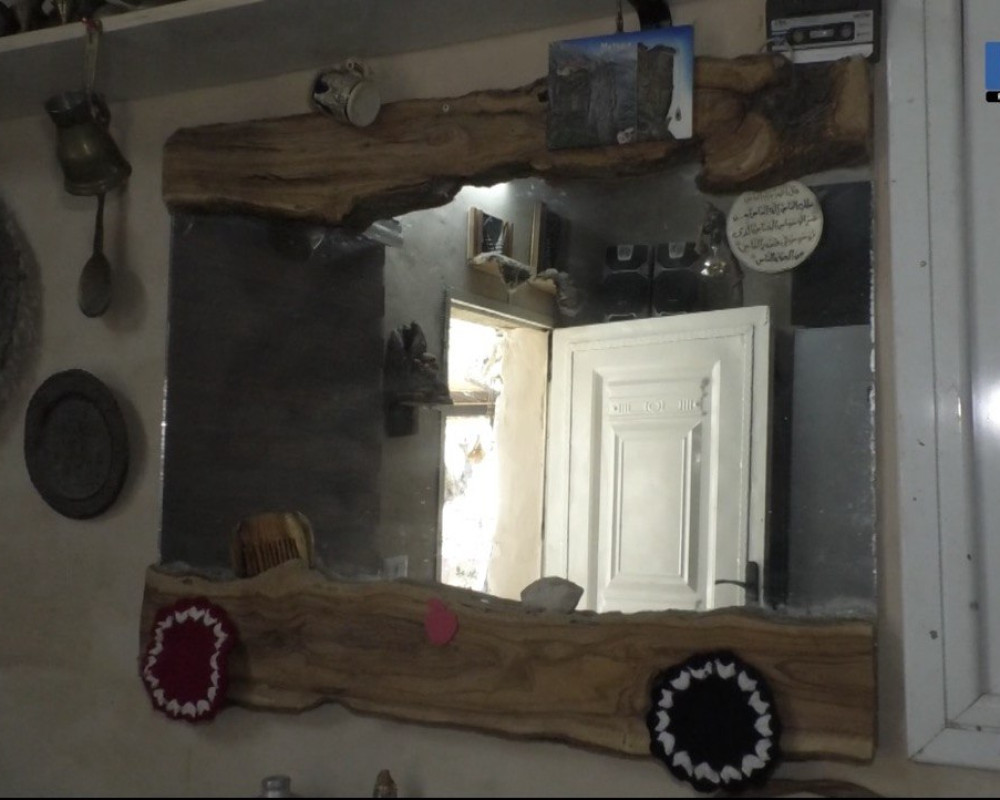
— Inside a sunlit workshop in Bethlehem, Fayez Abu Amneh runs his hands over a rugged, asymmetrical block of raw wood, studying its natural contours, knots, and imperfections. Where others see salvaged lumber or simple firewood, the Palestinian artisan envisions an intricate sculpture. With practiced patience and an array of specialized hand tools, he breathes life into the raw material, carving out distinctive art pieces that reflect both personal resilience and creative passion.
Abu Amneh's journey into the world of woodworking began not in an art academy, but out of necessity and a natural curiosity for the materials around him. Originally trained in automotive mechanics—a field strictly tied to rigid blueprints and metallic structures—he found an unexpected sense of liberation in the fluid, unpredictable nature of wood.
"Working with wood isn't just about executing a predetermined design," Abu Amneh says, wiping sawdust from his apron. "It relies heavily on imagination—the rare ability to foresee what a block can become before you even make the first cut. Some pieces dictate their own shape to you, while others demand immense skill to mold into the desired outcome.
Over the years, what started as basic experimentation grew into a sophisticated practice of sculpting complex figures and ornaments. Yet, maintaining a craft workshop in the West Bank presents steep economic hurdles. The specialty machinery and cutting tools required are prohibitively expensive, with single equipment pieces costing anywhere between 3,000 to 4,000 Israeli shekels (roughly $800 to $1,100 USD). This financial burden is compounded by the high turnover of drill bits and raw components that frequently snap or wear out under intense friction.
Because the process relies entirely on independent physical labor—from selecting the initial timber log to the final intricate sanding—Abu Amneh notes that the true value of his work is often misunderstood by a consumer base accustomed to mass-produced, factory-made goods.
"The worth isn't just the raw lumber," he explains. "It is the hours, the physical strain, and the generational skill poured into creating something unique. People see the final tag price, but rarely the process.
Despite the economic strain, Abu Amneh remains determined to expand his workshop, viewing every challenging piece of wood as an opportunity to hone his craft and keep the tradition of Palestinian manual artistry alive. His small business stands as a testament to the idea that genuine innovation is not bound by formal academic degrees, but is driven by enduring passion and a refusal to let local craftsmanship die.