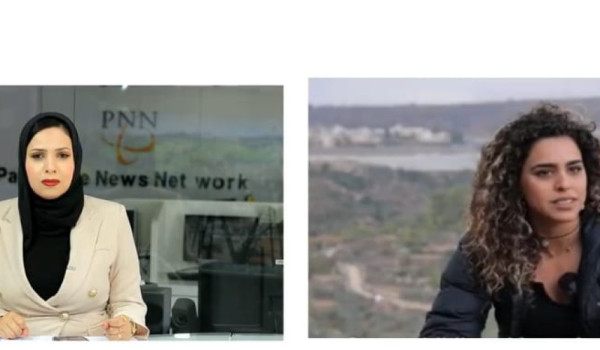
BETHLEHEM, West Bank (PNN)
From women struggling to turn small businesses into reliable sources of income to children trying to reclaim their education, a new episode of PNN Accountability has examined how Palestinian civil society organisations and volunteer initiatives are stepping in to support communities amid mounting economic and educational challenges.
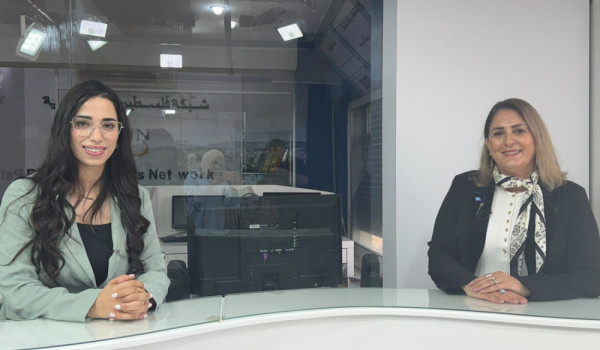
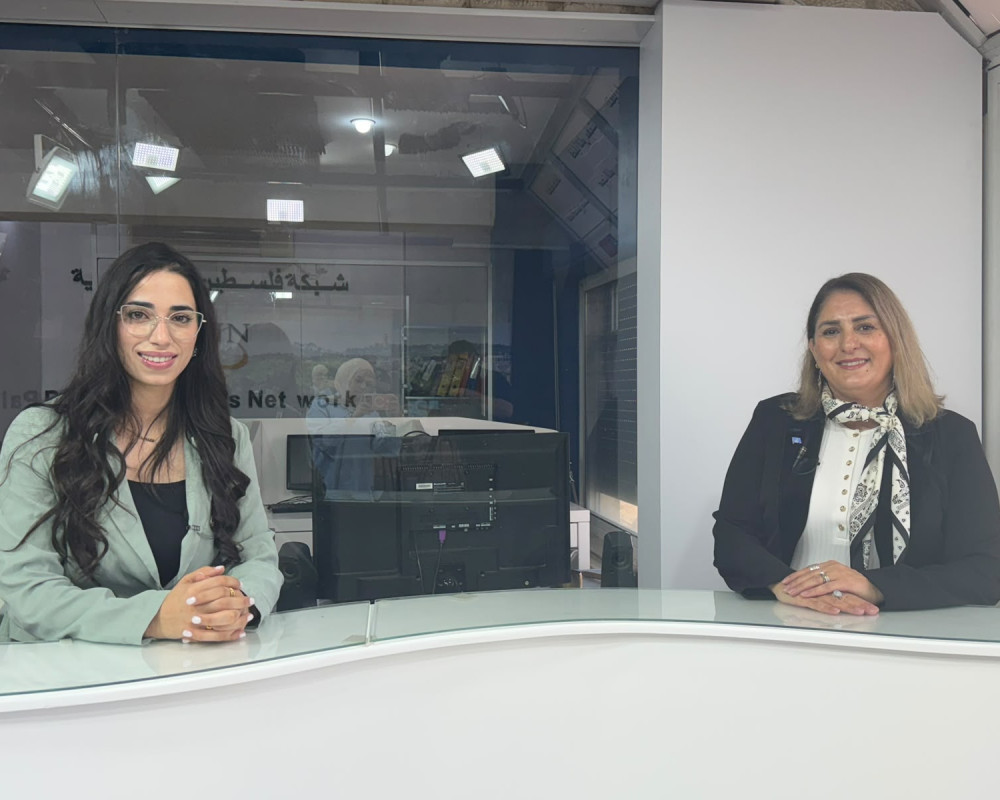
Presented by journalist Fairooz Odeh on Palestine News Network (PNN), the programme explored two pressing issues: the support available to women-led businesses and the role of voluntary educational initiatives in helping schoolchildren whose learning has been disrupted.
Women’s businesses struggle to reach sustainable markets
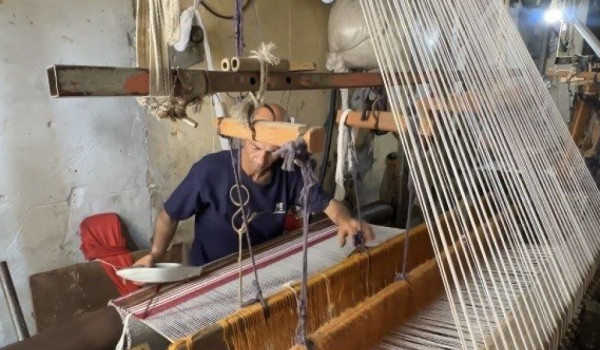
For many Palestinian women, starting a small business is more than a way to earn money. It is a means of supporting their families, building financial independence and protecting their livelihoods during periods of crisis. Yet turning a promising idea into a sustainable enterprise remains difficult when resources are scarce, production costs are rising and access to markets is limited.
Speaking on the programme, Dr Rula al-Sarras, director of finance and development at the Rural Development Association, discussed the challenges facing women-led small businesses and the efforts of development organisations to strengthen the economic resilience of rural women.
She highlighted the importance of economic empowerment in helping Palestinian families withstand crises, explaining how the association works to create a supportive environment in which women can develop small ideas into sustainable businesses.
But financial assistance alone is not enough. Women also need practical skills, access to customers and a fair opportunity to earn from their work.
Al-Sarras stressed the need to move beyond temporary relief towards sustainable development, including training in business management and modern marketing. She also highlighted the barriers women face in reaching key markets and the influence of intermediaries, which can limit their ability to secure a fair return on their products.
Her remarks underscored the role of local associations in helping women bridge gaps in the support available to them. Through training, development programmes and efforts to improve market access, these organisations seek to provide opportunities for women to strengthen their businesses and become more economically independent.
However, such initiatives also point to a wider challenge: the need for more comprehensive and sustained support to ensure that women-led enterprises can survive and grow, rather than remain dependent on short-term assistance.
Volunteers help children find their way back to learning
The programme then turned to education, highlighting a voluntary initiative working to help children return to learning despite the exceptional circumstances affecting Palestinian communities.
For children whose education has been disrupted, access to lessons is only part of the challenge. Safe learning spaces and psychological and social support can also be essential to helping them regain a sense of stability and continue their education.
The initiative featured on the programme seeks to provide alternative, safe educational spaces for children whose schooling has been affected. Alongside academic activities, it places considerable emphasis on psychological and social support, recognising the emotional pressures children face in difficult circumstances.
Such support can help children cope with stress and distress, prepare them to re-engage with learning and strengthen their ability to continue their education despite the obstacles around them.
The initiative illustrates how volunteers and community organisations can help respond to urgent needs when children struggle to access consistent educational support. It also highlights the importance of treating education as more than classroom instruction, particularly for children living through prolonged uncertainty and disruption.
Civil society steps in, but lasting support remains essential
By bringing these two issues together, PNN Accountability highlighted the role of Palestinian civil society in supporting people whose economic and educational needs are not fully met by existing services.
Women’s development organisations are working to help entrepreneurs overcome barriers to financing, skills and markets, while volunteer educators are creating alternative learning opportunities and providing children with support beyond the classroom.
These efforts offer practical assistance to women and children, but their long-term impact depends on sustained cooperation among development organisations, volunteer initiatives and other relevant institutions. Supporting women-led businesses requires more than temporary funding, while helping children return to education demands safe learning environments and continued psychological and social care.
The programme concluded by emphasising the importance of coordinated action to strengthen community resilience and support those most affected by crises, particularly women and children. The challenge is not only to respond to immediate needs, but also to create lasting opportunities for economic independence and continued learning across Palestine.