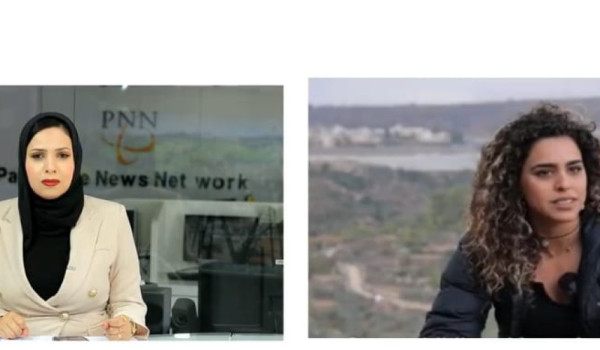
BETHLEHEM, West Bank (PNN) — From a collective wedding in the southern West Bank city of Dura to a creative initiative bringing moments of joy to families in war-torn Gaza, a new episode of Palestine News Network’s Al-Makshouf programme has highlighted how community solidarity and individual creativity can help Palestinians cope with economic hardship, displacement and humanitarian crises.
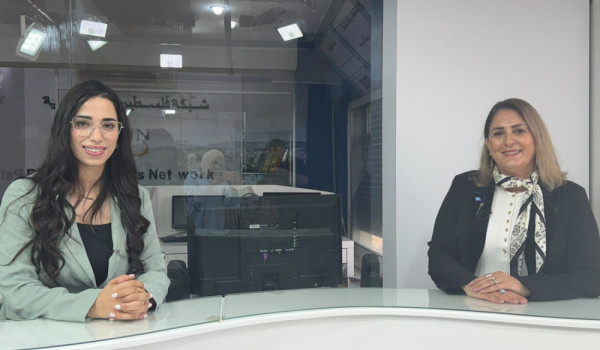
Presented by journalist Sara Rizk, the programme examined how grassroots initiatives can ease financial pressures, strengthen social ties and create opportunities for hope, while underscoring the role of independent media in bringing positive community efforts to public attention and encouraging wider support for people working to improve the lives of others.
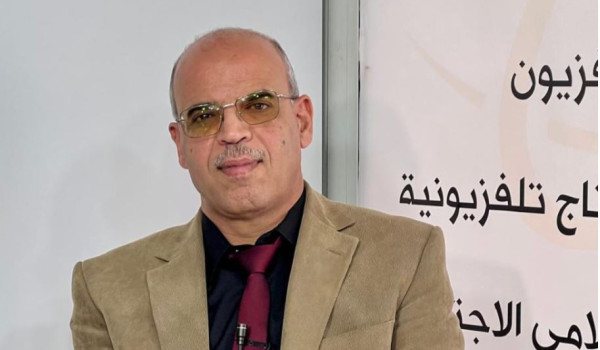
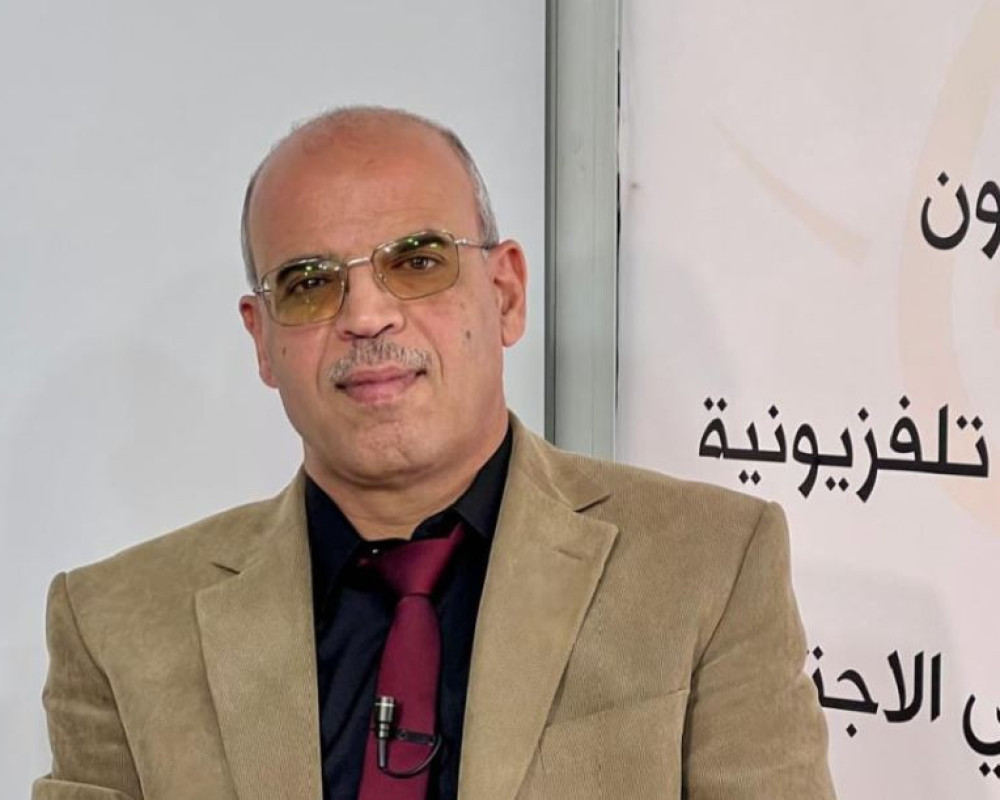
The episode featured Dr Mahmoud Hammad, head of the humanities department at Palestine Ahliya University, who discussed the psychological and social impact of such initiatives and their potential to ease the burdens facing young people and strengthen their sense of belonging and solidarity.
Collective wedding in Dura brings solidarity to couples facing financial pressures
The first report focused on a collective wedding in Dura that brought together 44 couples in an initiative designed to reduce wedding expenses amid the difficult economic conditions facing young Palestinians.
Hammad said marriage is an important milestone in a person’s life, closely linked to psychological and social stability and the formation of a family. With economic pressures making marriage increasingly difficult for many young people, collective initiatives can provide practical support and help reduce some of the financial burden, he said.
Such efforts also promote solidarity and reinforce the sense that young people are not alone in confronting economic challenges. Hammad stressed, however, that the dignity, privacy and freedom of choice of participating couples must be respected.
While community initiatives can make a meaningful difference, their impact remains limited without broader, sustainable solutions, he said. These should include expanding employment opportunities, developing skills and raising awareness of rights and responsibilities to help young people establish stable families.
From Dura to Gaza, creativity creates space for joy
The programme’s second report featured Imad al-Aqqad in Gaza, who has transformed simple pieces of wood into sculptures, decorations and spaces for photography and celebration, including a project called “The Dream Plane.”
His work aims to give children, families and other residents opportunities to experience moments of happiness amid war, displacement and widespread destruction, despite severe shortages of resources and difficult living conditions.
The initiative illustrates how individual creativity can offer people a chance to reconnect with memories of life before the war and express their dreams and aspirations, even when daily life is marked by uncertainty and loss.
Commenting on the report, Hammad said initiatives of this kind carry psychological and social significance because they offer people opportunities for recreation and moments of joy and hope. Recognising their value, he added, does not mean overlooking the scale of suffering or minimising the effects of war.
He said Palestinians have demonstrated a capacity for creativity and adaptation in difficult circumstances, but stressed that people behind such initiatives need both financial and moral support to develop their ideas and extend their reach within their communities.
Turning individual efforts into sustainable programmes
Hammad said sustaining community initiatives requires active involvement from government bodies, civil society organisations, municipalities and supporting institutions.
He called on these bodies to listen to the people such initiatives are intended to serve, understand their needs and identify the problems they face before designing programmes and solutions.
Institutional support, he said, is essential to transforming individual efforts into organised, sustainable programmes capable of responding to the needs of children, young people and the wider community on a larger scale.
The episode highlighted the importance of recognising and supporting people who take practical action to help their communities, particularly during times of crisis. By documenting these initiatives and bringing their experiences to a wider audience, independent journalism can help amplify positive efforts, encourage community participation and draw attention to the support needed to turn promising ideas into lasting benefits.
In doing so, Al-Makshouf underscored that community solidarity and creativity cannot replace the wider economic and humanitarian solutions Palestinians need, but can help preserve social ties, support families and create opportunities for hope in exceptionally difficult circumstances.
This episode was produced with financial support from CFI, Expertise France and the European Union. The content of this document is the sole responsibility of the beneficiary and does not in any way reflect the views of CFI, Expertise France or the European Union.