Gaza /PNN / Report by Nesma Al-Harazin
A few blocks away from Rafiq’s workshop, in a modest home kitchen filled with the smell of fresh bread and spices, Islam Al-Khaldi, 32, a journalism graduate, stands next to her husband Mohammad Al-Akhras, a photographer.
Islam used to work as a writer and editor for local and international media outlets. She covered the news and wrote about people. But as job opportunities in Gaza collapsed, and money got tight, she found herself facing a completely different reality. She didn’t give up on working. She just looked for another way.
"The words weren’t putting food on the table," she says with a laugh.
The idea for "Fatfuta Kitchen" started as a home project, depends on Islam’s talent for cooking since she was a kid. Pastries, traditional dishes passed down like maftool and molokhia, home-cooked meals, appetizers and sweets, everything was made to order, in clean, tidy pots.
Over time, Islam built a name for that small kitchen. People started ordering from it for homes and their special events.
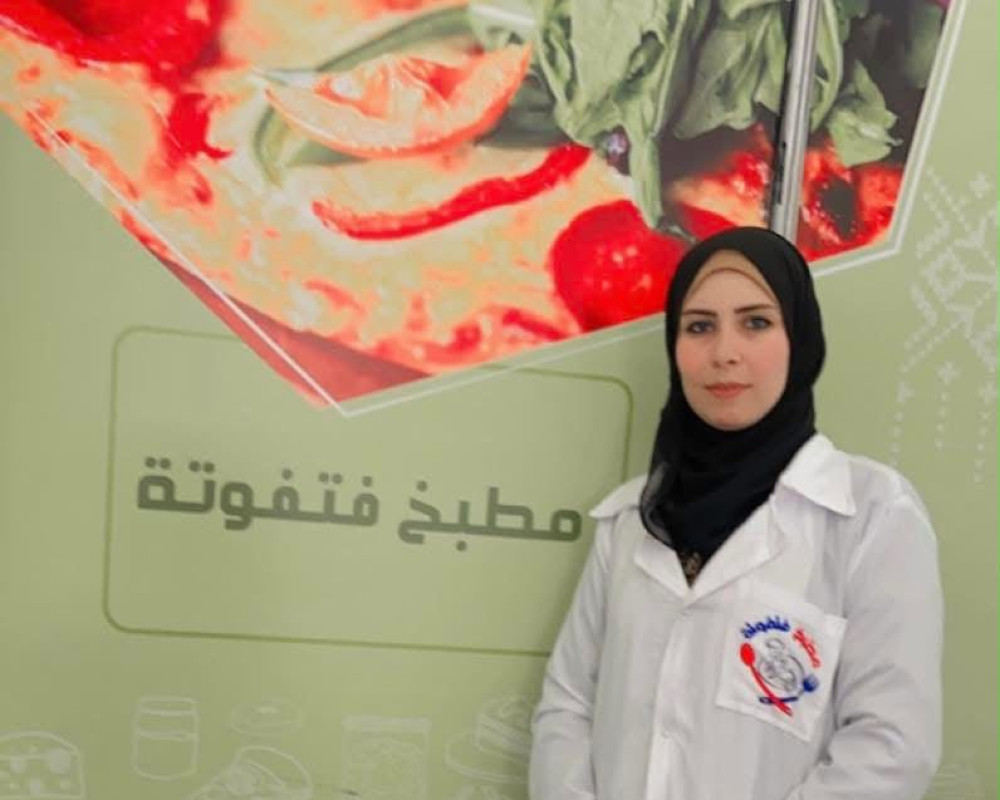
Mohammad was a core part of the story. He’d shoot the dishes professionally, design the posts, handle promotion on social media, and manage orders and customer service. The two became one team. She was in the kitchen, and he was behind the camera, documenting. He used to tell her: “Cook the meal the same way you used to write the article.”
Then the 2023 war on Gaza started and flipped their lives upside down. The kitchen shut down for a long time, and priorities shifted from growth to survival. Gas ran out. The Electricity was cut.
Getting a bag of flour became a dream.
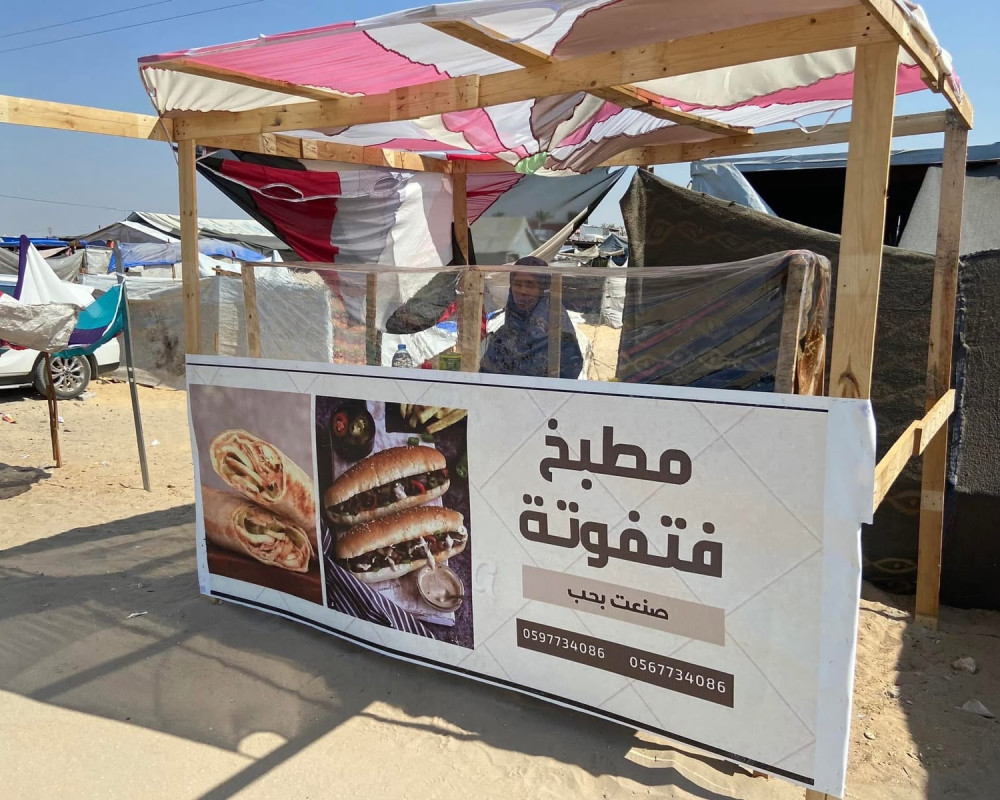
The couple tried to get back to work after they were displaced south of Wadi Gaza, by setting up a small kiosk. But with prices soaring, and ingredients hard to find, it was even harder to keep going. Some days they’d barely sell five meals.
Islam and Mohammad, standing side by side, say: "There was another kind of loss you can’t measure with money." When I asked what she meant, her eyes filled with tears and she added: “A lot of the customers who used to order from Fatfuta before the war are gone now. They were killed in the war, but their names are still with us. Every time we cook a dish they loved, we remember them.”
When things calmed down abit, they decided to bring the kitchen back to life. Islam leaned on her connections and her social activity, and they relied heavily on social media to take orders online. 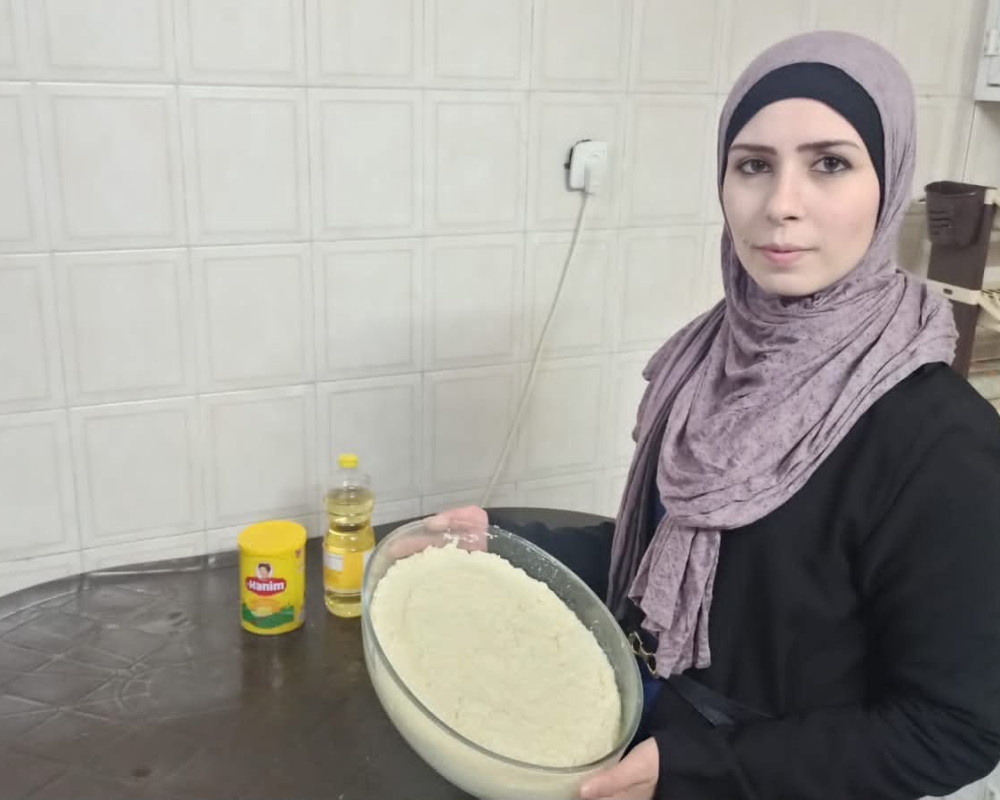
Islam took over the cooking and quality control, and Mohammad kept doing what he does, filming and marketing. He started posting short videos about “A Day in Fatfuta Kitchen.”
For them, coming back wasn’t just about restarting a business. It was a small declaration that life hadn’t ended, despite the war.
Mohammad says: “Work isn’t just about making money. It’s about resilience and saving your dignity. When we cook and sell, we feel like we still know how to live.”
Islam and Mohammad believe that supporting small projects in Gaza, especially those led by women, can give families a chance to keep going instead of just waiting for aid.
Their dream didn’t stop at Fatfuta Kitchen. They dream of opening a well-known local restaurant in the old streets of Gaza, serving home-cooked food at prices people can actually afford. Islam says: “I just want people to eat clean food at a price they can manage.”
From a small kitchen, plate after plate cooked by Islam and documented by Mohammad’s lens, the couple keeps writing their story their own way. Islam, who used to write with words, writes with dishes now. And Mohammad, who used to document people’s stories with his camera, is now documenting the story of their own project.
You can rebuild a factory. You can buy new machines. You can expand a kitchen and start from zero. You can buy fabric, flour, and gas.
But there are things you can’t get back easily. Like Saif, who Rafiq and Umm Ahmad are still waiting to come home. Like the Fatfuta customers who are gone forever. Like homes that have turned into memories.
And yet, Rafiq stands beside his wife behind the sewing machine, and Islam stands beside Mohammad behind the pot. Both of them, in their own way, are saying the same thing: as long as the needle is moving, as long as the fire is on, it means we’re still alive.
"Fatfuta" and the small factory in Al Sabra aren’t just two projects. They’re two ideas that started with a dream, were knocked down by war, and then got back up to say that some dreams, no matter how heavy life gets, can still find their way back to hope. in Gaza, work itself becomes resistance.