JENIN, West Bank /PNN /
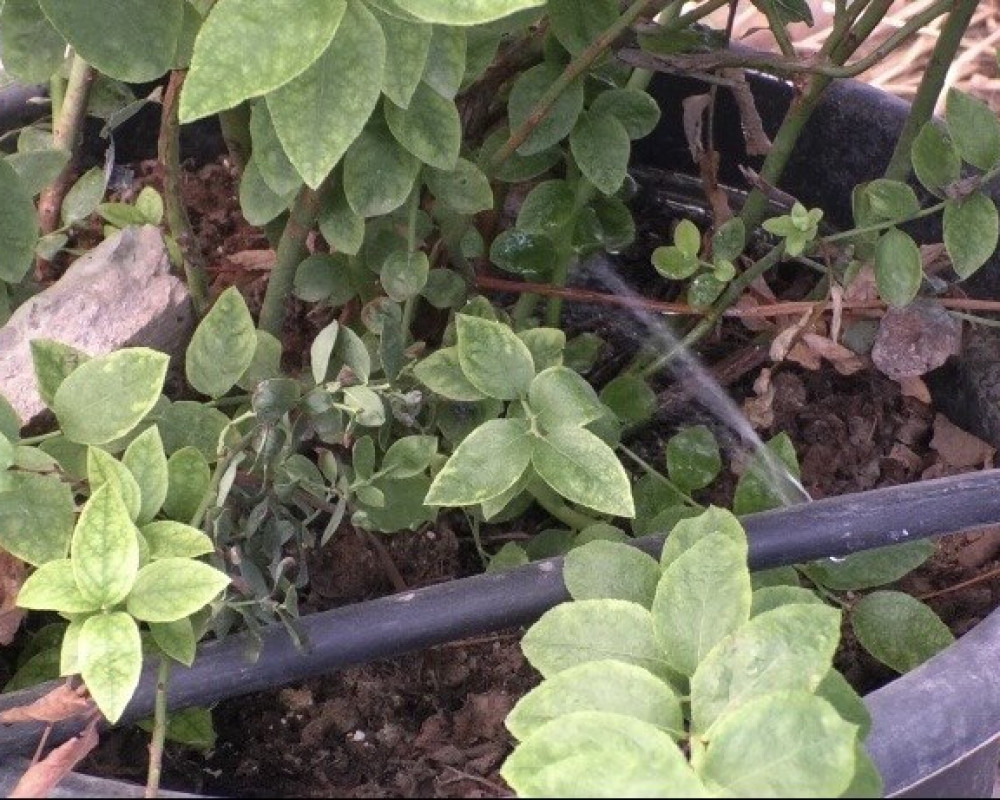
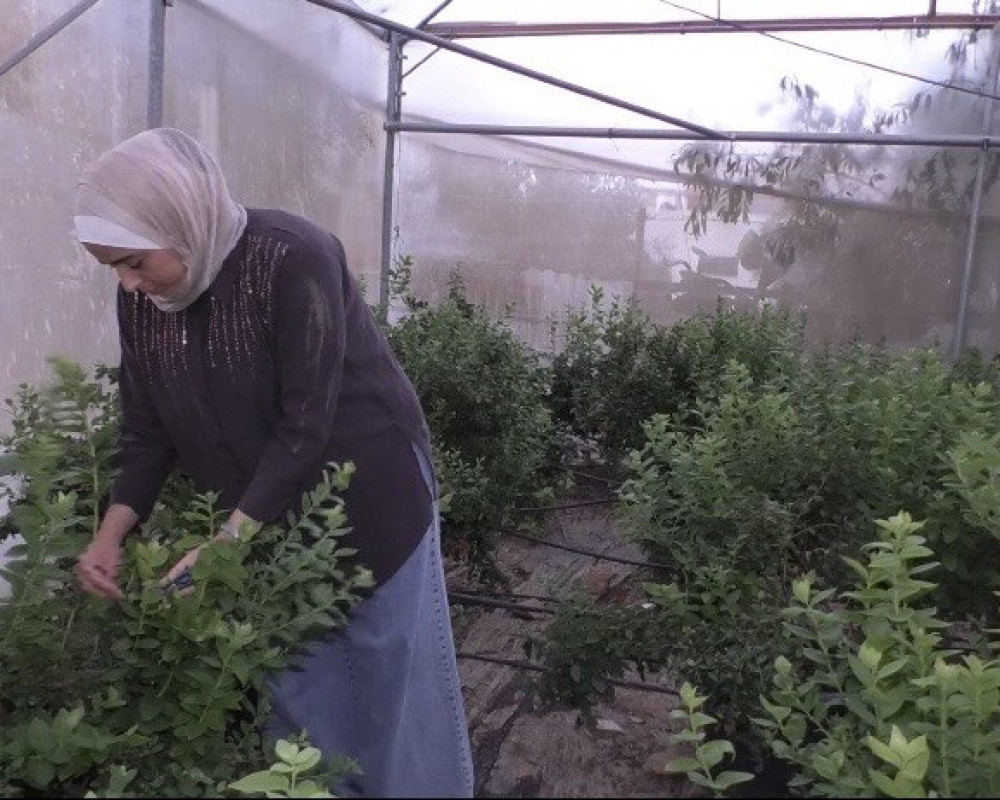
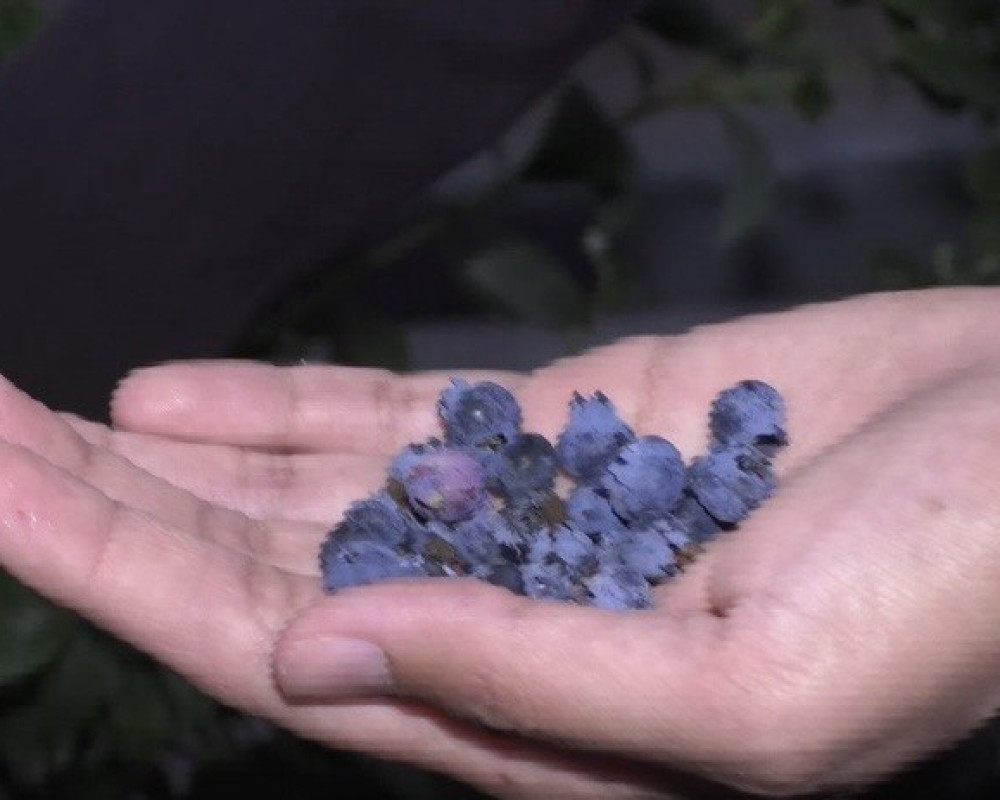
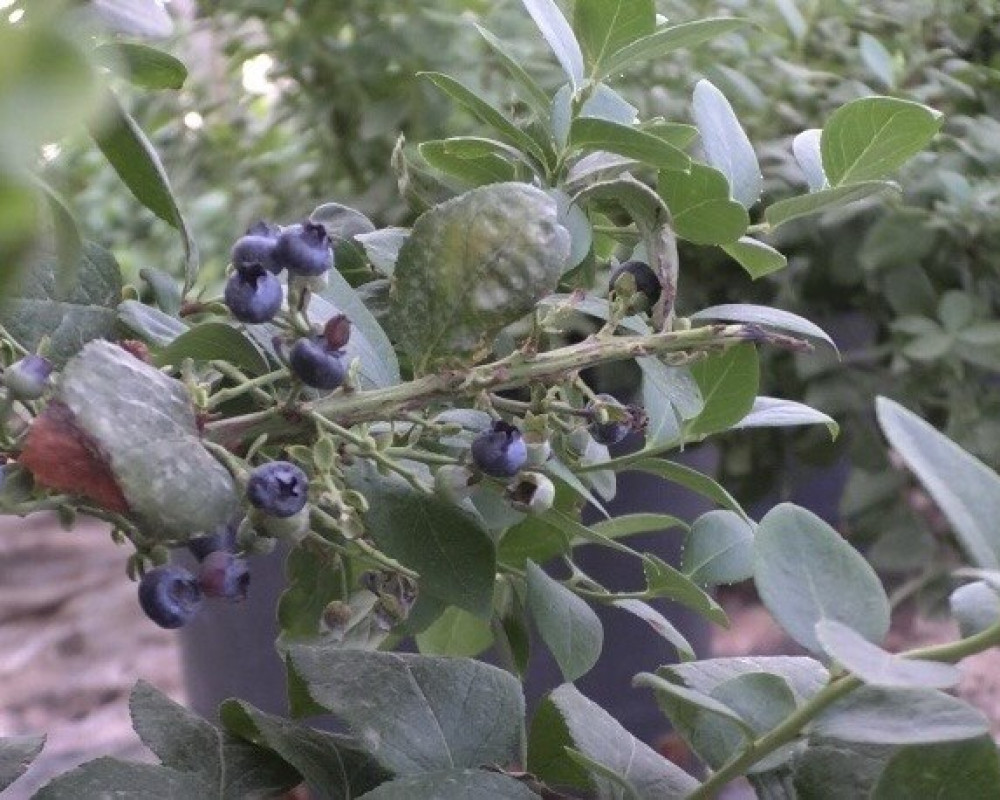
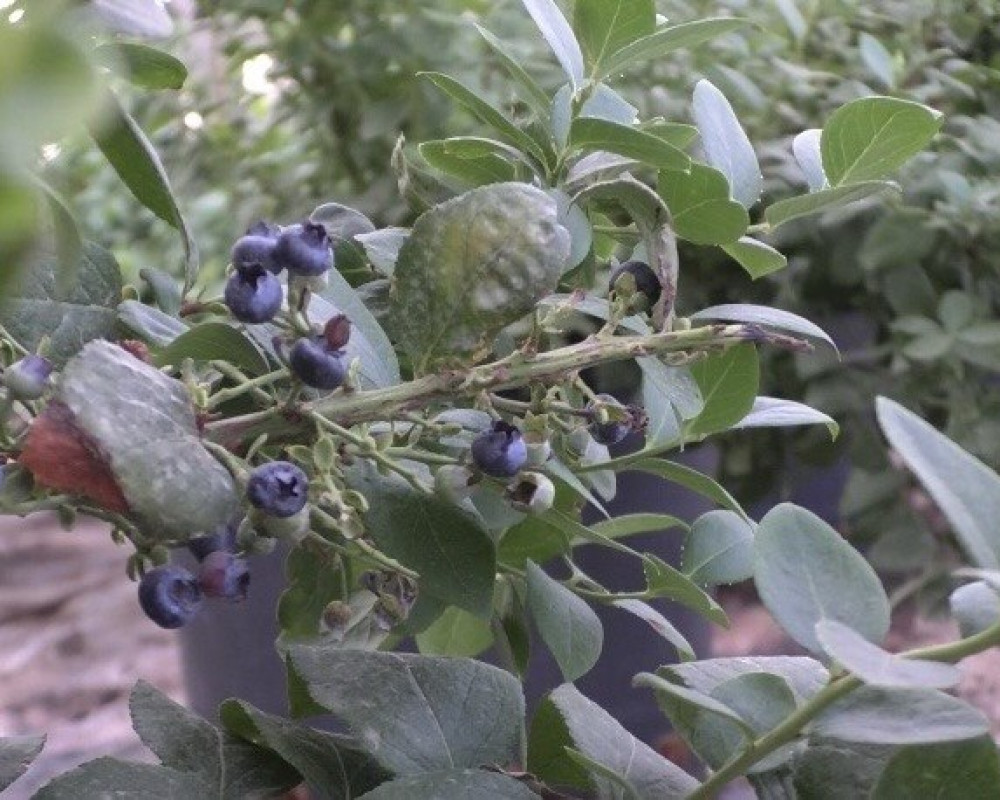
In a promising agricultural venture, Palestinian agronomist Amani Abu Naeem has successfully launched a local blueberry cultivation experiment through her project, “Blueberry Karm,” turning a small-scale trial into a budding enterprise after two years of work and challenges.
Abu Naeem said the project began as a modest experiment to test whether blueberries could be grown locally. What started on a limited space has gradually evolved into a project she now plans to expand, aiming to produce enough to meet local demand and reduce reliance on imports.
“The idea was initially just to see if this crop could succeed here,” she said, noting that the early stages was focused on experimentation rather than production.
Over the past two years, Abu Naeem said she faced a range of technical and practical challenges, but described the النتائج as encouraging. “Despite the difficulties, the experience proved successful,” she added.
She said her interest in cultivating blueberries stemmed from her passion for agriculture and years of experience in the field, alongside a growing awareness among consumers of the fruit’s nutritional and health benefits.
The increasing popularity of blueberries in recent years prompted her to explore the possibility of producing them locally, rather than relying solely on imported products.
Technical challenges and lack of local expertise
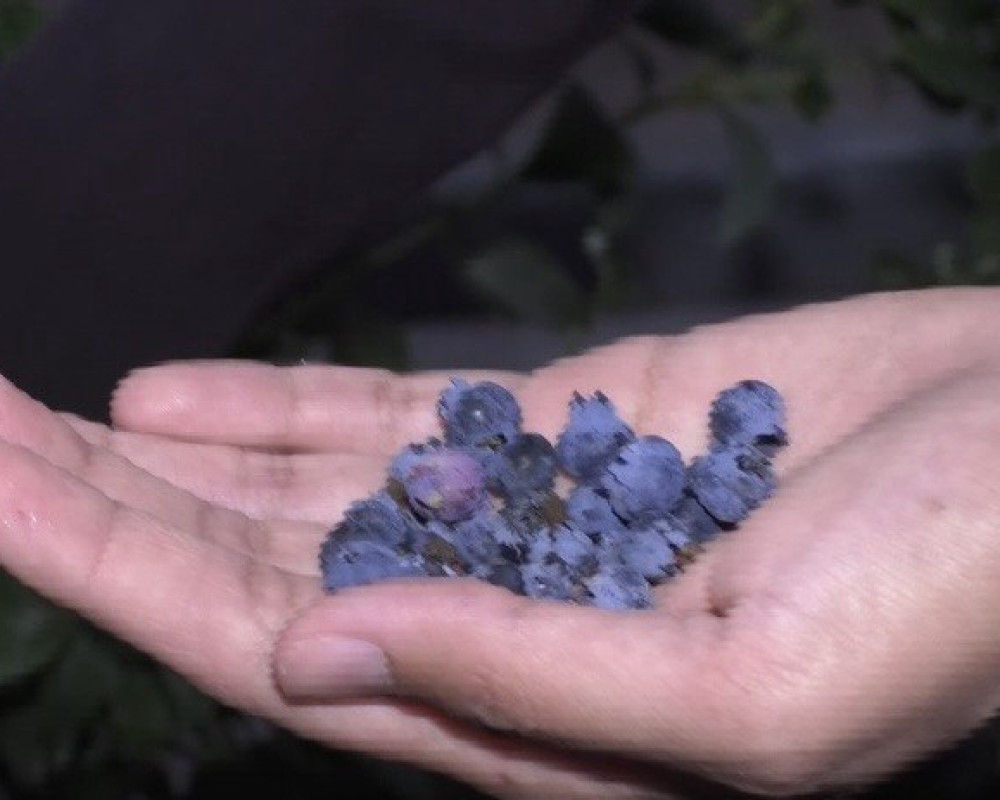
One of the main challenges, Abu Naeem said, was the absence of local farmers with experience in blueberry cultivation, leaving her without a domestic reference point for technical guidance.
To overcome this, she relied on research and consultations with specialists abroad, who provided support on cultivation techniques and helped address the technical issues she encountered.
She said these efforts enabled her to overcome most of the obstacles during the trial phase, which was primarily focused on understanding the crop’s requirements rather than expanding production.
Towards a model farm
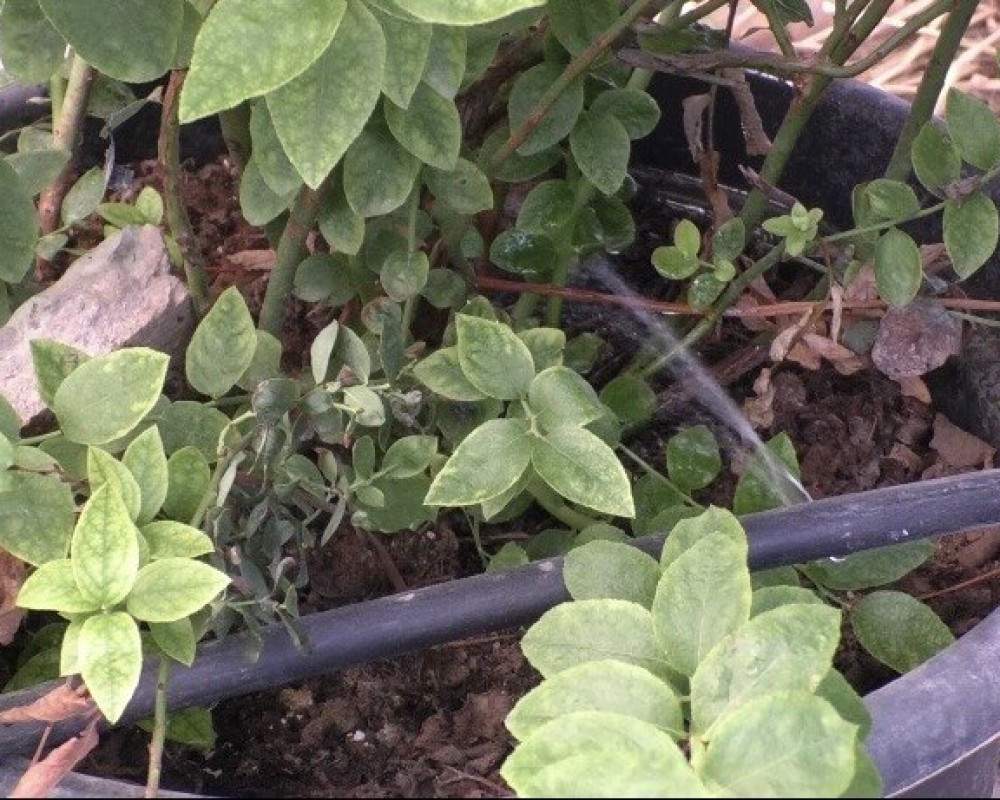
Abu Naeem described the past two years as a testing phase aimed at gaining practical knowledge about blueberry farming, including the agriculture situation best suited for the crop.
She said this knowledge would serve as the foundation for the next stage of the project, adding that she plans to expand cultivation after the current season and establish a model farm based on the results achieved so far.
“The goal was not just to produce blueberries, but to fully understand the crop’s needs to ensure successful expansion in the future,” she said.
Product to reach consumers
Looking ahead, Abu Naeem said she plans to make the locally grown blueberries available at retail outlets following the expansion of her farm.
She added that she will announce points of sale through her social media platforms, particularly Facebook and Instagram, allowing consumers to access the product directly.
In parallel, she is also working on producing blueberry seedlings, which she expects to make available in the المقبلة phase, potentially encouraging wider local cultivation of the fruit.
After two years of experimentation, research and overcoming technical challenges, Abu Naeem is now preparing to transition her project from trial مرحلة to expansion and production. Through “Blueberry Karm,” she hopes to strengthen local blueberry farming, provide the crop to consumers, and contribute to reducing dependence on imported produce.
This video was produced with financial support from CFI, Expertise France and the European Union. Its contents are the sole responsibility of the beneficiary and do not necessarily reflect the views of CFI, Expertise France or the European Union.