Hebron, Occupied Palestinian Territory (PNN) —
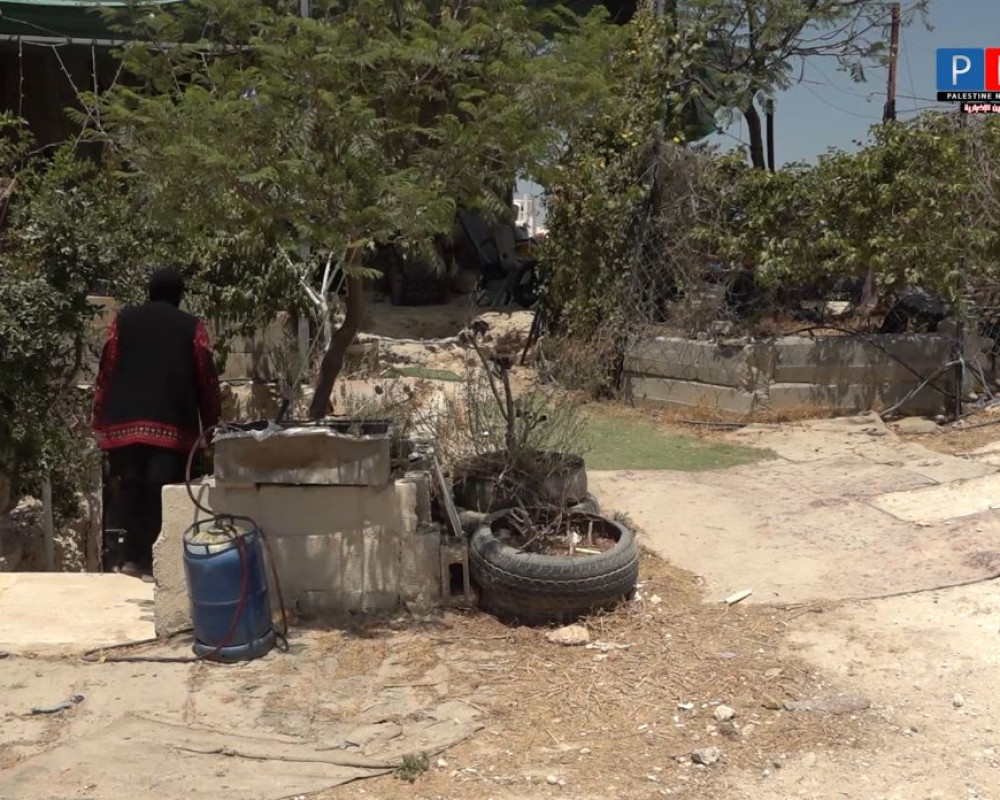
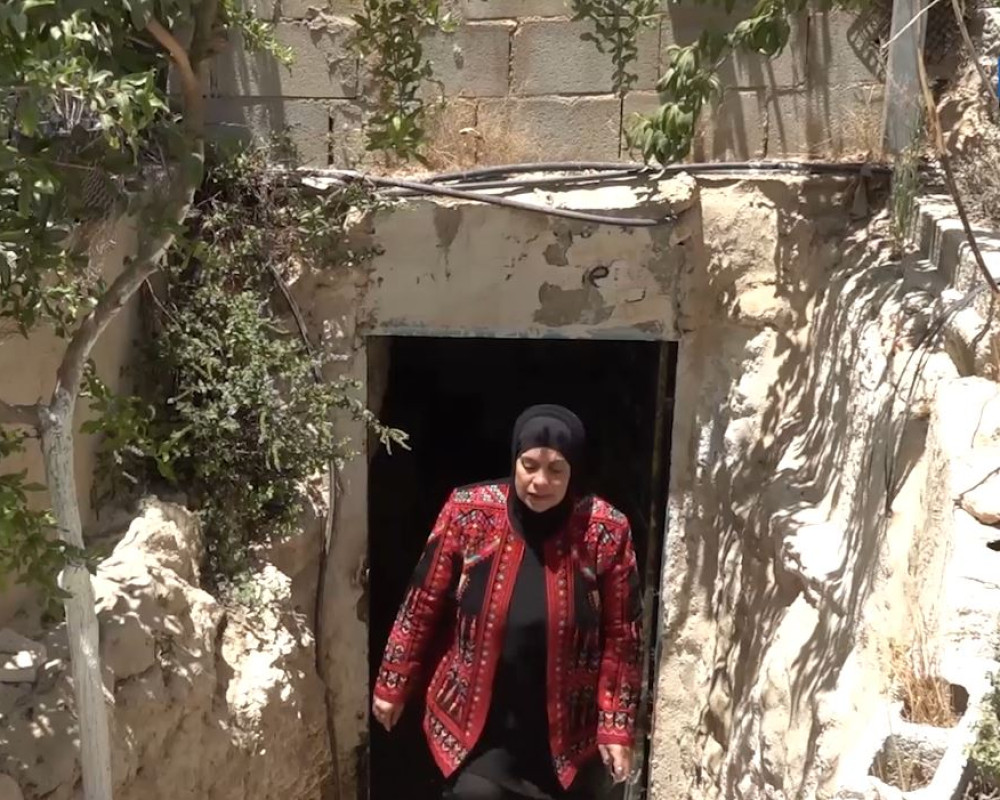
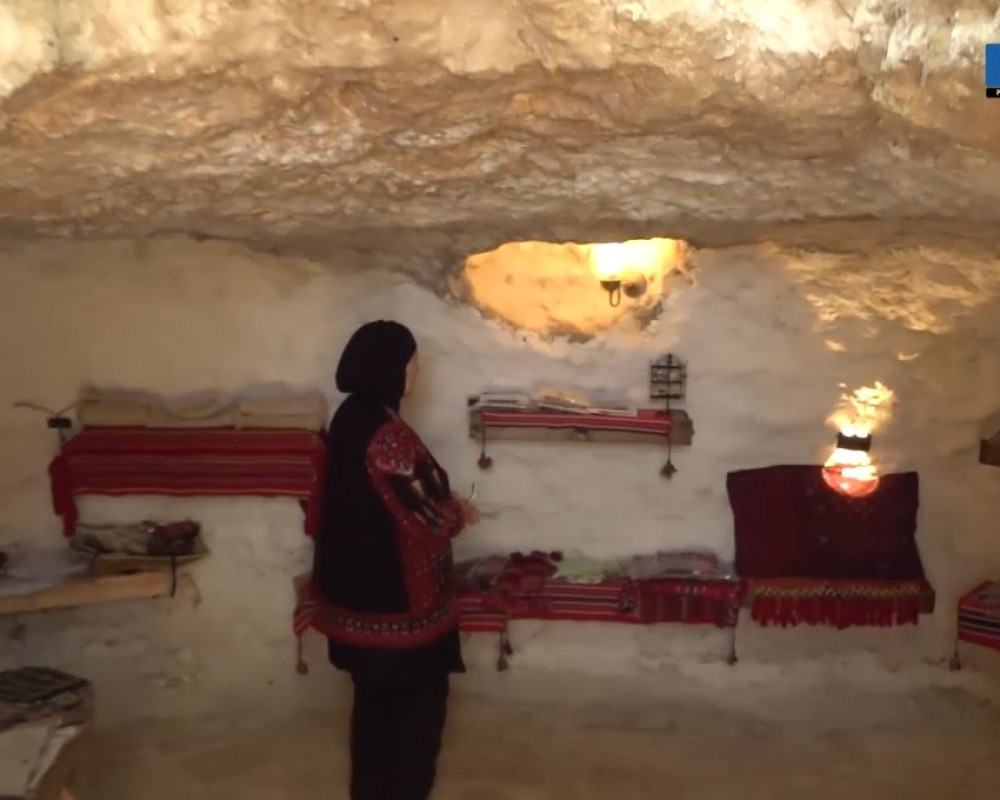
In a village in the hills of southern Hebron, Palestinian women are transforming an ancient cave into a living space for preserving Palestinian heritage and strengthening women's economic independence, in what they describe as a response to Israeli attempts to erase Palestinian identity and impose a different historical narrative on the land.
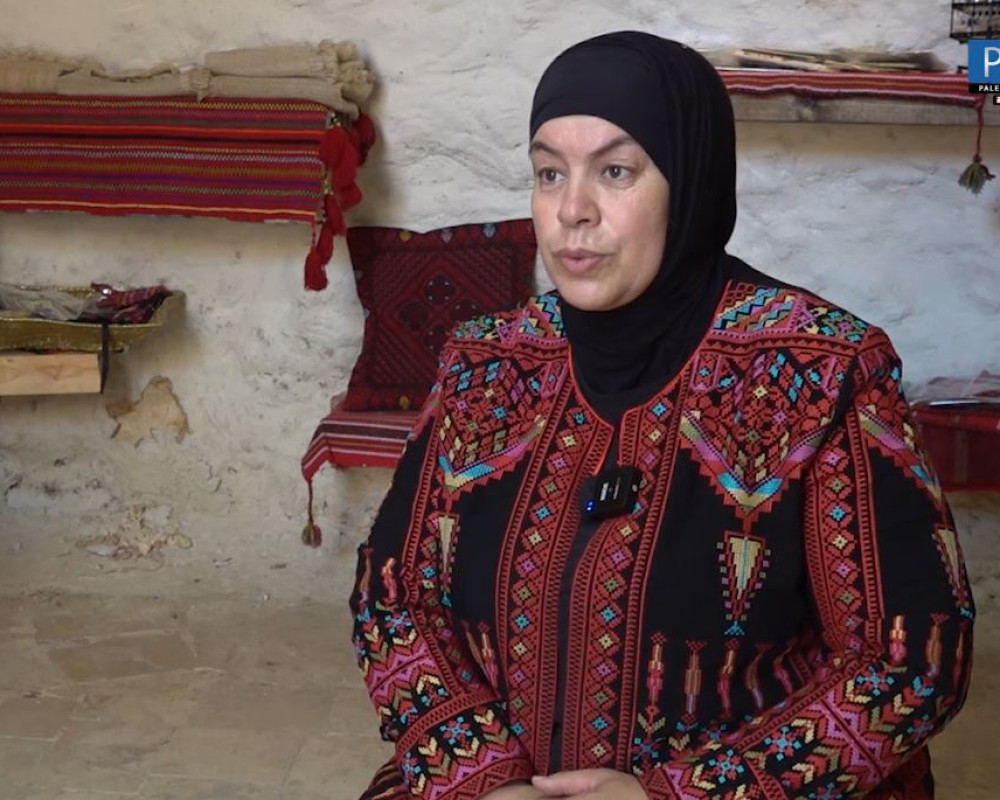
For Fatima Al-Awja, a social worker and head of the Rural Women's Association, the cave represents far more than a historical site. It has become a symbol of resilience, memory and survival in an area where cultural heritage is increasingly intertwined with the struggle to remain on the land.
Al-Awja said caves across the region have become part of a broader contest over history and identity, accusing Israel of taking over some caves and using them to display films and products promoting what she described as a Jewish historical narrative of the area.
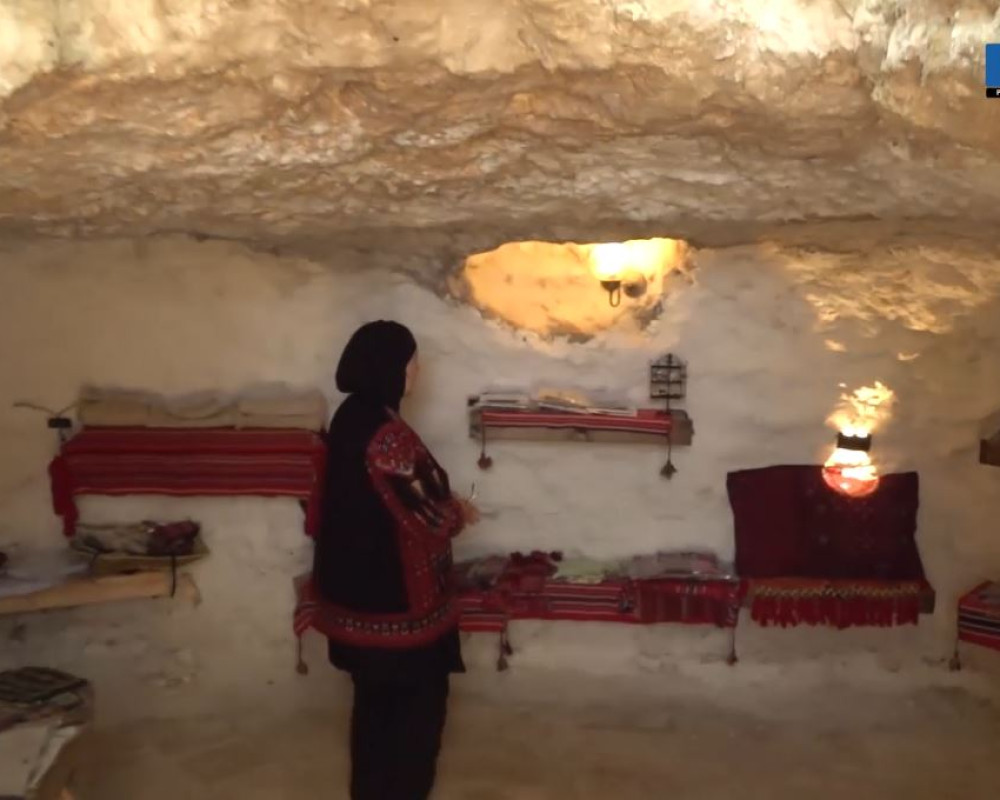
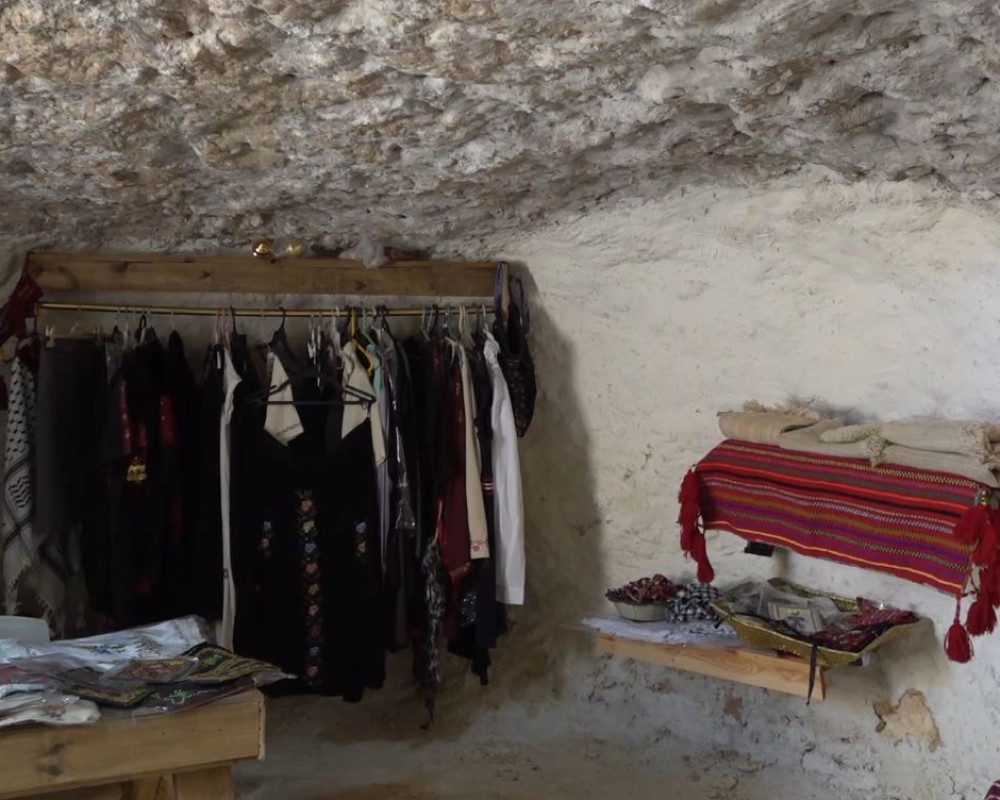
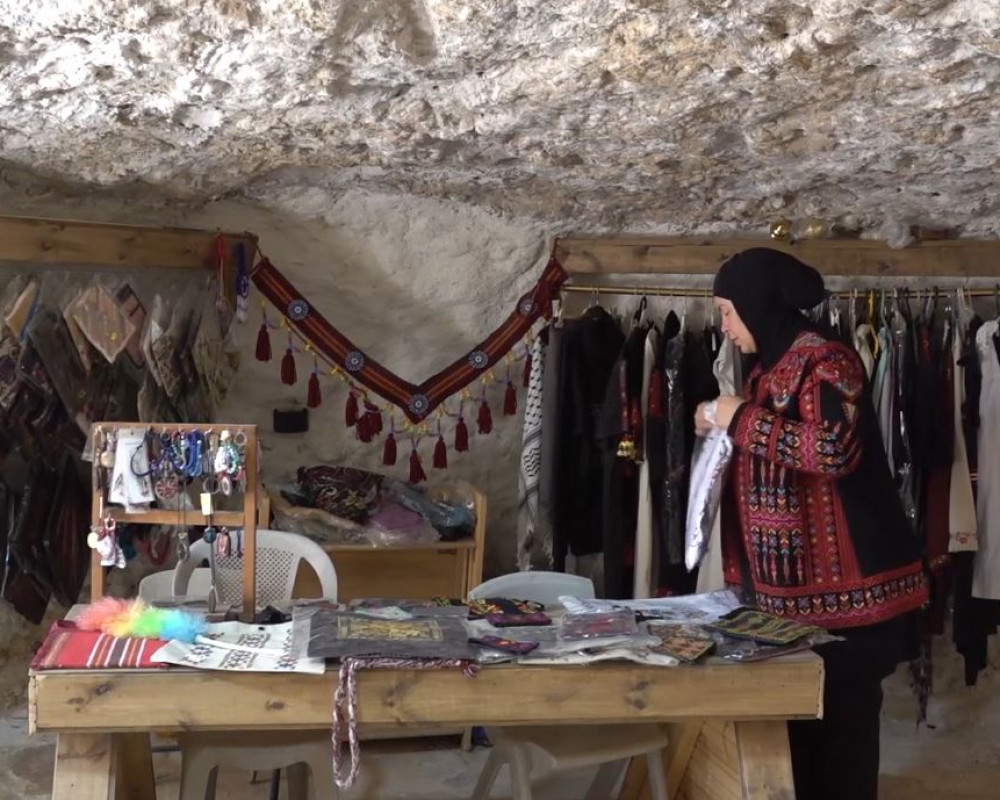
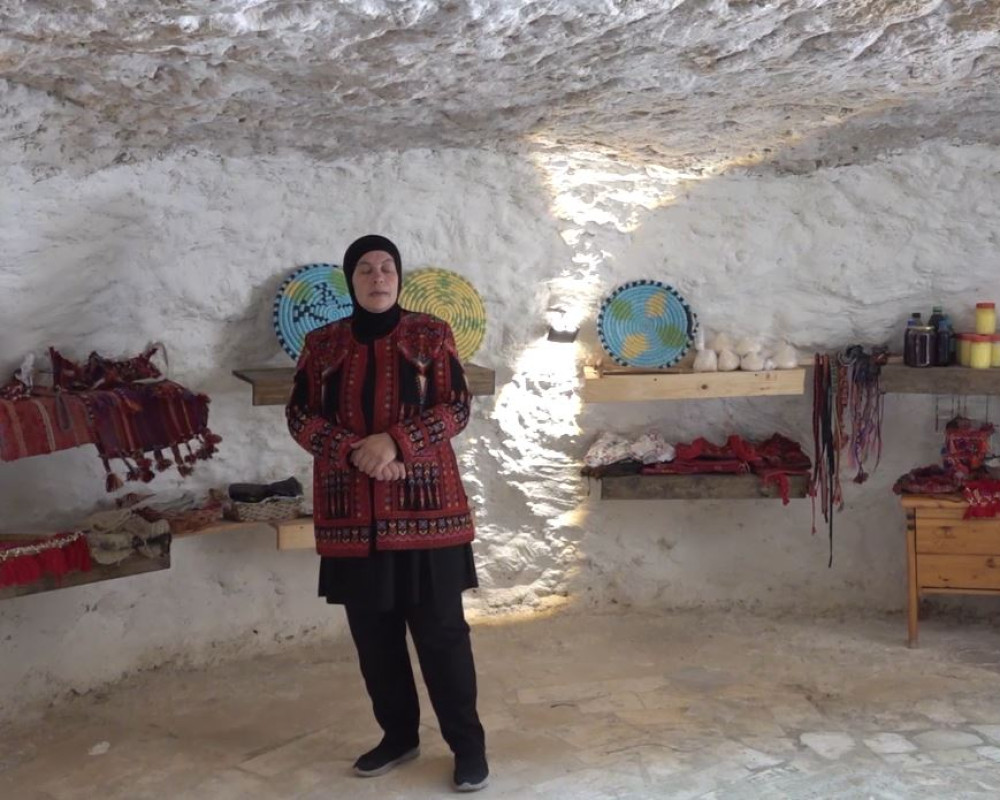
"We wanted to create 'Heritage Within Heritage,'" she said, referring to the women's initiative to restore the cave and transform it into a space showcasing Palestinian handicrafts, traditional food products and stories rooted in generations of local history.
Rebuilding a Cave, Protecting a Story
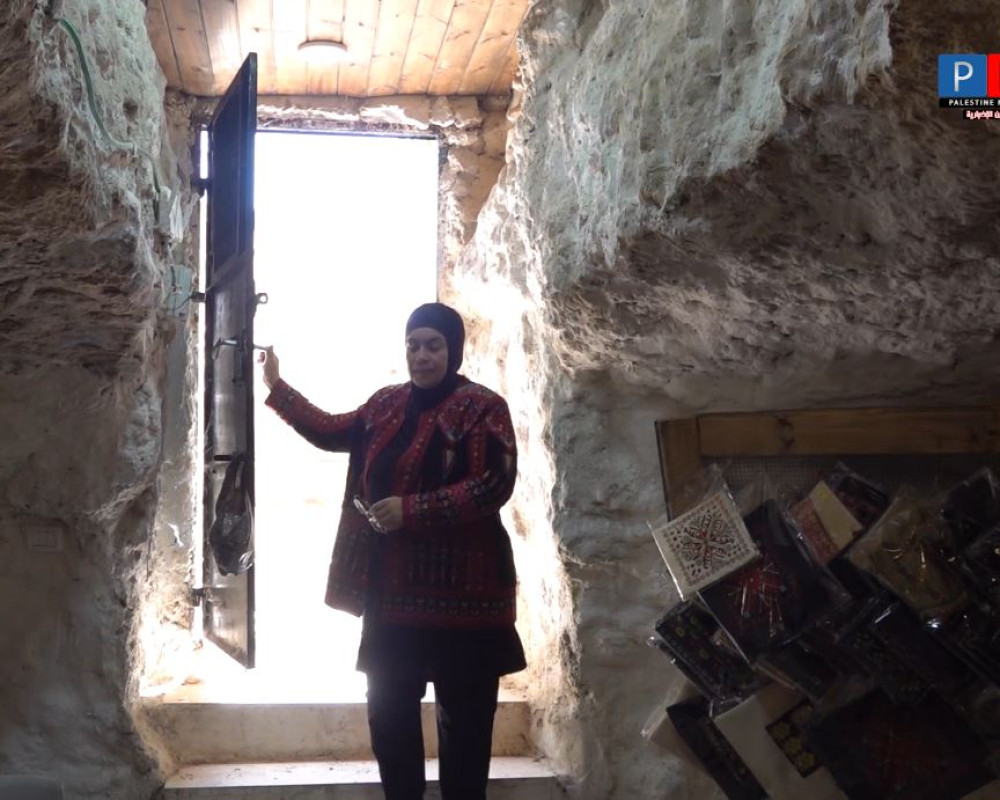
According to Al-Awja, the cave was demolished and filled with rubble more than once. Each time, local women returned to clear the debris, restore the structure and reopen it.
She said the repeated restoration reflected their determination to protect what they regard as a tangible link to their ancestors, who once lived and worked in such caves.
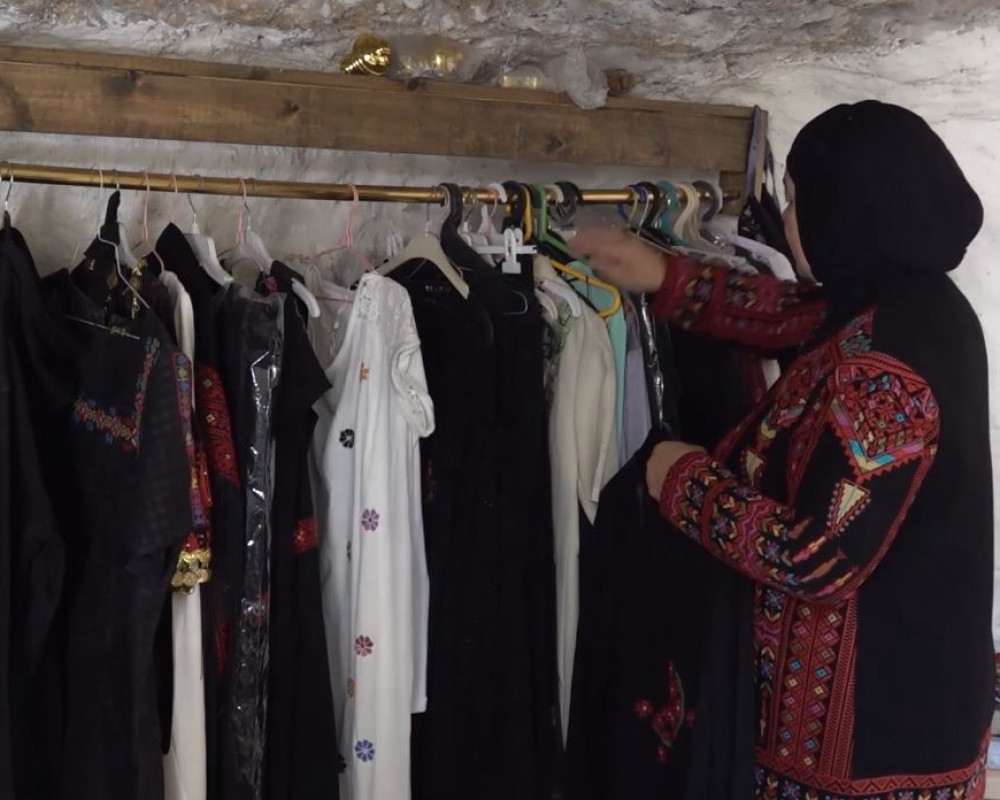
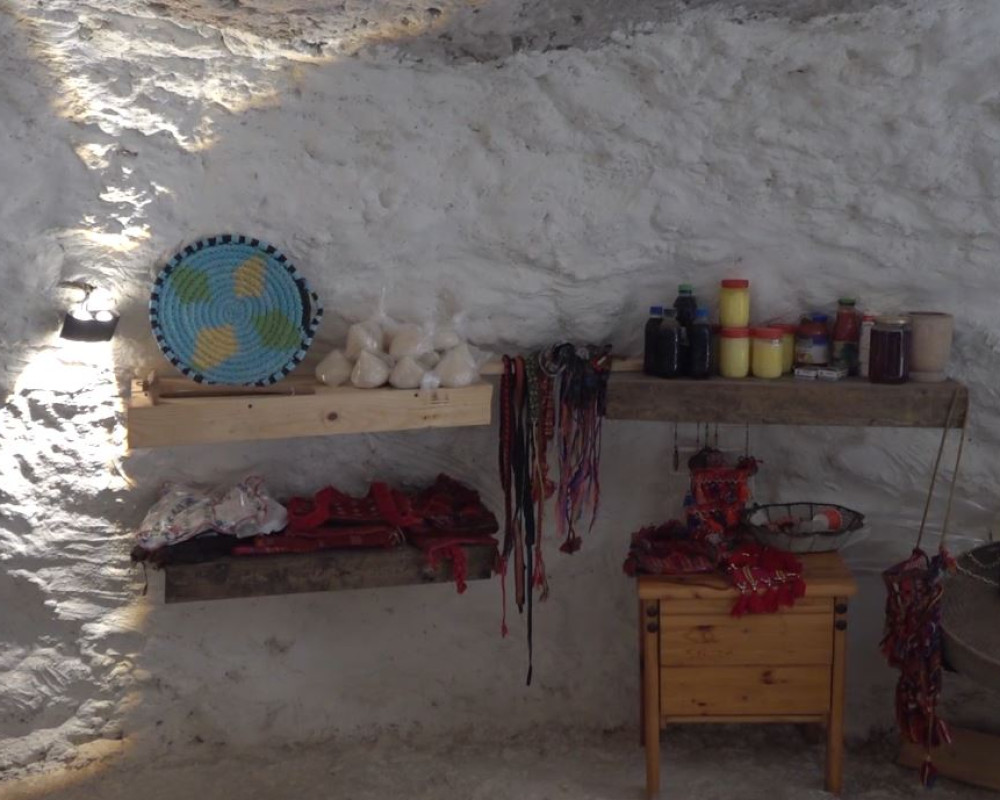
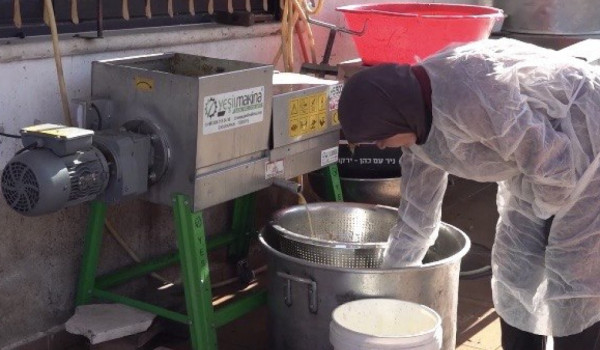
Inside, visitors now find embroidered garments, handmade bags, purses, traditional accessories and decorative crafts alongside locally produced food made by women from the community, including clarified butter, labneh, honey, cheeses and dairy products.
The cave also displays wool products spun by elderly women, preserving traditional skills that residents fear could disappear with time.
Heritage as Economic Survival
Al-Awja said the project extends beyond cultural preservation by creating income opportunities for women who produce crafts and food from their homes and farms.
She argued that protecting Palestinian heritage is inseparable from remaining on the land, saying economic empowerment helps families withstand the pressures facing Palestinian communities in southern Hebron.
The area faces increasing restrictions on movement and access, while international and local activists are often prevented from entering the village of Susiya, limiting residents' ability to share their experiences with the outside world, she said.
Since the war began, visitor numbers and sales have declined sharply, affecting women who depend on the project for income.
Rather than suspend their work, however, the association has begun developing an online platform scheduled to launch soon, allowing Palestinian products to reach wider markets and strengthening the local economy.
Taking South Hebron's Voice to the World
Al-Awja said the women's products have previously reached international exhibitions and markets in the United States, Britain, Belgium and other countries.
Now, she said, they are seeking new ways to expand that reach—not only to sell handmade products but also to amplify the voices of Palestinian women in southern Hebron.
She called on the Palestinian government and relevant institutions to increase their presence in the area and provide greater economic support for women living in marginalised communities.
"The support we need is not limited to financial assistance," she said. "It includes providing the tools and opportunities that allow families to continue working and remaining on their land."
Inside these caves, women are transforming heritage from a memory into a means of livelihood. Every embroidered thread carries the story of a place, while every handmade product helps sustain families facing growing economic and social pressures.
For Al-Awja, protecting the cave, the crafts and the traditions preserved within it forms part of a broader struggle to safeguard Palestinian identity and strengthen the resilience of communities across southern Hebron.
This story was produced in collaboration with the French Media Development Agency (CFI) Funded by European Union.