Beit Sahour, Occupied Palestinian Territory- Story By PNN | Monjed Jadou
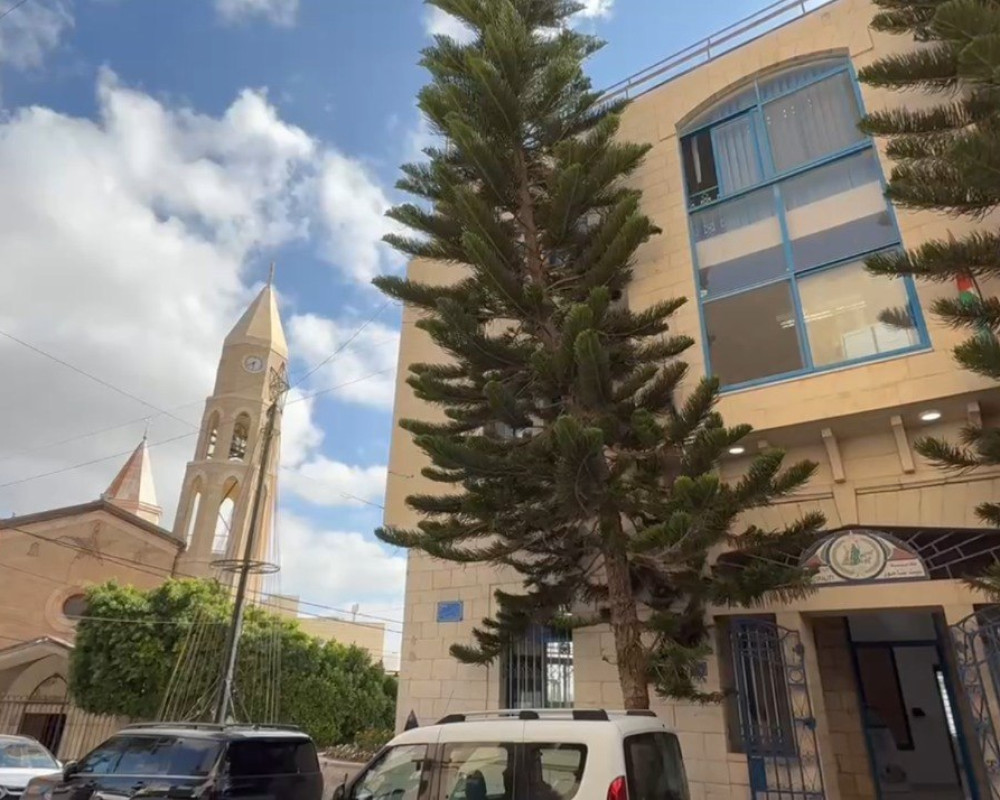
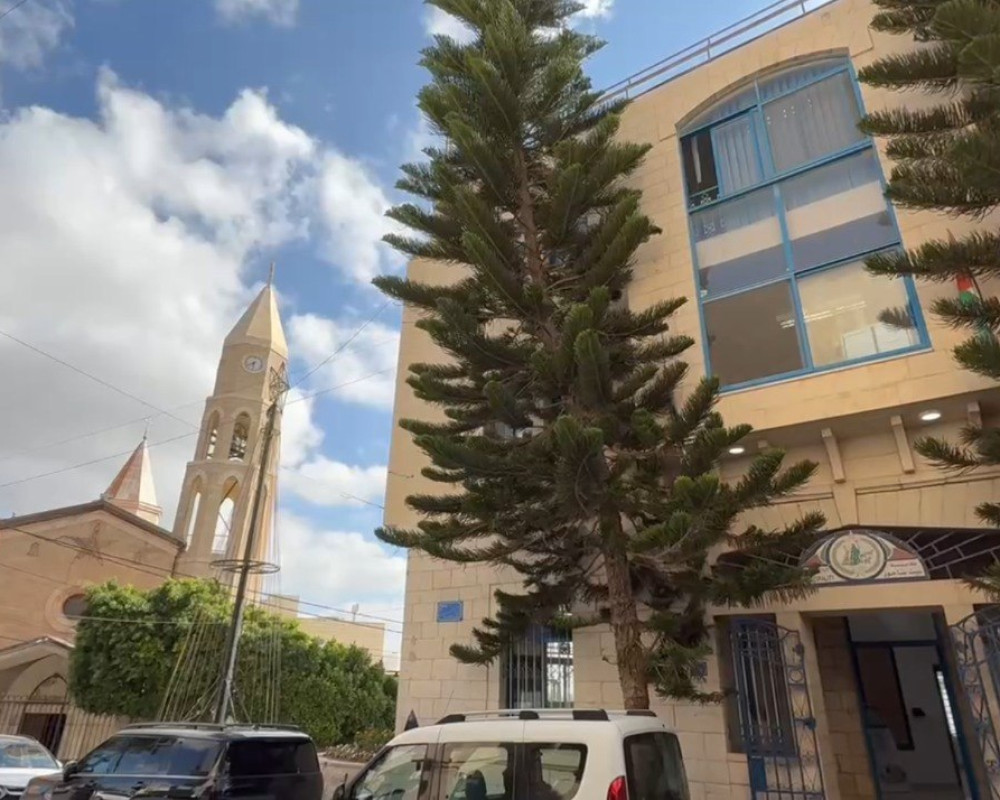
A broad community-led fundraising campaign has been launched in the Palestinian city of Beit Sahour to finance the purchase and long-term operation of a fully equipped ambulance, as local officials, health advocates and international supporters seek to improve emergency medical response and save lives in a region where delayed ambulance access has become a growing concern.
The initiative, led by the Beit Sahour Municipality in partnership with Bethlehem Bible College, local organizations and international supporters, aims to raise between $130,000 and $150,000 to purchase a modern ambulance, equip it, and ensure its sustainable operation through trained medical personnel and ongoing maintenance.
Municipal officials say the project addresses a longstanding gap in emergency medical services across the eastern part of Bethlehem governorate, where residents often face significant delays before ambulances arrive during life-threatening emergencies.
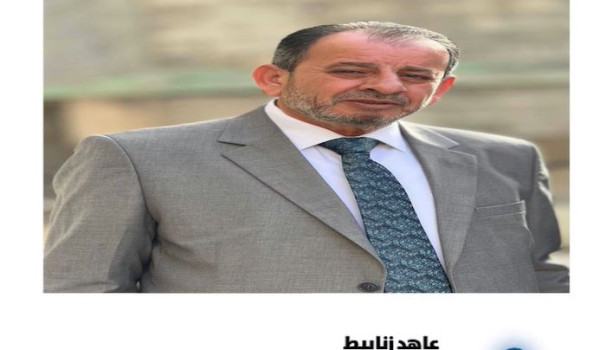
Beit Sahour Mayor Laith Qumsiyeh said the city has suffered from the absence of a dedicated ambulance despite increasing traffic congestion and mounting political and economic pressures affecting the region.
"In emergency medicine, every minute can mean the difference between life and death," Qumsiyeh told PNN. "Some ambulances currently require nearly 20 minutes to reach patients. Unfortunately, the city has lost residents because emergency medical assistance arrived too late."
He said the municipality's goal is to reduce ambulance response times to between two and three minutes, describing the project as an urgent investment in public safety rather than simply purchasing a vehicle.
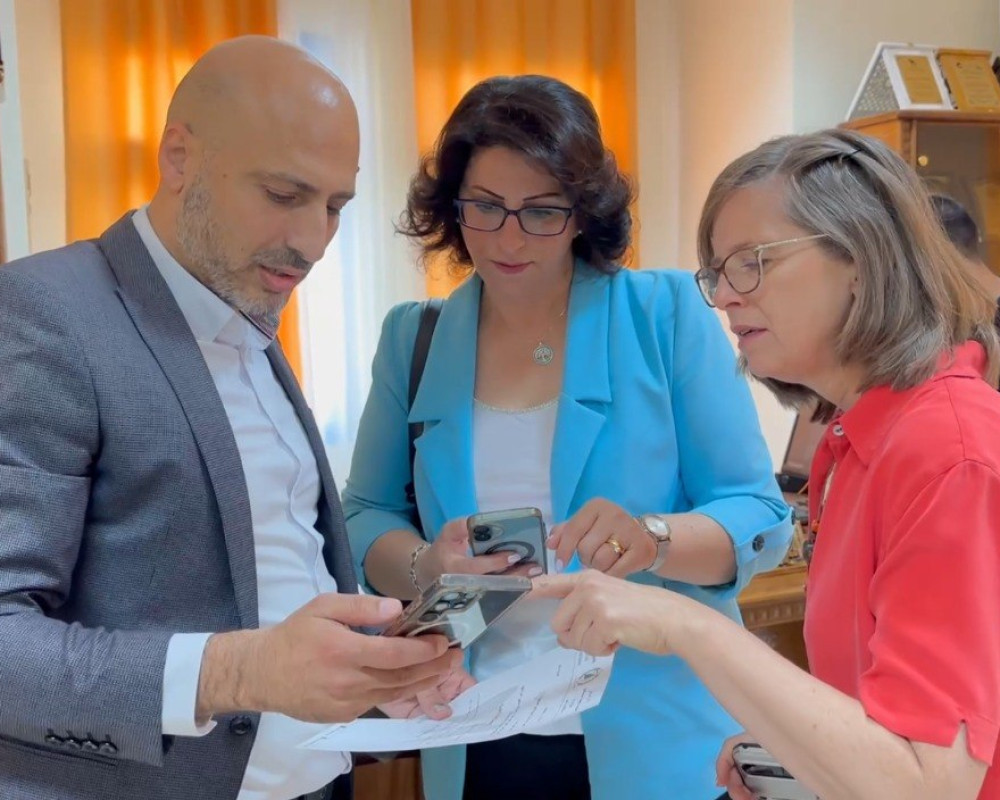
Qumsiyeh said municipal officials have already begun working with friends and supporters in the United States who agreed to help organize an international fundraising campaign. American volunteer Lani Lancaster recently spent a month in Beit Sahour documenting local needs, meeting residents and coordinating with community organizations, while Shireen Awad Hilal helped organize and prepare the campaign locally.
The fundraising campaign is scheduled to run from September through December, with organizers hoping to secure the full amount before the end of the year.
The mayor stressed that financing the ambulance itself represents only part of the challenge.
"The real responsibility begins after purchasing the ambulance," he said. "Operating emergency medical services requires continuous funding for trained staff, maintenance, medical equipment and daily operations."
He called on residents of Beit Sahour, Palestinians across Bethlehem governorate, members of the Palestinian diaspora and international supporters to contribute, emphasizing that the ambulance will serve not only Beit Sahour but surrounding towns and villages throughout eastern Bethlehem.
Qumsiyeh said the municipality has already begun mobilizing local and international support to ensure the project becomes sustainable and capable of providing uninterrupted emergency services.
A Humanitarian Campaign Beyond Fundraising
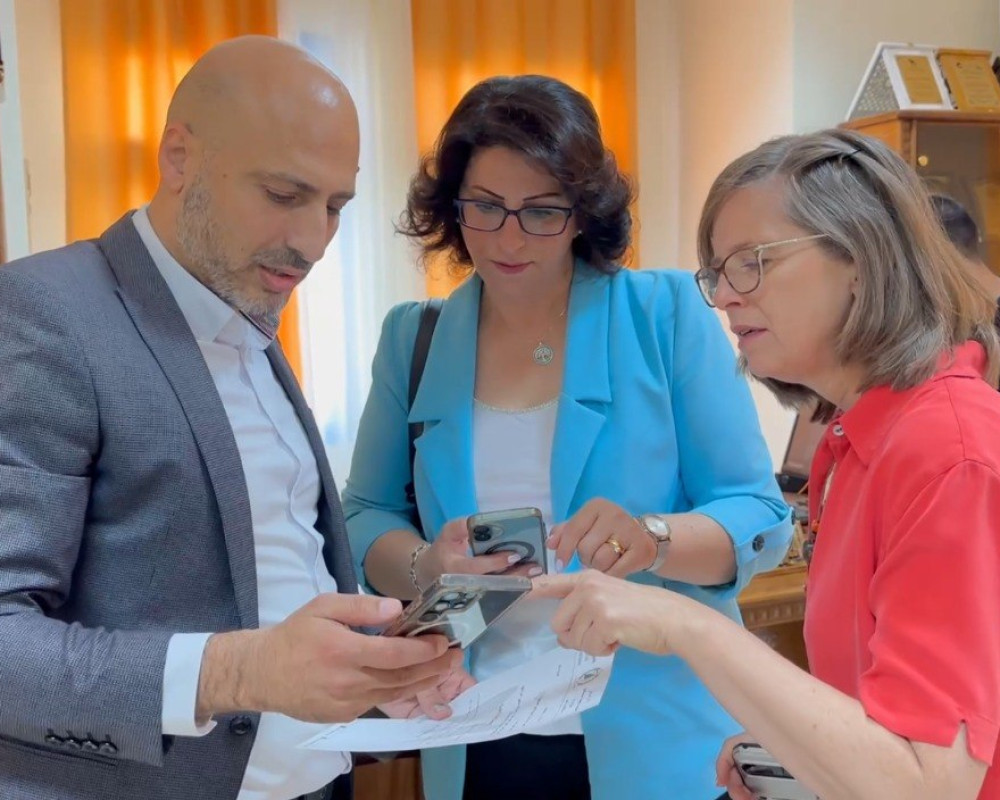
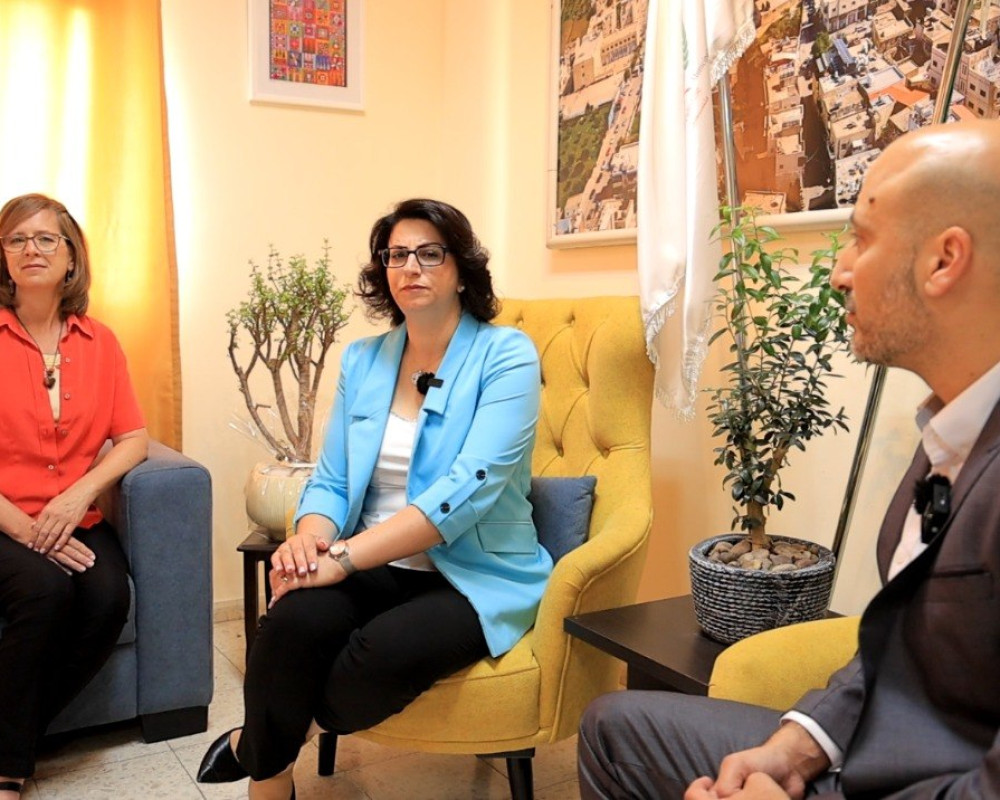
Shireen Awad Hilal, director of the Community Department at Bethlehem Bible College, said the initiative represents far more than a fundraising effort, describing it as a humanitarian campaign aimed at strengthening community resilience while providing an essential health service.
"Bethlehem Bible College has long-standing relationships with both local communities and international churches," Awad told PNN. "We want to use those relationships to deliver this message to supporters around the world because this is not simply about raising money—it's about serving an entire community."
She said Beit Sahour has never had its own dedicated ambulance, making the project an important achievement not only for the city but also for the wider Palestinian community.
"A properly equipped ambulance can save lives," she said. "When someone suffers a heart attack, severe injury or another medical emergency, rapid response becomes the determining factor."
Awad said organizers believe that everyone who hears the campaign's story will find a way to contribute, regardless of the size of their donation.
"Every contribution matters," she said. "Even small donations become meaningful when thousands of people choose to help."
She acknowledged that raising up to $150,000 represents a significant challenge but expressed confidence that cooperation among individuals, churches, institutions and supporters worldwide would make the goal achievable.
The campaign, she added, is intended to benefit the wider Bethlehem area rather than Beit Sahour alone.
"This ambulance will not belong to one neighborhood," she said. "It will serve anyone who needs emergency medical assistance."
Awad noted that the project also seeks to establish a sustainable financial model to cover future operating costs, including medical crews, maintenance and equipment replacement.
She said campaign preparations have now been completed, with organizers planning to release approximately four fundraising appeals each month, providing regular updates on donations received, campaign progress and the remaining amount needed.
"The early response has been encouraging," she said. "We hope to reach our goal before December so the ambulance can begin serving the community as soon as possible."
Awad called on local and international institutions, individuals, Palestinians living abroad and particularly members of the Beit Sahour diaspora to support the initiative.
"This project represents much more than an ambulance," she said. "It reflects solidarity, cooperation and the ability of communities to come together to meet their own humanitarian needs."
International Support Expands
American volunteer Lani Lanchester, who has been helping coordinate international outreach, said her visit to Beit Sahour allowed her to better understand the city's urgent need for emergency medical services.

She said campaign organizers have already presented the project to 28 churches, many of which responded positively after learning that the city currently has no dedicated ambulance.
"The response has been incredibly encouraging," Lancaster said. "People have not only expressed interest in donating but also in building long-term partnerships with the community."
She described the initiative as a practical way for international supporters to stand alongside Beit Sahour residents during a difficult period, expressing confidence that the network of supporters will continue expanding.
Lanchester said she already has meetings scheduled with five additional churches upon returning to the United States in August, with more expected to join the campaign in the coming months.
Members of the volunteer team have adopted the name "Friends of the Shepherds," reflecting what Lancaster described as a long-term commitment rather than a one-time fundraising effort.
"This is not temporary assistance," she said. "We hope this will become the beginning of a lasting partnership with Beit Sahour until the ambulance becomes a reality and continues serving the community for years to come."
Municipal officials and campaign organizers said fundraising efforts will continue through the end of the year, expressing hope that broad support from Palestinians at home and abroad, alongside international partners, will make it possible to provide a dedicated ambulance service capable of responding quickly to medical emergencies and saving lives across Beit Sahour and neighboring communities.